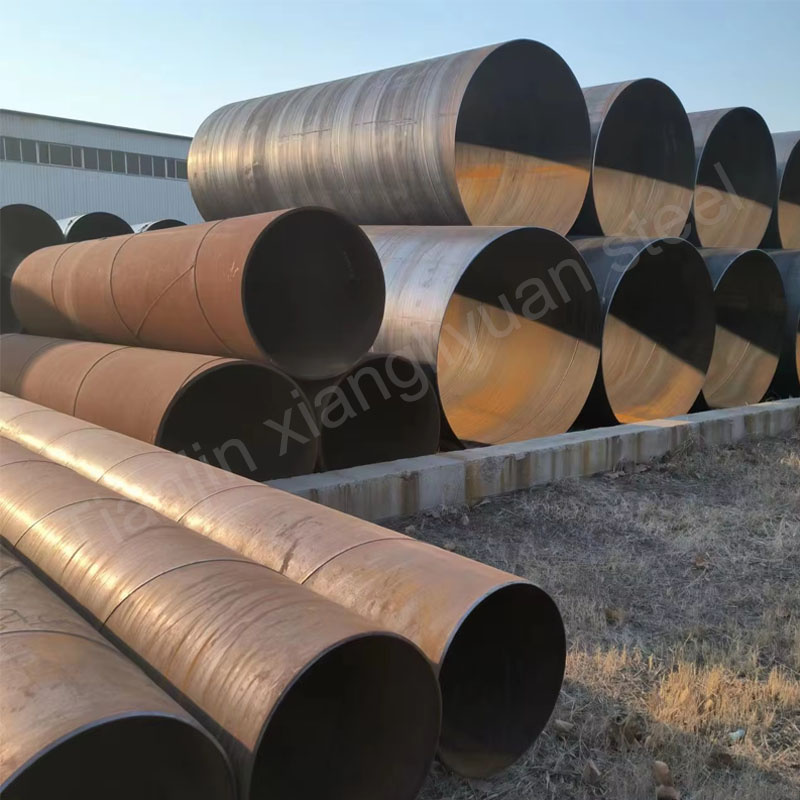
Dimensional precision in large-diameter LSAW pipe manufacturing is not merely a quality specification—it is a fundamental determinant of pipeline integrity, installation efficiency, and long-term service reliability. For project engineers and procurement specialists sourcing line pipe for oil and gas transmission, water infrastructure, or structural applications,
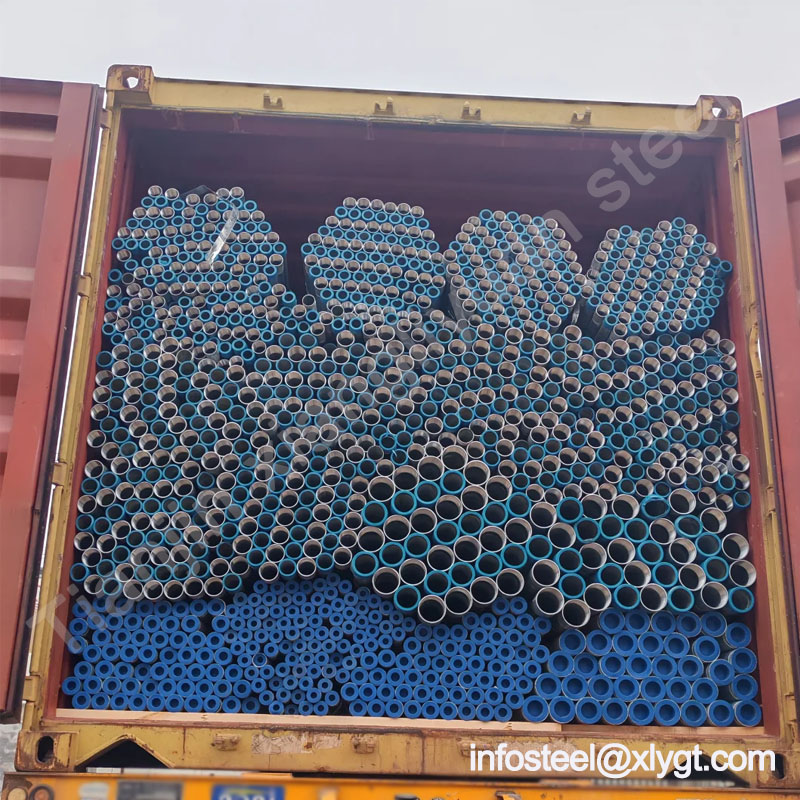
Executive Summary China’s steel pipe industry has undergone a remarkable transformation over the past two decades, evolving from a net importer to the world‘s largest producer and exporter. Within this landscape, Electric Resistance Welded (ERW) steel pipe has emerged as the dominant product category, accounting
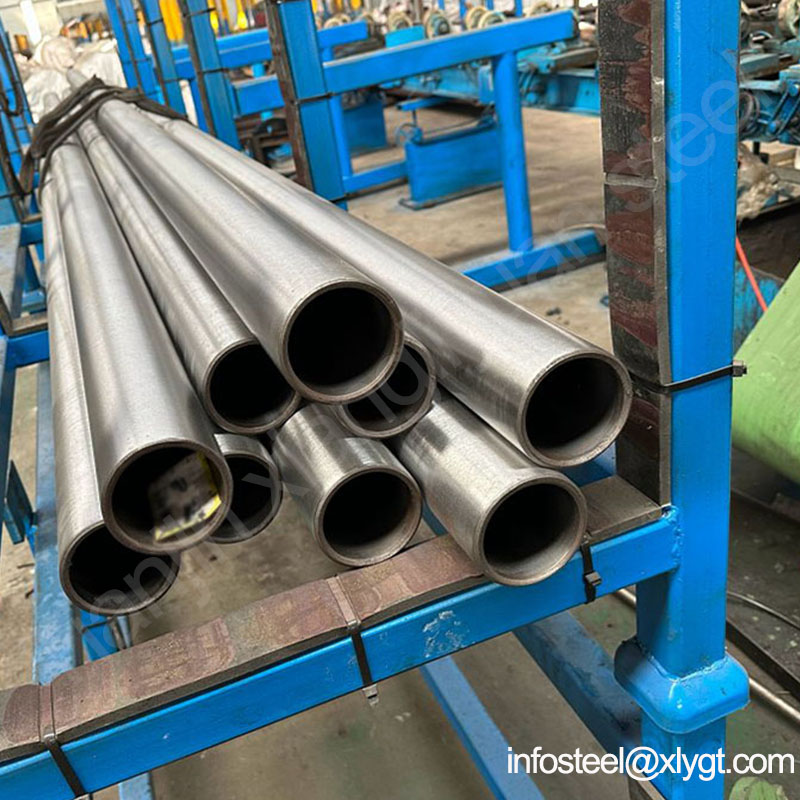
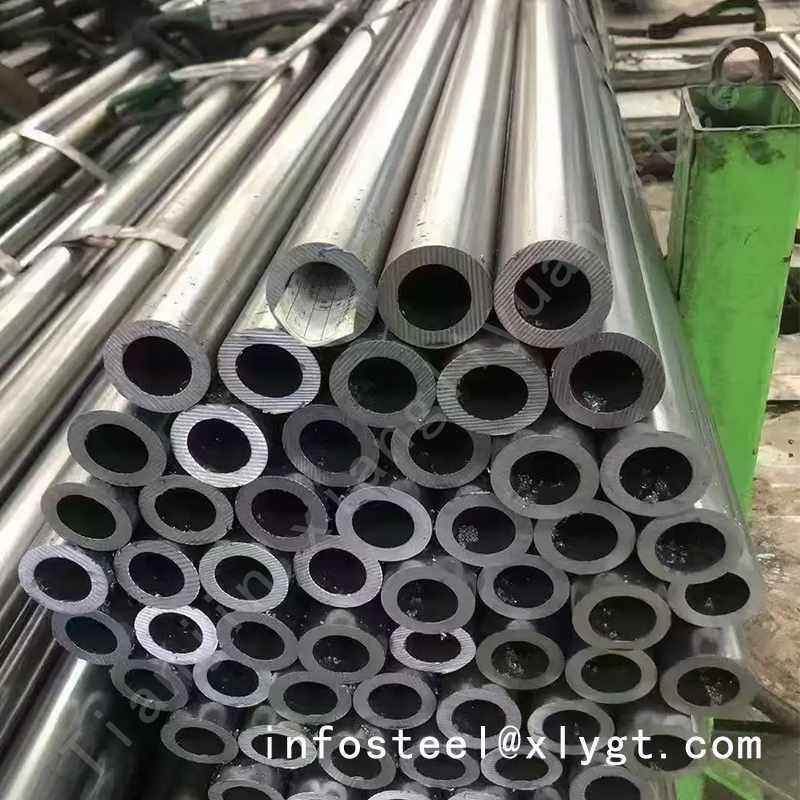
Why the Bore Surface Determines Hydraulic Performance In hydraulic cylinder design, the bore surface is not merely a geometric boundary—it is an active tribological interface. The interaction between the piston seal, wear rings, and the honed tube's internal surface governs friction, leakage, and service life.
How Tight-Tolerance Precision Steel Tubes Cut CNC Machining Waste by 35% in Manufacturing Operations
A Technical Analysis for Procurement Engineers and Manufacturing Decision-Makers Executive Summary In CNC machining operations, the choice of raw material stock directly determines machining time, tool wear, scrap rate, and ultimately the cost-per-part. For manufacturers producing hydraulic cylinders, automotive shafts, bearing housings, and precision mechanical
How China‘s 2026 Export License Management Is Reshaping Welded and Seamless Steel Pipe Supply Chains
A Policy Inflection Point On December 9, 2025, China’s Ministry of Commerce and the General Administration of Customs jointly issued Announcement No. 79, introducing export license management for a comprehensive range of steel products effective January 1, 2026 . This marks the first reinstatement of
A New Era for Chinese Steel Pipe Exports Effective January 1, 2026, China has officially reinstated Export License Management for over 300 steel products, including a comprehensive range of seamless steel pipes, welded steel tubes, and steel pipe fittings. This landmark policy shift—the first of
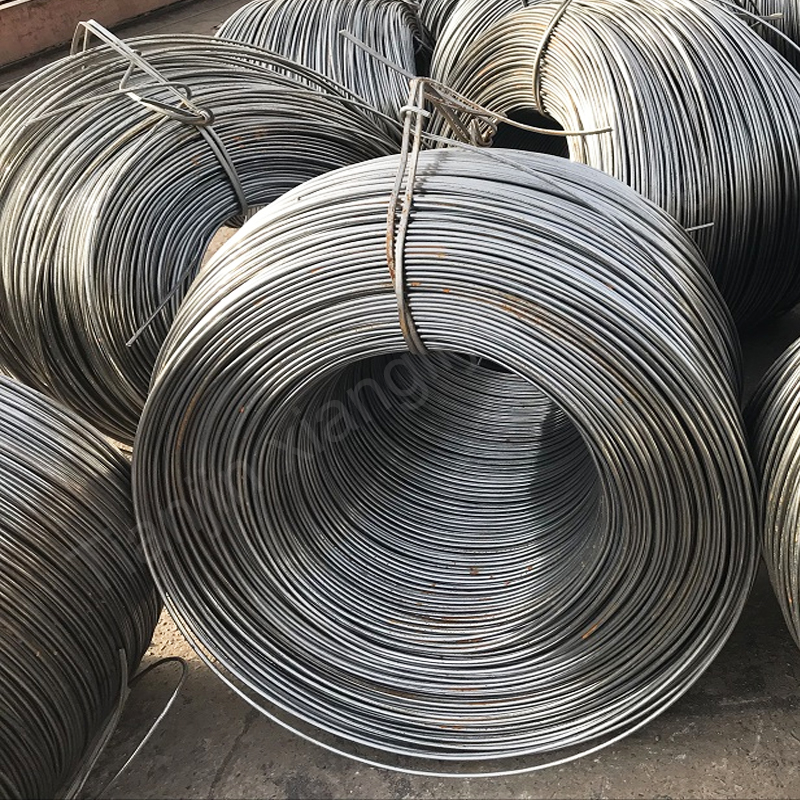
The Backbone of Modern Infrastructure In the demanding worlds of fencing and construction, galvanized steel wire serves as an indispensable material—a silent workhorse that provides structural integrity, security, and longevity to countless applications. Selecting the correct galvanized steel wire requires an understanding of three critical
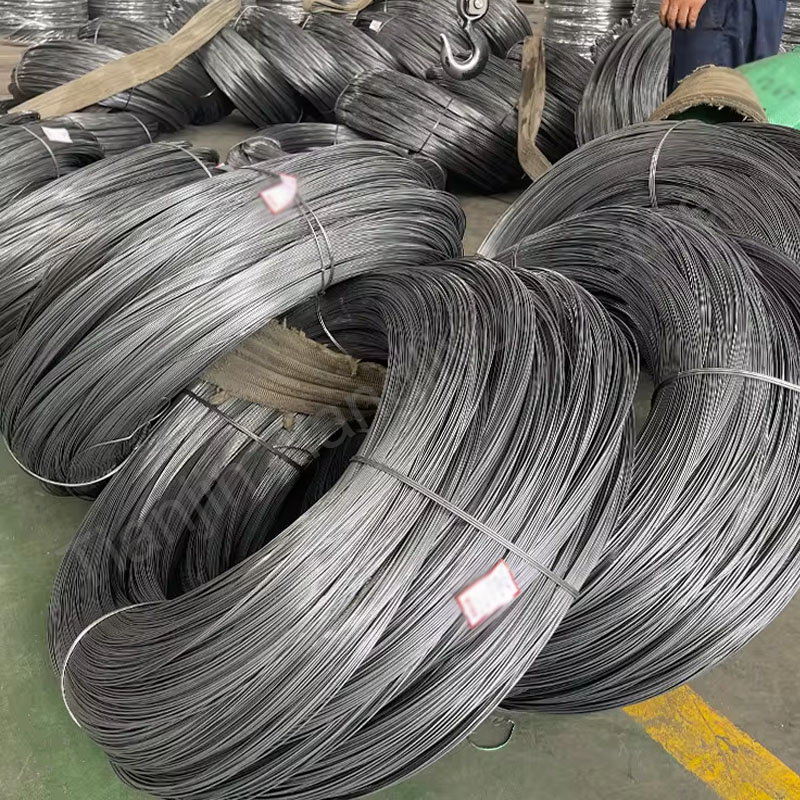
The Critical Role of High Carbon Steel Wire in Modern Spring Manufacturing In the demanding landscape of industrial spring manufacturing, high carbon steel wire stands as a fundamental material where precision metallurgy meets mechanical performance. Springs are the unsung heroes of countless applications—from automotive suspension
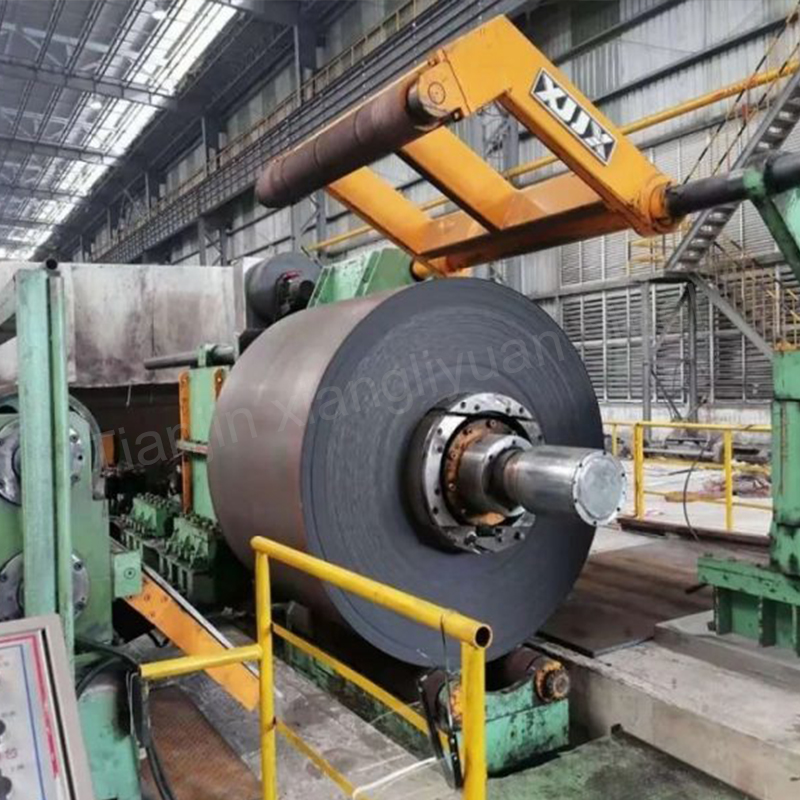
Precision Processing as the Foundation of Quality In the modern steel supply chain, the difference between a premium product and a reject often comes down to three critical parameters: width tolerance, edge quality, and flatness control. For fabricators, roll formers, stampers, and tube mills, these
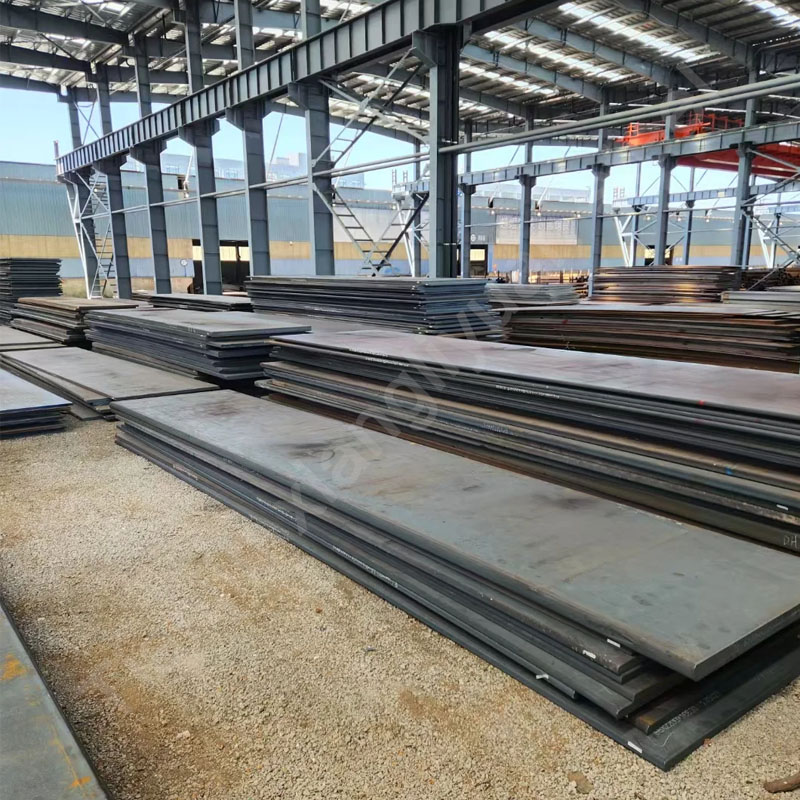
The Critical Role of Pressure Vessel Steel Plates In the oil and gas, petrochemical, and power generation industries, the integrity of pressure vessels and boilers depends entirely on the quality of the steel plates used in their construction. Selecting the appropriate pressure vessel steel plate is not

Social Media
contact us today
our location
Company Address
2-1-601, Qingdayuan, southwest of the intersection of Shuangjiang Road and Longxing Road, Shuangjie Town, Beichen District, Tianjin
©COPYRIGHT 2012 - 2026 | seamless pipe | Galvanized Steel Pipe | Pipe fitting | Other steel pipes | Carbon steel coil/strip | Galvanized steel coil/strip | PPGI | Carbon steel sheet/plate | Galvanized steel sheet/plate | per-painted steel sheet/plate | steel bar/rod | Carbon steel wire | Galvanized steel wire | steel rail | Channel | Angle | H/I beam | Flat steel | Other profile steel | Advanced Small Grouting Catheter For Tunnel | Hollow Grouting Anchors | Rebar