Executive Summary
China’s steel pipe industry has undergone a remarkable transformation over the past two decades, evolving from a net importer to the world‘s largest producer and exporter. Within this landscape, Electric Resistance Welded (ERW) steel pipe has emerged as the dominant product category, accounting for approximately 60% of China’s total non-seamless pipe output. For international procurement engineers, project managers, and distributors, understanding the technical and commercial dynamics of Chinese ERW pipe production is essential for informed sourcing decisions. This article examines the manufacturing standards, quality benchmarks, and global demand patterns shaping the ERW pipe market, with insights relevant to buyers seeking reliable supply partners from China.
The Rise of ERW Pipe in China‘s Steel Pipe Landscape
China has been the world’s largest steel pipe producer since surpassing Japan in the early 2000s. By the late 2000s, Chinese welded pipe production already represented over 50% of the country‘s total steel pipe output. This proportion has steadily increased in the ensuing years, driven by technological advancements in welding processes and the inherent cost efficiency of ERW manufacturing.
The scale of China’s welded pipe sector is substantial. As of recent industry estimates, China operates approximately 3,000 welded pipe production units with a combined capacity of around 90 million tons annually. Within this capacity, ERW and high-frequency welded (HFW) lines form the backbone of production for small to medium diameter pipes.
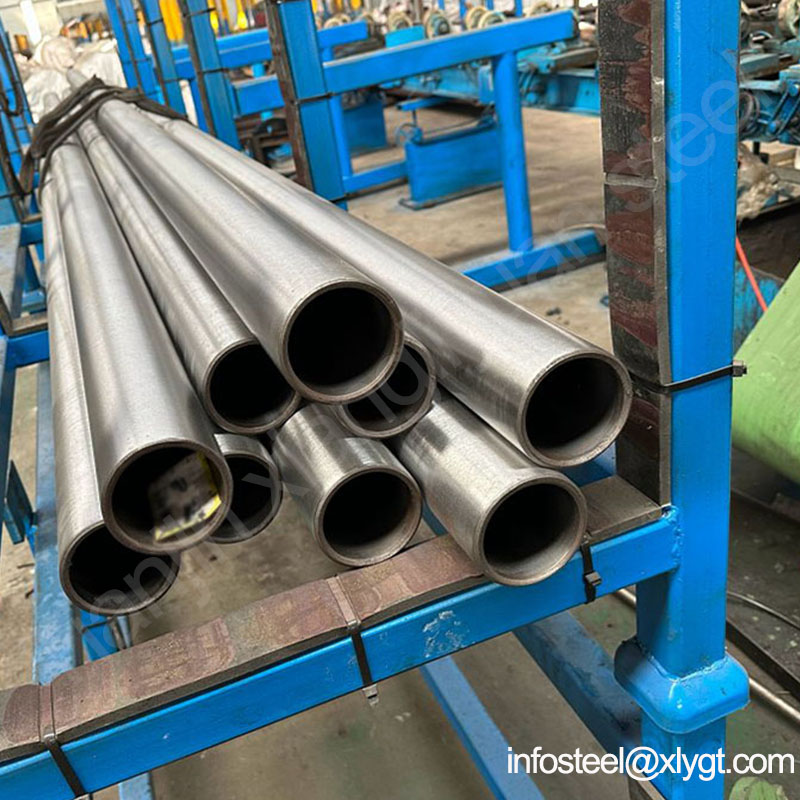
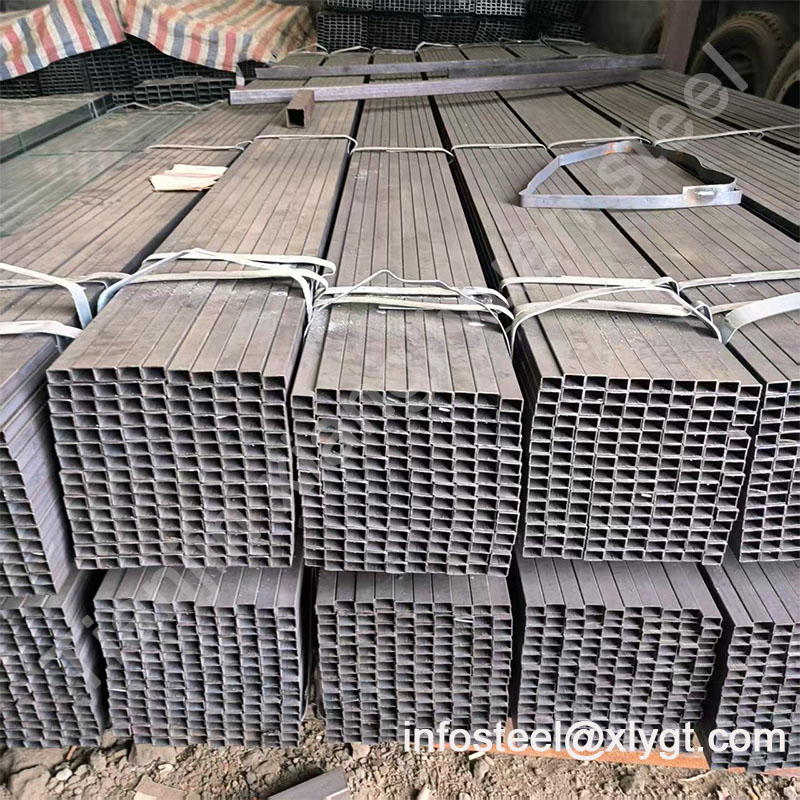
The dominance of ERW pipe stems from its favorable balance of performance and cost. Unlike seamless pipe, which requires piercing a solid steel billet, ERW pipe is manufactured by forming flat steel coil into a cylindrical shape and welding the longitudinal seam using high-frequency electrical resistance heating. This process yields tighter dimensional tolerances, smoother surface finish, and significantly lower production costs—advantages that align well with the requirements of numerous industrial applications.
Technical Foundation: ERW Manufacturing Process and Quality Control
Modern ERW pipe production is a highly automated and tightly controlled process. The manufacturing sequence begins with uncoiling hot-rolled steel strip, followed by leveling, edge trimming, and accumulation. The strip is then progressively formed into a round cross-section through a series of rolls. High-frequency electric current—typically in the range of 100 to 400 kHz—heats the strip edges to forging temperature, and squeeze rolls press them together to create a metallurgical bond without filler metal.
What distinguishes contemporary ERW from earlier generations is the comprehensive quality assurance framework. Following welding, the external flash is scarfed, and the weld seam undergoes normalizing or heat treatment to refine the grain structure and homogenize mechanical properties. Online non-destructive testing (NDT), including ultrasonic inspection of the weld seam and pipe body, ensures that defects are detected and marked in real time.
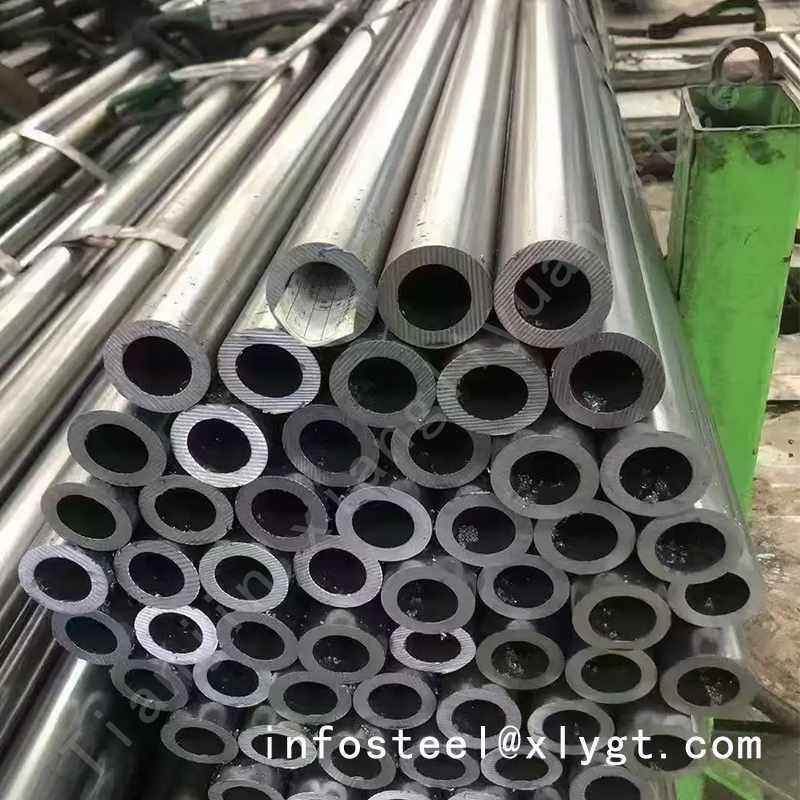
The dimensional accuracy of ERW pipe is a notable advantage. Because the pipe is formed from precisely rolled strip, wall thickness uniformity and outside diameter tolerances are typically tighter than those achievable in seamless production. This characteristic is particularly valuable in applications requiring consistent fit-up and welding in the field.
Quality Benchmarks and International Standards
Chinese ERW pipe manufacturers serving export markets adhere to a range of international specifications. The most commonly referenced standards include API 5L for pipeline transportation systems, ASTM A53 for pipe, steel, black and hot-dipped zinc-coated, ASTM A500 for cold-formed welded carbon steel structural tubing, and EN 10217 for welded steel tubes for pressure purposes.
The API 5L specification is particularly significant for oil and gas applications. It defines two product specification levels: PSL1, which covers standard quality requirements, and PSL2, which imposes additional mandatory testing and certification requirements. For ERW pipe, API 5L permits a weld joint factor (E) of up to 1.00 when the pipe is subjected to full-body ultrasonic inspection and the weld seam is properly heat-treated. This effectively places properly manufactured and tested ERW pipe on par with seamless pipe for many pressure-containing applications.
Quality control in leading Chinese ERW mills encompasses chemical composition verification, tensile and yield strength testing, flattening and bending tests, hydrostatic testing, and full-length NDT. The most advanced facilities employ online ultrasonic systems for both the weld seam and the pipe body, ensuring that only material meeting specification proceeds to final processing and shipment.
ERW vs. Seamless: Engineering Considerations for Procurement
The selection between ERW and seamless pipe is governed by application requirements, applicable codes, and economic factors. Seamless pipe retains advantages in certain critical service conditions: high-pressure and high-temperature applications where a weld joint factor of 1.00 is mandatory without supplementary testing, sour service environments per NACE MR0175 where weld heat-affected zones may be susceptible to hydrogen-induced cracking, and small-diameter piping where seamless is the default specification.
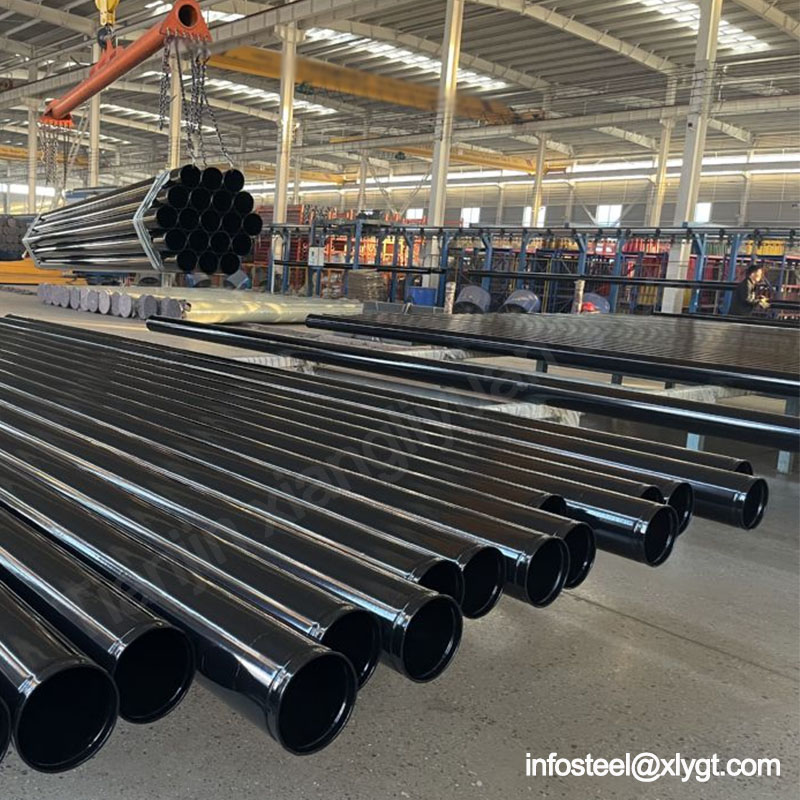
However, for a broad spectrum of applications, ERW pipe offers a compelling alternative. In utility services such as water transmission, air, and low-pressure steam, structural applications including building frames and foundation piling, and oil and gas gathering lines at moderate pressures, ERW pipe provides equivalent or superior performance at a lower cost. The tighter dimensional tolerances and smoother surface finish of ERW pipe can also simplify downstream fabrication and coating processes.
The cost differential is significant: for equivalent size and wall thickness, seamless pipe typically carries a premium of 20% to 40% over ERW pipe. On large projects, this differential can translate into substantial savings, making the technical evaluation of ERW suitability a worthwhile exercise for procurement engineers.
Global Demand Dynamics and Export Trends
Chinese steel pipe exports have demonstrated sustained growth over the past decade. By 2025, steel tube exports accounted for approximately 10% of total Chinese steel export volumes. The export unit value for steel tubes has declined, reflecting improved production efficiency and competitive pricing in international markets.
Regional demand patterns reveal important trends for exporters. Southeast Asia remains the largest destination for Chinese steel pipe, accounting for approximately 30% of total steel exports, with significant volumes flowing to Indonesia, Thailand, the Philippines, and Myanmar. The Middle East has emerged as a particularly dynamic market, driven by infrastructure development in Saudi Arabia, the UAE, and Egypt. Africa and South America have also registered strong import growth, supported by ongoing construction and energy projects.
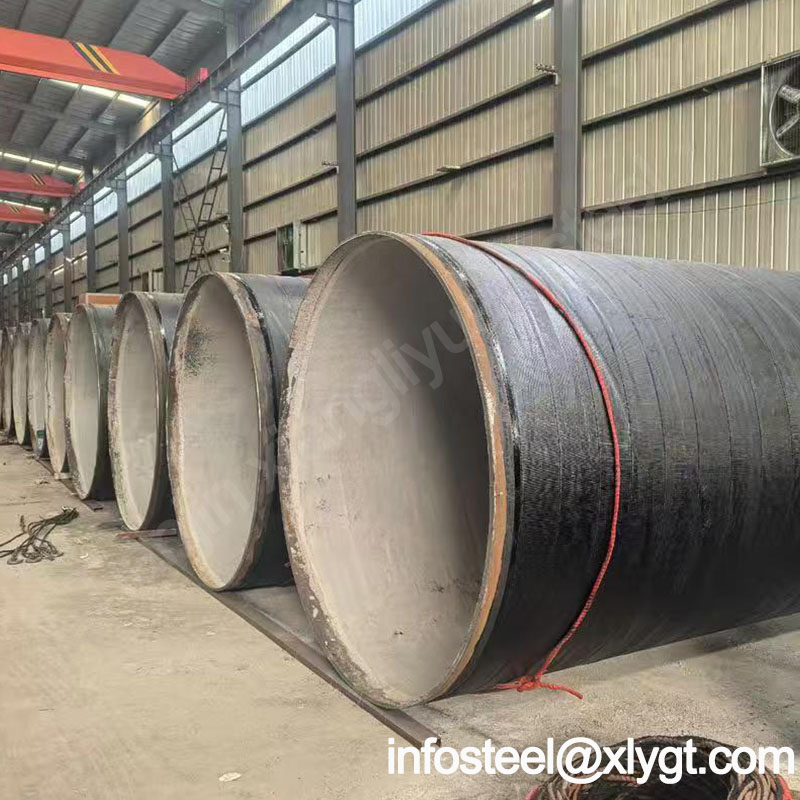
The applications driving this demand are diverse: oil and gas gathering and transmission lines, water distribution networks, structural frameworks for industrial and commercial buildings, and mechanical tubing for manufacturing. Chinese ERW pipe manufacturers have demonstrated the capability to meet the technical requirements of these applications while maintaining competitive lead times and pricing.
A Note on Export Compliance: China’s 2026 Steel Export License Regime
International buyers sourcing from China should be aware of a significant regulatory development. Effective January 1, 2026, China‘s Ministry of Commerce and General Administration of Customs implemented export license management for a comprehensive range of steel products, including welded and seamless steel pipes. The policy, announced through Announcement No. 79-2025, requires exporters to obtain licenses based on export contracts and product quality certificates issued by manufacturers.
The introduction of export licensing represents a shift toward more structured and quality-oriented export management. For legitimate, quality-focused manufacturers with established compliance systems, the new regime is manageable. For international buyers, it reinforces the importance of sourcing from suppliers who can provide complete documentation and adhere to regulatory requirements. Reputable Chinese manufacturers are well-positioned to navigate this framework and continue reliable supply to global customers.
Tianjin Xiangliyuan Steel: Positioned for Global Supply
Tianjin Xiangliyuan Steel operates from Tianjin, one of China’s premier steel industry hubs and home to one of the world‘s busiest ports. This location provides distinct logistical advantages for international customers: proximity to major shipping routes, efficient port handling infrastructure, and access to a mature supply chain ecosystem for steel coil and related raw materials.
Our product range encompasses ERW steel pipe manufactured to API 5L, ASTM A53, EN 10217, and other international standards, serving applications in oil and gas, water transmission, structural, and mechanical sectors. We understand that international buyers require more than just competitive pricing—they require verified quality, transparent documentation, and reliable delivery.
For inquiries regarding ERW steel pipe specifications, availability, and shipping logistics, please contact us:
Email: infosteel@xlygt.com
Website: https://www.xlysteel.com/
ERW steel pipe has firmly established its position as the dominant category within China‘s non-seamless pipe output, a status underpinned by continuous advances in welding technology, quality assurance systems, and manufacturing scale. For international buyers, the Chinese ERW pipe market offers a combination of technical capability, competitive pricing, and logistical accessibility that is difficult to match.
The key to successful procurement lies in partnering with manufacturers who demonstrate verifiable quality management, adherence to international standards, and the operational infrastructure to support global delivery. As the industry continues to evolve—shaped by regulatory changes, technological advancement, and shifting demand patterns—informed buyers will continue to find Chinese ERW pipe to be a reliable and economically advantageous solution for a wide range of piping applications.