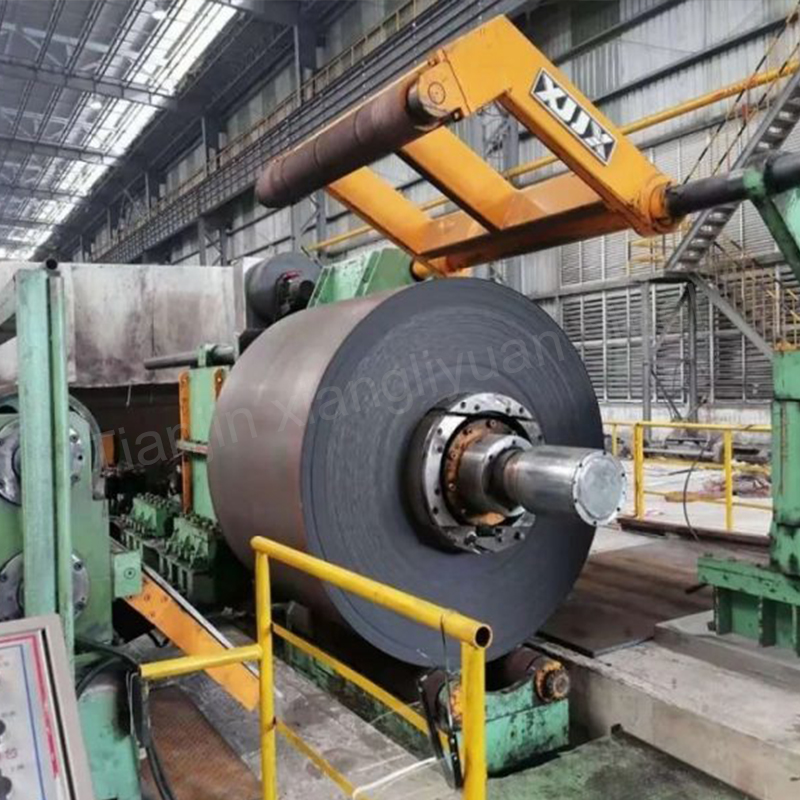
In the global steel procurement landscape, understanding the fundamental differences between hot rolled steel plate and cold rolled steel coil is essential for making informed sourcing decisions. Whether you are procuring carbon steel coil, steel pipe, or structural steel for construction, automotive manufacturing, or industrial applications, the choice between
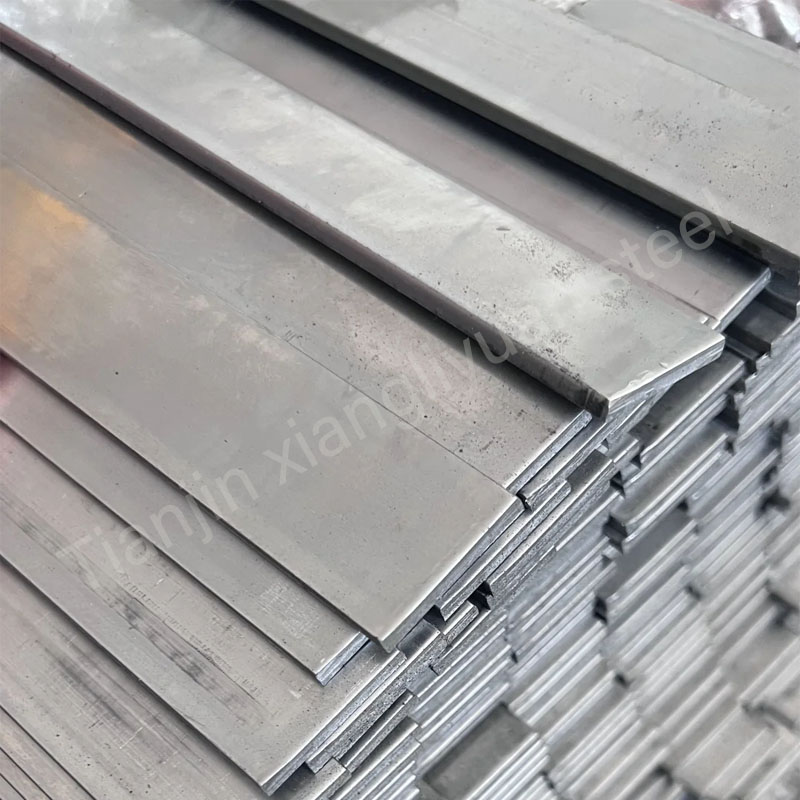
Hot rolled steel flat bars and square bars are fundamental semi-finished products serving as the backbone of countless engineering, construction, and manufacturing applications worldwide. From structural frameworks and machinery components to automotive parts and general fabrication, these products deliver the strength, versatility, and cost-effectiveness that
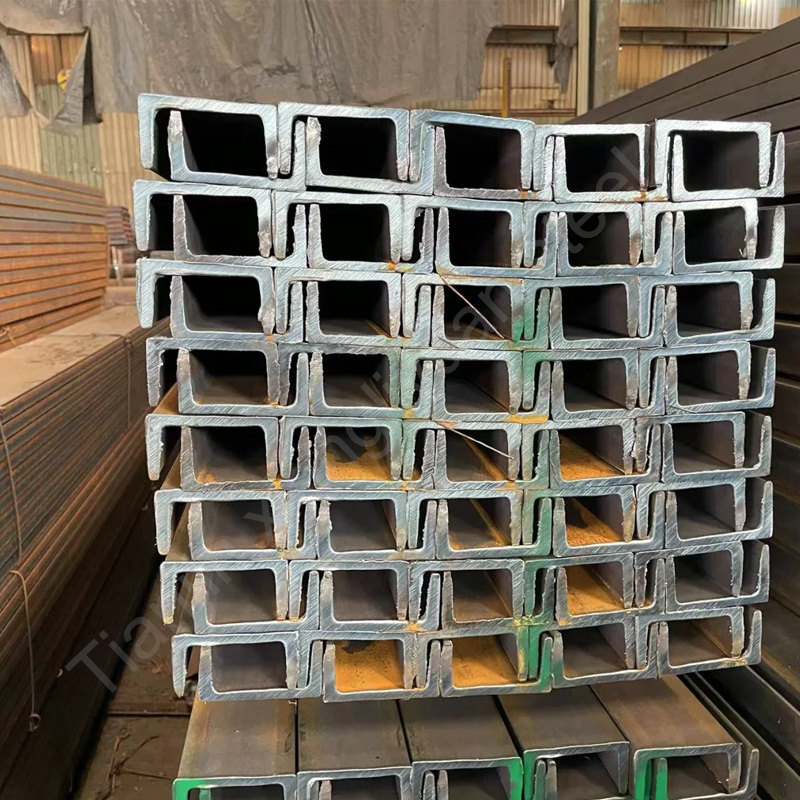
Steel channel sections are fundamental components in modern construction and engineering. Distinguished by their characteristic "U" or "C" shape, these hot-rolled structural steel products offer an exceptional strength-to-weight ratio, making them indispensable for frameworks, supports, and a wide array of load-bearing applications. This comprehensive guide
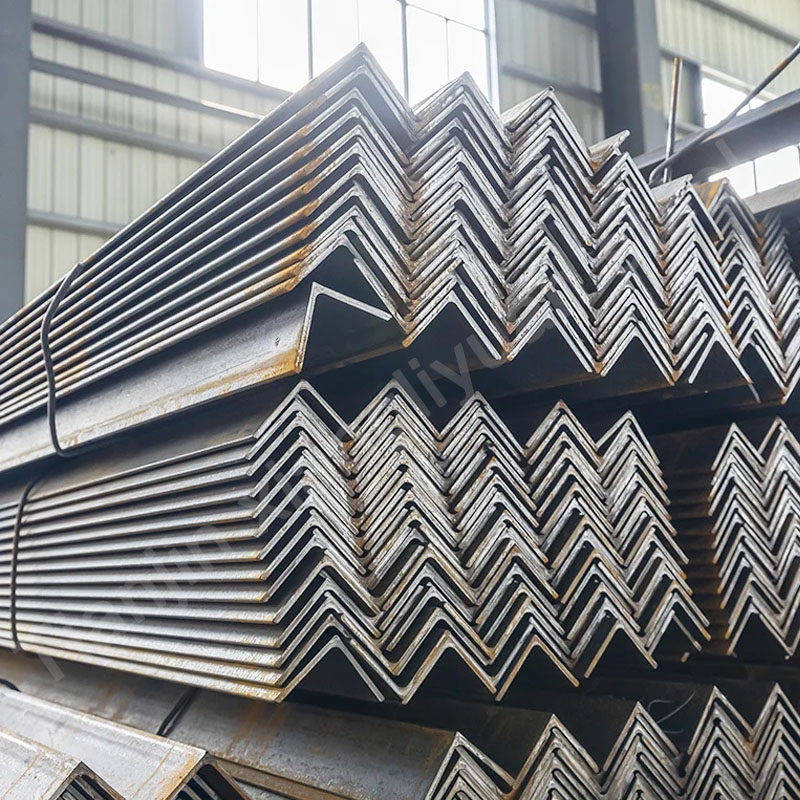
The Foundation of Modern Structural Engineering Steel angle bars, also known as L-shaped profiles or angle irons, represent one of the most versatile and essential structural steel products in modern construction and industrial fabrication. Their simple yet efficient L-shaped cross-section provides exceptional strength-to-weight ratio and
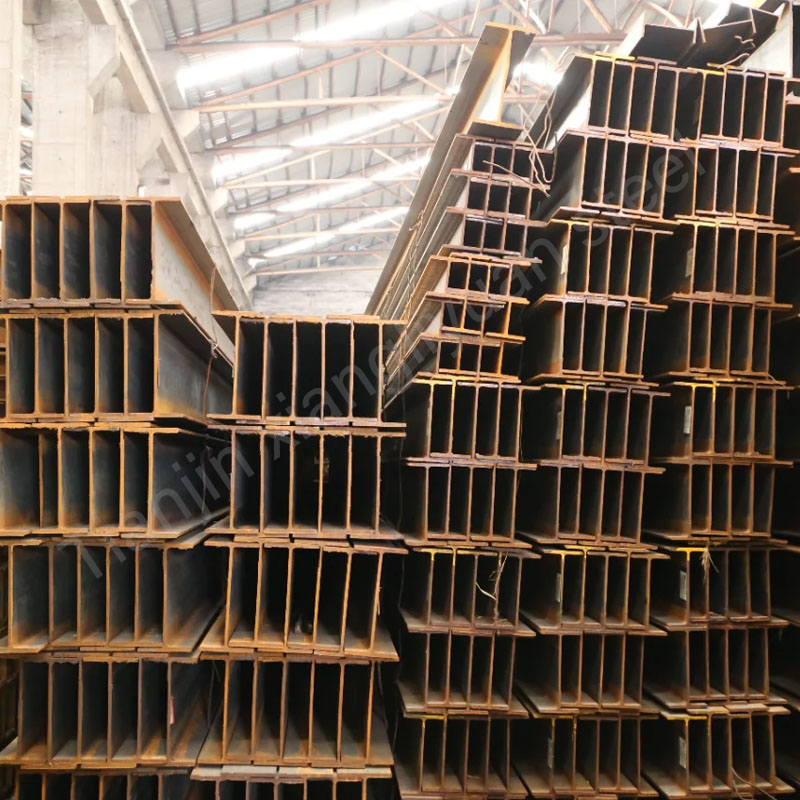
In the world of structural steel, few debates are as enduring—or as misunderstood—as the comparison between H-beam and I-beam sections. For engineers, procurement specialists, and construction professionals, this is not merely an academic exercise. The choice directly impacts project cost, structural integrity, fabrication complexity, and
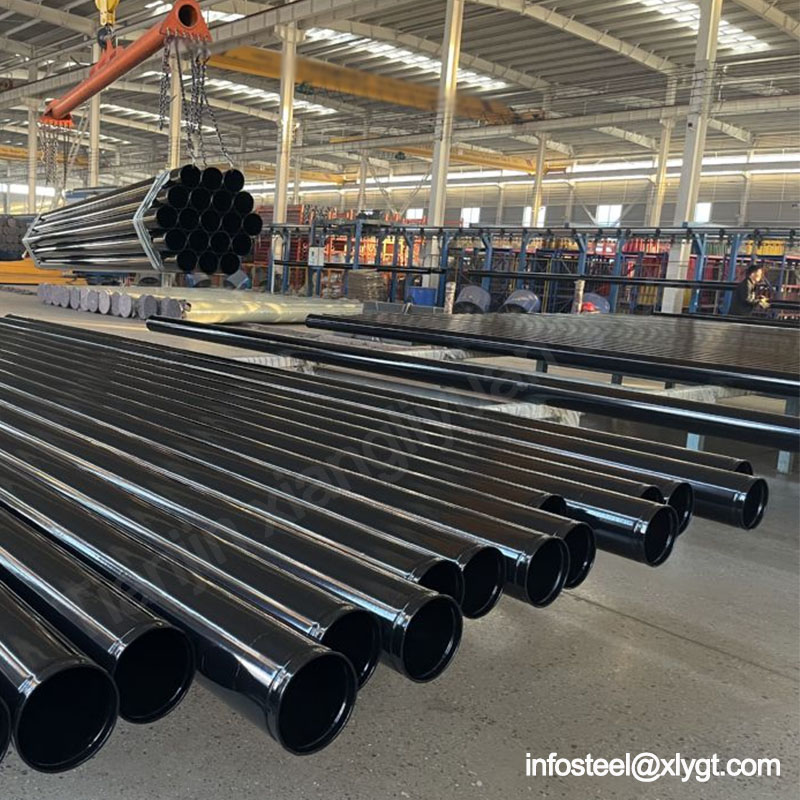
The Critical Role of Coated Steel Pipe in Chemical Processing In the chemical industry, pipeline integrity is non-negotiable. Corrosion—whether from concentrated acids, caustic alkalis, or aggressive solvents—remains the single greatest threat to operational safety, environmental compliance, and asset longevity. For engineers and procurement specialists, selecting
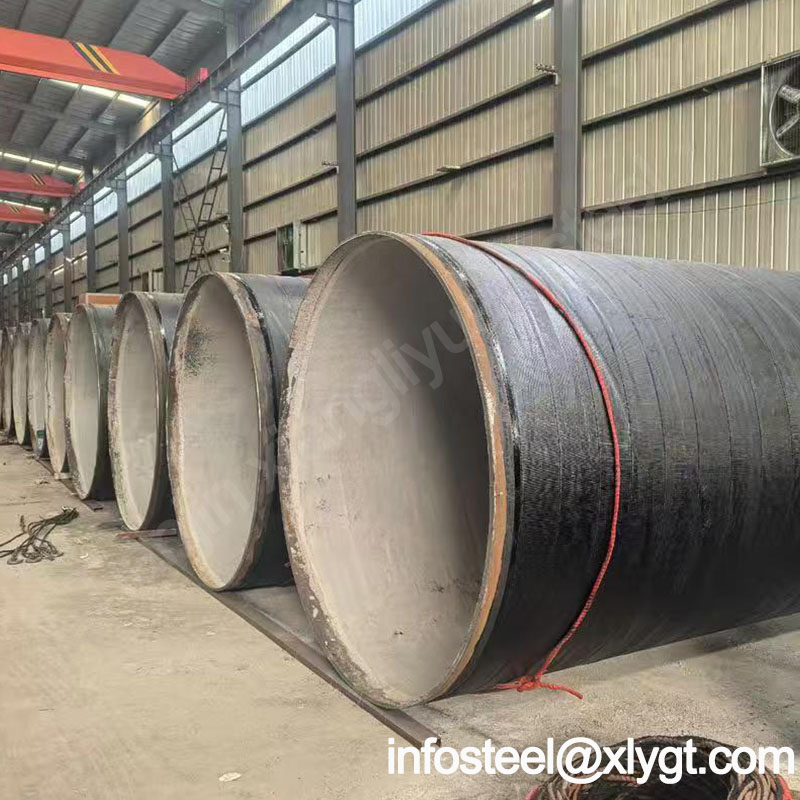
In the global water infrastructure sector, the protection of steel pipelines against internal corrosion remains a paramount engineering concern. For decades, cement mortar lining (CML) has been recognized as one of the most reliable and cost-effective methods for safeguarding steel pipes used in potable water
Concrete Weight Coated Steel Pipe for Submarine Pipeline: Buoyancy Control and Mechanical Protection
The Critical Role of CWC in Subsea Infrastructure Submarine pipelines represent some of the most demanding infrastructure investments in the oil and gas industry. Operating in harsh marine environments, these pipelines must withstand hydrodynamic forces, seabed instability, and mechanical impacts while maintaining structural integrity over
In the global pipeline industry, the selection of external anti-corrosion coatings is a critical engineering decision that directly impacts project lifecycle, maintenance costs, and operational safety. Among the most widely specified coating systems are Three-Layer Polyethylene (3LPE) and Three-Layer Polypropylene (3LPP). While they share a
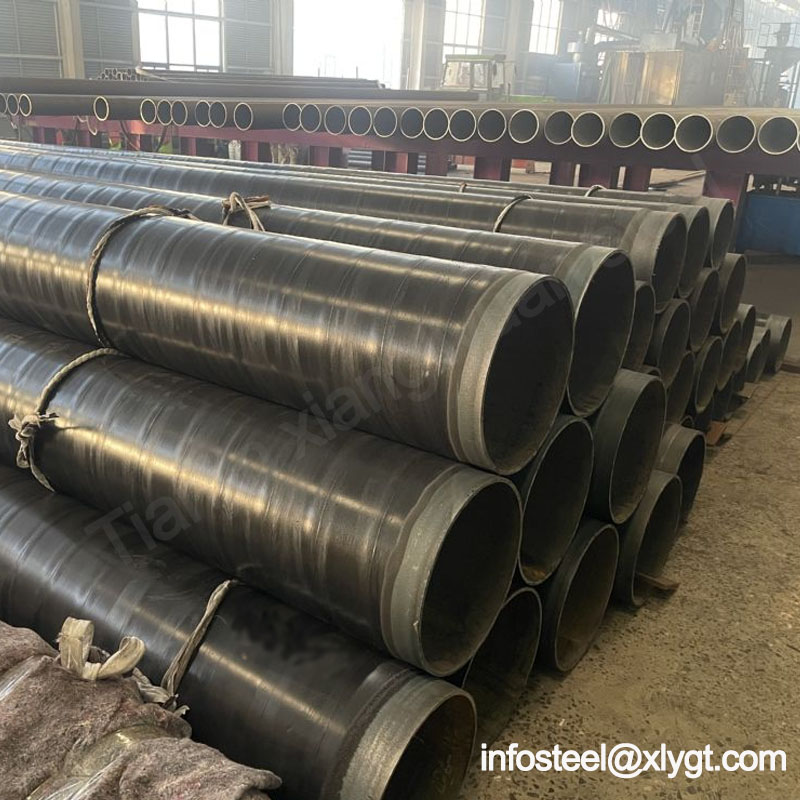
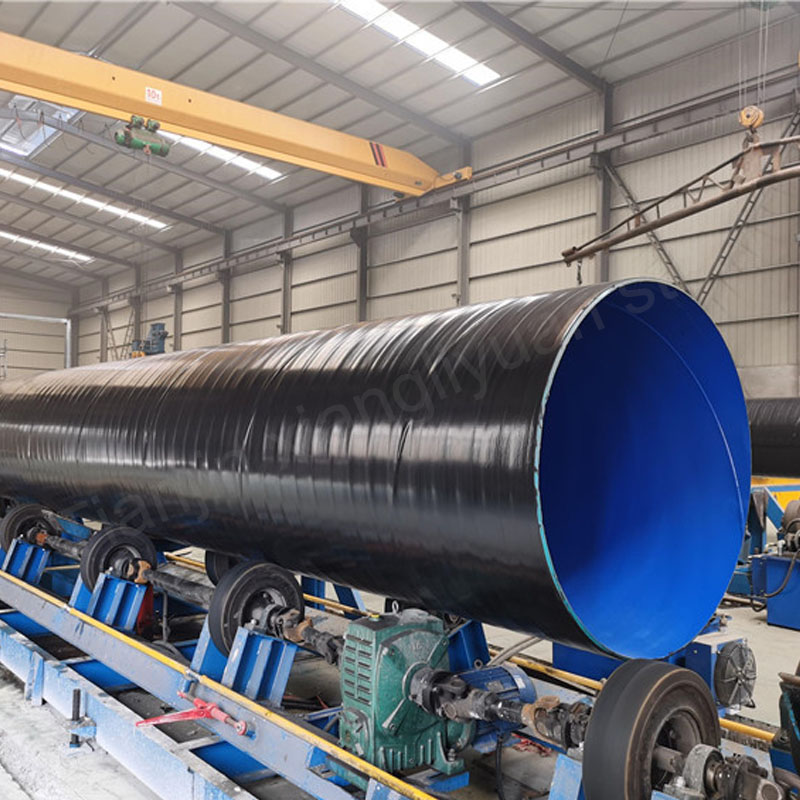
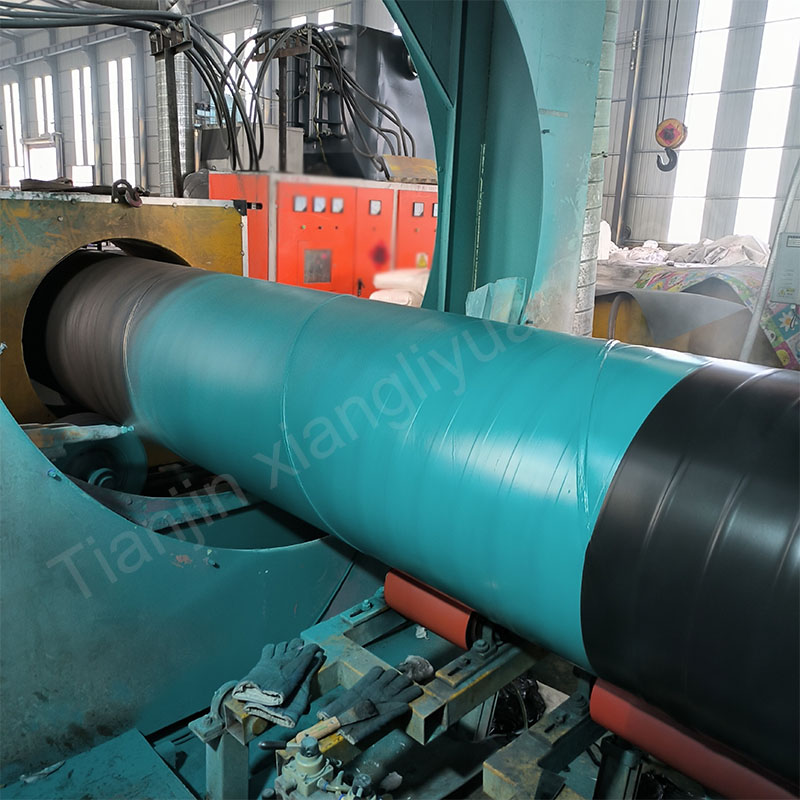
The Critical Role of 3PE Coating in Pipeline Integrity In the modern oil, gas, water transmission, and petrochemical industries, pipeline corrosion represents one of the most significant operational risks and capital expenditure drivers. According to industry data from NACE International (now AMPP), the global cost

Social Media
contact us today
our location
Company Address
2-1-601, Qingdayuan, southwest of the intersection of Shuangjiang Road and Longxing Road, Shuangjie Town, Beichen District, Tianjin
©COPYRIGHT 2012 - 2026 | seamless pipe | Galvanized Steel Pipe | Pipe fitting | Other steel pipes | Carbon steel coil/strip | Galvanized steel coil/strip | PPGI | Carbon steel sheet/plate | Galvanized steel sheet/plate | per-painted steel sheet/plate | steel bar/rod | Carbon steel wire | Galvanized steel wire | steel rail | Channel | Angle | H/I beam | Flat steel | Other profile steel | Advanced Small Grouting Catheter For Tunnel | Hollow Grouting Anchors | Rebar