
Steel Industry News
Understand product details/insight into industry trends
For steel, we are more professional

Socket-Type Plastic-Coated Steel Pipe Systems: 99.8% Sealing Rate and Field Installation Efficiency
In large-diameter water transmission, fire protection, and industrial fluid transport, the weakest point of any steel pipeline is rarely the pipe body itself. It is the joint. A welded joint demands skilled labor, time, and

Steel-Plastic Composite Water Supply Pipe: Internal Coating Thickness (0.3–0.5mm) and Pressure-Bearing Performance
In the specification of steel-plastic composite water supply pipes for municipal, industrial, and building services, two parameters frequently dominate the technical discussion between suppliers and EPC contractors: the internal coating thickness and the pressure-bearing performance.
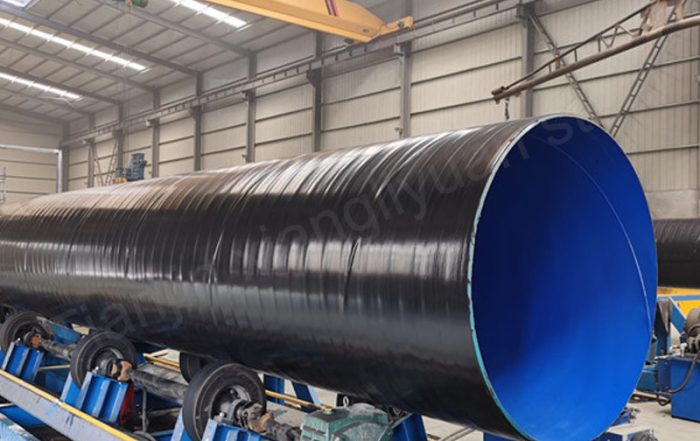
Pipeline Coating Selection Framework: Temperature Limits, Soil Conditions, and Design Life for Buried Steel Pipe
Tianjin Xiangliyuan Steel | Technical Bulletin | External Corrosion Protection Series Selecting the correct external coating for a buried steel pipeline is not a matter of preference—it is an engineering decision governed by three non-negotiable
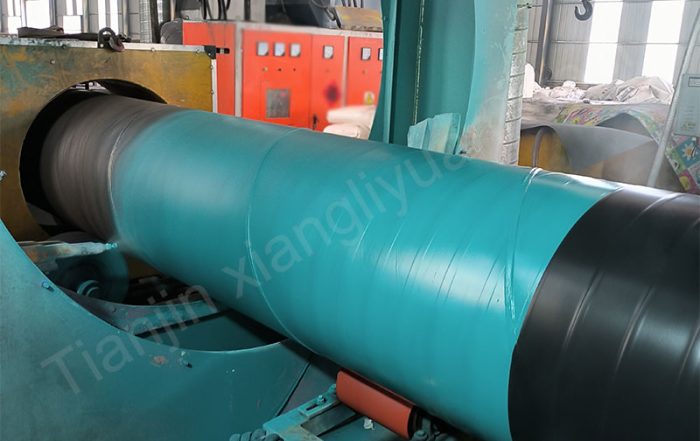
External Pipeline Coating Systems: 3PE, 3LPP, and FBE Selection Based on Operating Temperature and Soil Chemistry
Selecting the correct external coating for a buried steel pipeline is not a matter of convention or habit. It is a decision that must be justified by two governing variables: the maximum continuous operating temperature
Fire Protection Pipe Connection Standards: Roll-Grooving, Cut-Grooving, and Threaded End Specifications
In fire protection systems, pipe is not merely a conduit for water—it is a life-safety component whose integrity depends as much on its end connections as on the pipe body itself. A sprinkler system that
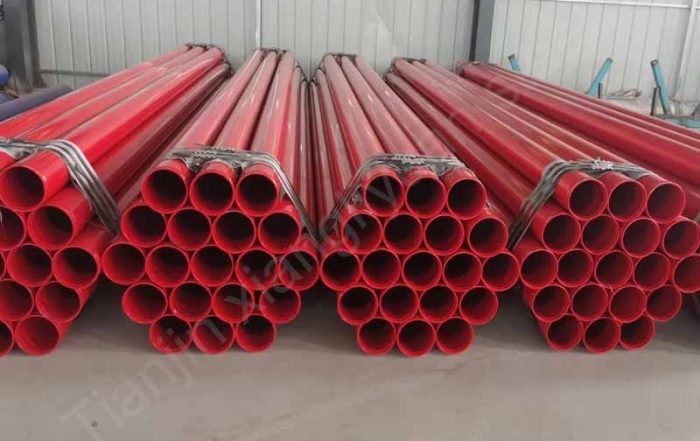
Fire Sprinkler Pipe Material Selection: ASTM A53, A135, and A795 Grade Comparison for Commercial Buildings
Why Pipe Specification Determines Fire Protection System Integrity Fire sprinkler systems represent one of the most critical life-safety installations in commercial buildings. While the visible components—sprinkler heads, valves, and control panels—receive considerable attention during design