construction articles
thought leaders in modern residential & commercial construction
do you have a construction project we can help with?
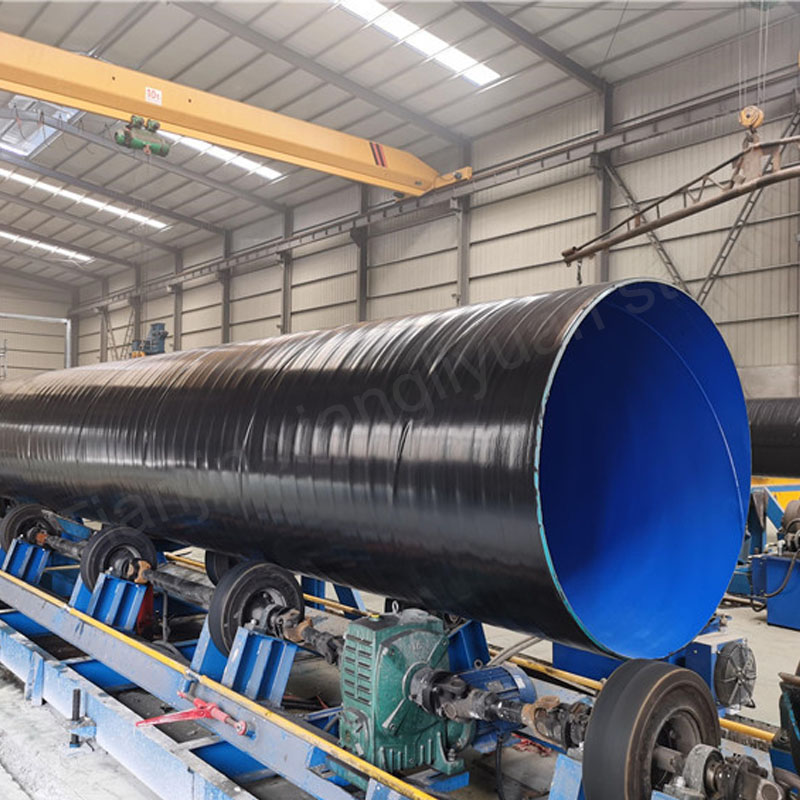
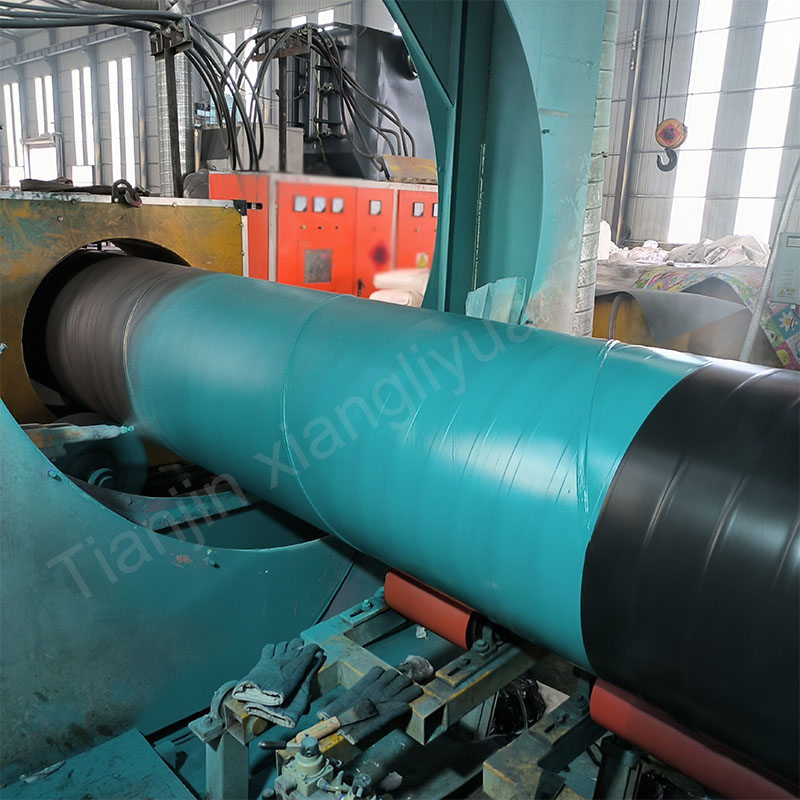
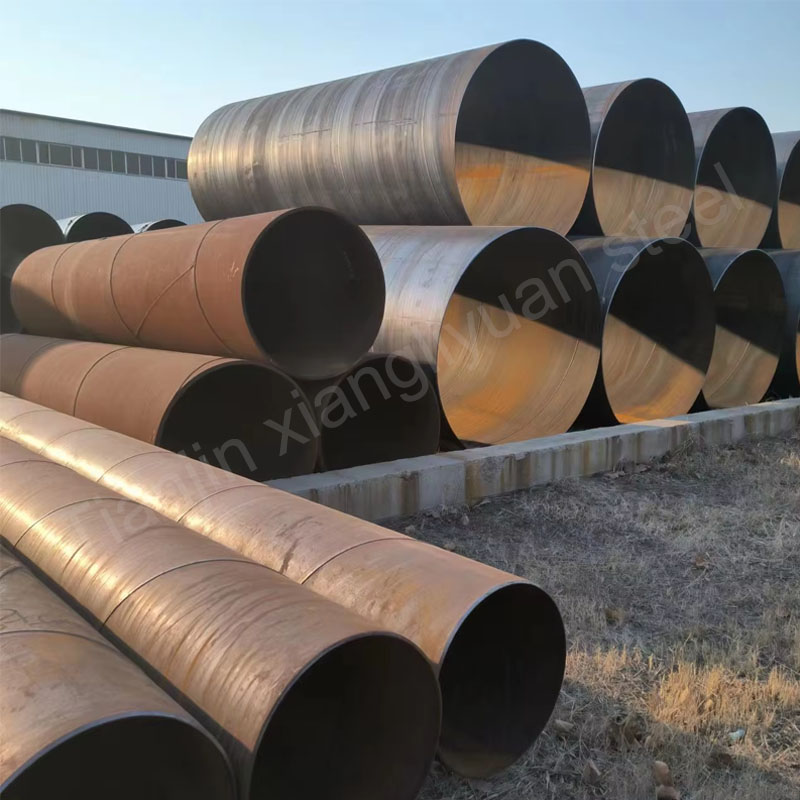
Tianjin Xiangliyuan Steel | Technical Bulletin | External Corrosion Protection Series Selecting the correct external coating for a buried steel pipeline is not a matter of preference—it is an engineering decision governed by three non-negotiable variables: the operating temperature envelope, the aggressivity of the soil environment, and the design life required by the asset owner.
Selecting the correct external coating for a buried steel pipeline is not a matter of convention or habit. It is a decision that must be justified by two governing variables: the maximum continuous operating temperature the pipeline will see, and the chemical and physical aggressiveness of the soil environment in which it will be buried.
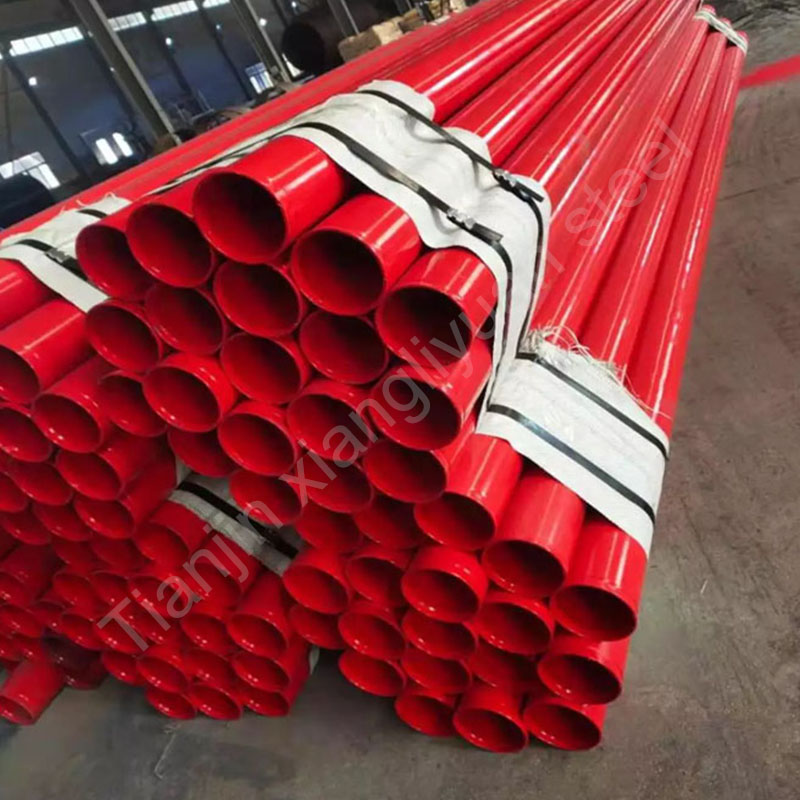
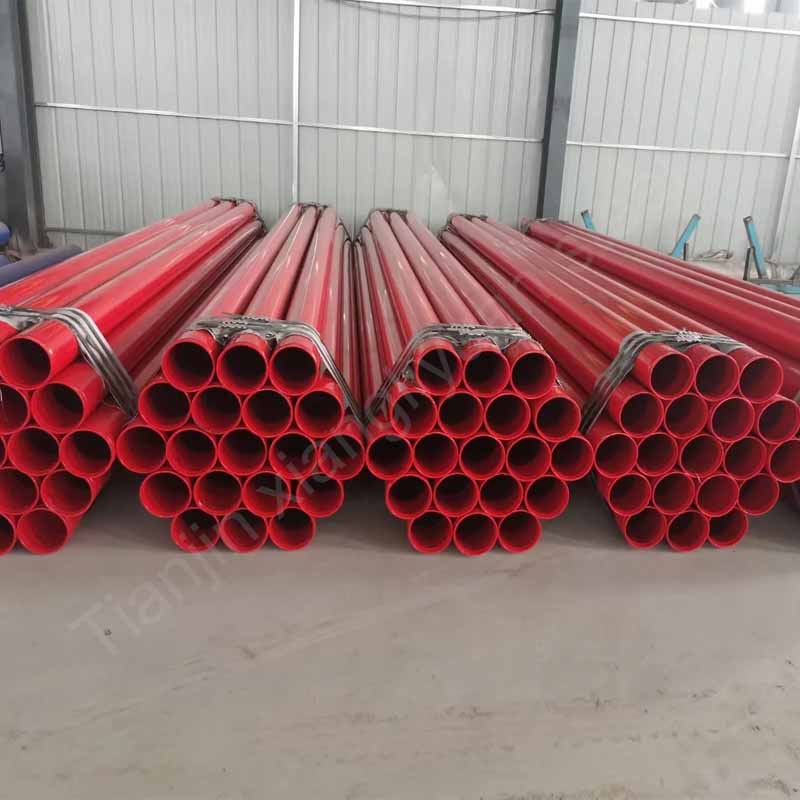
In fire protection systems, pipe is not merely a conduit for water—it is a life-safety component whose integrity depends as much on its end connections as on the pipe body itself. A sprinkler system that performs flawlessly in a hydrostatic test can still fail at a grooved joint or threaded fitting if the end preparation
Why Pipe Specification Determines Fire Protection System Integrity Fire sprinkler systems represent one of the most critical life-safety installations in commercial buildings. While the visible components—sprinkler heads, valves, and control panels—receive considerable attention during design reviews, the specification of the pipe that carries water throughout the system often determines whether the installation will perform reliably
Dimensional precision in large-diameter LSAW pipe manufacturing is not merely a quality specification—it is a fundamental determinant of pipeline integrity, installation efficiency, and long-term service reliability. For project engineers and procurement specialists sourcing line pipe for oil and gas transmission, water infrastructure, or structural applications, understanding how ovality, straightness, and wall thickness uniformity are controlled
Executive Summary China’s steel pipe industry has undergone a remarkable transformation over the past two decades, evolving from a net importer to the world‘s largest producer and exporter. Within this landscape, Electric Resistance Welded (ERW) steel pipe has emerged as the dominant product category, accounting for approximately 60% of China’s total non-seamless pipe output. For
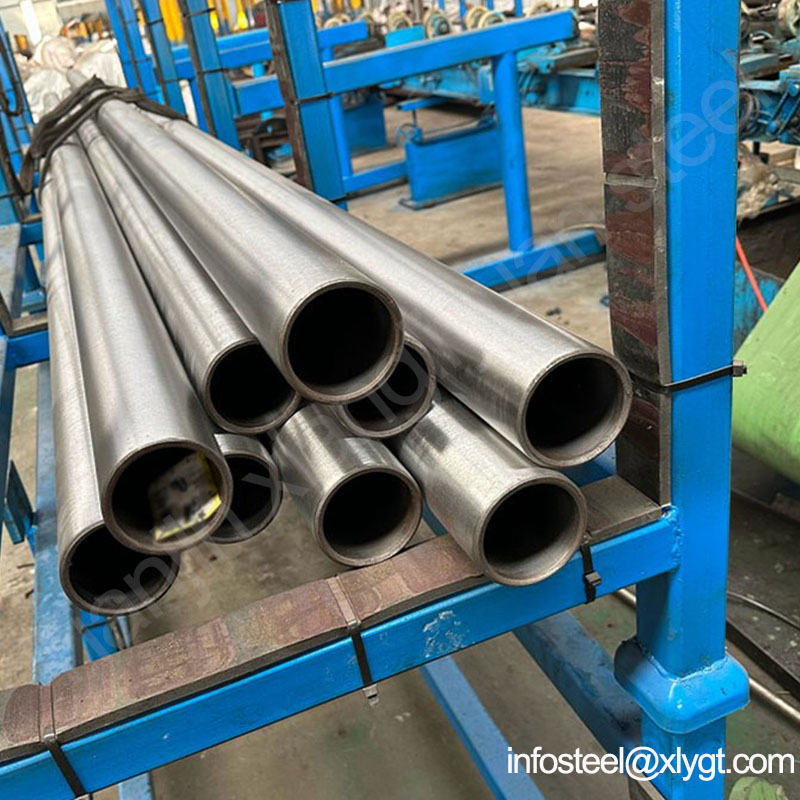
Why the Bore Surface Determines Hydraulic Performance In hydraulic cylinder design, the bore surface is not merely a geometric boundary—it is an active tribological interface. The interaction between the piston seal, wear rings, and the honed tube's internal surface governs friction, leakage, and service life. Among the specification parameters that engineers use to define this
How Tight-Tolerance Precision Steel Tubes Cut CNC Machining Waste by 35% in Manufacturing Operations
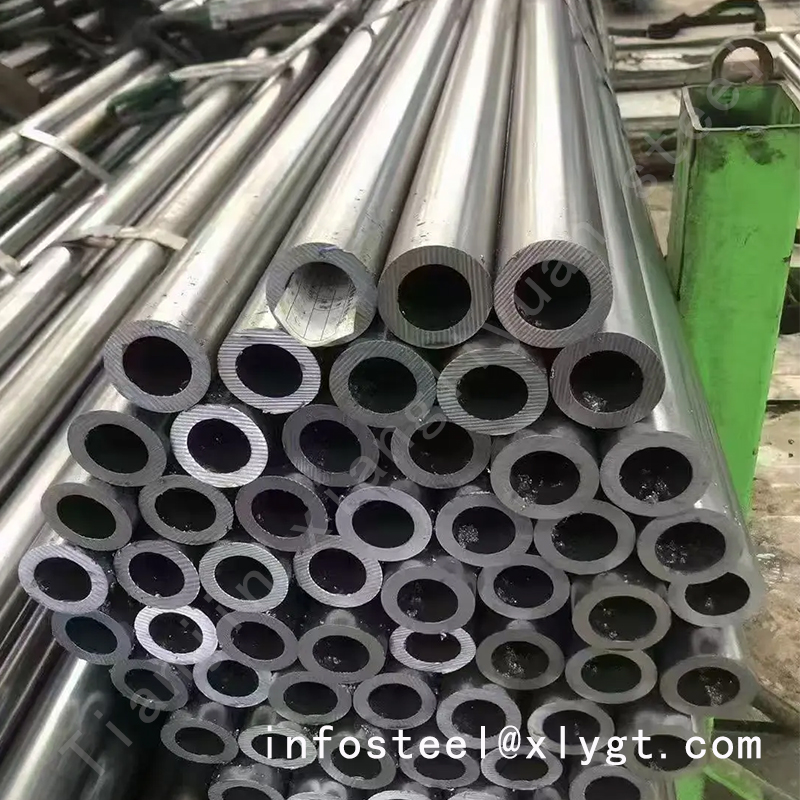
A Technical Analysis for Procurement Engineers and Manufacturing Decision-Makers Executive Summary In CNC machining operations, the choice of raw material stock directly determines machining time, tool wear, scrap rate, and ultimately the cost-per-part. For manufacturers producing hydraulic cylinders, automotive shafts, bearing housings, and precision mechanical components, the transition from solid bar stock to tight-tolerance precision
How China‘s 2026 Export License Management Is Reshaping Welded and Seamless Steel Pipe Supply Chains
A Policy Inflection Point On December 9, 2025, China’s Ministry of Commerce and the General Administration of Customs jointly issued Announcement No. 79, introducing export license management for a comprehensive range of steel products effective January 1, 2026 . This marks the first reinstatement of such controls in sixteen years, covering approximately 300 customs commodity
A New Era for Chinese Steel Pipe Exports Effective January 1, 2026, China has officially reinstated Export License Management for over 300 steel products, including a comprehensive range of seamless steel pipes, welded steel tubes, and steel pipe fittings. This landmark policy shift—the first of its kind in sixteen years—transforms the export of these materials