Why the Bore Surface Determines Hydraulic Performance In hydraulic cylinder design, the bore surface is not merely a geometric boundary—it is an active tribological interface. The interaction between the piston seal, wear rings, and the honed tube's internal surface governs friction, leakage, and service life.
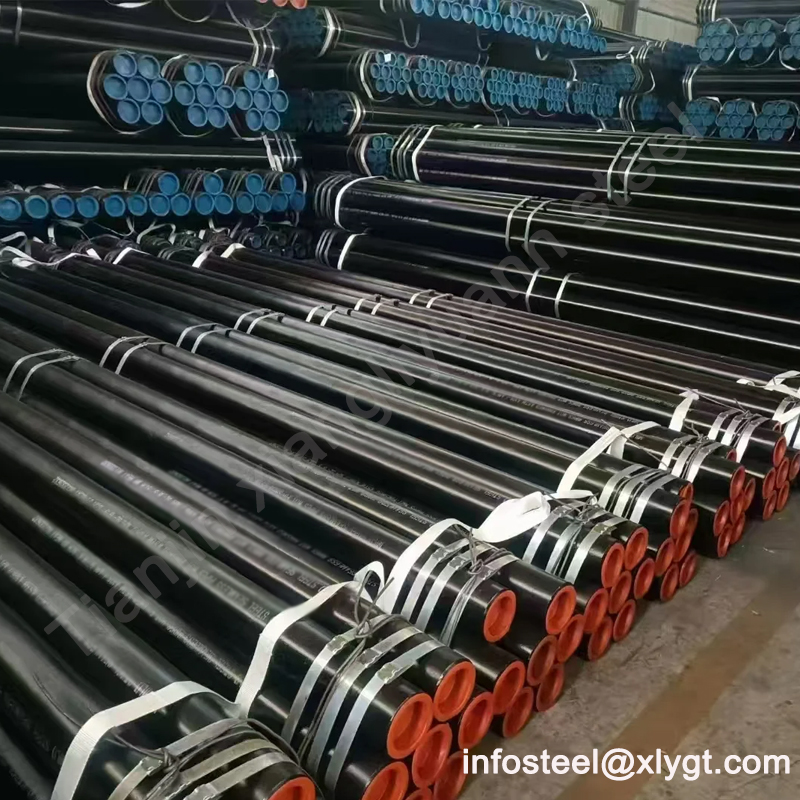
How Tight-Tolerance Precision Steel Tubes Cut CNC Machining Waste by 35% in Manufacturing Operations
A Technical Analysis for Procurement Engineers and Manufacturing Decision-Makers Executive Summary In CNC machining operations, the choice of raw material stock directly determines machining time, tool wear, scrap rate, and ultimately the cost-per-part. For manufacturers producing hydraulic cylinders, automotive shafts, bearing housings, and precision mechanical
The Critical Role of Coated Steel Pipe in Chemical Processing In the chemical industry, pipeline integrity is non-negotiable. Corrosion—whether from concentrated acids, caustic alkalis, or aggressive solvents—remains the single greatest threat to operational safety, environmental compliance, and asset longevity. For engineers and procurement specialists, selecting
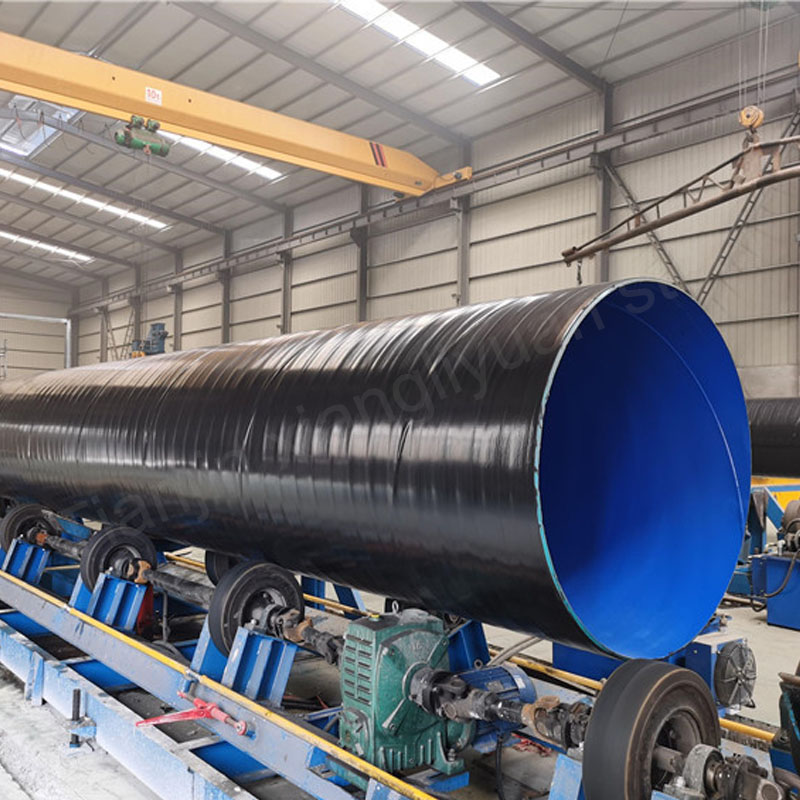
In the global water infrastructure sector, the protection of steel pipelines against internal corrosion remains a paramount engineering concern. For decades, cement mortar lining (CML) has been recognized as one of the most reliable and cost-effective methods for safeguarding steel pipes used in potable water
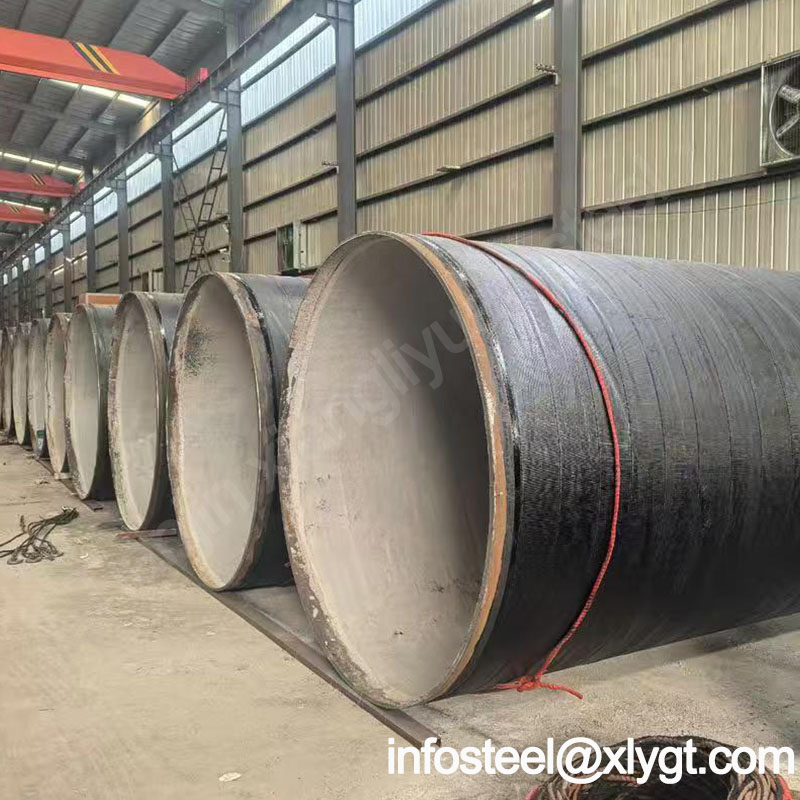
In the global pipeline industry, the integrity of plastic coated steel pipe—often referred to as plastic coated pipe, steel-plastic composite pipe, or coated steel pipe—is non-negotiable for project longevity and safety. Whether for water supply and drainage, fire protection systems, oil and gas transmission, or seawater desalination, the protective coating is the
The Critical Role of Coating Selection in Pipeline Integrity In the global oil, gas, water, and chemical industries, the selection of anti-corrosion coatings for steel pipes is a decision with profound implications for project longevity, operational safety, and total cost of ownership. For international buyers—whether
For fire protection systems, the mechanical properties and installation methodologies of steel pipe connections directly determine the operational efficacy of the entire infrastructure. ASME, ASTM, and NFPA standards mandate specific performance thresholds for piping systems, particularly under seismic or surge conditions. As a critical component,
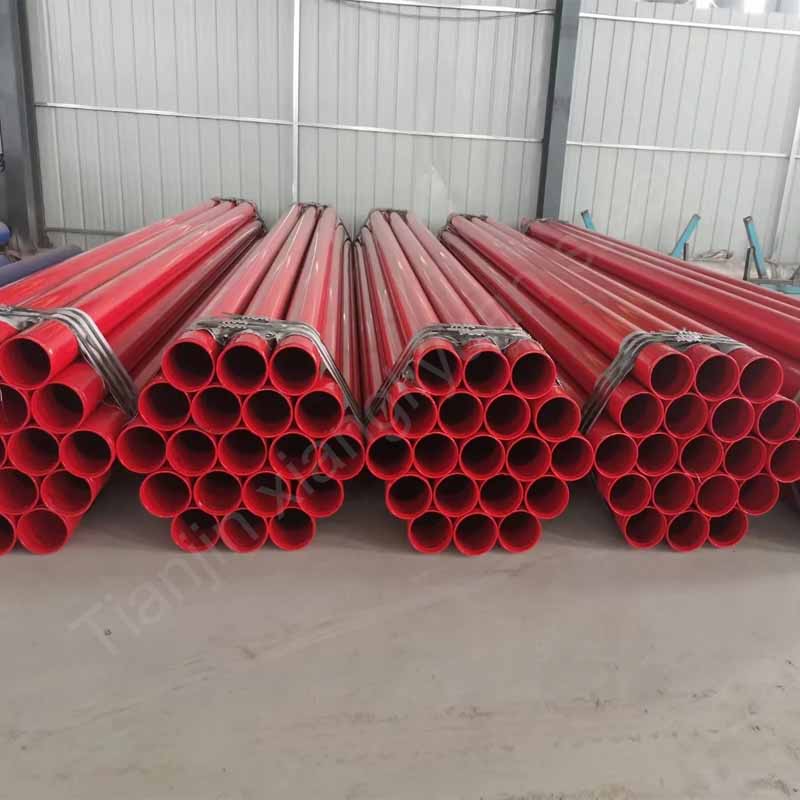
When specifying materials for fire protection systems, engineers and contractors face a critical decision: galvanized steel pipe or black steel pipe? Both materials are widely used in commercial, industrial, and residential fire sprinkler and standpipe systems, but each brings distinct advantages and limitations in terms
In the realm of fire protection systems, the integrity of the piping network is non-negotiable. When a fire event occurs, the sprinkler system must operate flawlessly—not merely to convey water, but to withstand fire conditions, maintain pressure integrity, and ensure reliable connections under extreme duress.
In the global steel pipe industry, weld seam quality is the cornerstone of product reliability and safety. Whether for oil and gas pipelines, structural applications, or high-pressure fluid transport, the integrity of a welded joint determines the service life and performance of the entire piping system. Non-destructive testing (NDT) plays

Social Media
contact us today
our location
Company Address
2-1-601, Qingdayuan, southwest of the intersection of Shuangjiang Road and Longxing Road, Shuangjie Town, Beichen District, Tianjin
©COPYRIGHT 2012 - 2026 | seamless pipe | Galvanized Steel Pipe | Pipe fitting | Other steel pipes | Carbon steel coil/strip | Galvanized steel coil/strip | PPGI | Carbon steel sheet/plate | Galvanized steel sheet/plate | per-painted steel sheet/plate | steel bar/rod | Carbon steel wire | Galvanized steel wire | steel rail | Channel | Angle | H/I beam | Flat steel | Other profile steel | Advanced Small Grouting Catheter For Tunnel | Hollow Grouting Anchors | Rebar