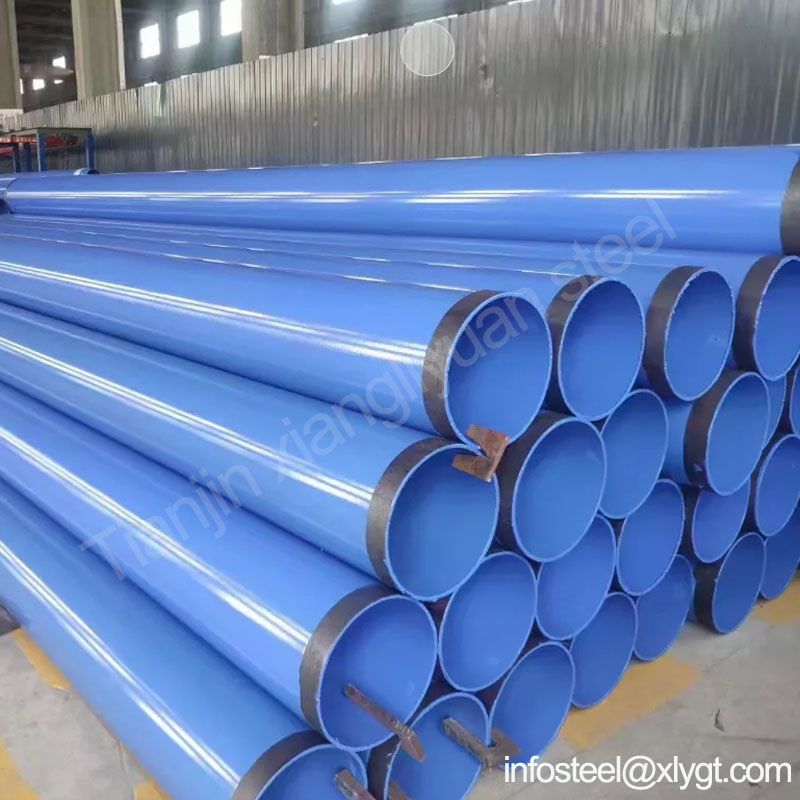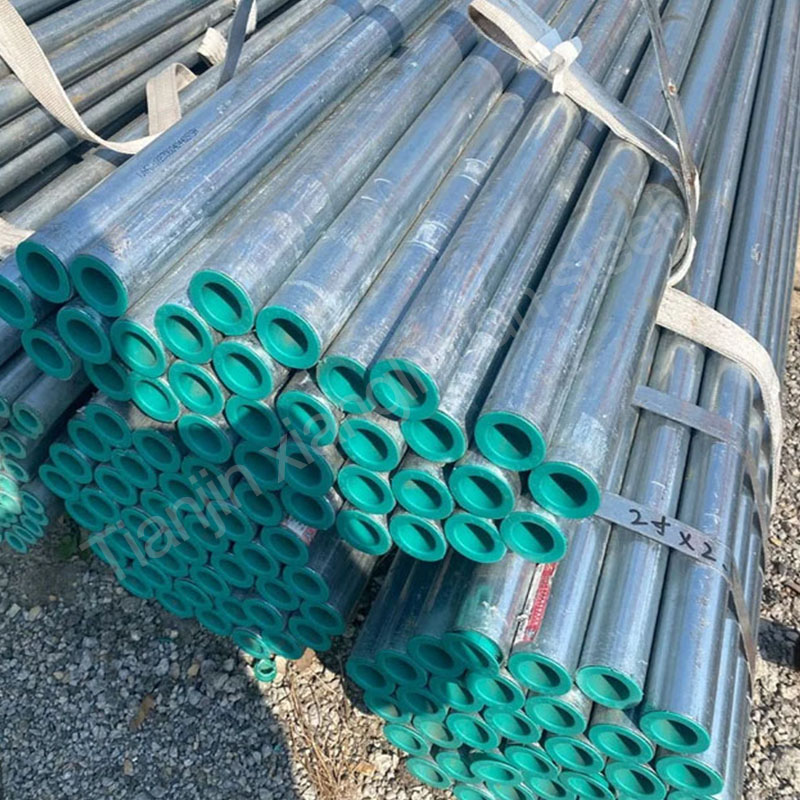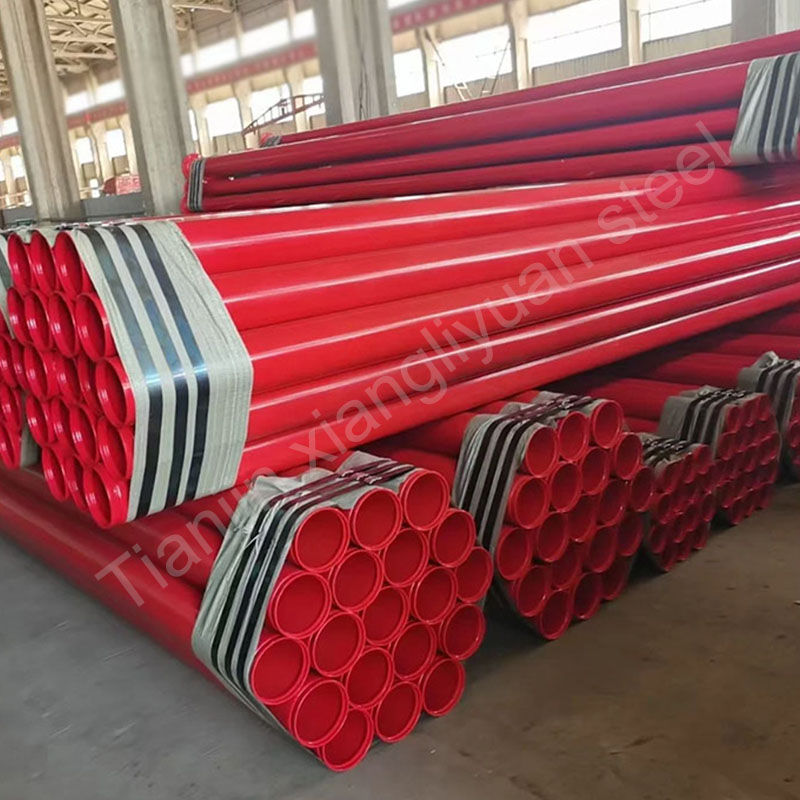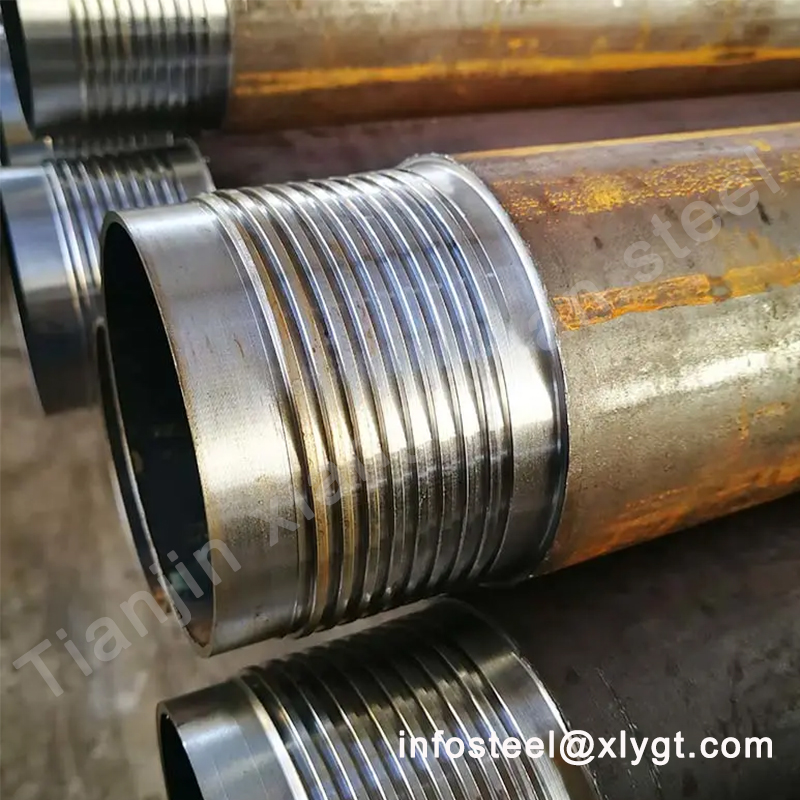
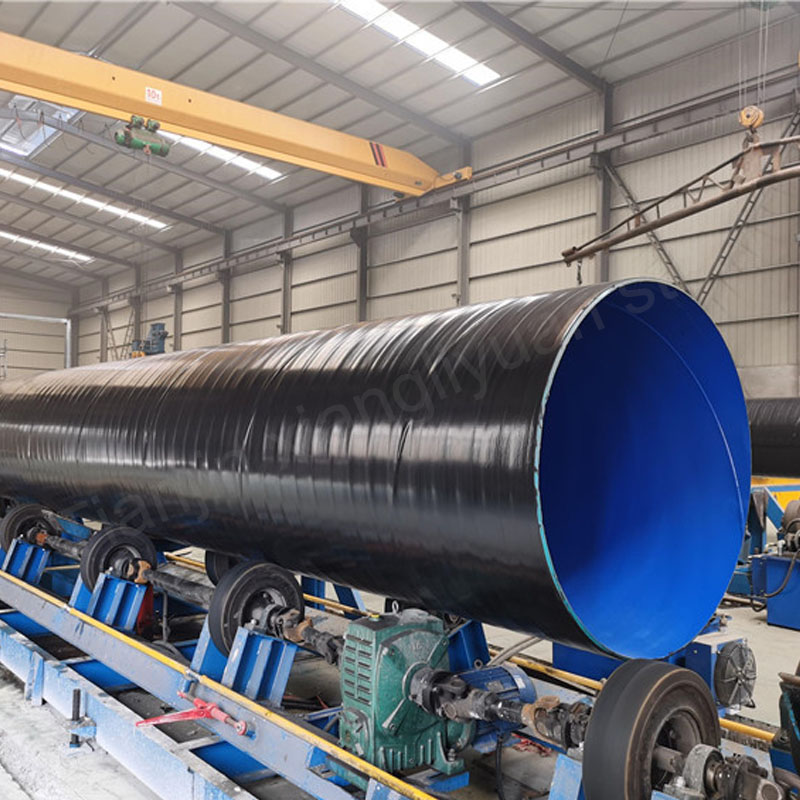
In the global pipeline industry, the selection of external anti-corrosion coatings is a critical engineering decision that directly impacts project lifecycle, maintenance costs, and operational safety. Among the most widely specified coating systems are Three-Layer Polyethylene (3LPE) and Three-Layer Polypropylene (3LPP). While they share a similar three-layer structure, their performance characteristics diverge significantly under demanding conditions.
This comprehensive comparison examines the technical distinctions between 3LPE and 3LPP coated steel pipes across temperature resistance, chemical resistance, and application environments. Drawing from industry standards and engineering practice, this guide assists project engineers, procurement specialists, and pipeline operators in making informed coating selections.
At Tianjin Xiangliyuan Steel, we specialize in manufacturing high-quality coated steel pipes that meet rigorous international specifications. With our strategic location in Tianjin—proximity to one of China’s busiest ports—we offer efficient global shipping solutions that reduce logistics costs and delivery lead times for our international clients. For technical inquiries or project consultations, reach us at infosteel@xlygt.com or visit our website: https://www.xlysteel.com/.
1. Coating Structure: The Shared Foundation
Both 3LPE and 3LPP coatings employ a three-layer system that combines the corrosion resistance of Fusion Bonded Epoxy (FBE) with the mechanical protection of a polyolefin topcoat.
Layer 1 – FBE Primer (80–250 μm): Applied directly to the blast-cleaned steel surface (Sa 2.5 grade), the FBE layer provides exceptional adhesion and serves as the primary chemical corrosion barrier. Its anti-cathodic disbondment properties are critical for pipelines utilizing cathodic protection systems.
Layer 2 – Copolymer Adhesive (170–400 μm): This intermediate layer chemically bonds the FBE primer to the outer polyolefin topcoat, ensuring structural integrity and preventing delamination under stress.
Layer 3 – Polyolefin Topcoat (1.5–4.0 mm): The outer layer provides mechanical protection against impacts, abrasion, and moisture ingress. The material choice—polyethylene (PE) for 3LPE or polypropylene (PP) for 3LPP—determines the coating system’s performance envelope.
Applicable Standards
| Coating Type | Key Standards |
|---|---|
| 3LPE | ISO 21809-1, DIN 30670, CSA Z245.21 |
| 3LPP | ISO 21809-1, DIN 30678, NACE RP0185 |
Compliance with these standards ensures that coated pipes meet globally recognized requirements for oil and gas transmission, water infrastructure, and offshore pipelines.
2. Temperature Resistance: The Decisive Differentiator
Temperature resistance is the most critical factor distinguishing 3LPP from 3LPE coated pipes. The polyolefin topcoat’s thermal stability directly dictates the pipeline’s maximum allowable operating temperature.
3LPE Temperature Range: -40°C to 80°C
3LPE coatings are rated for continuous service temperatures up to 80°C (with some specifications indicating 85°C). The polyethylene topcoat softens at elevated temperatures, which can compromise mechanical protection and adhesion integrity. For pipelines operating in moderate temperature conditions—such as standard natural gas transmission, water distribution, and ambient-temperature oil lines—3LPE provides reliable, cost-effective protection.
3LPP Temperature Range: -40°C to 140°C
3LPP coatings withstand continuous service temperatures up to 110°C–140°C depending on the specific polypropylene formulation. The polypropylene topcoat maintains its structural integrity and mechanical properties at significantly higher temperatures than polyethylene. This makes 3LPP the preferred choice for:
-
High-temperature crude oil transmission
-
Steam injection lines for enhanced oil recovery
-
Geothermal pipelines
-
Thermal oil and process fluid systems
-
Subsea flowlines carrying heated hydrocarbons
Engineering Consideration: Exceeding a coating’s temperature limit accelerates aging and risks premature failure. For pipelines where operating temperatures approach or exceed 80°C, 3LPP is not merely an upgrade—it is a necessity.
3. Chemical Resistance: Performance in Aggressive Environments
Chemical resistance is a second major consideration, particularly for pipelines exposed to saline soils, acidic environments, or industrial chemicals.
3LPE Chemical Resistance
3LPE provides good resistance to moisture, soil chemicals, and mild corrosive agents. The FBE primer offers the primary chemical barrier, while the polyethylene topcoat provides a robust moisture shield. However, polyethylene is susceptible to degradation by:
-
Strong oxidizers
-
Certain hydrocarbons at elevated temperatures
-
Prolonged UV exposure (leading to embrittlement)
3LPP Chemical Resistance
3LPP offers superior chemical resistance compared to 3LPE. Polypropylene demonstrates:
-
Enhanced resistance to acids, alkalis, and salts
-
Superior performance in high-salinity environments (e.g., coastal regions, sabkha soils)
-
Better resistance to organic solvents and hydrocarbons
-
Greater stability in chemically aggressive industrial settings
Practical Application: For pipelines traversing saline marshlands, aggressive industrial zones, or desert environments with high water tables and high salinity (such as the Arabian Desert’s sabkha areas), 3LPP provides a greater safety margin against chemical attack.
4. Mechanical Properties: Abrasion and Impact Resistance
The outer coating layer must protect the steel pipe during transportation, installation, and throughout its service life.
| Property | 3LPE | 3LPP |
|---|---|---|
| Abrasion Resistance | Good | Superior |
| Impact Resistance | Excellent | Superior |
| Flexibility | Higher | More Rigid |
| Indentation Resistance | Moderate | High |
3LPP’s polypropylene topcoat is inherently harder and more rigid than polyethylene, providing superior resistance to gouging, penetration, and abrasion. This makes 3LPP particularly suitable for:
-
Horizontal Directional Drilling (HDD) installations
-
Pipe jacking through rocky terrain
-
Subsea pipelines subject to dragging or impact
-
Offshore platform risers and jacket pile legs
3LPE’s greater flexibility offers advantages in applications requiring moderate bending or where thermal expansion is a concern. However, for installations with significant mechanical stress, 3LPP’s enhanced toughness often justifies its higher material cost.
5. Application Environments: Choosing the Right Coating
3LPE – The Industry Workhorse
Best Suited For:
-
Onshore buried oil and gas pipelines (ambient to moderate temperatures)
-
Water transmission and distribution systems
-
Municipal infrastructure projects
-
Natural gas gathering and transmission lines
-
Industrial cooling water systems
Why Choose 3LPE:
-
Cost-effective for standard temperature applications
-
Proven track record in millions of kilometers of pipeline service
-
Excellent moisture barrier properties
-
Adequate mechanical protection for most buried conditions
3LPP – The High-Performance Solution
Best Suited For:
-
High-temperature oil and gas pipelines (>80°C)
-
Subsea flowlines and deepwater applications
-
HDD and pipe jacking projects with high abrasion risk
-
Geothermal and thermal fluid systems
-
Offshore platforms and marine environments
-
Pipelines in aggressive chemical or saline soils
Why Choose 3LPP:
-
Superior temperature resistance
-
Enhanced chemical and UV resistance
-
Superior abrasion and impact resistance
-
Longer service life in demanding conditions
Cost Considerations
While 3LPP typically commands a higher initial cost—polypropylene raw materials and processing are more expensive—the lifecycle cost analysis often favors 3LPP in demanding applications. Consider these factors:
-
3LPE is more economical for standard applications
-
3LPP’s extended service life (30–50 years) reduces maintenance and replacement costs
-
Coating costs typically represent only 10–15% of total pipeline project costs
-
The penalty of coating failure far outweighs the initial coating cost differential
6. The Tianjin Xiangliyuan Steel Advantage
At Tianjin Xiangliyuan Steel, we combine technical expertise with operational excellence to deliver coated steel pipes that meet the most demanding project specifications. Our capabilities include:
Manufacturing Excellence: Our facilities produce high-quality base pipes—seamless, ERW, LSAW, and SSAW—in diameters up to 3000mm, ensuring compatibility with a wide range of project requirements.
Coating Application: We apply 3LPE and 3LPP coatings in strict accordance with ISO 21809-1, DIN 30670, and DIN 30678 standards. Our application process includes:
-
Abrasive blast cleaning to Sa 2.5 finish
-
Precise FBE application and curing
-
Controlled adhesive and polyolefin extrusion
-
Rigorous quality inspection and testing
Quality Assurance: Every batch undergoes comprehensive testing: chemical analysis, mechanical property verification, non-destructive testing (UT, hydrostatic), and coating adhesion and porosity inspections.
Logistical Advantage: Located in Tianjin, China—one of the world’s busiest ports—we offer efficient shipping solutions that reduce transit times and logistics costs for international clients.
Global Compliance: Our products meet API 5L, ASTM, and international standards, ensuring seamless integration into global infrastructure projects.
For project-specific technical support or procurement inquiries, contact our engineering team at infosteel@xlygt.com. Explore our product portfolio at https://www.xlysteel.com/.
The choice between 3LPE and 3LPP coated steel pipes is a technical decision driven by operating temperature, chemical exposure, and mechanical stress demands:
-
Choose 3LPE for cost-effective corrosion protection in standard temperature environments (up to 80°C) with moderate chemical and mechanical demands. It remains the global industry standard for most onshore oil, gas, and water pipelines.
-
Choose 3LPP for high-temperature applications (>80°C), aggressive chemical environments, and installations subject to high abrasion or impact. The higher initial investment is justified by superior performance and extended service life in demanding conditions.
Neither coating is universally “better”—the correct selection depends on project-specific conditions. By understanding the technical distinctions, engineers and procurement professionals can optimize both performance and cost outcomes for their pipeline projects.
Tianjin Xiangliyuan Steel stands ready to support your project with high-quality coated steel pipes, technical expertise, and reliable global delivery. Contact us today at infosteel@xlygt.com or visit https://www.xlysteel.com/ to discuss your requirements.
Tianjin Xiangliyuan Steel – Your Trusted Partner for High-Performance Coated Steel Pipes