
In the realm of industrial piping systems—whether for oil and gas, petrochemical, power generation, or high-pressure fluid transmission—the integrity of the entire network often depends on the weakest link. That link is frequently the pipe fittings. Selecting the wrong connection method or mismatching wall thicknesses can lead to catastrophic failure,
Navigating Global Flange Standards for Industrial Piping Systems In the world of carbon steel pipe fittings and industrial pipeline engineering, the connection is often the weakest link—or the strongest asset. For procurement managers and project engineers working on international infrastructure, the debate between ASME B16.5 vs. EN 1092-1 is not merely
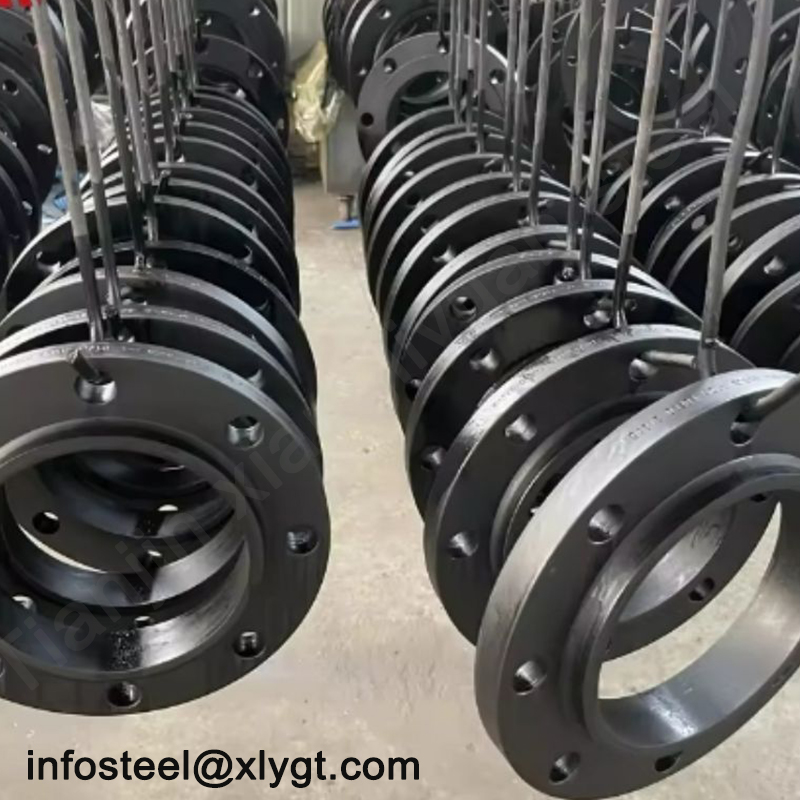
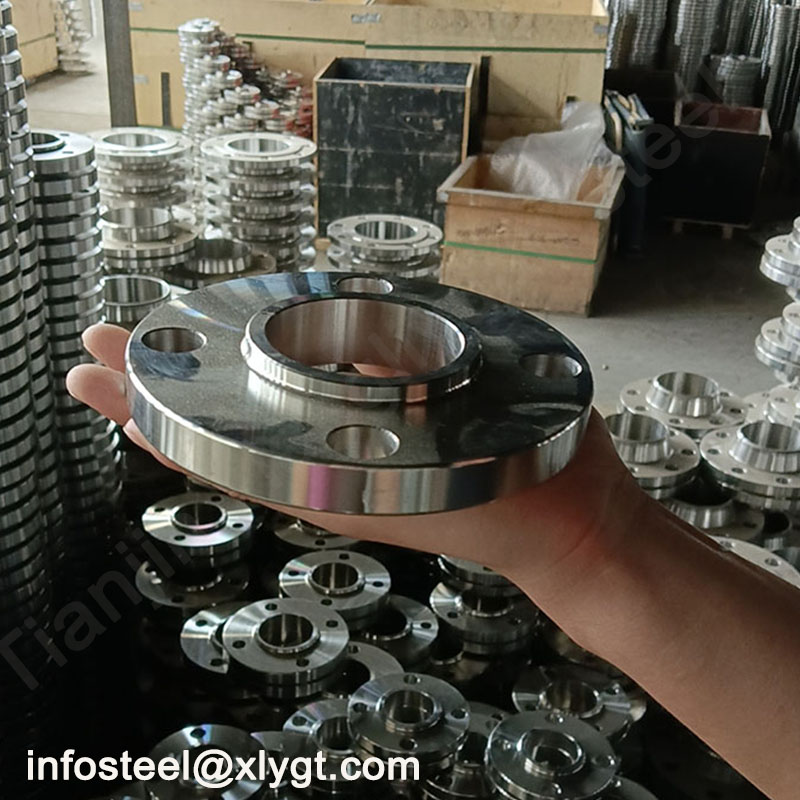
In the intricate network of industrial piping systems, flanges serve as the critical linchpins, enabling the secure, leak-proof, and modular connection of pipes, valves, pumps, and other essential equipment. More than just connectors, flanges are engineered components whose proper selection is paramount to ensuring system
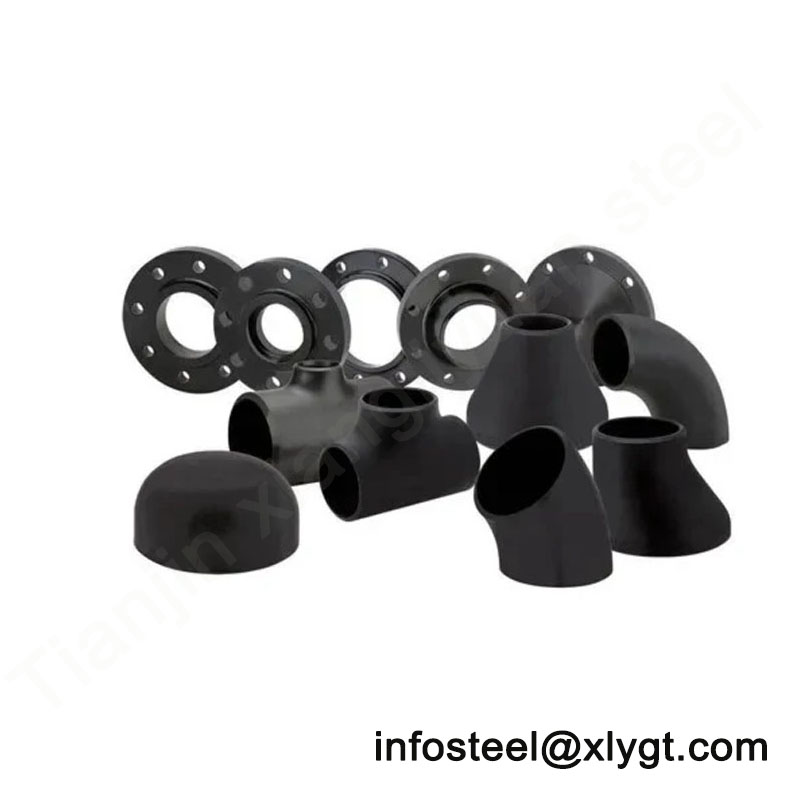
Introduction to Pipe Fittings in Industrial Systems When procuring steel pipes for any industrial, commercial, or construction application, selecting the appropriate pipe fittings is equally critical to ensuring system integrity, safety, and performance. Pipe fittings serve as the indispensable connectors, directors, and controllers within piping
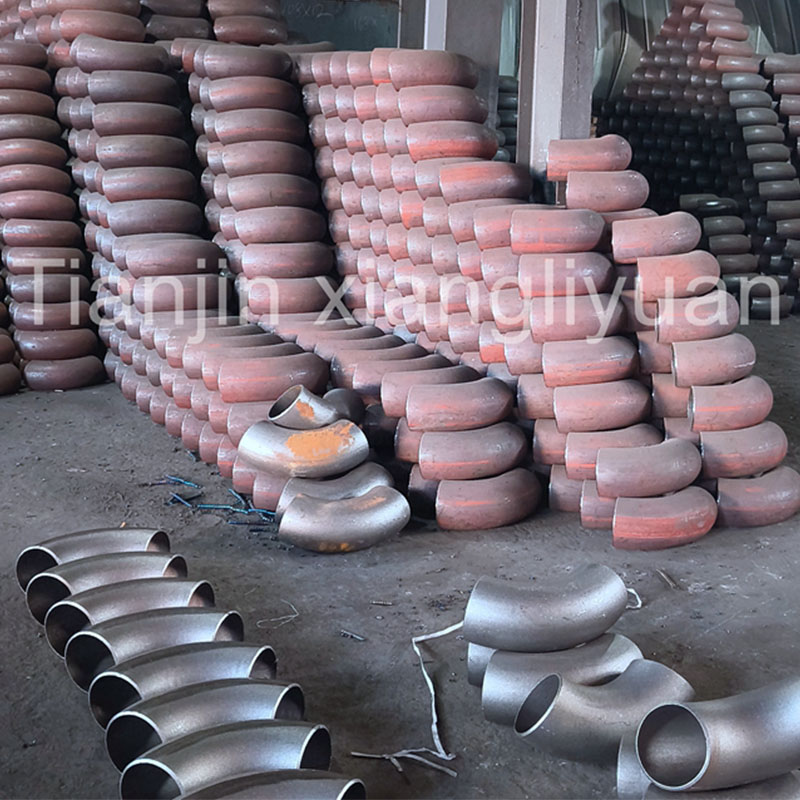
Carbon steel pipe elbows are connectors used to change the direction of pipeline fluids and are commonly found in pipeline systems in industries such as petroleum, natural gas, chemical, and electric power. Elbows are classified into three basic types: 45°, 90°, and 180°. Special angles
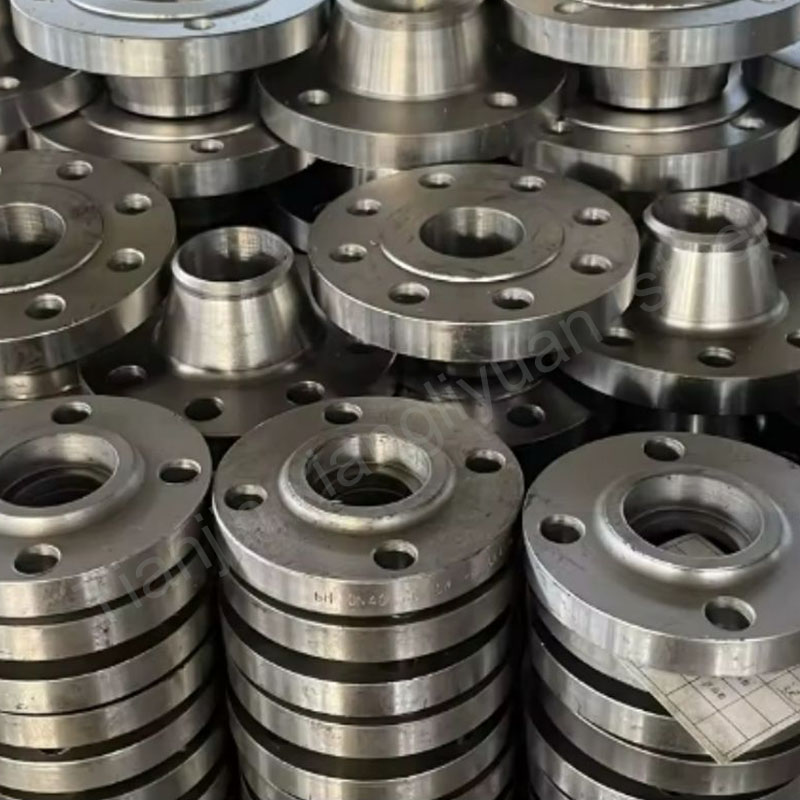
Flange is a pipe fitting part that connects shafts to each other and is used to connect pipe ends; there are also flanges used on equipment inlets and outlets, which are used to connect two devices, such as reducer flanges. Flange connection or flange joint

Social Media
contact us today
our location
Company Address
2-1-601, Qingdayuan, southwest of the intersection of Shuangjiang Road and Longxing Road, Shuangjie Town, Beichen District, Tianjin
©COPYRIGHT 2012 - 2026 | seamless pipe | Galvanized Steel Pipe | Pipe fitting | Other steel pipes | Carbon steel coil/strip | Galvanized steel coil/strip | PPGI | Carbon steel sheet/plate | Galvanized steel sheet/plate | per-painted steel sheet/plate | steel bar/rod | Carbon steel wire | Galvanized steel wire | steel rail | Channel | Angle | H/I beam | Flat steel | Other profile steel | Advanced Small Grouting Catheter For Tunnel | Hollow Grouting Anchors | Rebar