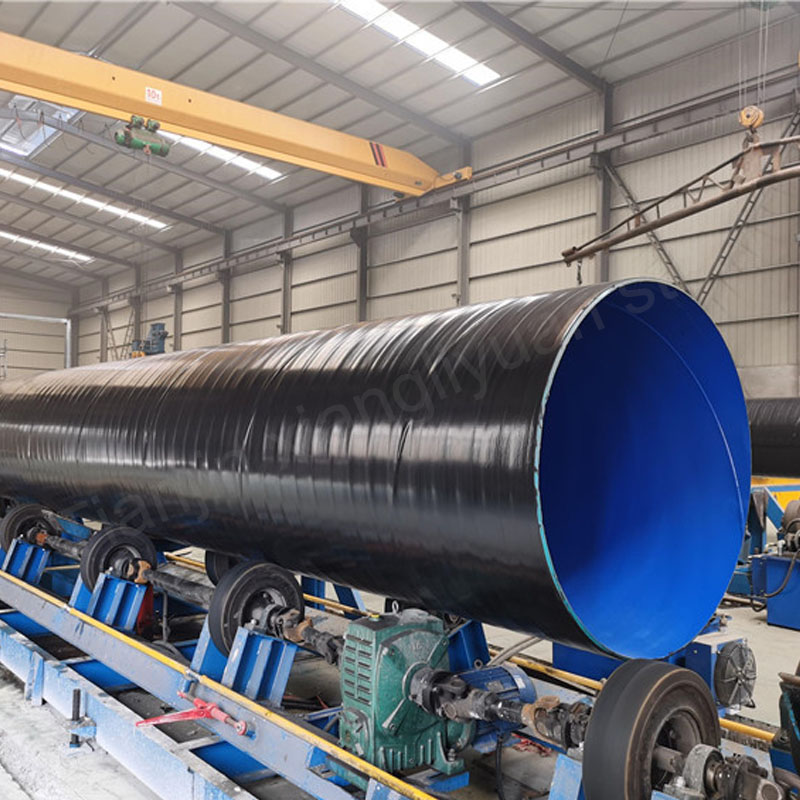
In the global pipeline industry, the selection of external anti-corrosion coatings is a critical engineering decision that directly impacts project lifecycle, maintenance costs, and operational safety. Among the most widely specified coating systems are Three-Layer Polyethylene (3LPE) and Three-Layer Polypropylene (3LPP). While they share a
In the global oil, gas, and water infrastructure sectors, pipeline integrity remains a paramount engineering challenge and a critical investment decision. Corrosion protection through advanced coating systems extends pipeline service life from 5–10 years to over 50 years, significantly reducing operational risks and total cost
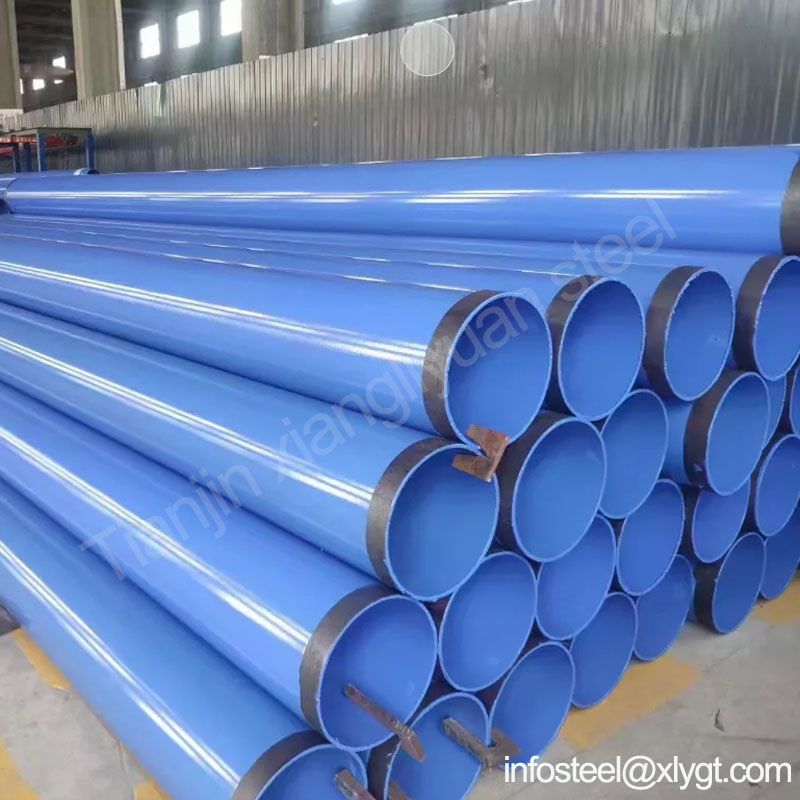
The Critical Role of Piping in Safe Water Delivery In modern water supply infrastructure, the choice of piping material directly impacts public health, system longevity, and operational efficiency. Among the available options, internal and external plastic coated steel pipe has emerged as a superior solution for potable
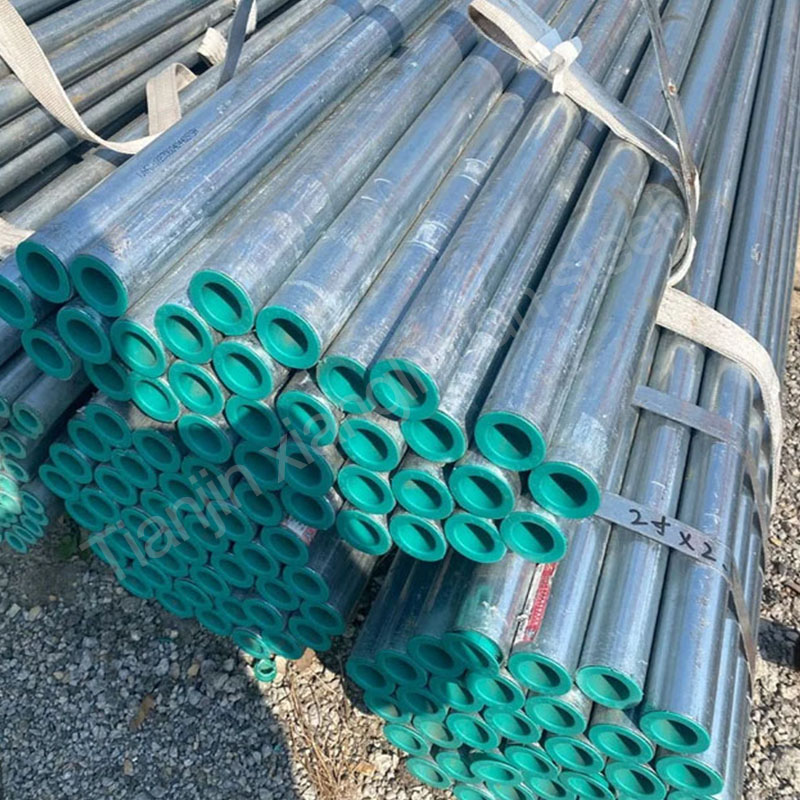
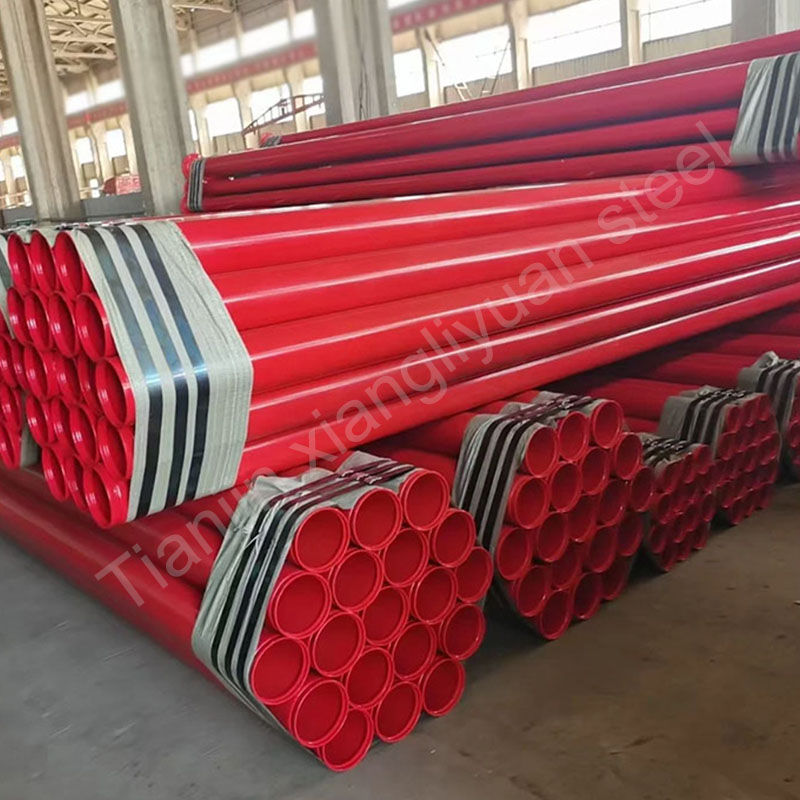
The global steel fire sprinkler pipe market is experiencing robust growth in 2026, driven by tightening fire safety regulations, rapid urbanization, and increasing awareness of life safety in both residential and commercial construction. Valued at US$322 million in 2025, the market is projected to reach
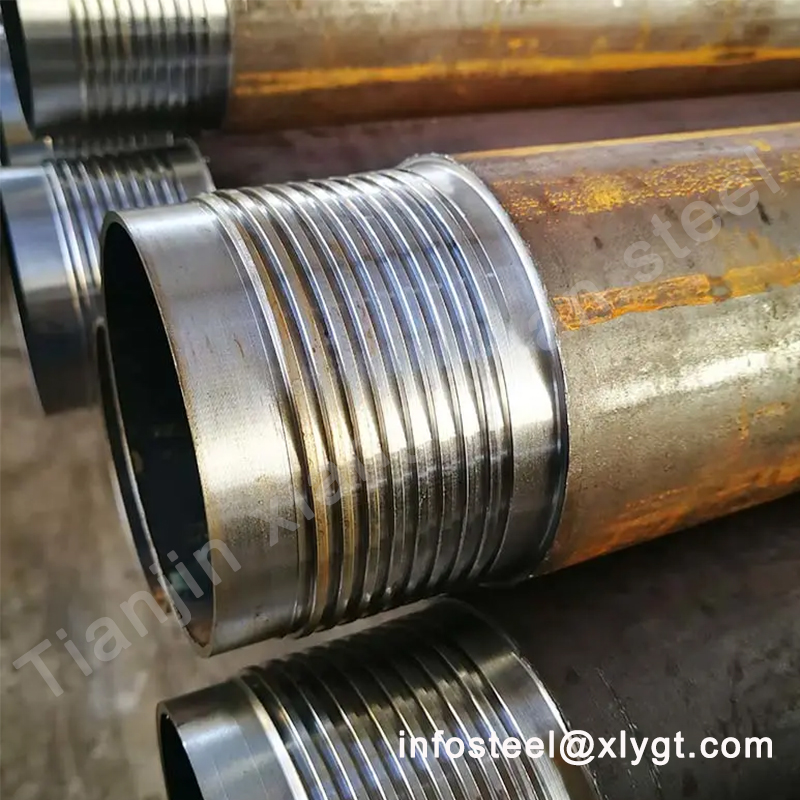
The Critical Role of Thread Precision in the Global Energy Supply Chain In the world of Oil Country Tubular Goods (OCTG), Line Pipe, and Casing and Tubing, the connection is the weakest link. A single failed thread due to improper thread taper, lead, or height can lead to catastrophic string failure, millions
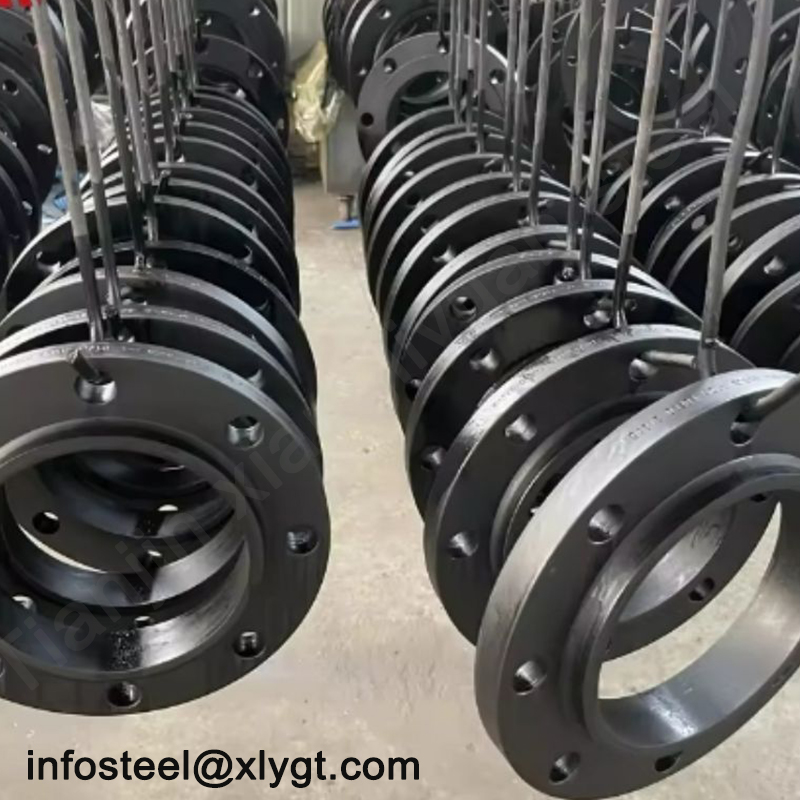
Navigating Global Flange Standards for Industrial Piping Systems In the world of carbon steel pipe fittings and industrial pipeline engineering, the connection is often the weakest link—or the strongest asset. For procurement managers and project engineers working on international infrastructure, the debate between ASME B16.5 vs. EN 1092-1 is not merely
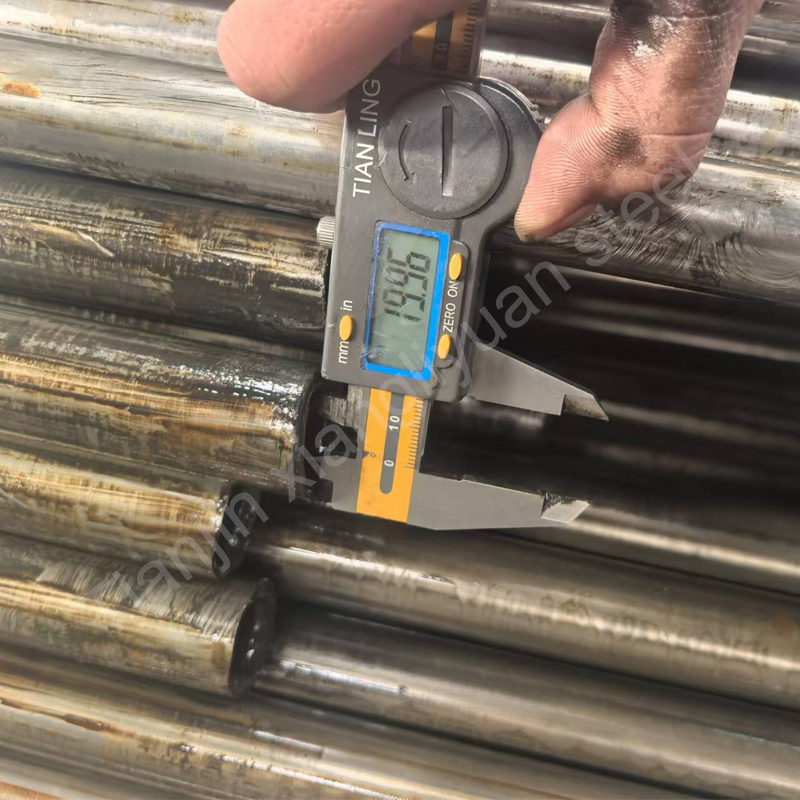
Precision Matters in Modern Steel Applications In the global supply chain for high-performance mechanical components, dimensional accuracy is not merely a specification—it is a guarantee of safety, efficiency, and assembly reliability. Engineers and procurement managers searching for precision steel tubes, hydraulic cylinder tubing, or automotive precision pipes often face a critical
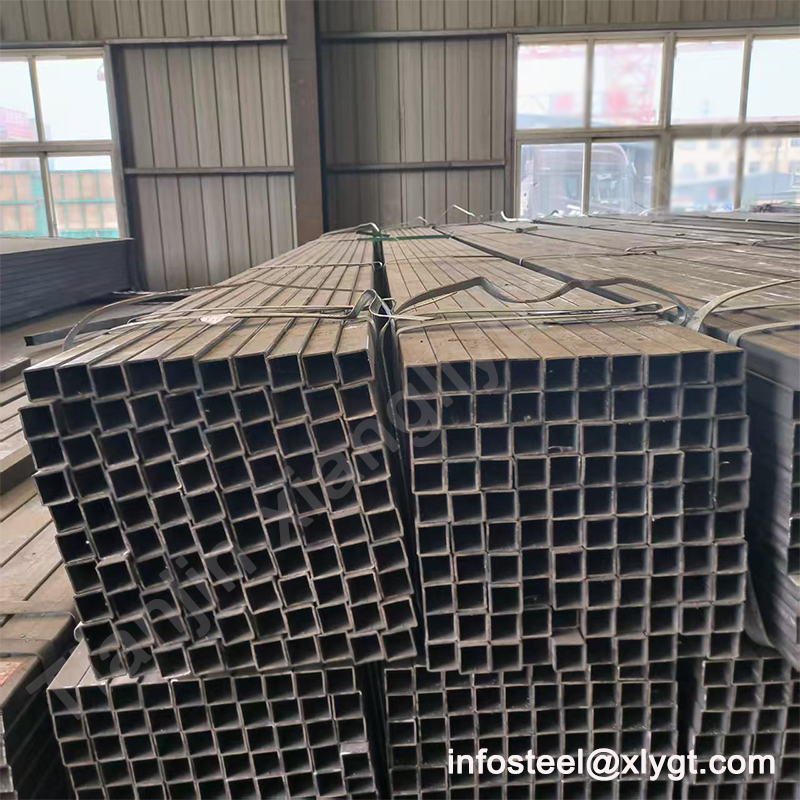
Navigating Global Standards for Hollow Sections In the world of structural steel construction, choosing the right material specification is not merely a matter of preference—it is a critical engineering decision that impacts safety, fabrication costs, and project approval. For procurement specialists and engineers sourcing Carbon Steel Structural
In the realm of mechanical applications, selecting the appropriate steel tubing is critical for ensuring structural integrity, machinability, and long-term reliability. ASTM A513 stands as the premier standard for electric-resistance welded (ERW) carbon and alloy steel mechanical tubing. However, within this specification lies a crucial engineering decision:
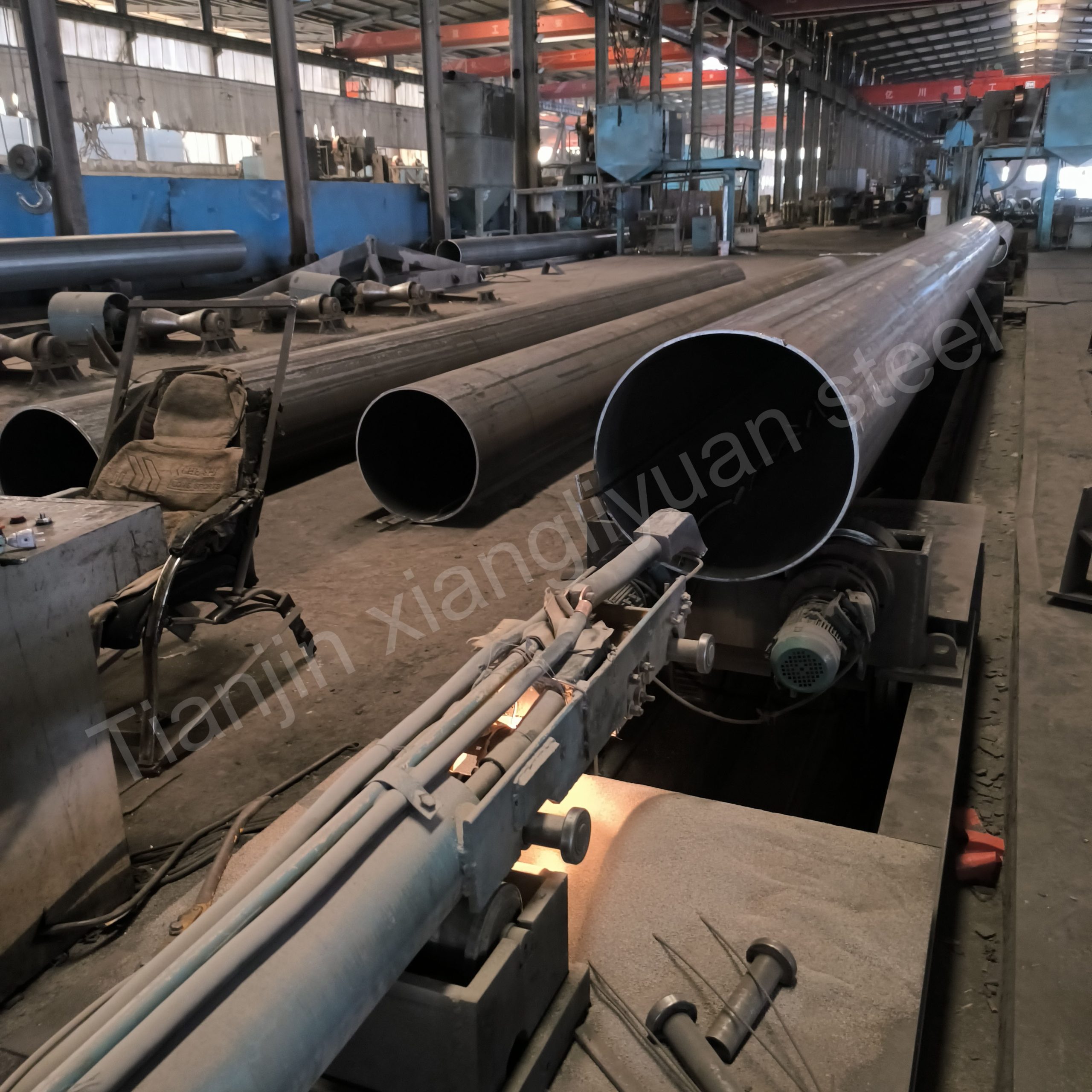
1. The Critical Role of Forming Technology in LSAW Pipes In the modern industrial landscape, the demand for Large Diameter Thick-Walled Steel Pipes is rising exponentially, driven by deep-water oil & gas extraction, offshore wind substructures, and high-pressure hydro-transport systems. Unlike ERW pipes, Longitudinal Submerged Arc Welded (LSAW) pipes

Social Media
contact us today
our location
Company Address
2-1-601, Qingdayuan, southwest of the intersection of Shuangjiang Road and Longxing Road, Shuangjie Town, Beichen District, Tianjin
©COPYRIGHT 2012 - 2026 | seamless pipe | Galvanized Steel Pipe | Pipe fitting | Other steel pipes | Carbon steel coil/strip | Galvanized steel coil/strip | PPGI | Carbon steel sheet/plate | Galvanized steel sheet/plate | per-painted steel sheet/plate | steel bar/rod | Carbon steel wire | Galvanized steel wire | steel rail | Channel | Angle | H/I beam | Flat steel | Other profile steel | Advanced Small Grouting Catheter For Tunnel | Hollow Grouting Anchors | Rebar