The Critical Role of Piping in Safe Water Delivery
In modern water supply infrastructure, the choice of piping material directly impacts public health, system longevity, and operational efficiency. Among the available options, internal and external plastic coated steel pipe has emerged as a superior solution for potable water transmission, combining the structural strength of steel with the corrosion resistance and hygienic properties of advanced polymer coatings. As global demand for safe drinking water infrastructure grows, understanding the certification requirements and hygiene standards governing these products becomes essential for engineers, procurement specialists, and infrastructure developers.
At Tianjin xiangliyuan steel, we have established ourselves as a trusted manufacturer of high-performance plastic coated steel pipes, leveraging our strategic location in Tianjin—one of China’s largest port cities—to ensure efficient global delivery. Our commitment to quality and compliance with international standards makes us a preferred partner for water supply projects worldwide. For inquiries, contact us at infosteel@xlygt.com or visit our website at https://www.xlysteel.com/ to explore our comprehensive product range.
Understanding Internal and External Plastic Coated Steel Pipe
What Is Plastic Coated Steel Pipe?
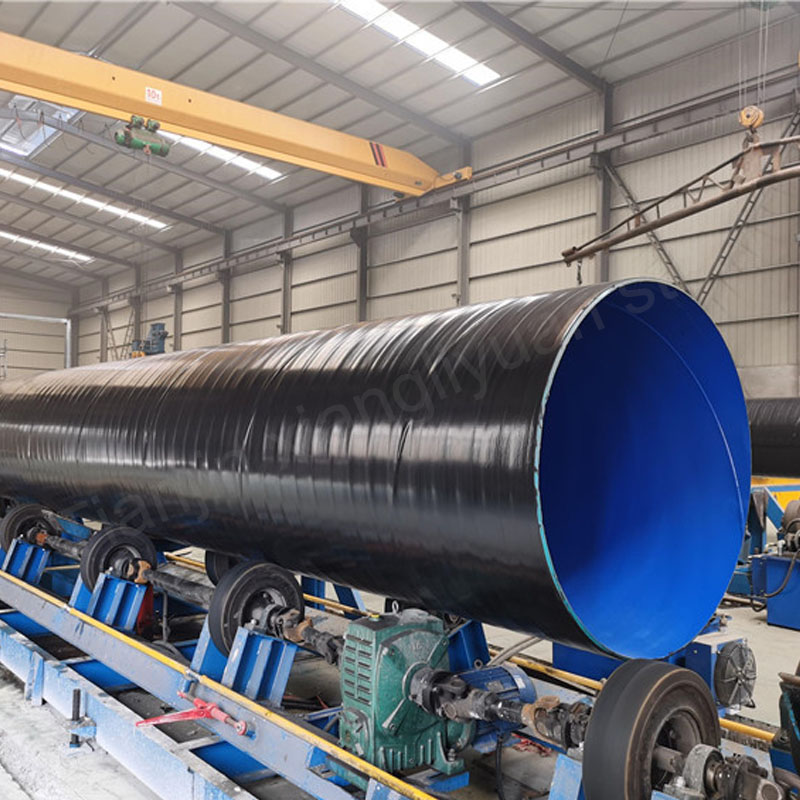
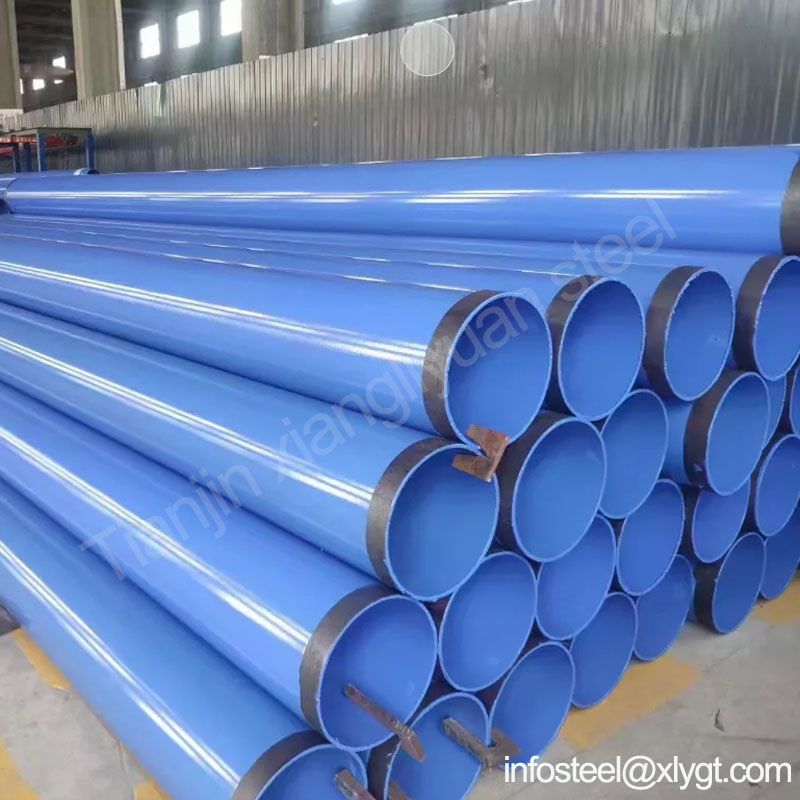
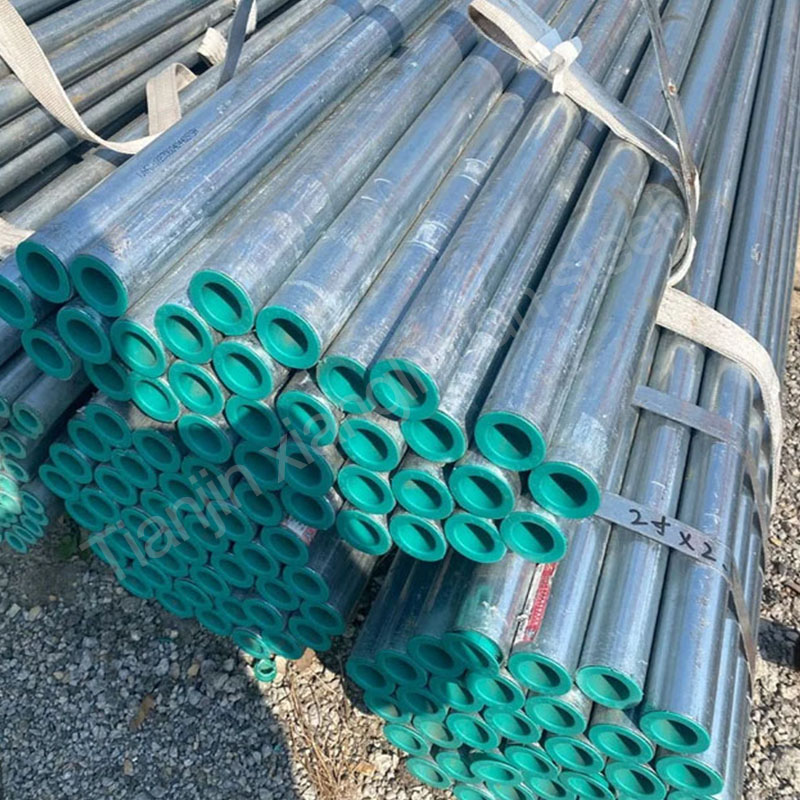
Plastic coated steel pipe, also known as steel-plastic composite pipe, is manufactured by applying a protective polymer layer—typically polyethylene (PE) or epoxy resin (EP) —to both the inner and outer surfaces of a steel base pipe. This dual-layer protection system addresses the limitations of traditional piping materials: steel offers superior mechanical strength and pressure resistance, while the plastic coating provides exceptional corrosion protection and maintains water quality by preventing metal ion leaching and bacterial growth .
Why Choose Internal and External Coating?
The application of coatings on both surfaces is particularly critical for water supply applications:
-
Internal coating safeguards drinking water quality by preventing rust formation, scaling, and microbial growth. It also reduces friction, improving flow efficiency by 20–30% compared to uncoated steel pipes .
-
External coating protects against soil corrosion, moisture, and chemical attack when pipes are buried or exposed to aggressive environments, extending service life to 50+ years .
Drinking Water Certification: Ensuring Safety and Compliance
Global Certification Standards
For plastic coated steel pipe used in potable water systems, compliance with recognized drinking water certification standards is non-negotiable. These certifications verify that materials in contact with drinking water will not leach harmful substances or compromise water quality. The most widely recognized standards include:
NSF/ANSI 61 (North America)
This is the benchmark standard for drinking water system components in the United States and Canada. NSF/ANSI 61 certification confirms that a product’s materials are safe for contact with drinking water and do not contribute contaminants above established limits. Products bearing this certification, such as those with polyethylene (PE) or epoxy resin (EP) coatings specifically formulated for potable use, have undergone rigorous extraction testing .
GB/T 17219 (China)
This is the mandatory Chinese standard for the sanitary performance of drinking water transportation and distribution equipment. For plastic coated steel pipe used in domestic water supply, the inner plastic layer must meet the requirements of GB/T 17219, which includes comprehensive testing for heavy metals, organic compound extraction, and microbial growth .
CJ/T 120-2016 (China Industry Standard)
This standard specifically governs plastic coated steel pipes for water supply, covering everything from coating adhesion and thickness to hygiene performance. It is the primary technical basis for manufacturing and quality control in China .
ASTM A795 and EN 10255
For projects in North America and Europe, compliance with ASTM A795 (for fire sprinkler systems) and EN 10255 (for water supply) is often required. These standards ensure that the base steel pipe meets dimensional and mechanical property specifications .
DVGW W 270 (Germany)
This German standard evaluates the microbiological suitability of materials in contact with drinking water, ensuring that the coating does not promote biofilm formation .
Hygiene Standards: What They Test For
The hygiene testing process for drinking water plastic coated steel pipe is exhaustive and includes:
-
Migration testing: Measuring the release of organic compounds, heavy metals, and other extractables into water under simulated use conditions. Polyethylene (PE) and epoxy resin (EP) coatings certified for potable use are formulated to minimize these releases .
-
Taste and odor assessment: Ensuring that the coated pipe does not impart any objectionable taste or odor to the water .
-
Microbiological testing: Verifying that the coating does not support the growth of bacteria or other microorganisms, which is critical for maintaining water quality in distribution systems .
At Tianjin xiangliyuan steel, our plastic coated steel pipes undergo rigorous testing to meet these international standards. Whether your project requires NSF/ANSI 61, GB/T 17219, or EN compliance, we can deliver products that meet your specific certification needs.
Technical Performance Parameters
Coating Materials and Properties
The performance of internal and external plastic coated steel pipe depends heavily on the choice of coating material:
-
Epoxy Resin (EP) Coatings: Known for their excellent adhesion, chemical resistance, and hardness, epoxy coatings are ideal for internal surfaces where water quality protection is paramount. They typically have a thickness of 250–550 μm .
-
Polyethylene (PE) Coatings: PE offers superior flexibility, impact resistance, and UV stability. It is often used for external coatings to protect against environmental corrosion .
-
Fusion Bonded Epoxy (FBE): Applied via electrostatic spraying, FBE coatings provide a smooth, pinhole-free layer that is highly resistant to corrosion and abrasion .
Key Performance Indicators
When evaluating plastic coated steel pipe, the following performance parameters are critical:
| Parameter | Requirement | Test Method |
|---|---|---|
| Coating Adhesion | PE ≥ 30 N/cm; EP Level 1–3 | Pull-off test |
| Pinhole Test | No spark detected | Electric spark detector |
| Bending Performance | No cracks or delamination | Bend test (DN ≤ 50mm) |
| Flattening Performance | No cracks or delamination | Flattening test (DN > 50mm) |
| Pressure Resistance | Up to 6 MPa | Hydrostatic test |
These tests ensure that the coating remains intact under mechanical stress, providing lasting protection for the steel substrate .
Applications in Water Supply Systems
Municipal Water Distribution
In municipal networks, large-diameter plastic coated steel pipes (DN15–DN1660) are widely used to transport drinking water from treatment plants to end-users. Their smooth internal surface minimizes energy consumption for pumping, while their corrosion resistance ensures a 50+ year service life .
Building Water Supply Systems
For high-rise buildings and commercial complexes, plastic coated steel pipes offer the pressure rating and durability needed for reliable water delivery. Their internal coatings meet hygiene standards, ensuring that the water reaching occupants is safe and clean .
Fire Protection Systems
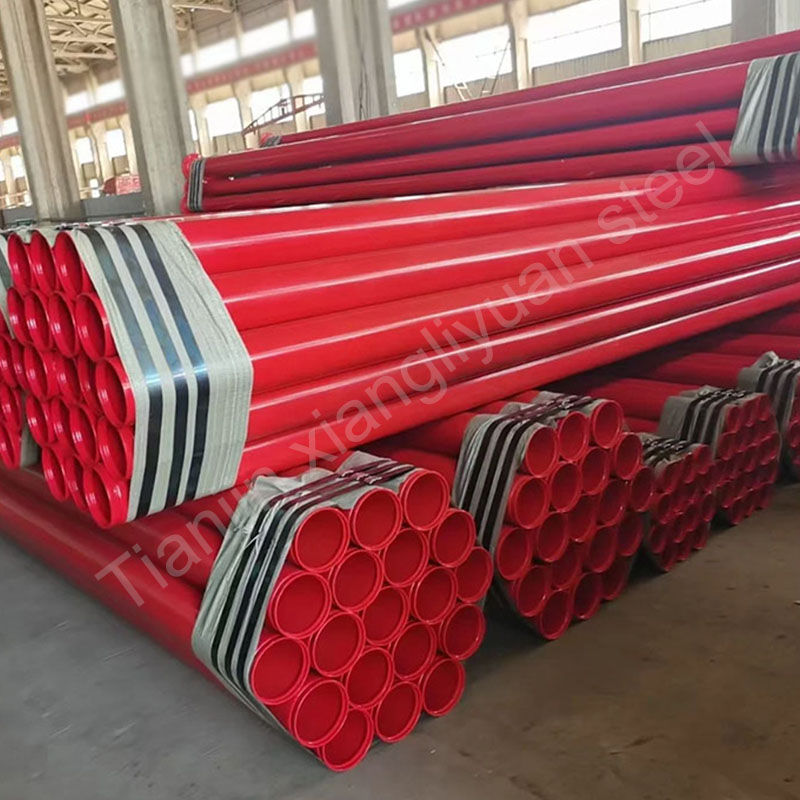
In fire sprinkler systems, plastic coated steel pipes must meet standards like ASTM A795 and GB/T 5135.20. The coating provides corrosion resistance even under harsh conditions, ensuring system reliability .
Why Choose Tianjin Xiangliyuan Steel?
Strategic Location and Logistics Advantage
Located in Tianjin, our manufacturing facility benefits from proximity to Tianjin Port—one of the world’s busiest and most efficient shipping hubs. This strategic positioning translates into:
-
Reduced shipping times to North America, Europe, Southeast Asia, and the Middle East
-
Competitive freight costs through access to major international shipping lines
-
Flexible delivery schedules to meet project deadlines
Quality Assurance and Technical Expertise
At Tianjin xiangliyuan steel, we adhere to the highest manufacturing standards:
-
Our products comply with CJ/T 120-2016, GB/T 17219, and international standards including NSF/ANSI 61 and ASTM A795 .
-
We implement rigorous quality control throughout production—from raw material inspection to final coating testing.
-
Our technical team provides expert support for product selection, certification, and project-specific customization.
Comprehensive Product Range
We offer a full spectrum of plastic coated steel pipe options:
-
Diameter range: DN15–DN1660
-
Coating materials: Epoxy resin (EP), polyethylene (PE), Fusion Bonded Epoxy (FBE)
-
Coating types: Internal coating only, external coating only, or internal and external coating
-
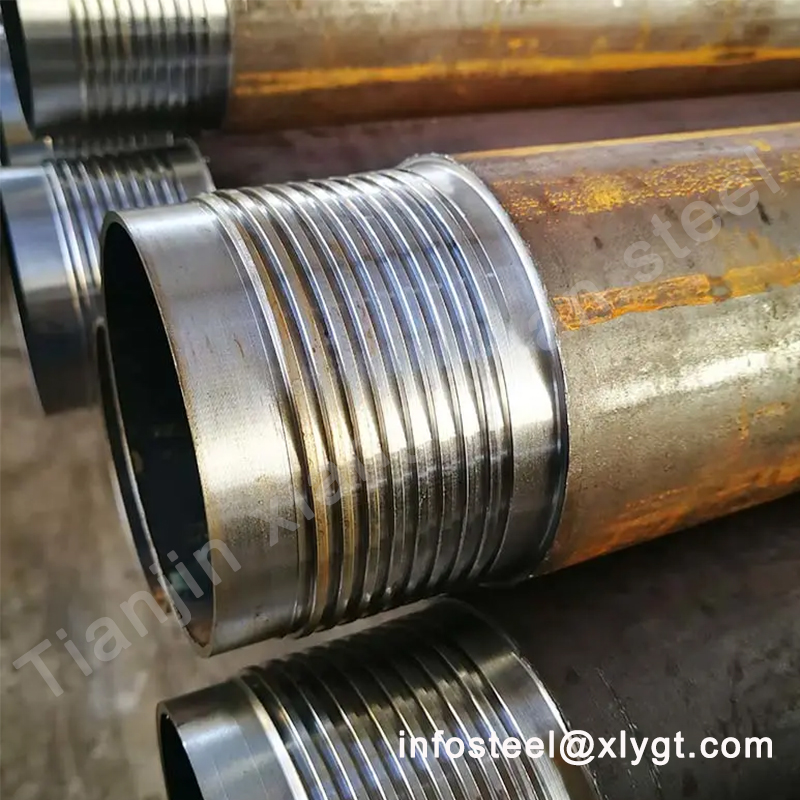
Connection methods: Threaded, grooved, flanged, and welded connections
Global Reach, Local Support
Our products are exported to over 50 countries, and we maintain a responsive customer service team ready to assist with your inquiries. Whether you need technical documentation, certification verification, or supply chain coordination, we are here to help.
Contact us today:
-
Email: infosteel@xlygt.com
-
Website: https://www.xlysteel.com/
Delivering Safe Water with Certified Reliability
Internal and external plastic coated steel pipes represent the gold standard for modern water supply infrastructure. Their combination of structural strength, corrosion resistance, and hygienic safety makes them the optimal choice for projects that demand long-term reliability and compliance with drinking water standards. When selecting a supplier, it is essential to partner with a manufacturer that understands international certification requirements and can deliver products that meet the highest quality benchmarks.
At Tianjin xiangliyuan steel, we combine technical expertise, strategic logistics, and a commitment to quality to serve your water supply project needs. Our plastic coated steel pipes are certified to international standards, ensuring that your water delivery system is safe, durable, and efficient. We invite you to explore our capabilities at https://www.xlysteel.com/ and reach out via infosteel@xlygt.com to discuss how we can support your next project.