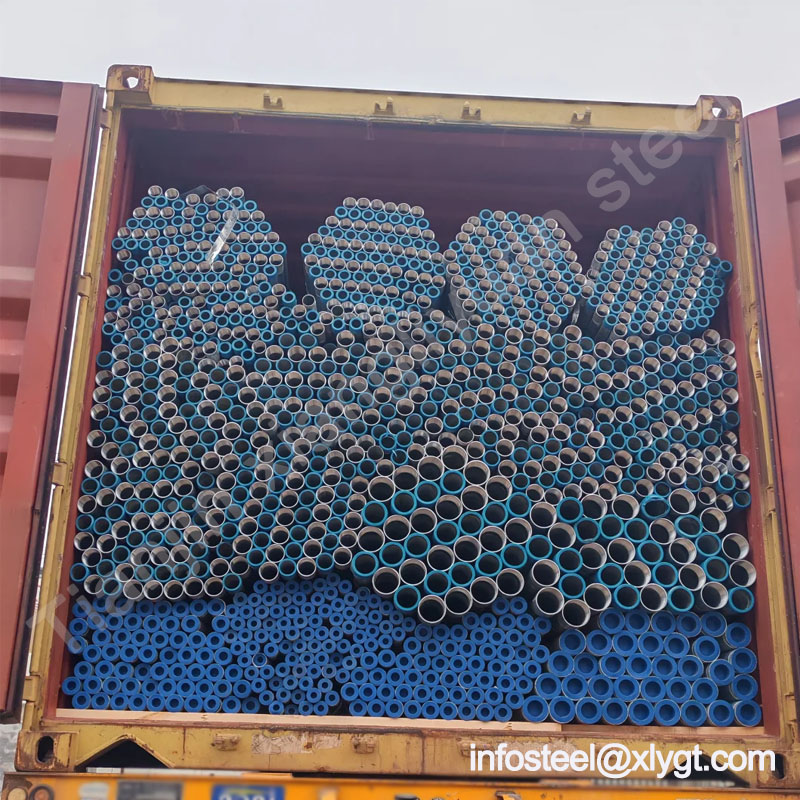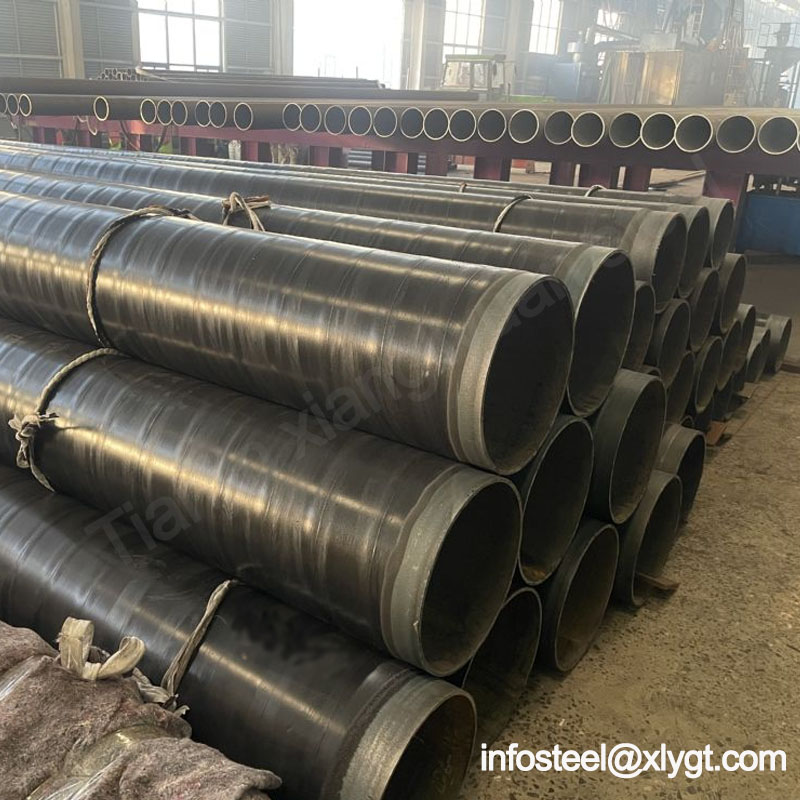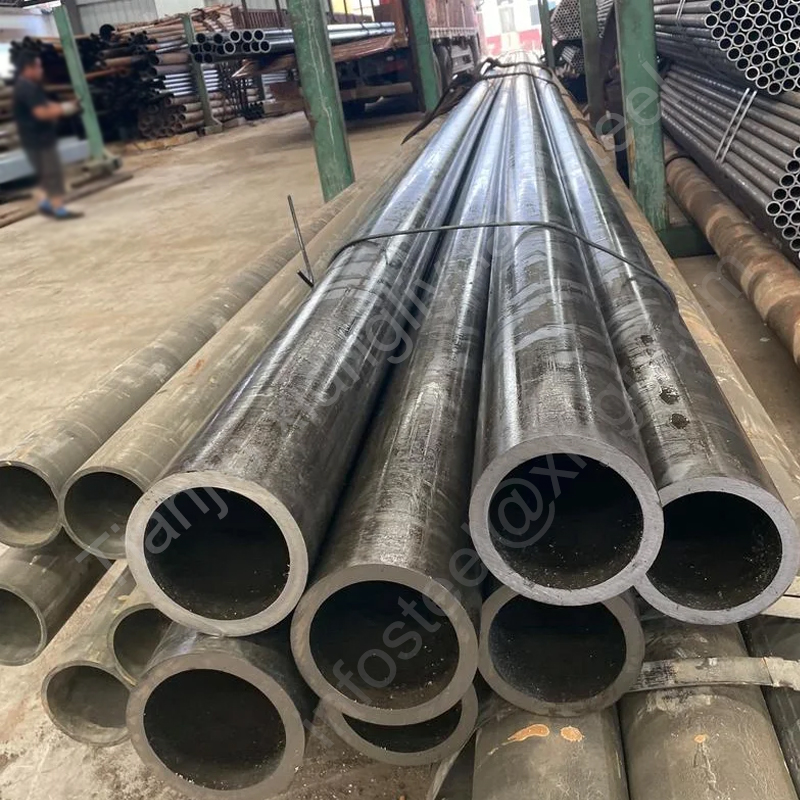
In the evolving landscape of gas distribution infrastructure, pipeline integrity remains the cornerstone of operational safety and public protection. The selection of appropriate piping materials directly impacts system longevity, maintenance costs, and—most critically—the safety of communities served. Among the available solutions, plastic coated steel pipe has emerged as a proven technology that addresses the dual challenges of corrosion resistance and structural strength required for modern gas distribution networks.
The convergence of regulatory requirements, operational demands, and environmental considerations has elevated the importance of corrosion-resistant piping solutions. This article examines the technical characteristics, anti-corrosion performance, and safety compliance framework of plastic coated steel pipes for gas distribution applications, providing engineering professionals and procurement specialists with comprehensive technical insights.
Understanding Plastic Coated Steel Pipe Technology
Material Composition and Structure
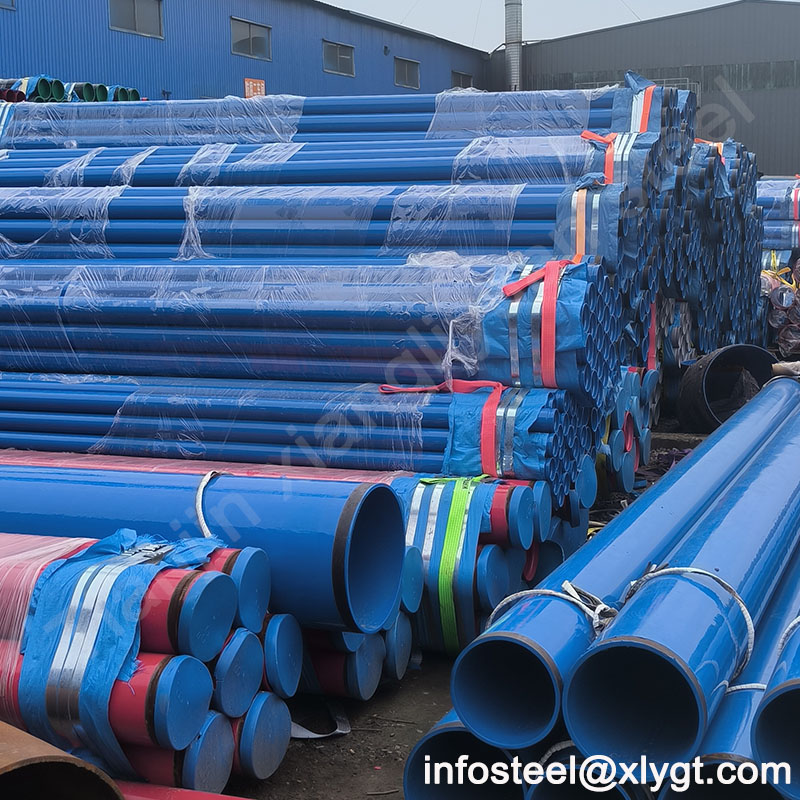
Plastic coated steel pipe—also referred to as coated steel pipe, steel-plastic composite pipe, or plastic-coated composite steel pipe—consists of a steel substrate combined with a protective plastic layer applied to the inner surface, outer surface, or both. This composite structure leverages the mechanical strength of steel with the corrosion resistance and low-friction characteristics of polymer coatings.
The base steel pipe, typically manufactured to standards such as ASTM A53 Gr.B or API 5L, undergoes surface preparation before coating application. The plastic coating is applied through processes including spraying, rolling, dipping, or suction methods, with the selection depending on pipe diameter and coating material requirements.
Coating Material Options
For gas distribution applications, two primary coating material families predominate:
Polyethylene (PE) and Modified Polyethylene Coatings: These coatings offer excellent corrosion resistance, low water absorption, high mechanical strength, and superior electrical insulation properties. PE-coated steel pipes are particularly well-suited for underground installation where soil conditions present corrosion risks.
Epoxy Resin (EP) Coatings: Epoxy-coated pipes provide strong adhesion, chemical resistance, and smooth internal surfaces that reduce flow friction and resist scale buildup. The coating’s performance is validated through rigorous testing, including the ASTM B117 salt spray test demonstrating corrosion resistance with unidirectional corrosion spread not exceeding 2.0 mm at scored lines.
Anti-Corrosion Performance in Gas Distribution
Corrosion Threats to Gas Pipelines
Gas distribution systems face multiple corrosion mechanisms that compromise pipeline integrity. Soil composition, moisture content, stray currents from adjacent electrical infrastructure, and microbiologically influenced corrosion (MIC) all contribute to external corrosion of buried steel pipes. Internal corrosion, while less common in dry gas systems, can occur when gas contains contaminants such as hydrogen sulfide, carbon dioxide, or water vapor.
Regulatory frameworks, such as the Texas Administrative Code Section 8.209, explicitly mandate that gas distribution operators implement risk-based programs addressing corrosion history as a key risk factor. The code requires operators to consider “corrosion history of the pipeline, including known areas of significant corrosion or areas where corrosive environments are known to exist” when prioritizing facility replacements.
Corrosion Protection Mechanisms
Plastic coated steel pipes provide multi-layered protection against these threats:
Barrier Protection: The plastic coating creates a physical barrier that isolates the steel substrate from corrosive environmental agents. This is particularly effective for external corrosion prevention in buried applications where soil moisture and chemical content would otherwise accelerate steel degradation.
Cathodic Protection Compatibility: While coated pipes are engineered to prevent corrosion, they remain compatible with cathodic protection systems—a critical requirement for gas distribution infrastructure. The coating’s electrical insulation properties complement cathodic protection by reducing the current demand required to maintain protection levels.
Adhesion and Coating Integrity: Research has demonstrated that powder coatings applied to steel pipes exhibit high adhesion strength, preventing under-film corrosion propagation even when the coating surface is damaged. This adhesion durability is essential for maintaining long-term protection in field conditions.
Service Life Expectations
Industry testing and technical literature indicate that plastic coated composite steel pipes can achieve service lives exceeding 50 years when properly manufactured and installed. This extended lifespan is attributed to the combination of the steel substrate’s structural integrity and the coating’s corrosion resistance, resulting in a pipeline system that requires minimal maintenance over its operational life.
Safety Compliance and Regulatory Framework
U.S. Federal Regulations
Gas distribution pipeline safety in the United States is governed by 49 CFR Part 192, which establishes minimum safety requirements for pipeline facilities. These regulations address material specifications, design pressures, and operational parameters. Texas Administrative Code Section 8.209 incorporates these federal requirements, specifying that “joints on steel pipe must be welded or designed and installed to resist longitudinal pullout or thrust forces per 49 CFR § 192.273”.
Maximum Allowable Operating Pressure (MAOP)
New York State regulations (16 CRR-NY 255.619) provide detailed requirements for determining MAOP for steel and plastic pipelines. For steel pipe, the MAOP is determined based on:
-
Design pressure of the weakest element in the segment
-
Test pressure calculations incorporating location class factors
-
Historical operating pressure data
-
Consideration of known corrosion and actual operating history
These requirements emphasize that corrosion assessment is a mandatory component of pressure rating determination and pipeline integrity verification.
Integrity Management Programs
Distribution Integrity Management Programs (DIMP), as required by PHMSA regulations, mandate that operators develop risk-based approaches to pipeline safety. Section 8.209 requires operators to “develop a risk-based program to determine the relative risks and their associated consequences within each pipeline system or segment”. Factors that must be considered include:
-
Pipe location and proximity to occupied structures
-
Composition and nature of the piping system
-
Corrosion history
-
Environmental factors affecting gas migration
-
Construction activities and external threats
The use of plastic coated steel pipe directly supports DIMP objectives by reducing corrosion-related risks and providing a documented, verified material solution that addresses the “composition and nature of the piping system” factor.
Manufacturing Quality and Standards
International Standards
Plastic coated steel pipes are manufactured to meet the requirements of multiple international standards, demonstrating their suitability for global gas distribution projects. Key standards include:
| Standard | Scope |
|---|---|
| ASTM A53 | Standard Specification for Pipe, Steel, Black and Hot-Dipped, Zinc-Coated, Welded and Seamless |
| API 5L | Specification for Line Pipe |
| ASTM A500 | Standard Specification for Cold-Formed Welded and Seamless Carbon Steel Structural Tubing |
| EN 10210 | Hot Finished Structural Hollow Sections |
| EN 10219 | Cold Formed Welded Structural Hollow Sections |
These standards ensure that the steel substrate meets dimensional tolerances, mechanical properties, and chemical composition requirements essential for pressure-containing applications.
Quality Control and Testing
Comprehensive quality assurance programs are essential for ensuring the reliability of plastic coated steel pipes for gas distribution. Testing protocols typically include:
Coating Performance Testing: Salt spray testing per ASTM B117 validates corrosion resistance, with qualified products demonstrating corrosion spread not exceeding 2.0 mm at scored lines and no abnormalities on unscored areas.
Adhesion Testing: Coating adhesion is verified through standardized test methods to ensure the coating remains bonded to the steel substrate under operational stresses.
Dimensional Inspection: Wall thickness, diameter, and coating thickness are measured to verify conformance to specifications. Typical coating thicknesses range from 400μm to 1000μm for PE coatings.
Non-Destructive Testing (NDT): Inspections including ultrasonic testing and radiographic examination verify the integrity of the steel substrate before coating application.
Connection Methods and Installation Considerations
Connection Options
Plastic coated steel pipes are available with various connection configurations to suit installation requirements:
Threaded Connections: For smaller diameters (typically DN15-DN100), threaded ends provide secure, field-proven connections compliant with 49 CFR Part 192 requirements that joints “resist longitudinal pullout or thrust forces”.
Grooved Connections: For medium diameters (DN65-DN400), grooved ends enable mechanical couplings that allow for thermal expansion and contraction while maintaining pressure integrity.
Flanged Connections: Flanged ends provide a robust connection method for any caliber and facilitate maintenance access.
Press (Crimp) Connections: For gas distribution applications, press-fit connections offer installation efficiency advantages over traditional threaded or welded connections. Chinese gas utilities have reported that a 3-person installation crew can install approximately 200 meters of press-fit coated steel pipe per workday, compared to 100 meters for traditional welded steel pipe.
Field Coating Repair
Despite the durability of factory-applied coatings, field conditions occasionally require coating repair. Heat-shrink sleeves and repair patches are available to restore coating integrity at welded joints and damaged areas, maintaining the corrosion protection system throughout the pipeline’s service life.
Tianjin Xiangliyuan Steel: Your Trusted Partner for Plastic Coated Steel Pipe Solutions
At Tianjin Xiangliyuan Steel, we combine technical expertise with manufacturing excellence to deliver plastic coated steel pipes that meet the most demanding gas distribution requirements. Our location in Tianjin—one of China’s premier port cities—ensures efficient logistics and timely delivery to international customers.
Why Choose Tianjin Xiangliyuan Steel?
-
Proximity to Port: Our Tianjin location provides direct access to international shipping routes, reducing transit times and logistics costs for overseas customers.
-
Comprehensive Standards Compliance: We manufacture to ASTM A53, API 5L, EN 10210, and other international standards, ensuring our products meet global specifications.
-
Quality Assurance: Rigorous inspection protocols verify coating thickness, adhesion, and corrosion resistance prior to shipment.
-
Technical Support: Our engineering team provides application guidance and technical documentation to support successful project execution.
For inquiries regarding plastic coated steel pipe for gas distribution or other applications, please contact us at infosteel@xlygt.com. Visit our website at https://www.xlysteel.com/ to explore our full product range and technical resources.
Plastic coated steel pipe represents a technically sound solution for gas distribution infrastructure, combining the structural strength of steel with the corrosion resistance of advanced polymer coatings. The technology’s demonstrated service life exceeding 50 years, compatibility with regulatory requirements, and proven corrosion protection performance make it a preferred choice for gas utilities and pipeline operators worldwide.
As gas distribution networks continue to expand and age, the demand for corrosion-resistant, safety-compliant piping solutions will only increase. Understanding the technical characteristics, manufacturing standards, and regulatory compliance requirements for plastic coated steel pipes is essential for procurement professionals and engineers responsible for infrastructure decisions.
For more information, contact our team:
Tianjin Xiangliyuan Steel
Email: infosteel@xlygt.com
Website: https://www.xlysteel.com/