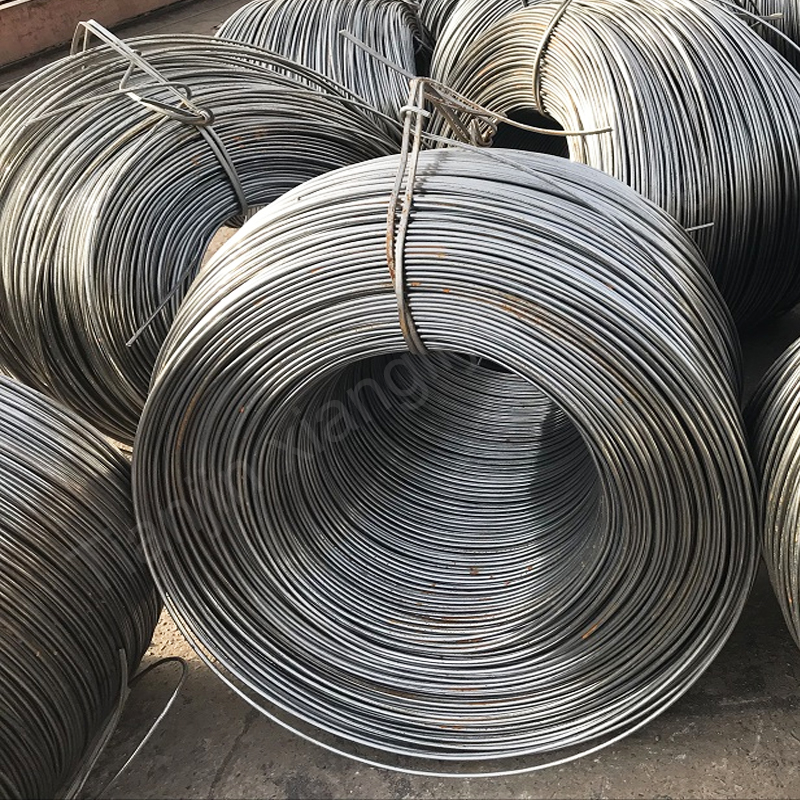
The Backbone of Modern Infrastructure
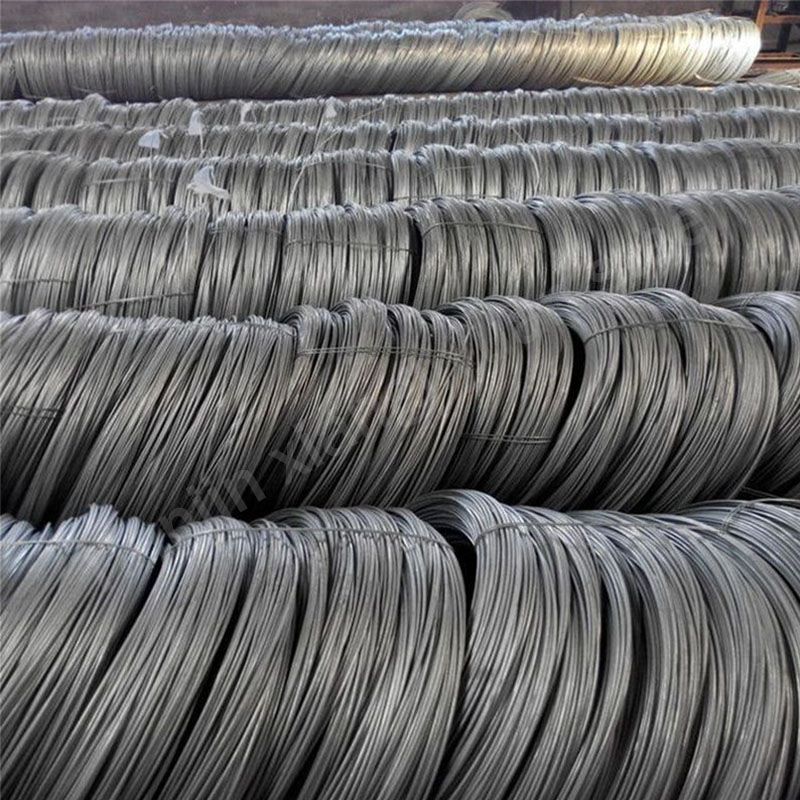
In the demanding worlds of fencing and construction, galvanized steel wire serves as an indispensable material—a silent workhorse that provides structural integrity, security, and longevity to countless applications. Selecting the correct galvanized steel wire requires an understanding of three critical parameters: zinc coating weight, wire gauge, and tensile strength grades. These specifications determine not only performance characteristics but also service life, installation costs, and long-term reliability.
As a professional manufacturer and exporter of high-quality galvanized steel wire products, Tianjin Xiangliyuan Steel has established a reputation for precision manufacturing and unwavering quality standards. Our company operates from Tianjin, China—a strategic location that offers exceptional logistical advantages with proximity to major ports, ensuring efficient global shipping and competitive lead times for our international clients.
This comprehensive technical guide examines these specification parameters in detail, providing engineers, procurement specialists, and construction professionals with the knowledge needed to specify the optimal galvanized steel wire for their specific applications.
1. Zinc Coating Weight: The First Line of Defense Against Corrosion
1.1 Understanding Coating Weight Fundamentals
Zinc coating weight represents the mass of zinc applied per unit area of steel wire surface, typically expressed in grams per square meter (g/m²). This parameter directly correlates with the wire’s corrosion resistance and service life in various environmental conditions . The zinc layer acts as both a physical barrier and a sacrificial anode, protecting the underlying steel even when the coating is scratched or damaged.
Coating weight classifications generally fall into three broad categories:
| Class | Coating Weight Range (g/m²) | Typical Application | Expected Service Life |
|---|---|---|---|
| Light (Electro-galvanized) | 10–40 g/m² | Indoor applications, light-duty binding | 2–5 years |
| Standard (Hot-dipped) | 60–200 g/m² | General fencing, construction, agriculture | 8–15 years |
| Heavy (Class 3/Extra) | 200–500+ g/m² | Coastal environments, high-corrosion zones | 15–25+ years |
1.2 ASTM Standards and International Specifications
Leading international standards provide clear guidance for zinc coating requirements:
-
ASTM A641/A641M: Specifies coating classes for zinc-coated carbon steel wire, with Class 1 (light), Class 2 (heavy), and Class 3 (extra-heavy) designations .
-
ASTM A121: Covers zinc-coated steel barbed wire, detailing coating weight requirements .
-
IEC 60888: Addresses zinc-coated steel wires for stranded conductors, specifying Class 1 and Class 2 coating masses .
For high-tensile fencing wire applications, Class 3 coatings with minimum weights of 240–270 g/m² are often specified to ensure longevity in exposed conditions .
1.3 Selecting the Right Coating Weight
The appropriate zinc coating weight depends on several factors:
-
Environmental Exposure: Coastal, marine, or industrial environments with high humidity or chemical exposure demand heavier coatings.
-
Expected Service Life: Infrastructure projects with 20+ year design lives require Class 3 or higher coatings.
-
Abrasion Risk: Applications where wire experiences friction or impact benefit from thicker, more durable coatings.
-
Cost-Benefit Balance: Heavier coatings carry higher upfront costs but reduce maintenance and replacement expenses over the product lifecycle.
At Tianjin Xiangliyuan Steel, we offer customized zinc coating weights ranging from 40 g/m² to over 500 g/m², allowing clients to specify the optimal corrosion protection level for their specific project requirements. Our advanced hot-dip galvanizing lines ensure uniform coating distribution with precise thickness control, meeting ASTM, BS, and GB/T standards.
2. Wire Gauge: Precision in Diameter Selection
2.1 Understanding Gauge Systems
Wire gauge refers to the diameter of the wire, and multiple measurement systems coexist in the global market:
-
BWG (Birmingham Wire Gauge): Common in North American markets
-
SWG (Standard Wire Gauge): Traditional British system
-
Metric (mm): Increasingly preferred for international trade and technical specifications
The following reference table shows typical gauge conversions :
| BWG | Metric (mm) | Typical Applications |
|---|---|---|
| 8 | 4.19 mm | Heavy-duty fencing, gabion mesh, high-security barriers |
| 10 | 3.40 mm | Chain link fencing, structural reinforcement |
| 12 | 2.77 mm | General fencing, welded mesh panels |
| 13 | 2.41 mm | Farm fencing, animal enclosures |
| 14 | 2.11 mm | Light fencing, vineyard trellises |
| 15 | 1.83 mm | Woven wire mesh, light construction binding |
| 16 | 1.65 mm | Fine mesh, agricultural netting |
| 18 | 1.25 mm | Binding wire, small mesh products |
2.2 Factors in Gauge Selection
Choosing the correct gauge involves considering:
-
Strength Requirements: Thicker wires (lower gauge numbers) offer higher breaking strength.
-
Weight and Cost Considerations: Thinner wires reduce material costs and shipping weight.
-
Fabrication Processes: Some applications like welded mesh require specific wire diameters for proper weld integrity.
-
Regulatory Standards: Many construction specifications mandate minimum gauge requirements for specific applications.
A recent study on knotted fence wire properties found that 2.5 mm (12.5 gauge) high-tensile wire with a minimum breaking force of 5,800 N is commonly specified for livestock fencing applications . This demonstrates the importance of matching gauge to performance requirements rather than simply selecting the thickest available option.
2.3 Dimensional Tolerances
Quality manufacturers maintain strict dimensional tolerances to ensure consistency and performance:
-
High-quality wire: ±0.02 mm tolerance
-
Standard commercial tolerance: ±0.05 mm
-
Precision applications may require tighter controls
Tianjin Xiangliyuan Steel utilizes advanced wire drawing equipment with computerized diameter control systems, achieving precision tolerances that ensure consistent product quality across every shipment. Our wires are available in the full range of BWG 8#–22# and metric equivalents from 0.7 mm to 5.0 mm.
3. Tensile Strength Grades: Matching Strength to Application
3.1 Tensile Strength Classifications
Tensile strength—the maximum stress a wire can withstand before breaking—is a critical performance parameter. Galvanized steel wire is typically classified into three strength grades:
| Grade | Tensile Strength Range | Typical Applications |
|---|---|---|
| Soft/Low Tensile | 350–550 MPa | Construction tying, binding, light fencing |
| Medium Tensile | 550–800 MPa | General fencing, mesh weaving, agriculture |
| High Tensile | 1,170–1,590 MPa | High-performance fencing, security barriers, overhead conductors |
3.2 Material Composition and Strength
The tensile strength of galvanized wire depends primarily on:
-
Base Steel Chemistry: Low carbon (Q195/Q235) for soft grades, high carbon for high-tensile grades.
-
Drawing Process: Cold drawing work-hardens the steel, increasing strength while reducing ductility.
-
Heat Treatment: Annealing reduces strength but improves ductility; patenting produces high-strength wire.
-
Wire Diameter: Thinner wires generally achieve higher tensile strengths for the same steel grade due to greater reduction during drawing.
Research on knotted fence wire performance revealed that high-tensile wire samples meeting the minimum 1,235 MPa requirement performed consistently well in field applications, while batches with inconsistent tensile properties showed higher failure rates . This underscores the importance of manufacturing process control and consistent quality management.
3.3 Ductility and Bendability
While tensile strength receives significant attention, ductility—the ability to bend without breaking—is equally important for fencing wire, particularly in knotted and woven applications. Standard specifications typically require specific elongation percentages and bend test compliance .
The relationship between strength and ductility is inherently inverse: high-tensile wires offer superior strength but reduced bendability. Selecting the optimal balance requires understanding both the installation method and the service load conditions.
Tianjin Xiangliyuan Steel engineers work closely with clients to recommend the ideal tensile strength grade for each application. Whether your project requires soft binding wire for construction tying or high-tensile fencing wire for critical perimeter security, our extensive range of tensile grades ensures we meet your specification requirements.
4. Manufacturing Excellence and Quality Control
4.1 Production Process Overview
Superior galvanized wire begins with superior base materials and rigorous process control:
-
Raw Material Selection: High-quality low carbon or carbon steel wire rod (SAE1006/1008, Q195, Q235, etc.) sourced from premium mills.
-
Wire Drawing: Progressive drawing through precision dies to achieve the target diameter.
-
Heat Treatment: Annealing or patenting as required to achieve the desired mechanical properties.
-
Surface Preparation: Acid washing and fluxing to remove scale and prepare the surface for galvanizing.
-
Hot-Dip Galvanizing: Immersion in molten zinc at temperatures of approximately 450°C to create a metallurgically bonded zinc-iron alloy coating.
-
Quality Inspection: Comprehensive testing of coating weight, diameter, tensile strength, and coating adherence.
4.2 Coating Adherence and Uniformity
Beyond coating weight, the adherence of the zinc layer to the steel substrate and its uniformity across the wire surface are critical quality factors. International standards specify bend tests and adherence tests to verify coating integrity . A well-adhered zinc coating will not flake or peel during fabrication processes such as weaving, bending, or knotting.
4.3 Quality Management Systems
Reputable manufacturers implement comprehensive quality management systems:
-
ISO 9001 quality certification
-
ISO 14001 environmental management
-
Strict incoming material inspection
-
In-process monitoring and testing
-
Final product inspection with test certificates
At Tianjin Xiangliyuan Steel, our integrated quality management system ensures that every shipment meets or exceeds customer specifications. Our experienced technical team performs rigorous testing—from chemical composition analysis to tensile testing and coating weight measurement—backed by documented quality records for complete traceability.
5. Applications Across Industries
5.1 Construction and Infrastructure
Galvanized wire serves critical functions in construction:
-
Rebar Tying: Soft galvanized wire secures reinforcement bars before concrete pouring.
-
Scaffolding Binding: Medium-grade wire secures scaffold components.
-
Welded Mesh Fabrication: Precise gauge control ensures consistent weld quality.
-
Cable Tray and Support Systems: High-strength wire provides structural support.
5.2 Agricultural and Livestock Fencing
The agricultural sector relies heavily on galvanized fencing wire:
-
High-Tensile Fencing: 12.5 gauge (2.5 mm) high-tensile wire with Class 3 coating offers exceptional strength and longevity .
-
Barbed Wire: Standardized grades with specified tensile and coating requirements.
-
Chain Link Fencing: Specific gauge and coating specifications for security and boundary fencing.
-
Vineyard and Orchard Trellises: Wires that balance strength with flexibility.
5.3 Industrial and Security Applications
-
Security Fencing: Heavy-gauge high-tensile wire for perimeter security.
-
Gabion Baskets: 3.0–4.0 mm wire with heavy zinc coatings for erosion control and retaining walls.
-
Industrial Packaging: Binding wire for baling and securing goods.
6. Logistical Advantage: Shipping from Tianjin
Tianjin Xiangliyuan Steel is strategically located in Tianjin, China—one of the world’s busiest and most efficient port cities. This location provides our clients with significant advantages:
-
Proximity to Major Ports: Tianjin Port and Xingang Port offer direct access to shipping routes worldwide.
-
Efficient Container Loading: Our warehouses are equipped for rapid container stuffing and cargo handling.
-
Reduced Inland Transportation Costs: Short transport distances from factory to port minimize logistics expenses.
-
Flexible Shipping Options: Full container loads (20′, 40′), breakbulk, and specialized packaging for various coil sizes.
-
Established Logistics Network: Years of export experience ensure smooth customs clearance and reliable shipping schedules.
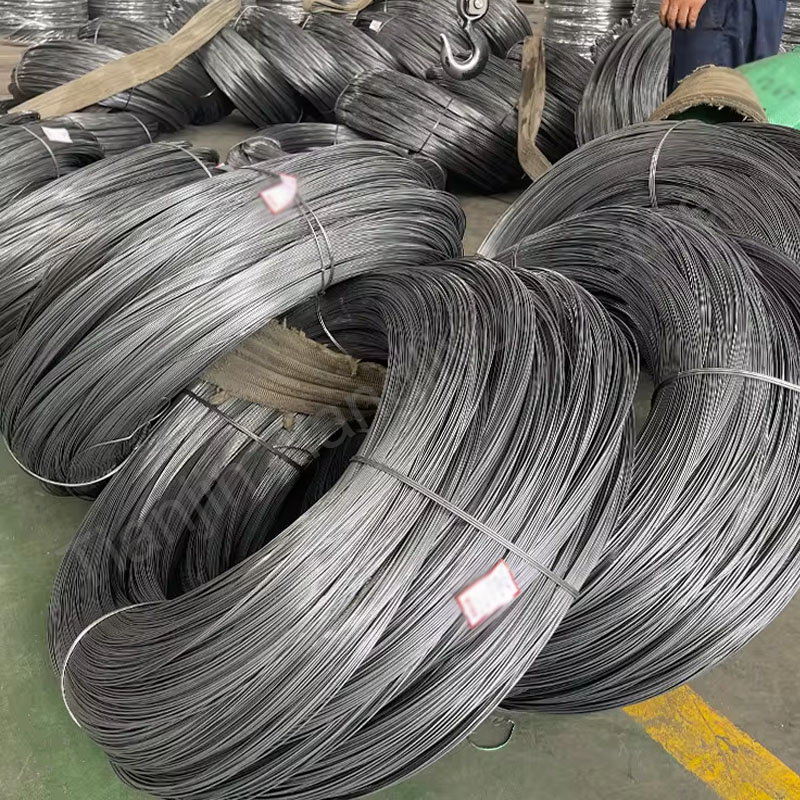
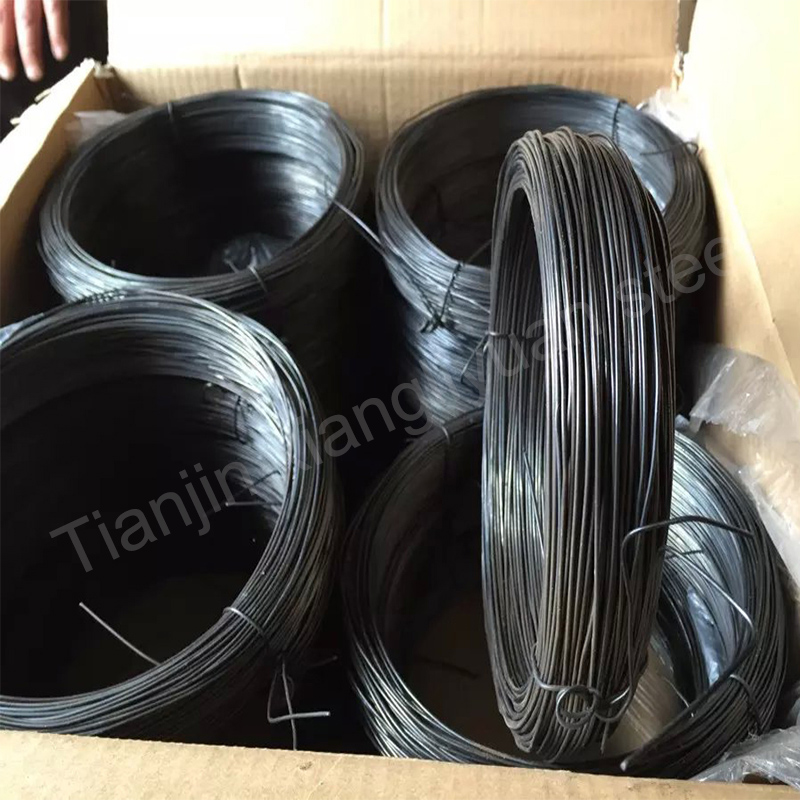
Our standard packaging options include small coils (5–25 kg) with plastic inner wrapping and woven outer bags, large coils (500–1,000 kg), and wooden spools/pallets, all optimized for container shipping efficiency.
7. Specifications and Customization
7.1 Standard Specifications
Tianjin Xiangliyuan Steel manufactures galvanized wire in accordance with:
-
ASTM A641/A641M: Zinc-coated carbon steel wire
-
ASTM A121: Zinc-coated steel barbed wire
-
GB/T 343: General purpose galvanized wire
-
GB/T 15393: Galvanized steel wire standards
-
IEC 60888: Zinc-coated steel wire for stranded conductors
7.2 Custom Manufacturing Capabilities
Our flexibility in manufacturing allows us to accommodate customized requirements:
-
Zinc Coating Weight: 40–500+ g/m², custom-specified
-
Diameter Range: 0.7 mm – 5.0 mm (BWG 8#–22#)
-
Tensile Strength: Soft, medium, or high tensile grades
-
Packaging Options: Various coil weights, spooling, straight-cut wire, U-type wire
-
Surface Treatments: Bright, matte, or specialty finishes
8. Quality Documentation and Technical Support
We understand that informed purchasing decisions require accurate technical data. Every shipment from Tianjin Xiangliyuan Steel is accompanied by comprehensive documentation:
-
Mill test certificates (MTC)
-
Chemical composition analysis
-
Physical property test results
-
Coating weight measurement data
-
Dimensional inspection reports
Our technical sales team is available to provide application engineering support, specification guidance, and material selection recommendations.
9. Commitment to Excellence
As a professional steel wire manufacturer with years of export experience, Tianjin Xiangliyuan Steel is committed to:
-
Product Quality: Consistent manufacturing that meets or exceeds international standards
-
Supply Reliability: Stable production capacity and reliable delivery schedules
-
Competitive Pricing: Factory-direct pricing and efficient logistics minimizing total supply chain costs
-
Customer Partnership: Technical consultation and responsive communication throughout the order process
The selection of galvanized steel wire for fencing and construction involves a careful evaluation of zinc coating weight, wire gauge, and tensile strength grade. Understanding these parameters—and their interplay with project-specific requirements—ensures optimal performance, extended service life, and cost-effective procurement.
Tianjin Xiangliyuan Steel stands ready to supply premium galvanized steel wire products meeting ASTM, BS, GB/T, and other international standards. Our commitment to quality, combined with our strategic location in Tianjin for efficient global shipping, positions us as a trusted partner for construction, agricultural, and industrial clients worldwide.
For technical specifications, quotes, or custom manufacturing inquiries, please contact us at:
Tianjin Xiangliyuan Steel
Email: infosteel@xlygt.com
Website: https://www.xlysteel.com
We look forward to building a lasting partnership and delivering superior galvanized wire solutions for your projects.