The Critical Role of Coated Steel Pipe in Chemical Processing
In the chemical industry, pipeline integrity is non-negotiable. Corrosion—whether from concentrated acids, caustic alkalis, or aggressive solvents—remains the single greatest threat to operational safety, environmental compliance, and asset longevity. For engineers and procurement specialists, selecting the right anti-corrosion coated steel pipe is not merely a specification exercise; it is a strategic decision that impacts lifecycle costs, maintenance schedules, and plant reliability.
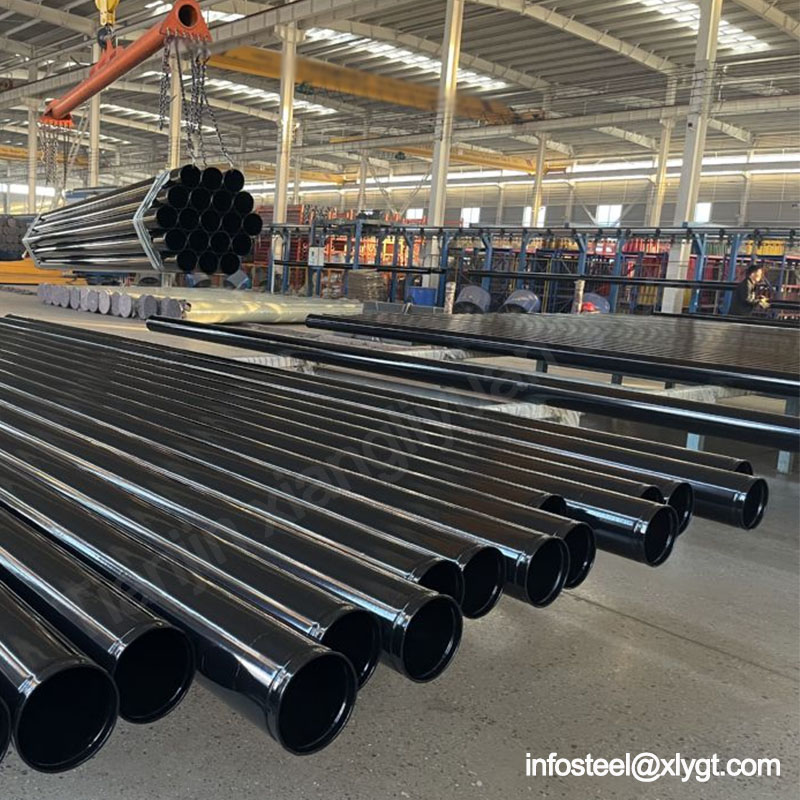
The challenge is particularly acute in chemical plants, where pipelines transport media with pH extremes, elevated temperatures, and fluctuating pressures. Without proper protection, carbon steel substrates rapidly succumb to pitting, stress corrosion cracking, and generalized wall thinning. This is where advanced coating systems transform ordinary steel pipe into a durable asset capable of withstanding the harshest service conditions .
At Tianjin Xiangliyuan Steel, we understand these challenges intimately. Our decades of experience manufacturing and supplying coated steel pipes have positioned us as a trusted partner for chemical, petrochemical, and industrial projects worldwide. From our strategically located facility in Tianjin—with direct access to one of China’s busiest ports—we deliver premium anti-corrosion steel pipe solutions that combine technical excellence with logistics efficiency.
In this comprehensive guide, we examine the science behind acid and alkali-resistant coatings, explore the major coating types available, and provide a practical selection framework for chemical industry applications.
Understanding the Corrosive Environment in Chemical Plants
Chemical pipelines encounter a diverse range of corrosive media. Acidic environments—such as sulfuric acid, hydrochloric acid, and acetic acid—can aggressively attack unprotected steel through hydrogen evolution and oxide dissolution. Alkaline environments, including sodium hydroxide and potassium hydroxide solutions, cause caustic embrittlement and stress corrosion cracking, particularly at elevated temperatures .
Beyond the primary chemical agents, secondary factors compound corrosion risk:
-
Temperature fluctuations accelerate reaction kinetics and degrade coating adhesion
-
Pressure cycling induces mechanical stress that can propagate coating defects
-
Microbiologically influenced corrosion (MIC) from sulfate-reducing bacteria creates localized attack patterns in stagnant zones
-
Abrasion from suspended solids erodes coatings, exposing bare steel to corrosive attack
A properly selected anti-corrosion coating system addresses all these failure mechanisms simultaneously, providing both chemical isolation and mechanical protection .
Coating Systems for Acid and Alkali Resistance
Fusion Bonded Epoxy (FBE) Coatings
FBE is a thermosetting powder coating applied by electrostatic spray to preheated steel pipe. It forms a dense, cross-linked barrier with exceptional resistance to acids, alkalis, and organic solvents. Standard single-layer FBE, applied at 250–400 µm thickness, provides reliable protection for most chemical service applications. For more demanding environments, double-layer FBE (2FBE) builds total thickness to 600–1000 µm, significantly enhancing impact and abrasion resistance .
Performance Characteristics:
-
Excellent adhesion to steel substrate (≥10 MPa pull-off strength)
-
Resistance to pH range 2–12
-
Service temperature up to 100°C
-
Compatible with cathodic protection systems
-
Zero VOC content
FBE is particularly suited for internal linings in potable water systems, as it meets NSF/ANSI 61 standards for drinking water contact .
Three-Layer Polyethylene (3PE) and Polypropylene (3PP) Systems
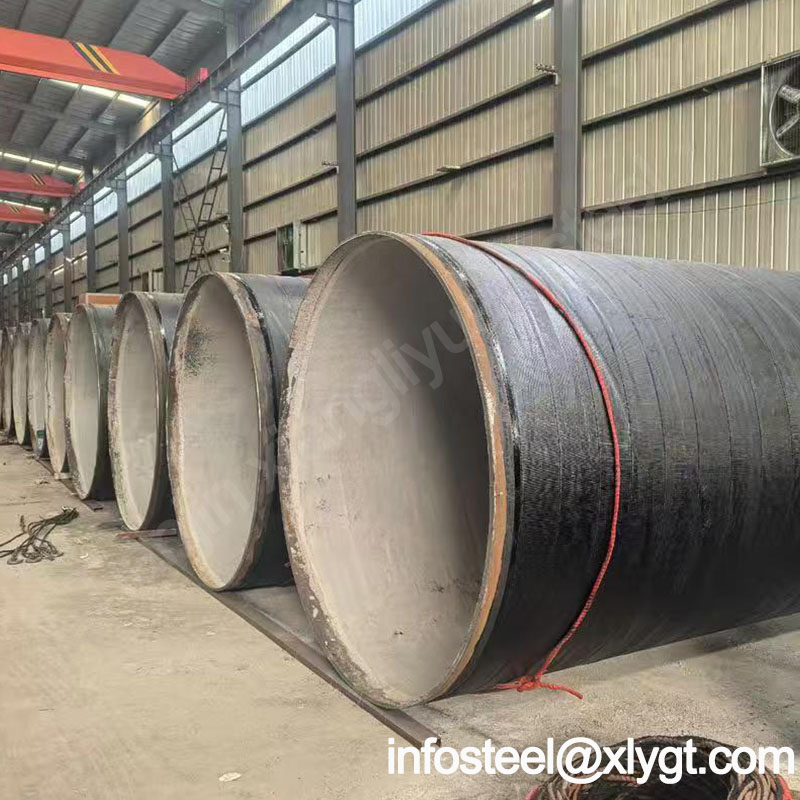
The industry standard for buried and submerged pipelines, 3PE/3PP systems employ a multi-layer architecture: an FBE primer layer provides chemical adhesion and primary corrosion resistance; a copolymer adhesive layer bonds the primer to the outer polyolefin layer; and the polyethylene or polypropylene outer layer delivers mechanical protection against abrasion, soil stress, and impact damage .
Critical Distinction—3PE vs. 3PP:
-
3PE is suitable for service temperatures up to 70–80°C
-
3PP extends service temperature capability to 110°C, making it the preferred choice for hot oil, steam, and high-temperature chemical processes
Both systems offer outstanding resistance to acid and alkali attack, with the polyolefin outer layer providing an impermeable barrier to moisture and ionic species.
IPN8710 Coatings
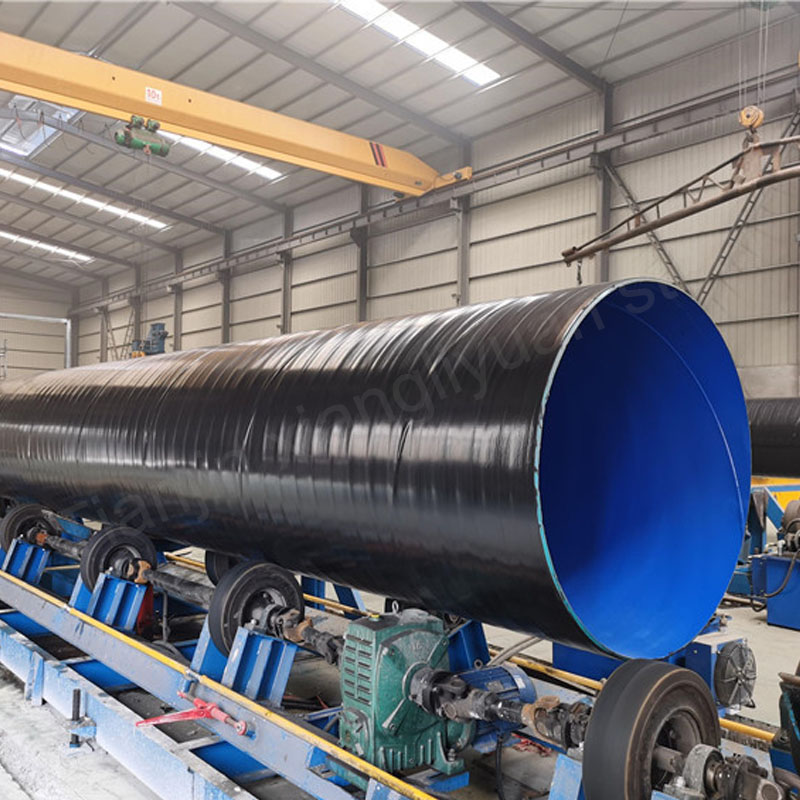
IPN8710 is a two-component coating system based on interpenetrating polymer networks of epoxy resin and polyurethane. This formulation creates a dense, cross-linked film with exceptional resistance to acids, alkalis, and salts. Operating effectively across a temperature range of -30°C to 120°C, IPN8710 coatings are widely used in municipal water supply, sewage treatment, and chemical plant utilities .
Key Advantages:
-
pH resistance from 3 to 11
-
Non-toxic and environmentally friendly
-
Room temperature curing simplifies field application
-
Excellent water permeability resistance
Liquid Epoxy and Polyurethane Spray Coatings
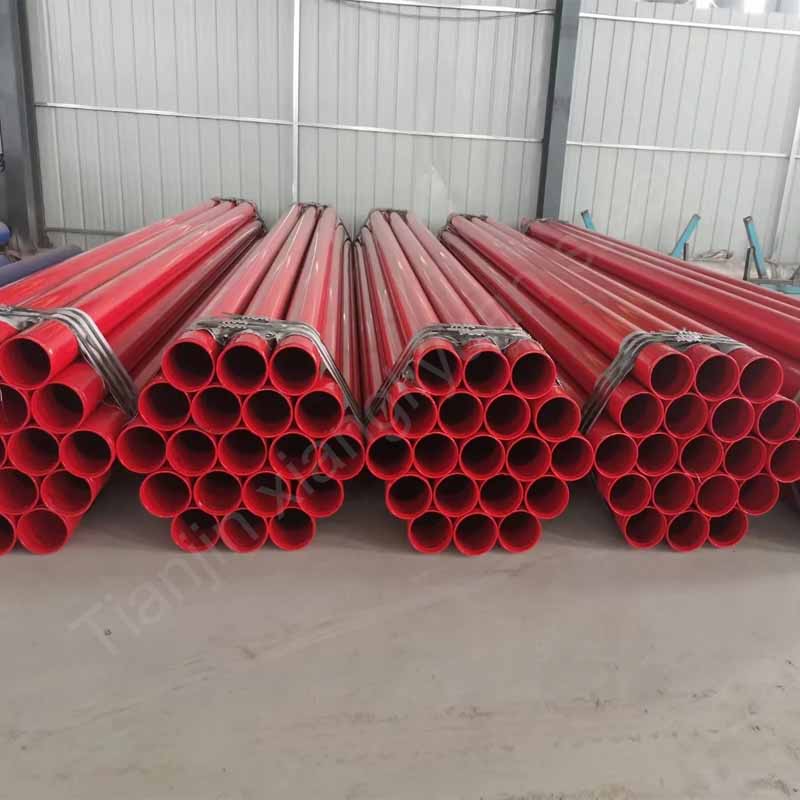
For above-ground piping, indoor service, or internal flow enhancement, high-build liquid coatings offer a cost-effective alternative to fusion-bonded systems. Applied by airless spray or centrifugal heads, these coatings typically achieve thicknesses of 400–1000 µm .
Internal flow coatings with high-build epoxy improve hydraulic efficiency (Hazen-Williams coefficient >150) while preventing tuberculation and microbial growth. External atmospheric coatings—often aliphatic polyurethane or zinc-rich epoxy—provide UV resistance and color stability for visible piping installations .
Coating Selection Guide for Chemical Applications
Selecting the optimal coating requires evaluating service conditions across multiple parameters:
1. Identify the Chemical Environment
Characterize the full range of fluids the pipeline will contact, including pH extremes, ionic species, and organic solvents. For mixed-waste streams or changing process conditions, specify broader-spectrum coatings such as 3PE or IPN8710.
2. Define Temperature and Pressure Requirements
Operating temperature directly dictates coating suitability. For applications above 80°C, 3PP and IPN8710 outperform 3PE systems. Pressure ratings are primarily a function of base pipe wall thickness, but coating integrity must be validated at design pressures .
3. Assess Mechanical Loading
Buried pipelines must resist soil stress, rock impingement, and construction damage. Here, 3PE/3PP systems offer superior mechanical protection. Above-ground systems typically require less impact resistance but demand UV stability—a consideration addressed by polyurethane topcoats.
4. Consider Installation and Maintenance
Shop-applied coatings such as FBE and 3PE provide consistent, factory-controlled quality. Field-applied liquid coatings offer flexibility for repairs and modifications but require careful surface preparation and environmental control.
Quality Assurance and Testing Protocols
A coating system is only as reliable as its application and inspection. At Tianjin Xiangliyuan Steel, we adhere to international standards including ISO 21809, DIN 30670, and AWWA C210, performing comprehensive testing on every production batch :
| Test | Method | Acceptance Criteria |
|---|---|---|
| Holiday (Pinhole) Detection | Spark tester, 5–25 kV | No detectable defects |
| Adhesion Strength | Pull-off or cross-cut | ≥10 MPa for FBE systems |
| Impact Resistance | Falling weight (ASTM G14) | No cracking at specified energy |
| Cathodic Disbondment | 28 days at 65°C | ≤8 mm disbondment radius |
| Thickness Verification | Magnetic gauge | Conforms to specification range |
Additionally, we conduct salt spray testing (ASTM B117), UV resistance evaluation, and hardness verification to confirm performance in actual service conditions.
The Tianjin Xiangliyuan Steel Advantage
Technical Expertise and Product Range
As a specialized manufacturer, Tianjin Xiangliyuan Steel offers a comprehensive range of anti-corrosion coated steel pipes:
-
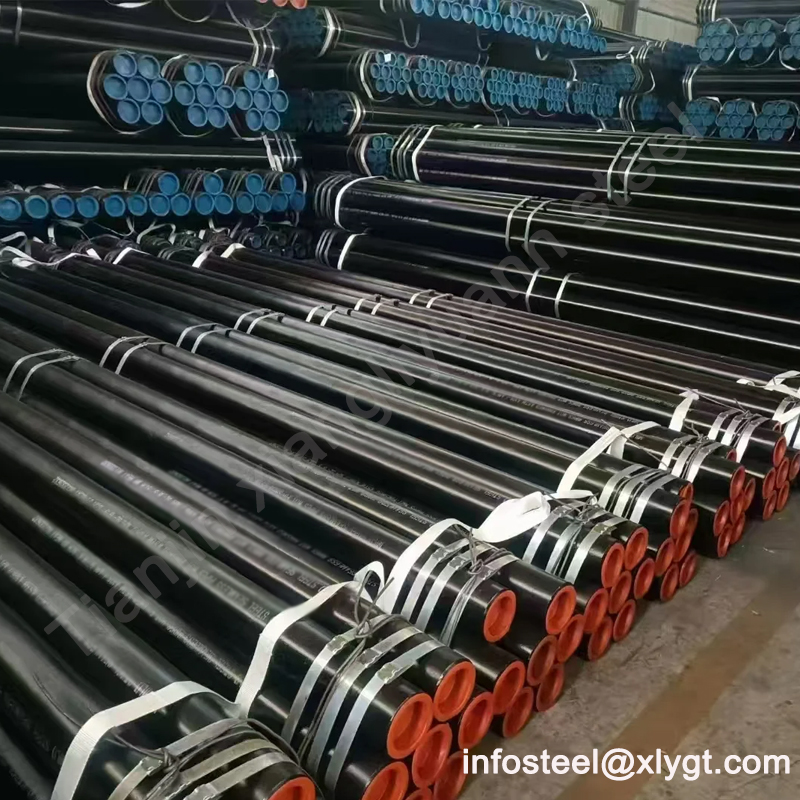
Base Pipe Materials: API 5L Grade B, X42–X80, ASTM A106 Grade B, ASTM A53, EN 10219 S235/S355, GB/T 3091 Q235/Q355
-
Diameter Range: 73 mm to 1626 mm (custom sizes available)
-
Wall Thickness: 2.5 mm to 50 mm
-
Coating Systems: 3PE, 3PP, FBE (single/double layer), 2PE/2PP, IPN8710, liquid epoxy, polyurethane, and custom formulations
-
Standards Compliance: API 5L, GB/T 23257, DIN 30670, EN 10219, ISO 21809, ASTM A123/A123M
Logistics Advantage from Tianjin
Our location in Tianjin, one of China’s premier port cities, provides a distinct logistical edge. With Tianjin Port just 50 kilometers from our facility, we offer:
-
Reduced lead times for FOB Tianjin shipments
-
Cost-efficient ocean freight to global destinations
-
Flexible packaging and loading options for breakbulk and containerized cargo
-
Simplified export documentation and customs clearance
This proximity to port infrastructure enables us to deliver standard orders within 7–15 days and large custom orders within 20–30 days—competitive timelines that minimize project delays .
Partnering for Long-Term Success
Anti-corrosion coated steel pipe is a critical investment in chemical industry infrastructure. Specifying the right coating system—whether FBE, 3PE, 3PP, IPN8710, or liquid epoxy—requires careful consideration of chemical exposure, temperature, mechanical loading, and lifecycle costs.
At Tianjin Xiangliyuan Steel, we combine deep technical knowledge, stringent quality control, and a commitment to customer partnership. Our expertise spans material selection, coating design, production, and logistics—ensuring that every pipe we deliver meets the performance demands of your application.
For more information on our anti-corrosion coated steel pipe product lines, specifications, or to request a quote, we invite you to explore our offerings at https://www.xlysteel.com/ or contact our technical team directly at infosteel@xlygt.com. Let us demonstrate how our coated steel pipe solutions can enhance the safety, reliability, and cost-effectiveness of your next chemical industry project.