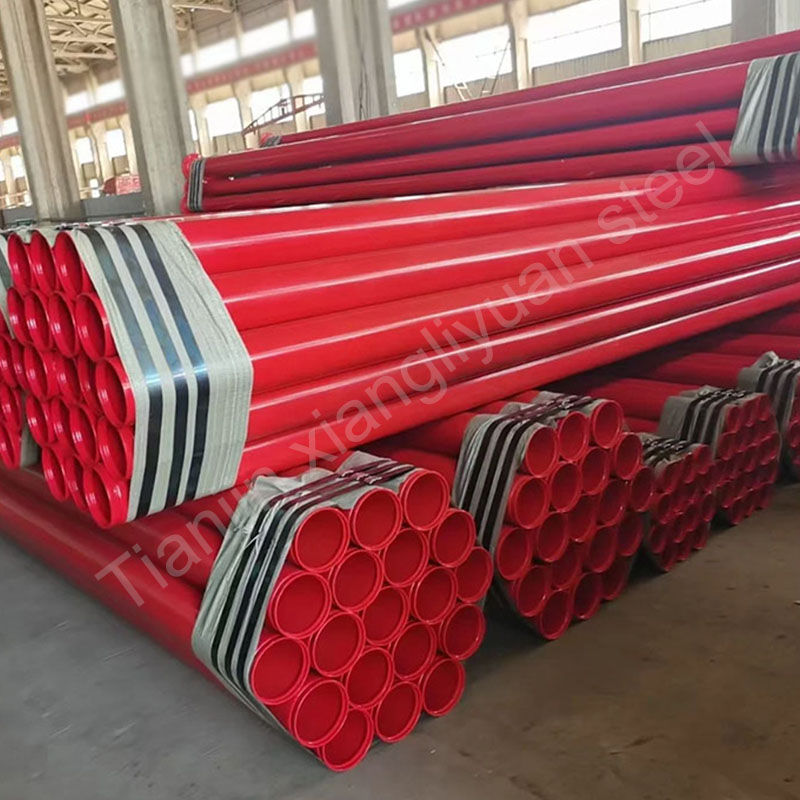
The global steel fire sprinkler pipe market is experiencing robust growth in 2026, driven by tightening fire safety regulations, rapid urbanization, and increasing awareness of life safety in both residential and commercial construction. Valued at US$322 million in 2025, the market is projected to reach US$426 million by 2032, representing a compound annual growth rate (CAGR) of 4.1% . The broader fire protection system pipes market, encompassing all materials, is expected to grow from US$23 billion in 2025 to US$37.24 billion by 2032, reflecting a CAGR of 7.12% .
As a leading supplier of high-quality steel fire sprinkler pipes, Tianjin Xiangliyuan Steel is strategically positioned to serve this growing global demand. Located in the port city of Tianjin, we offer unparalleled logistics advantages, competitive pricing, and strict adherence to international standards including ASTM A53, ASTM A135, and ASTM A795. Our commitment to quality and customer service is reflected in every shipment. Contact our team at infosteel@xlygt.com or visit our website at https://www.xlysteel.com/ to learn how we can support your fire protection projects.
1. Market Overview and Growth Drivers
1.1 Regulatory Modernization Driving Demand
One of the most significant growth drivers in the steel fire sprinkler pipe market is the continuous modernization of fire safety codes worldwide. In the United States, the National Fire Protection Association (NFPA) reported that local fire departments responded to approximately 1.38 million fires in 2024, resulting in an estimated 3,920 civilian fire deaths and 11,780 injuries . These sobering statistics underscore the critical importance of reliable fire protection infrastructure and have prompted regulatory bodies to mandate more comprehensive fire suppression systems in new construction.
Key standards governing steel fire sprinkler pipes include:
-
ASTM A53/A53M: Standard specification for black and hot-dipped zinc-coated welded and seamless steel pipe
-
ASTM A135/A135M: Specification for electric-resistance-welded steel pipe
-
ASTM A795/A795M: Standard for black and hot-dipped galvanized welded and seamless steel pipe specifically for fire protection use
-
UL 852 and FM 1630: Certification standards for metallic sprinkler pipe, including hydrostatic testing, bending moment resistance, and vibration testing requirements
-
NFPA 13: Standard for the installation of sprinkler systems
1.2 Urbanization and Infrastructure Expansion
The surge in construction activities in developing economies, particularly in the Asia-Pacific region, is a primary driver of market growth. Rapid urbanization in countries such as China, India, and Southeast Asian nations has led to unprecedented demand for residential, commercial, and industrial buildings, all of which require compliant fire protection systems .
At Tianjin Xiangliyuan Steel, we are proud to be part of this growth story. Our strategic location near Tianjin Port—one of China’s busiest and best-connected ports—enables us to ship directly to major markets across the Americas, Europe, the Middle East, and Asia-Pacific with reduced transit times and competitive freight costs. This logistical advantage is invaluable for contractors and project managers facing tight construction deadlines.
1.3 Industrial Infrastructure and High-Risk Manufacturing
The expansion of industrial infrastructure and high-risk manufacturing sectors has further fueled demand for steel fire sprinkler pipes. Industries such as oil and gas, chemical processing, power generation, and manufacturing require robust fire suppression systems capable of withstanding extreme conditions. Steel pipes, particularly those with internal and external corrosion protection, are the preferred choice for these demanding applications due to their durability, high pressure resistance, and long-term reliability .
2. Technical Specifications and Material Innovations
2.1 ASTM A795: The Benchmark for Fire Protection Piping
ASTM A795 is the primary specification for black and hot-dipped galvanized welded and seamless steel pipe intended for fire protection use. The specification covers pipes ranging from DN 15 to DN 250 and includes three types: Type F (furnace-butt-welded), Type E (electric-resistance-welded), and Type S (seamless) .
Key mechanical properties for ASTM A795 compliant pipes include:
| Property | Requirement |
|---|---|
| Tensile Strength | ≥ 48,000 psi (330 MPa) |
| Yield Strength | ≥ 30,000 psi (205 MPa) |
| Elongation | ≥ 23% (in 2 inches) |
Pipes conforming to ASTM A795 must undergo hydrostatic testing, flattening testing, and non-destructive electric testing during manufacturing and production . Third-party certifications such as UL Listing and FM Approval provide additional assurance of quality and performance .
2.2 Schedule Selection: Balancing Strength and Cost Efficiency
The choice between Schedule 10, Schedule 40, and Schedule 7 pipe wall thicknesses is a critical engineering decision that impacts system performance, installation costs, and long-term reliability.
Schedule 10 steel pipe is increasingly popular in fire sprinkler systems due to its thinner wall thickness compared to Schedule 40, which translates to:
-
Lower material cost per linear foot
-
Reduced overall system weight
-
Lower shipping and handling costs
-
Faster installation
However, it must be recognized that schedules 7, 10, and 40 each have specific applications where they are ideal. Schedule 7 offers the thinnest wall among the three and is suitable for specific low-pressure applications, while Schedule 40 provides maximum strength and is often specified for systems requiring higher pressure ratings or where external mechanical loads are a concern. The growing trend toward Schedule 7 and Schedule 10 steel pipe in fire protection systems is driven by cost optimization and reduced carbon footprint, while maintaining compliance with NFPA 13 and UL/FM requirements .
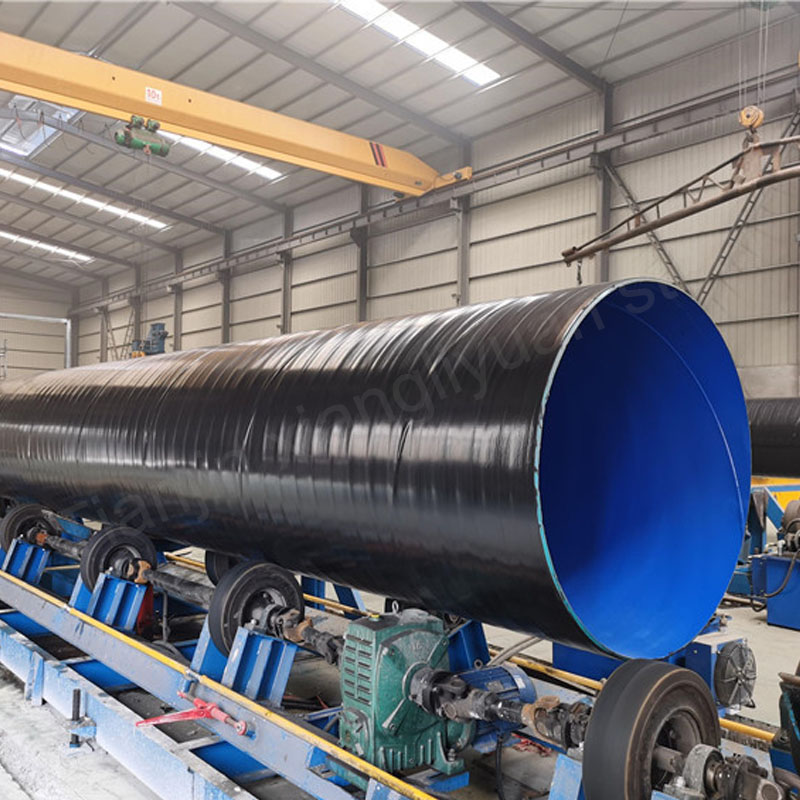
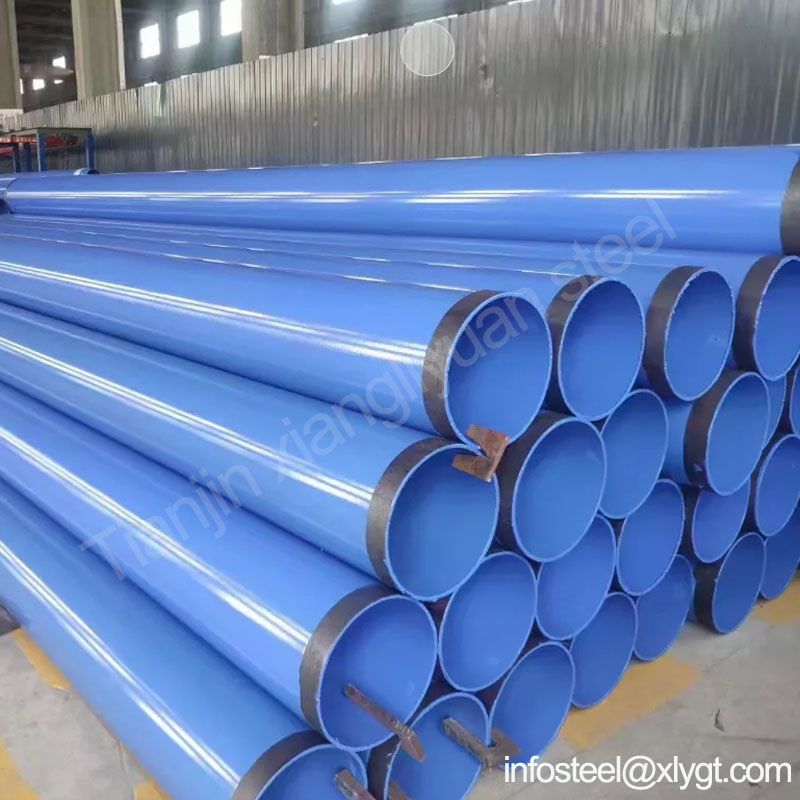
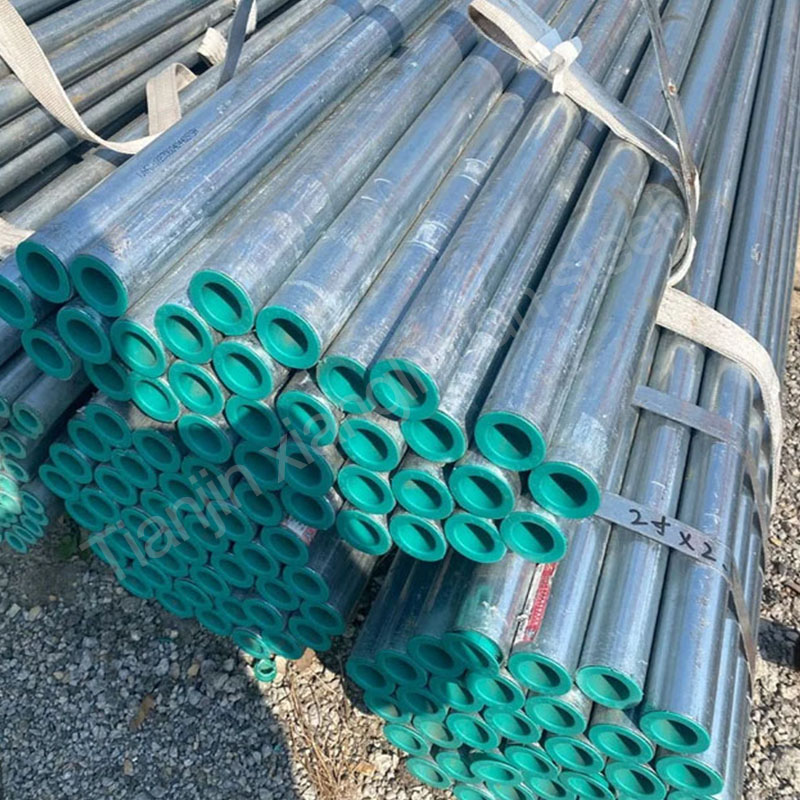
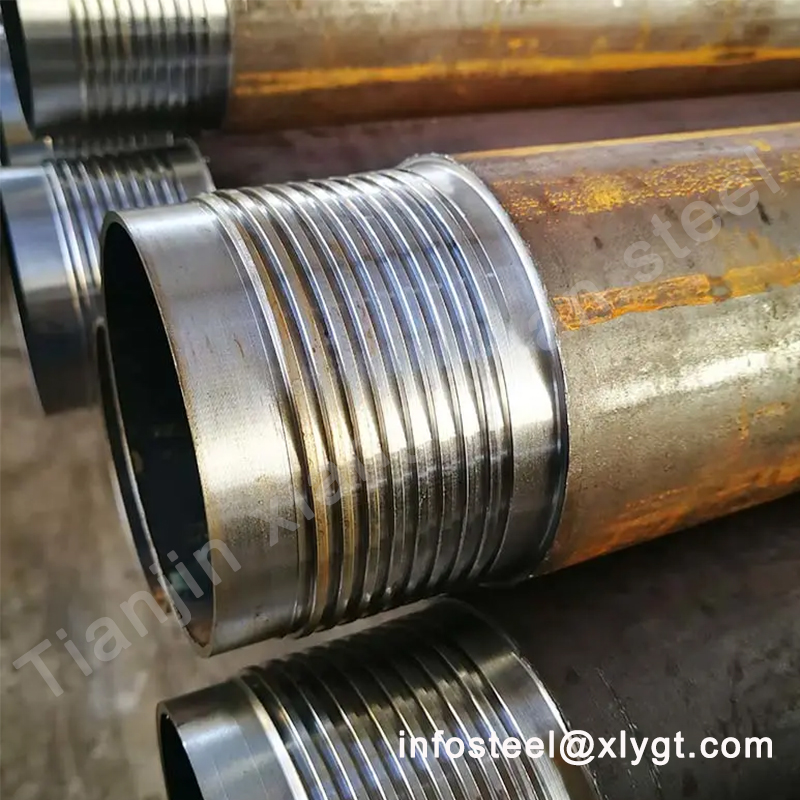
Tianjin Xiangliyuan Steel offers a comprehensive range of fire fighting steel pipe in Schedule 10, Schedule 40, and Schedule 7, with sizes available from ½″ to 12″ NPS. Our products are available in black or hot-dip galvanized finishes, with plain, threaded, or grooved ends to suit your installation requirements.
2.3 Corrosion Protection: The Galvanized vs. Black Steel Debate
Corrosion remains one of the most significant challenges in fire sprinkler systems. The primary and predominant form of corrosion is oxygen corrosion, which occurs when dissolved oxygen in water reacts with free iron on pipe walls . This electrochemical process can lead to the formation of iron oxide (rust), pipe wall thinning, and eventually pinhole leaks.
Galvanized steel pipe offers protection through two mechanisms:
-
The zinc layer acts as a barrier, preventing corrosive fluids from contacting the underlying steel
-
Zinc serves as a sacrificial anode, corroding preferentially to protect the base metal
However, the industry has evolved significantly in its understanding of when galvanized pipe is appropriate. Recent guidance from FM Global and the US Department of Defense Fire Code indicates:
-
FM Global Data Sheet 2-1: Do not use galvanized pipe in wet systems; it may be used in dry-pipe and preaction systems if nitrogen will be used for pressure maintenance
-
US DoD UFC 3-600-01: Galvanized piping is only permitted for deluge sprinkler systems, valve trim, and drain piping exposed to the building exterior
-
NFPA 13 (2016 Edition): Does not require the use of galvanized steel piping in dry and preaction sprinkler systems
The key insight is that galvanized pipe performs poorly in dry and preaction systems where residual water pools and oxygen are present, leading to rapid localized corrosion and potential failure within two to three years .
Tianjin Xiangliyuan Steel manufactures both black steel and hot-dip galvanized fire protection pipe to meet these varied application requirements. Our galvanized pipe is produced with a uniform zinc coating that meets ASTM A123/A123M specifications, ensuring consistent quality and corrosion protection for appropriate applications.
2.4 Seamless vs. Welded Steel Pipe
The global steel fire sprinkler pipe market is segmented by pipe type into welded steel pipe and seamless steel pipe . The selection between these options depends on project requirements:
Welded steel pipe (Electric Resistance Welded – ERW) offers:
-
Lower cost compared to seamless
-
Excellent dimensional accuracy
-
Suitable for most fire protection applications
-
Wide availability in standard sizes and schedules
Seamless steel pipe provides:
-
Uniform wall thickness and grain structure
-
Superior pressure handling capability
-
Greater resistance to stress corrosion cracking
-
Ideal for high-pressure or critical applications
Both types are covered under ASTM A795 and are acceptable for fire protection use. Tianjin Xiangliyuan Steel supplies both ERW welded and seamless fire sprinkler pipe, allowing our clients to select the most cost-effective solution for their specific project requirements.
3. Global Demand Outlook by Region
3.1 Asia-Pacific: The Fastest Growing Market
The Asia-Pacific region is the fastest-growing market for steel fire sprinkler pipes, driven by massive infrastructure investment, rapid urbanization, and strengthening fire safety regulations. China, India, Japan, South Korea, and Southeast Asian nations represent key markets .
China, as both the world’s largest steel producer and a major construction market, is central to this growth. However, the global market landscape is shifting, with increasing demand for high-quality, certified pipes that meet international standards. This is where Tianjin Xiangliyuan Steel excels. Our location in Tianjin—a major port city—positions us as an ideal supplier for international clients. We can ship directly from our factory to customers across the Asia-Pacific region, the Americas, Europe, and the Middle East with minimal inland transportation costs and expedited delivery times.
3.2 North America
The North American market for steel fire sprinkler pipes is characterized by stringent regulatory requirements, including UL Listing and FM Approval, which are mandatory for many projects . The growing focus on retrofitting existing buildings with modern fire suppression systems, as well as new construction in both residential and commercial sectors, continues to drive demand.
Tianjin Xiangliyuan Steel offers UL/FM-certified options for projects requiring third-party approvals, ensuring compliance with North American regulatory requirements.
3.3 Europe and Middle East
European markets are increasingly focused on sustainability and corrosion resistance, with demand for plastic-coated steel pipe and high-performance galvanized products on the rise. The Middle East, with its significant construction and infrastructure investment, represents a rapidly growing market for fire protection pipes . Our product portfolio includes EN 10255 compliant fire fighting steel pipe to serve European clients, and we can readily supply to Middle Eastern markets via direct sea routes from Tianjin Port.
4. The Tianjin Xiangliyuan Steel Advantage
4.1 Strategic Location and Logistics
Tianjin Xiangliyuan Steel is headquartered in Tianjin, one of China’s most important port cities. Tianjin Port is a major gateway for international trade, with direct shipping routes to North America, Europe, the Middle East, Southeast Asia, and beyond. Our proximity to the port offers our clients several key advantages:
-
Expedited shipping times with direct sailings to major global ports
-
Reduced inland transportation costs as we are located directly adjacent to the port
-
Simplified logistics and customs clearance through a well-established export infrastructure
-
Flexibility in container consolidation and shipping schedules
4.2 Quality Assurance and Compliance
At Tianjin Xiangliyuan Steel, quality is our top priority. Our manufacturing processes are ISO 9001-certified, and our fire protection pipe meets rigorous international standards including:
-
ASTM A53/A53M
-
ASTM A135/A135M
-
ASTM A795/A795M
-
UL 852 and FM 1630 (certified options available)
-
NFPA 13 compliance
-
EN 10255 (for European clients)
Every shipment undergoes comprehensive inspection, including dimensional verification, hydrostatic testing, and surface finish assessment, to ensure compliance with your project specifications .
4.3 Product Portfolio
We offer a complete range of steel fire sprinkler pipes:
| Product Type | Sizes | Schedules | Finishes |
|---|---|---|---|
| ERW Welded Steel Pipe | ½″ to 12″ NPS | Schedule 7, 10, 40 | Black, Hot-Dip Galvanized |
| Seamless Steel Pipe | ½″ to 12″ NPS | Schedule 40, 80 | Black, Hot-Dip Galvanized |
| Plastic-Coated Steel Pipe | ½″ to 12″ NPS | Schedule 10, 40 | Flame-retardant epoxy coating |
Available end finishes include plain ends, threaded ends, and grooved ends (roll grooved) to suit your connection requirements .
4.4 Commitment to Customer Service
We understand that international procurement can be complex. That’s why we offer:
-
Dedicated technical support to assist with product selection and specification compliance
-
Transparent communication throughout the order process
-
Competitive pricing without compromising quality
-
Flexible order quantities from container loads to project-specific bulk orders
5. Future Trends and Outlook
5.1 Corrosion-Resistant Technologies
The development of advanced corrosion protection technologies is a key trend in the steel fire sprinkler pipe market. Plastic-coated steel pipe, internal epoxy linings, and advanced galvanizing processes are gaining traction. Additionally, the use of nitrogen inerting systems to control oxygen corrosion in dry and preaction systems is being increasingly adopted .
5.2 Smart Monitoring and IoT Integration
The integration of smart monitoring systems and IoT technology with fire protection infrastructure is expected to significantly enhance market demand . Real-time monitoring of pipe condition, pressure, and corrosion levels can enable predictive maintenance and reduce the risk of system failure.
5.3 Sustainability and Lightweighting
The push for sustainable construction practices and carbon footprint reduction is driving demand for thinner-wall Schedule 7 and Schedule 10 steel pipe, which uses less material and reduces shipping weight while maintaining structural integrity .
5.4 Growing Adoption in Residential Construction
The expanding installation of fire sprinkler systems in residential buildings is creating new demand for steel fire sprinkler pipes. This trend is driven by building code changes and increased awareness of residential fire safety .
The global steel fire sprinkler pipe market is poised for sustained growth in 2026 and beyond, driven by regulatory modernization, urbanization, and increasing awareness of life safety. As the industry continues to evolve, the demand for high-quality, certified pipes that meet stringent international standards will only intensify.
Tianjin Xiangliyuan Steel stands ready to meet this demand. With our strategic location in the port city of Tianjin, adherence to international quality standards, and comprehensive product portfolio, we are the ideal partner for your fire protection pipe procurement needs. Our commitment to quality, competitive pricing, and excellent customer service ensures that your projects are completed on time and within budget.
For more information about our steel fire sprinkler pipe offerings, or to discuss your specific project requirements, please contact us:
-
Email: infosteel@xlygt.com
-
Website: https://www.xlysteel.com/
-
Address: Tianjin, China (near Tianjin Port for optimal shipping)
We look forward to serving your fire protection pipe needs with professionalism, quality, and reliability.