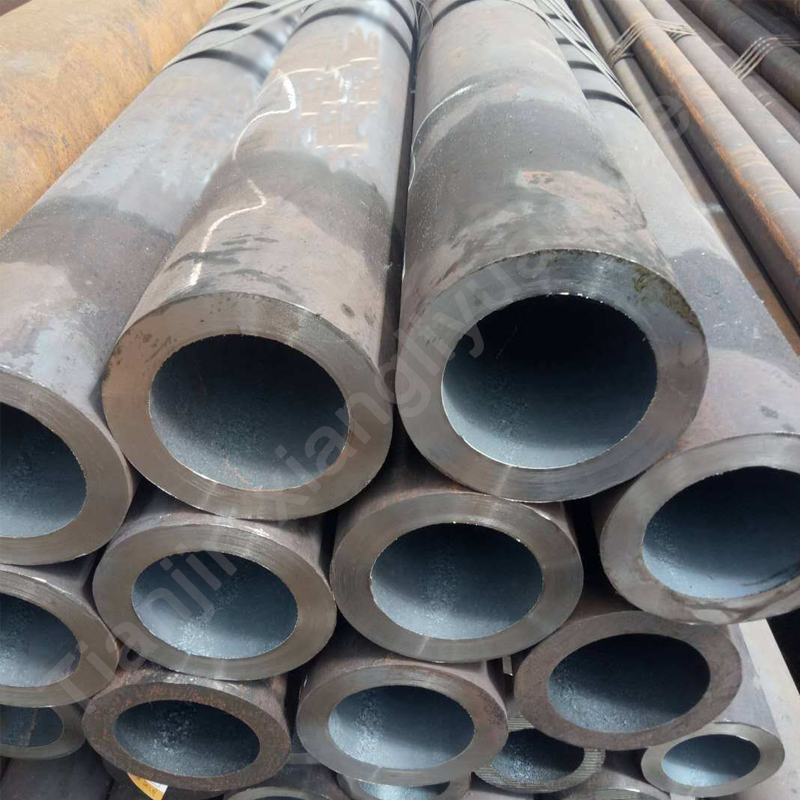
When specifying carbon steel seamless tubes for high-pressure boilers, superheaters, and heat exchangers, precision is not just a requirement—it is a safety imperative. Selecting the correct standard ensures operational efficiency, longevity, and compliance with international safety codes. Among the global standards, ASTM A179, ASTM A192, and ASTM A210 stand as the three pillars of the power generation and petrochemical heat transfer industry.
As a reliable supplier with decades of metallurgical experience, Tianjin Xiangliyuan Steel provides a detailed technical breakdown of these standards. We combine rigorous manufacturing quality with the logistical advantages of shipping directly from Tianjin Port—one of the world’s busiest industrial hubs.
1. The Critical Role of Cold-Drawn Seamless Tubes
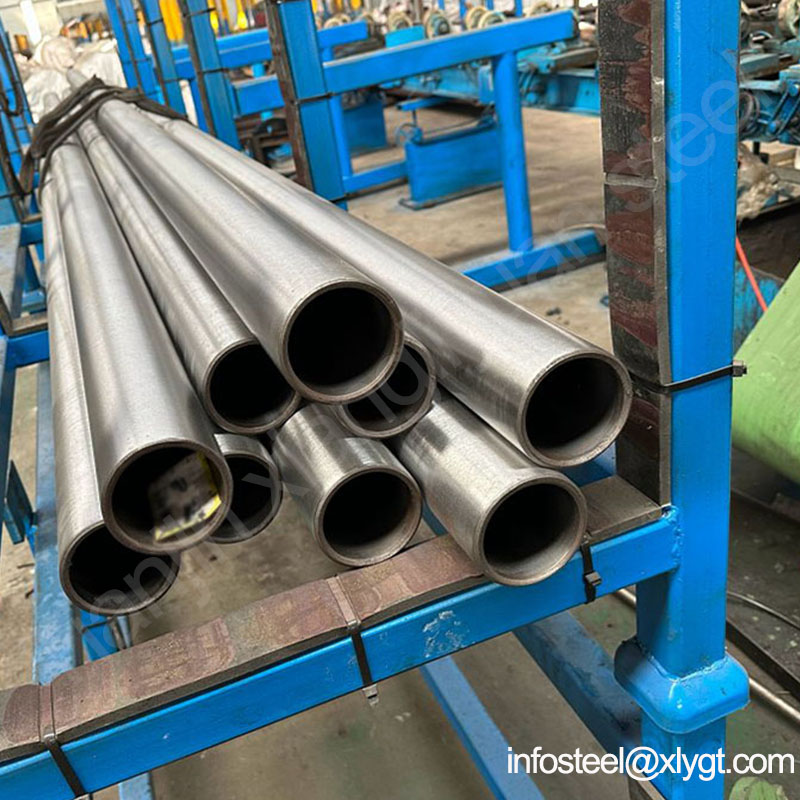
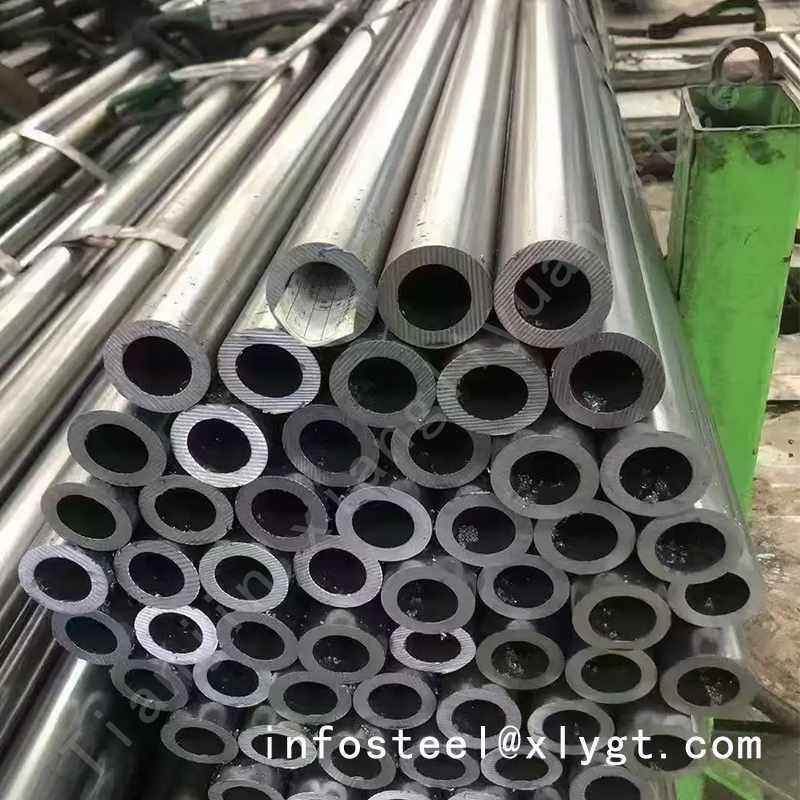
Before diving into specific grades, it is essential to understand the manufacturing process. All three standards require cold-drawn seamless production. Unlike welded pipes, cold drawn seamless tubes offer superior dimensional accuracy, smoother surface finishes, and uniform grain structure. This is vital for high-pressure fluid transmission where even microscopic weak points can lead to catastrophic failure.
Why Seamless for Heat Transfer?
In shell and tube heat exchangers or water-tube boilers, the pipes act as the barrier between fire/heat and the fluid. Seamless construction ensures there is no weld seam to corrode preferentially or burst under thermal fatigue.
2. ASTM A179: The Benchmark for Heat Exchangers
ASTM A179 / ASME SA179 covers seamless cold-drawn low-carbon steel tubes for tubular heat exchangers, condensers, and similar heat transfer apparatus.
Chemical Composition & Mechanical Limits
To ensure high ductility and formability for bead rolling into tube sheets, A179 maintains tight carbon control:
-
Carbon (C): 0.06 – 0.18%
-
Manganese (Mn): 0.27 – 0.63%
-
Phosphorus (P): ≤ 0.035%
-
Sulfur (S): ≤ 0.035%
Mechanical Requirements:
-
Tensile Strength: ≥ 325 Mpa
-
Yield Strength: ≥ 180 Mpa
-
Hardness (HRB): ≤ 72
Our Professional Insight:
At Tianjin Xiangliyuan Steel, we stock ASTM A179 seamless tubes specifically optimized for U-bending. Low-carbon content, combined with strict annealing controls, ensures that our tubes meet the required grain size without cracking during the bending process—a common issue for heat exchanger manufacturers.
3. ASTM A192: High-Pressure Boiler Duty
While A179 is for heat transfer, ASTM A192 / ASME SA192 steps up the requirements for high-pressure boiler service. These tubes are designed for the demanding environment of boiler headers and water walls where pressure exceeds standard operating limits.
Why Choose A192 over A179?
A192 has higher manganese requirements and specific heat treatment protocols to handle high-pressure boiler environments.
-
Similar Chemistry: 0.06-0.18% C, 0.27-0.63% Mn.
-
Stricter Processing: Requires more rigorous hydrostatic testing and non-destructive examination (NDE).
-
Hardness Limit: ≤ 77 HRB.
Application:
Used primarily for boiler tubes, economizers, and superheaters where metal temperatures are consistently high. The improved de-oxidation process of A192 reduces the risk of intergranular oxidation, extending the lifespan of power plant boilers.
4. ASTM A210: The Medium-Carbon Solution (Grades A-1 and C)
When temperatures and pressures rise significantly, engineers turn to ASTM A210. This standard covers seamless medium-carbon steel boiler tubes and superheater tubes. It is available in two primary grades: A-1 and Grade C.
Comparative Analysis: A210 Grade A-1 vs. Grade C
The higher carbon content in these grades provides superior creep strength at elevated temperatures, crucial for superheater tubes.
| Property | ASTM A210 Grade A-1 | ASTM A210 Grade C |
|---|---|---|
| Carbon (max) | 0.27% | 0.35% |
| Manganese | ≤ 0.93% | 0.29 – 1.06% |
| Tensile Strength | ≥ 415 Mpa | ≥ 485 Mpa |
| Yield Strength | ≥ 255 Mpa | ≥ 275 Mpa |
| Hardness (max) | 79 HRB | 89 HRB |
Expert Note:
While A210 Grade C offers higher strength, its weldability is reduced compared to A179. We recommend Grade C for superheater tubes where exposure to flue gas erosion requires a harder surface. For general boiler applications, A210 A-1 balances cost and performance.
5. Sourcing from China: Why Logistics Matter (Tianjin Port Advantage)
In international procurement, lead time and logistics are as critical as metallurgy. This is where Tianjin Xiangliyuan Steel holds a decisive advantage over inland competitors.
Our headquarters and main distribution center are strategically located in Tianjin, China—just a short transit distance from Tianjin Port, the largest comprehensive port in Northern China and a major gateway for steel exports to Southeast Asia, the Middle East, Africa, Europe, and the Americas.
The “Tianjin Port Logistics Advantage” for Boiler Tubes:
-
Reduced Inland Freight Costs: Sourcing from inland Chinese factories often adds 20–50 per ton in trucking fees to the port. Our proximity eliminates this markup.
-
Faster Roll-on/Roll-off (RoRo) Access: We coordinate vessel loading schedules tightly. Whether you require FOB Tianjin or CIF terms, we ensure your seamless carbon steel pipes are loaded safely and swiftly.
-
Professional Export Packing: For high-pressure seamless tubes, protecting the bevel ends and internal walls is vital. Our warehouse in Tianjin utilizes waterproof woven bags, plastic end caps, and steel bundling standards exceeding export requirements.
6. Quality Assurance and Global Compliance
Trustworthiness is earned through verification. Every shipment from Tianjin Xiangliyuan Steel includes rigorous compliance checks.
Inspection Protocols:
-
Eddy Current Testing (ET) / Ultrasonic Testing (UT) : 100% NDT to detect lamination or subsurface defects.
-
Hydrostatic Testing: Ensuring burst pressure margins meet ASME Boiler and Pressure Vessel Code.
-
Third-Party Inspections: We welcome SGS, BV, or TUV inspections at our facility to verify chemistry and flaring/flattening tests.
Your Assurance:
We provide Mill Test Certificates (MTC) traceable to the original Chinese steel mills (such as Baosteel or Tianjin Pipe Corporation), ensuring full compliance with ASTM, ASME, and ISO standards.
7. Application Matrix: Selecting the Right Standard
To help procurement managers, here is our quick-selection guide based on end-use:
-
Feedwater Heaters & Condensers: Use ASTM A179. Its excellent thermal conductivity and ductility allow for easy expansion into tube sheets.
-
High-Pressure Boiler Water Walls: Use ASTM A192. It offers a robust safety margin for fluctuating internal pressures.
-
Superheaters & Reheaters (High Temp): Use ASTM A210 Grade A-1 or C. Select Grade C for final-stage superheaters exposed to the highest temperatures.
8. Why Partner with Tianjin Xiangliyuan Steel?
We understand that international buyers require more than just a product—they require a partner who understands Project Logistics, Quality Assurance, and Cost Management.
Our Commitment:
-
Inventory: We maintain a massive stock of seamless boiler quality pipes ranging from 1/2″ to 6″ OD, ready for immediate dispatch.
-
Customization: Capabilities include beveled ends, threading, U-bending, and surface coating (varnish or oiled).
-
Efficiency: Because we are in Tianjin, we can consolidate orders for LCL (Less than Container Load) shipping faster than suppliers in remote industrial zones.
Ready to Source High-Quality Boiler Tubes?
Do not let supply chain delays or substandard materials derail your energy or petrochemical projects. Whether you require ASTM A179 tubes for heat exchangers, A192 boiler tubes for high-pressure headers, or A210 superheater tubes, Tianjin Xiangliyuan Steel is your qualified partner.
Contact us today for a competitive quote and Mill Test Certificate sample.
-
Company: Tianjin Xiangliyuan Steel
-
Email:
infosteel@xlygt.com -
Website:
https://www.xlysteel.com/ -
Shipping Origin: Tianjin Port, China (Accessible to all major global shipping lines)
We look forward to supplying the steel that powers your infrastructure.