In the modern industrial landscape, steel pipes are the unsung heroes that keep our world functioning. They transport our most vital resources, form the skeletons of our tallest buildings, enable our most sophisticated machinery, and facilitate the energy that powers our daily lives. But not all steel pipes are created equal, and different industries demand different levels of precision, quality, and performance.
At Tianjin Xiangliyuan Steel, we have spent decades manufacturing precision steel pipes for clients across the globe. Our portfolio includes seamless steel pipes, ERW steel pipes, LSAW steel pipes, and specialized products for the most demanding applications. Through this experience, we have gained deep insight into how different industries utilize steel pipes and why precision matters in each context. This article explores the top 10 industries that rely on precision steel pipes and examines the specific requirements that drive their choices.
For more information about our products and capabilities, visit our website at https://www.xlysteel.com/ or contact our team at infosteel@xlygt.com.
1. Oil and Gas Industry
The oil and gas sector is perhaps the most demanding consumer of precision steel pipes in the world. From exploration and production to transportation and refining, every stage of the hydrocarbon value chain depends on pipes that can withstand extreme conditions.
Why Precision Matters:
Downhole Applications: In drilling operations, casing and tubing (manufactured to API 5CT standards) must withstand enormous pressures, tensile loads, and corrosive environments thousands of meters below the surface. A wall thickness variation of just a few millimeters can mean the difference between a producing well and a catastrophic failure.
High-Pressure Transmission: Line pipes (manufactured to API 5L specifications) transport oil and gas across continents at pressures that can exceed 100 bar. Precise dimensional control ensures proper fit-up during welding and consistent pressure ratings along the entire pipeline length.
Sour Service: When hydrogen sulfide (H₂S) is present, pipes must meet stringent requirements for resistance to sulfide stress cracking. This demands precise control over chemical composition and heat treatment.
At Tianjin Xiangliyuan Steel, we produce a comprehensive range of oil and gas pipes meeting API, ASTM, and other international standards. Our quality control systems ensure every pipe meets the exacting requirements of this critical industry.
2. Automotive and Transportation Industry
Modern vehicles contain dozens of steel pipe components, from fuel injection systems to brake lines, from exhaust systems to structural reinforcements. The automotive industry’s relentless pursuit of weight reduction, fuel efficiency, and safety has driven significant advances in precision steel pipe manufacturing.
Why Precision Matters:
Hydraulic and Fuel Systems: Brake lines and fuel injection pipes must withstand high pressures while maintaining absolutely leak-proof performance. Dimensional precision ensures proper sealing and reliable operation over millions of cycles.
Exhaust Systems: Stainless steel exhaust pipes must resist corrosion at high temperatures while maintaining precise diameters for proper flow dynamics and emissions control.
Structural Components: Modern vehicles increasingly use high-strength steel tubes for roll cages, chassis components, and crash management systems. Precise wall thickness and mechanical properties are essential for predictable crash performance.
The automotive industry’s just-in-time manufacturing model also demands consistent quality and reliable delivery—requirements that Tianjin Xiangliyuan Steel meets through rigorous quality control and efficient logistics.
3. Construction and Infrastructure
From the framework of skyscrapers to the pilings supporting bridges, structural steel pipes form the backbone of modern construction. The construction industry consumes vast quantities of steel pipes, but even here, precision matters.
Why Precision Matters:
Structural Integrity: Hollow structural sections (HSS) used in building frames must have consistent dimensions to ensure proper load distribution and connection with other structural elements. Variations can create stress concentrations that compromise safety.
Foundation Piling: Piling pipes (often manufactured to ASTM A252) driven deep into the ground must have consistent wall thickness to withstand driving stresses and provide predictable load-bearing capacity.
Concrete Reinforcement: In composite construction, steel pipes filled with concrete (concrete-filled steel tubes) rely on precise dimensional tolerances to achieve the desired composite action between steel and concrete.
Architects and engineers specify materials with confidence when they know the source. Tianjin Xiangliyuan Steel provides certified structural steel pipes with full traceability and documented mechanical properties.
4. Power Generation Industry
The power sector—whether fossil fuel, nuclear, or renewable—depends on precision steel pipes for safe, efficient operation. Different generating technologies have different requirements, but all demand exceptional quality.
Why Precision Matters:
Boiler and Heat Exchanger Tubes: In thermal power plants, boiler tubes and heat exchanger tubes operate at extreme temperatures and pressures. Precise wall thickness is essential for heat transfer calculations and safe pressure containment. Standards like ASTM A179 and ASTM A192 govern these critical components.
Nuclear Applications: Nuclear power plants require the highest levels of quality assurance. Pipes must meet rigorous traceability requirements and often undergo 100% nondestructive examination.
Geothermal Energy: Geothermal wells expose pipes to corrosive brines at high temperatures, demanding precise alloy selection and manufacturing control.
5. Chemical and Petrochemical Processing
Chemical plants transform raw materials into valuable products through processes involving corrosive chemicals, high temperatures, and extreme pressures. The pipes that contain these processes must be precisely engineered for each application.
Why Precision Matters:
Corrosion Allowance: Engineers design piping systems with specific corrosion allowances based on expected service life. Precise initial wall thickness ensures that even after years of gradual corrosion, the pipe maintains adequate strength.
Alloy Steel Grades: Many chemical processes require alloy steel pipes (such as ASTM A335 P11, P22, or P91) with precisely controlled chemistry to resist specific corrosive media.
Fabrication Fit-Up: Chemical plants involve complex piping networks with numerous fittings and connections. Precise dimensional control simplifies field fabrication and reduces the risk of weld defects.
With our extensive experience in alloy steel pipes and our commitment to certified materials, Tianjin Xiangliyuan Steel is a trusted partner to chemical engineering firms worldwide.
6. Water and Wastewater Treatment
While water applications may seem less demanding than oil and gas, the scale of water infrastructure and the specific challenges of corrosion make precision important in this sector as well.
Why Precision Matters:
Large-Diameter Pipelines: Municipal water mains often use large-diameter LSAW or SSAW pipes. Consistent dimensions ensure proper joint assembly and long-term sealing performance.
Internal Linings: Many water pipes receive cement mortar or epoxy linings for corrosion protection. Precise internal diameters ensure uniform lining application and maintained flow capacity.
Pressure Ratings: Water transmission pipelines operate under pressure, and precise wall thickness is essential for pressure rating calculations.
7. Shipbuilding and Offshore Engineering
The marine environment is uniquely hostile to steel. Salt water, wave action, and the constant stress of floating structures create conditions that demand exceptional quality in marine-grade steel pipes.
Why Precision Matters:
Ballast and Bilge Systems: Ships rely on extensive piping networks for ballast control, bilge pumping, and fire protection. Precise dimensions ensure proper fit in confined shipboard spaces.
Offshore Platforms: Offshore oil and gas platforms use steel pipes for everything from structural jackets to process piping. The consequences of failure at sea are severe, driving stringent quality requirements.
Class Society Certification: Marine pipes must be manufactured under the survey of classification societies (such as DNV, ABS, LR, BV) with rigorous testing and documentation.
Tianjin Xiangliyuan Steel produces pipes to marine classification society standards, with full third-party inspection available for shipbuilding and offshore projects.
8. Mechanical and Engineering Applications
Beyond the major process industries, countless mechanical and engineering applications depend on precision steel pipes. From hydraulic cylinders to conveyor rollers, from scaffolding to agricultural equipment, steel tubes are everywhere.
Why Precision Matters:
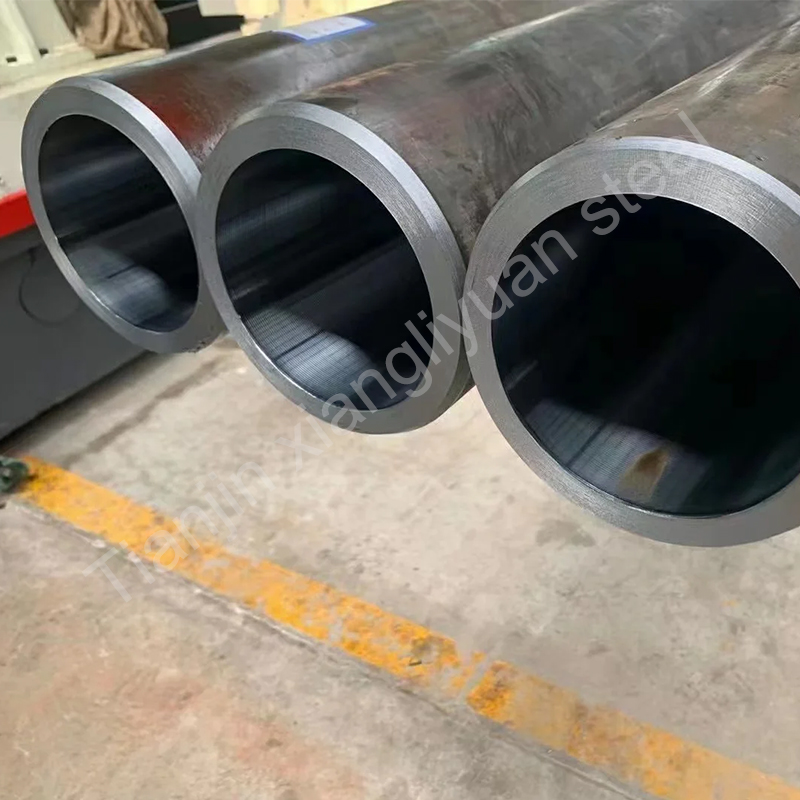
Hydraulic Cylinders: Cylinder barrels require exceptional surface finish and dimensional accuracy to ensure proper seal function and long service life under high pressure.
Machined Components: Many mechanical parts start as steel tubes that are subsequently machined. Consistent dimensions minimize machining allowances and reduce material waste.
Bearing and Roller Applications: Tubes used as rollers in conveyors or printing presses must maintain tight straightness and diameter tolerances for smooth operation.
Our precision mechanical tubing at Tianjin Xiangliyuan Steel is manufactured with the tight tolerances required for direct use in demanding mechanical applications.
9. Mining and Mineral Processing
The mining industry subjects equipment to some of the most abrasive environments imaginable. Pipes transport slurries containing rock fragments that can erode standard steel in months.
Why Precision Matters:
Slurry Transport: Pipes carrying abrasive slurries require precise wall thickness to provide predictable wear life. Advanced wear-resistant steel pipes may incorporate hard facings or ceramic linings.
Mine Dewatering: Removing water from mines requires reliable piping systems that can withstand both internal pressure and external crushing loads.
Structural Support: Underground mines use steel pipes for roof bolting, ground support, and ventilation ducts, where consistent strength is essential for safety.
Tianjin Xiangliyuan Steel offers specialized solutions for mining applications, including wear-resistant pipes and heavy-duty structural supports.
10. Food and Beverage Processing
The food industry places unique demands on piping materials. Hygiene is paramount, and pipes must withstand frequent cleaning with aggressive chemicals while maintaining absolutely smooth surfaces that prevent bacterial growth.
Why Precision Matters:
Sanitary Design: Food processing pipes must have smooth internal surfaces (often electropolished) with no crevices where bacteria can hide. Precise manufacturing ensures consistent surface finish.
Stainless Steel Grades: Stainless steel pipes (such as 304 and 316L) are standard in food applications, with precise control of chemistry ensuring corrosion resistance and weldability.
Clean-in-Place (CIP) Systems: These automated cleaning systems rely on precise pipe diameters to achieve the flow velocities needed for effective cleaning.
While Tianjin Xiangliyuan Steel specializes primarily in carbon and alloy steel products, our expertise in precision manufacturing extends to all materials we produce.
Precision as the Foundation of Performance
Across these ten diverse industries, a common thread emerges: precision is not merely a desirable attribute but a fundamental requirement for safe, efficient, and reliable operation. Whether the application is a deep-sea pipeline, a high-rise building frame, or a food processing line, the performance of the final system depends on the quality of its components.
At Tianjin Xiangliyuan Steel, precision is not just a goal—it is the foundation of everything we do. From our selection of raw materials to our manufacturing processes, from our quality control systems to our documentation practices, we are committed to delivering precision steel pipes that meet the exacting requirements of every industry we serve.
Our manufacturing capabilities include:
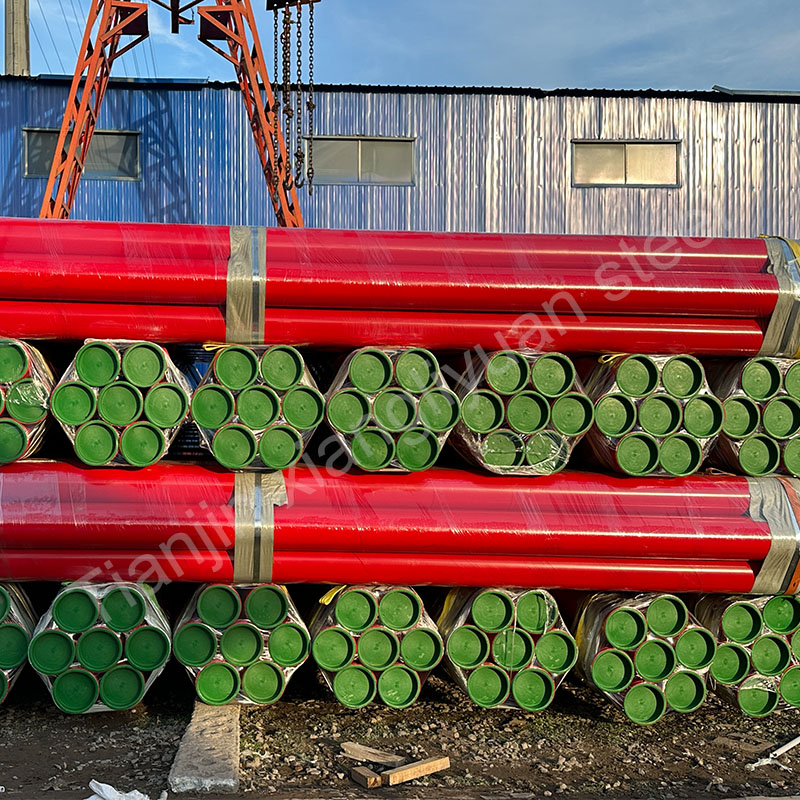
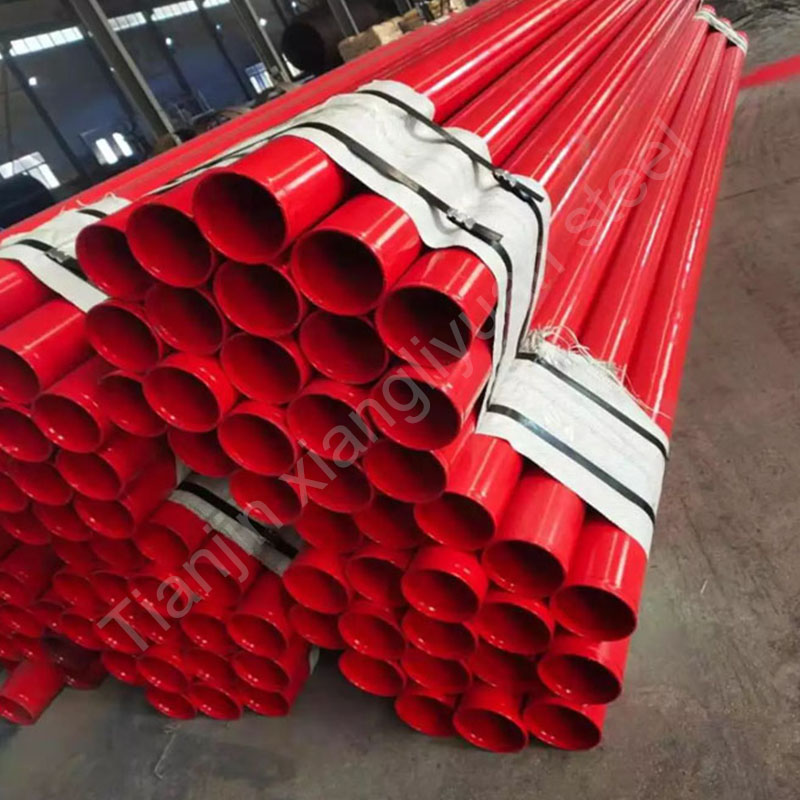
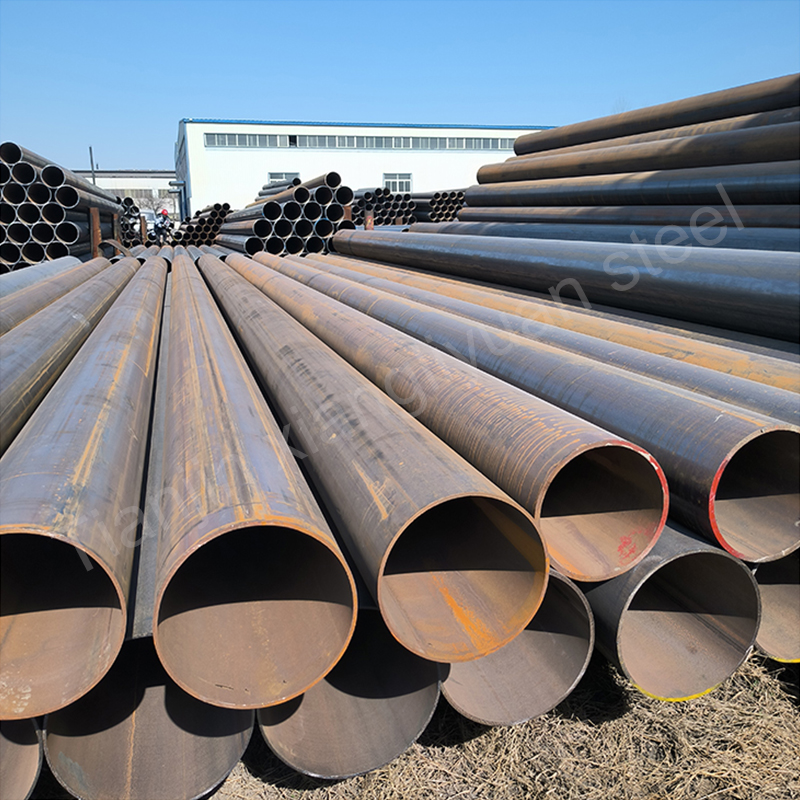
Seamless Steel Pipes: 1/8″ to 26″ NPS, various schedules and grades
ERW Steel Pipes: 1/2″ to 24″ NPS, standard and heavy wall
LSAW Steel Pipes: 16″ to 60″ OD, for large-diameter applications
Alloy Steel Pipes: Grades P11, P22, P91, and others for high-temperature service
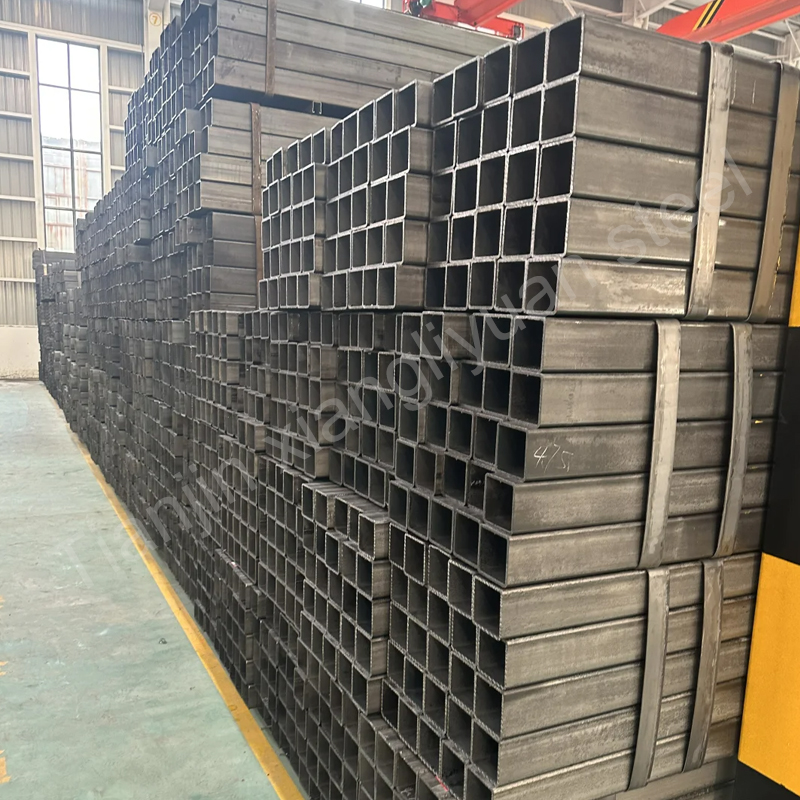
Structural Hollow Sections: Square, rectangular, and round for construction applications
Every pipe leaving our facility is backed by comprehensive Mill Test Certificates ensuring compliance with the specified standard and confirming all chemical and mechanical properties.
Partner with a Precision Manufacturer
When your project demands precision, experience, and reliability, look to Tianjin Xiangliyuan Steel. We combine decades of manufacturing expertise with a deep understanding of the industries we serve. Our technical team works closely with clients to ensure that every order meets the specific requirements of the application.
Ready to Discuss Your Precision Pipe Requirements?
Whether you are planning a major infrastructure project, designing new equipment, or simply exploring options for future needs, we are here to help. Contact our team today for a detailed consultation and competitive quotation.
Email: infosteel@xlygt.com
Website: https://www.xlysteel.com/
Let us put our precision manufacturing capabilities to work for you. Because in the industries that matter most, precision is not optional—it is essential.