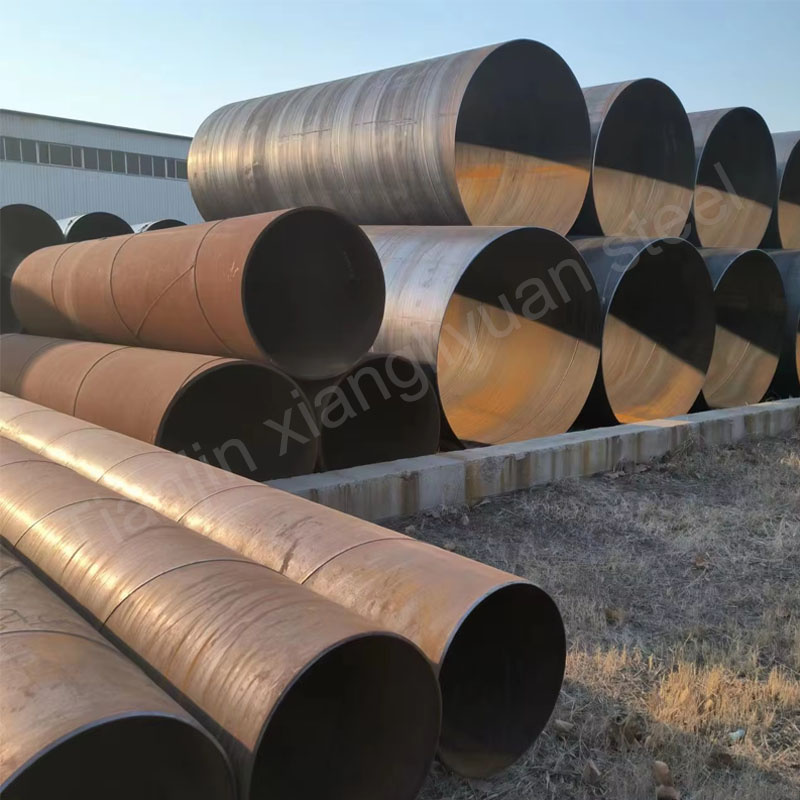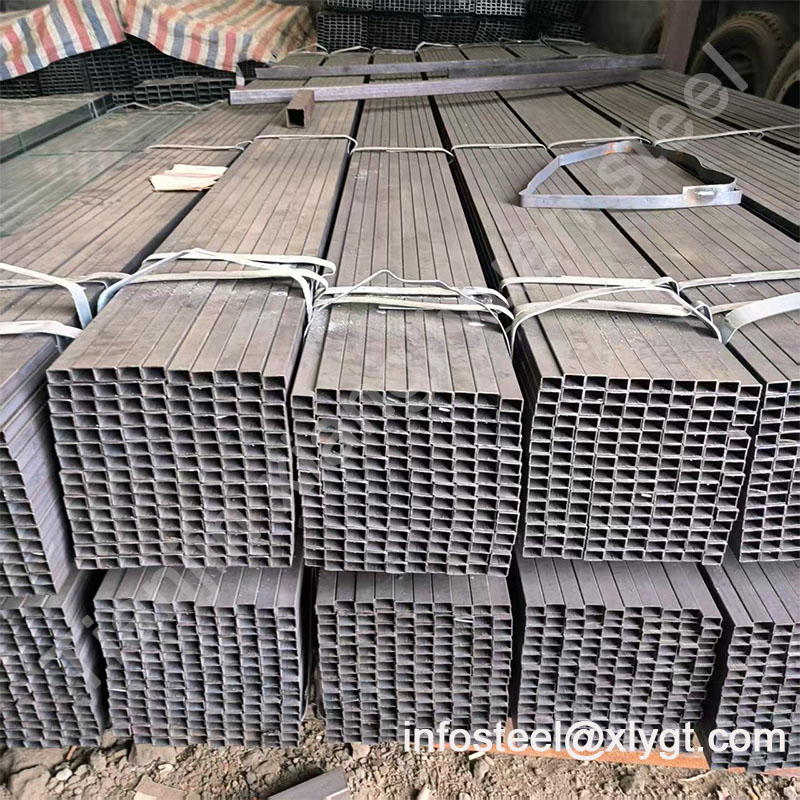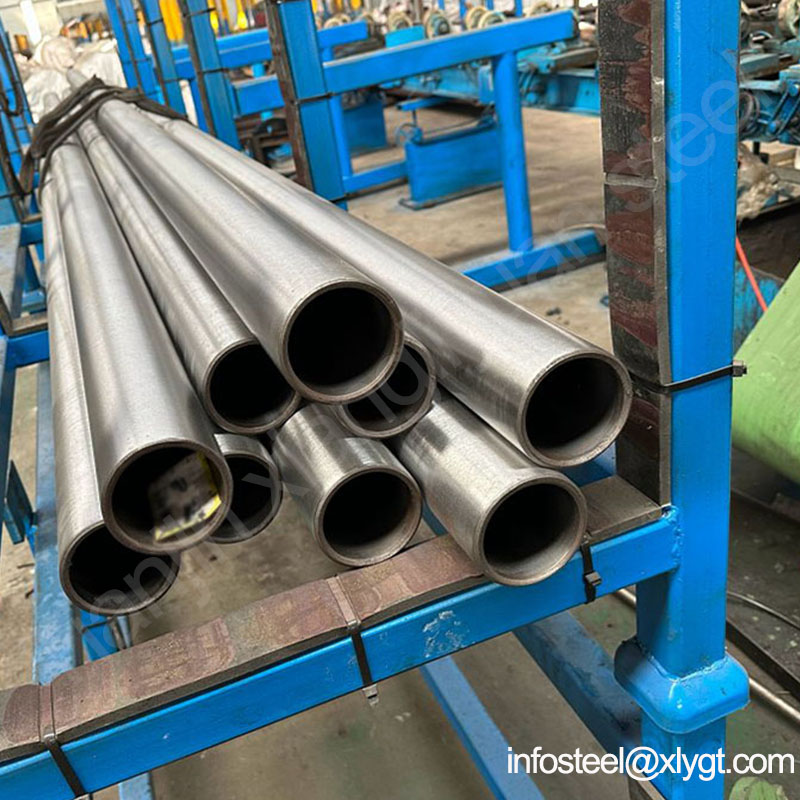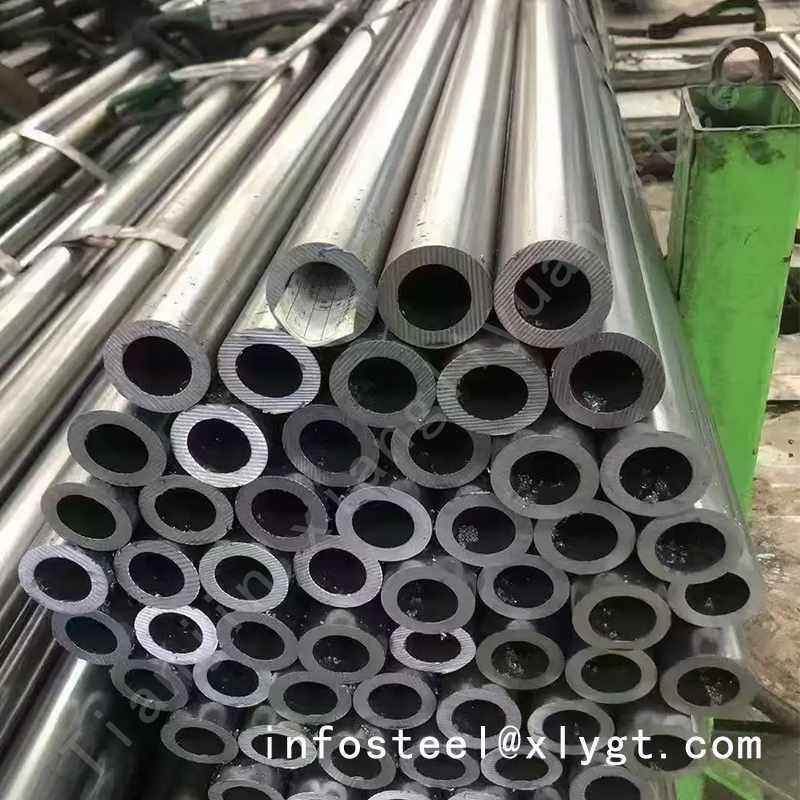
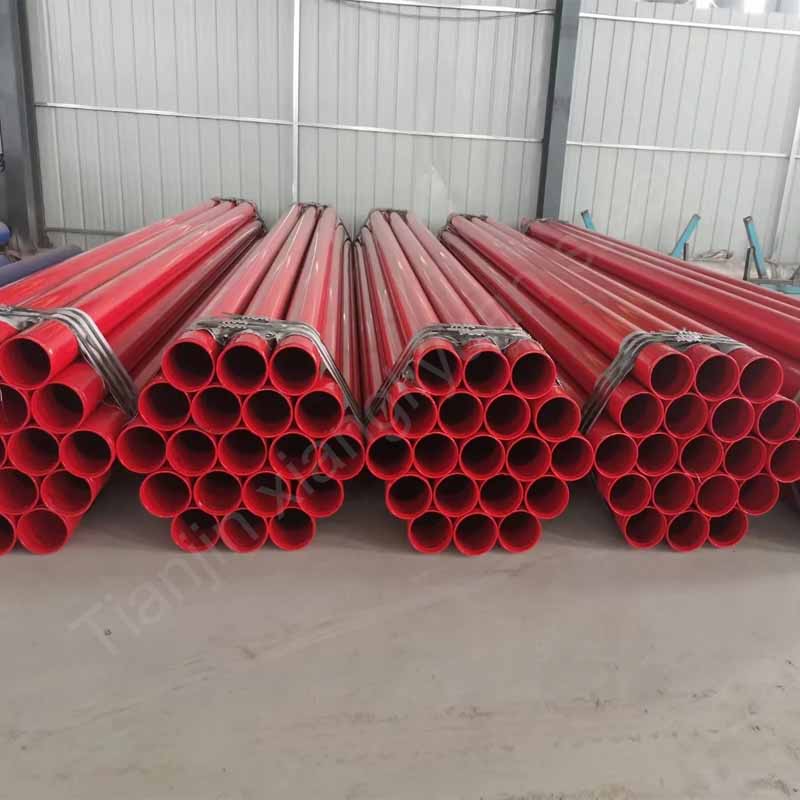
For fire protection systems, the mechanical properties and installation methodologies of steel pipe connections directly determine the operational efficacy of the entire infrastructure. ASME, ASTM, and NFPA standards mandate specific performance thresholds for piping systems, particularly under seismic or surge conditions. As a critical component, the selection between threaded and grooved end connections impacts not only system reliability but also life-cycle costs, maintenance frequency, and project timelines.
Connection Methods
Threaded End Fire Fighting Steel Pipe relies on a tapered thread profile, typically conforming to ASME B1.20.1 (NPT), to achieve a seal through the mechanical interlocking of thread flanks combined with a sealing compound or PTFE tape. Standardization of thread dimensions ensures universal compatibility, yet this connection method requires precision during machining. Compared to grooved systems, threading is considered a mature technique but demands thick-walled pipe schedules to maintain sufficient wall thickness after cutting.
Grooved End Fire Fighting Steel Pipe utilizes a mechanical coupling that consists of a housing, gasket, and bolts. It joins pipes with roll-grooved or cut-grooved ends, where the coupling engages the outer diameter of the pipe. The gasket provides the primary fluid seal, while the housing transfers the axial load. This connection is inherently “self-restrained” without requiring welding or flanging, offering flexibility to accommodate pipe deflection and thermal expansion. Roll-grooving is preferred for thin-wall schedules as it preserves pressure integrity and maintains the pipe’s structural durability under cyclic loading.
Installation Speed
Threaded Connections are commonly used for small-diameter pipes (NPS 2 and below), where installation involves cutting, threading, and applying compound before wrench-tightening. On-site threading machines are indispensable and require skilled operators to prevent cross-threading or over-tightening. While threading itself is quick, the need to cut threads precisely and the risk of leaks from improper tightening reduce the overall speed, especially in large-scale projects where thousands of joints are required. The average time per threaded joint typically takes several minutes when considering the preparation steps.
Grooved End Connections are significantly faster to install, as they only require grooving and bolting the coupling. Field reports consistently confirm this method is up to 3–5 times faster than threading or flanging, particularly in NPS 2½ and above. The grooved coupling’s installation is straightforward: lubricate the gasket, slip the coupling over the grooved ends, and tighten the bolts to a specified torque. Unlike threading, which often necessitates disassembly for adjustments, grooved connections simplify the process, making them adaptable to construction constraints.
Application and Standards
Threaded Connections prevail in small-diameter branch lines and older installations where specific ASTM A53 or ASTM A795 specifications apply. They are permitted under NFPA 13 for pipes NPS 2 and smaller.
Grooved End Connections are recognized by NFPA 13 for all pipe sizes and are widely used in fire pump suction/discharge, standpipes, and seismic zones due to their damping and expansion features.
Overview and Recommendations
For projects emphasizing installation speed and maintenance, grooved systems are the optimal choice. For small branch lines where space is limited, threaded connections remain viable. Regardless of selection, consulting with an experienced steel pipe supplier like Tianjin Xiangliyuan Steel is essential to ensure product compliance with your specific project requirements.
Quality Assurance and Supply Chain Advantages
As a premier supplier in the industry, Tianjin Xiangliyuan Steel is headquartered in Tianjin, China, offering unparalleled logistical advantages due to our proximity to the port. This strategic location ensures significant reductions in freight costs and delivery times, enabling us to ship promptly to destinations worldwide.
Our manufacturing and inspection processes are rigorously monitored to ensure that each pipe meets stringent international standards, including ASTM A53, ASTM A795, and BS EN 10255. With advanced threading machines and grooving equipment, we supply precise cuts and consistent groove dimensions, ensuring compatibility with major coupling manufacturers.
For further details regarding our product portfolio, certifications, or to request a quote, please contact us via our official website:
Email: infosteel@xlygt.com
Website: https://www.xlysteel.com
Our international sales team is dedicated to providing prompt technical support and competitive pricing for your fire protection projects.