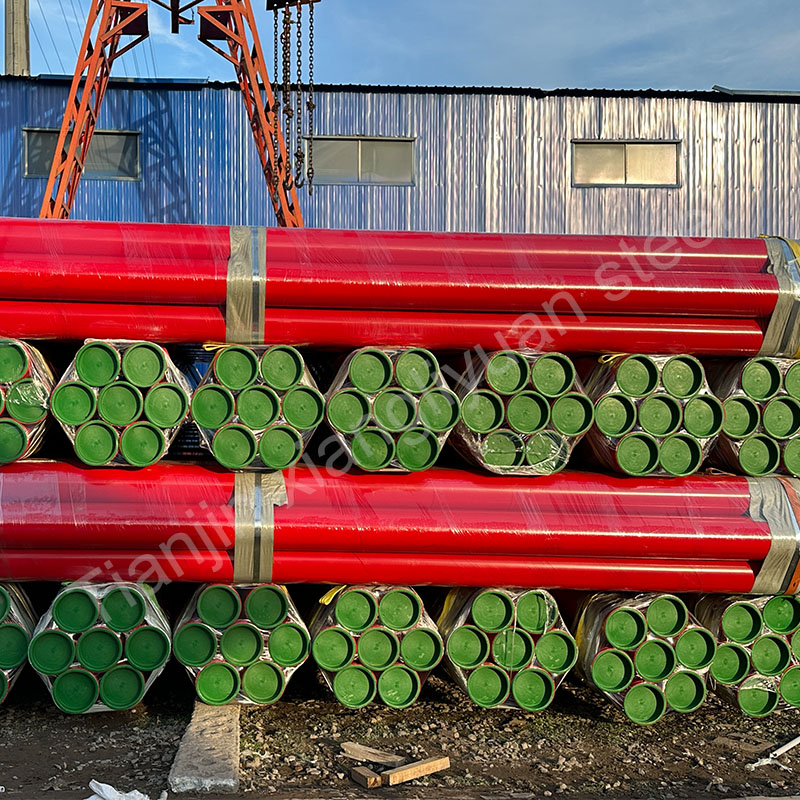
When specifying materials for fire protection systems, engineers and contractors face a critical decision: galvanized steel pipe or black steel pipe? Both materials are widely used in commercial, industrial, and residential fire sprinkler and standpipe systems, but each brings distinct advantages and limitations in terms of corrosion resistance, cost, and installation complexity. This technical comparison provides the rigorous analysis required for informed material selection, grounded in industry standards and real-world performance data.
Understanding the Fundamental Differences
Black Steel Pipe: The Industry Standard
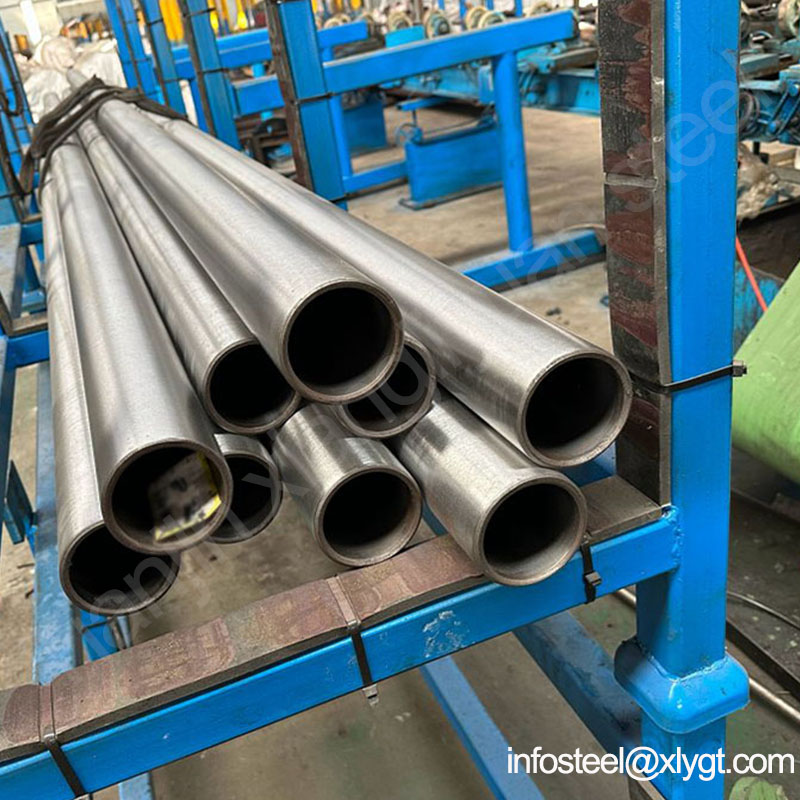
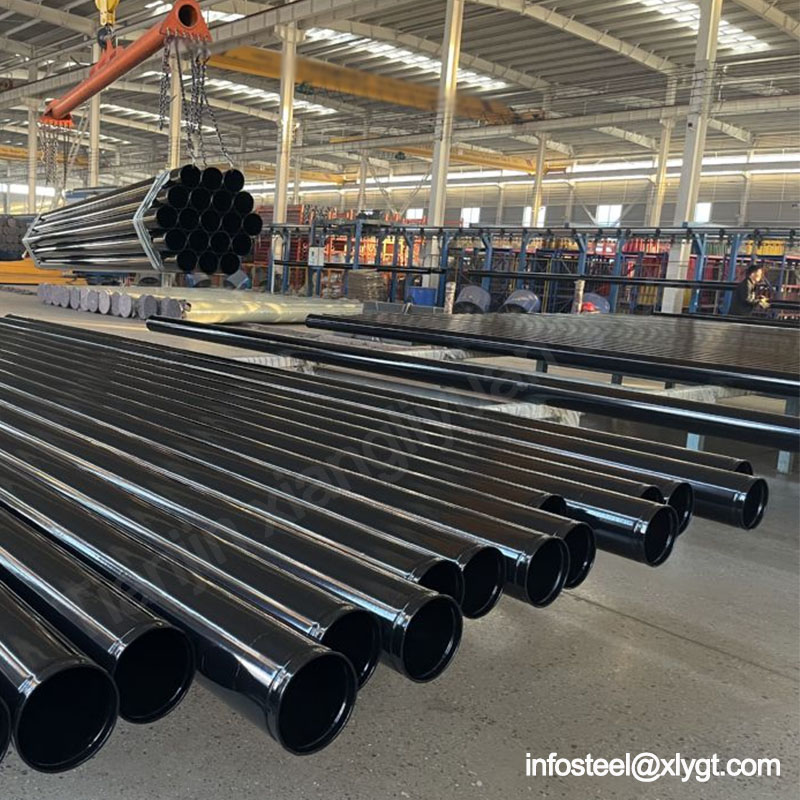
Black steel pipe, also known as black carbon steel pipe, is the most commonly used material for fire sprinkler systems worldwide. Its dark-colored surface results from the formation of iron oxide (magnetite) during the manufacturing process. This oxide layer provides minimal corrosion protection but allows the pipe to be produced cost-effectively.
Key characteristics of black steel fire fighting pipe:
-
High tensile strength and pressure resistance
-
Excellent heat tolerance
-
Relatively low material cost
-
Compatible with threaded, welded, and grooved connections
-
Widely available in Schedule 10 through Schedule 80 wall thicknesses
-
Common in high-rise buildings, warehouses, and industrial facilities
Galvanized Steel Pipe: The Corrosion-Resistant Alternative
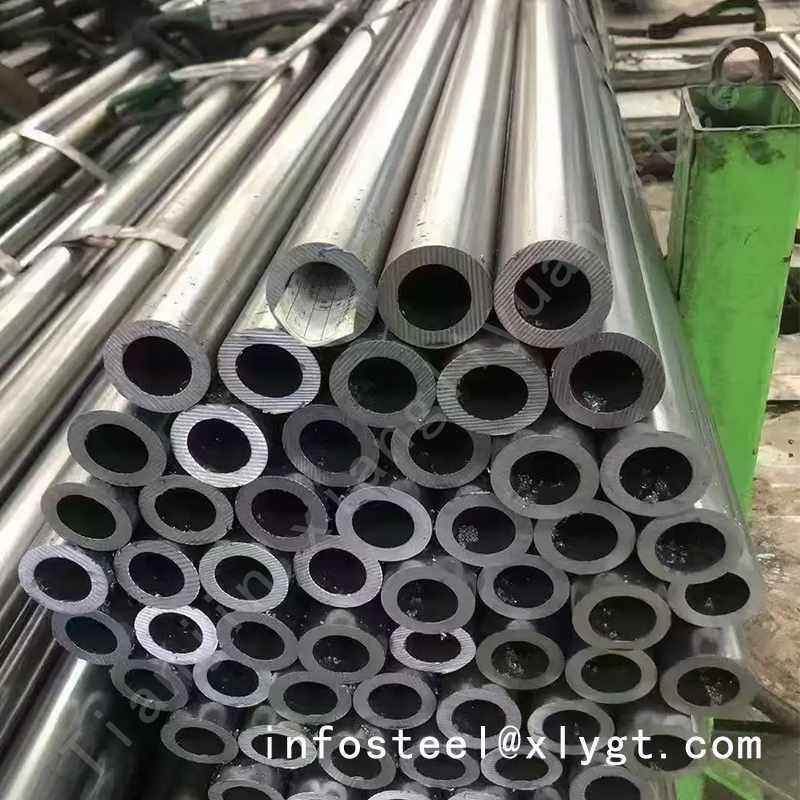
Galvanized steel pipe undergoes a hot-dip galvanizing process where the steel is immersed in molten zinc, creating a protective coating that serves as a sacrificial anode. This zinc layer corrodes preferentially to the underlying steel, extending the pipe’s service life in moisture-prone environments.
Key characteristics of galvanized fire fighting pipe:
-
Superior rust resistance due to zinc coating
-
Extended service life in humid conditions
-
Suitable for wet sprinkler systems in basements, factories, and outdoor applications
-
Higher material cost than black steel
-
More complex installation requirements
Corrosion Resistance: A Critical Technical Analysis
The Corrosion Challenge in Fire Protection Systems
Corrosion in fire sprinkler systems results from the interaction of three elements: oxygen, moisture, and unprotected metal. Industry data reveals alarming statistics: within 25 years, 35% of wet fire sprinkler systems experience significant corrosion issues; for dry and pre-action systems, the figure jumps to 73% within just 12.5 years.
The consequences extend beyond pipe failure—corrosion causes:
-
Sprinkler head blockages from rust deposits
-
Costly system repairs or complete replacement
-
Facility water damage from leaks
-
Reduced hydraulic performance
Corrosion Mechanisms in Black Steel Pipe
Black steel pipe has minimal protective coating, making it susceptible to uniform corrosion—a gradual thinning of the pipe wall. When water and oxygen are present, iron oxidizes, forming rust that accumulates inside the pipe. As one industry authority notes, “The oxygen within the water is quickly dissipated, thus reducing the corrosion potential,” but corrosion continues through uniform wall thinning.
The Fire Protection Association identifies uniform attack as “the most common and least damaging form of corrosion”—and importantly, it is the only type “whereby weight loss or metal loss data from corrosion coupons or ultrasonic testing can be used to precisely estimate corrosion rates and future life expectancy”.
However, black steel pipe systems are also vulnerable to:
-
Pitting corrosion: Localized, rapid metal loss that can cause sudden failure
-
Microbiologically influenced corrosion (MIC): Caused by bacterial activity within stagnant water
-
Galvanic corrosion: When dissimilar metals contact in a conductive environment
Corrosion Mechanisms in Galvanized Steel Pipe
While the zinc coating provides initial protection, galvanized pipe has its own corrosion vulnerabilities. As experts explain, “Galvanized steel pipe does corrode in any pitted area or space where the galvanized coating is damaged or missing”. This is particularly critical because “pitting corrosion… is prevalent in galvanized steel pipe, where any failure of the zinc coating engenders a pitting condition”.
Additionally, galvanized steel pipes in wet sprinkler systems carry a specific risk: zinc flaking. “Sometimes used in wet sprinkler systems, galvanized pipe is less common due to clogging risk from zinc flaking”. Flakes of zinc can detach from the pipe wall and obstruct sprinkler heads or valves.
The Nitrogen Solution: Transforming Corrosion Performance
Independent laboratory testing has demonstrated that corrosion mitigation strategies significantly alter material performance. In an ongoing long-term exposure test comparing black steel and galvanized pipe under compressed air versus 98% nitrogen supervision, the results are striking:
Black steel pipe lifespan:
-
With compressed air: 19.8 years
-
With 98% nitrogen supervision: 60.9 years
Galvanized steel pipe lifespan:
-
With compressed air: 9.2 years
-
With 98% nitrogen supervision: 162.3 years
These findings demonstrate that galvanized pipe actually performs worse than black steel in standard compressed air dry systems (9.2 vs. 19.8 years), but offers exceptional longevity when combined with nitrogen inerting. This underscores the importance of understanding the complete system environment, not just the pipe material in isolation.
Cost Comparison: Material, Installation, and Lifecycle
Material Costs
Black steel pipe offers a significant initial cost advantage. As a widely manufactured commodity, black carbon steel pipe is produced at scale, making it more economical than galvanized alternatives. Material costs increase with wall thickness; standard fire protection applications typically use Schedule 10 or Schedule 40 black steel pipe, with Schedule 80 specified for higher pressure requirements.
Galvanized steel pipe carries a premium due to the hot-dip galvanizing process. The zinc coating adds material cost and requires specialized quality control to ensure coating thickness and uniformity. Industry standards such as AS/NZS 4680 specify a minimum coating of 300 g/m² for hot-dip galvanized pipe.
Installation Costs
Installation cost differentials are equally significant:
Black steel pipe installation:
-
Straightforward threading, welding, or grooving
-
Widely available fittings and experienced labor
-
No special surface preparation required
-
Lower labor costs overall
Galvanized steel pipe installation:
-
Threading or grooving must be performed carefully to avoid damaging the zinc coating
-
Cut ends require field repair with zinc-rich primer to maintain corrosion protection
-
Welding is problematic—the zinc coating vaporizes at welding temperatures, creating toxic fumes and compromising corrosion resistance
-
Requires more skilled labor and careful quality control
Lifecycle Cost Analysis
When evaluating total cost of ownership, the corrosion performance data becomes essential. As one industry expert notes, “The results clearly show that significant cost savings can be realized by using black steel pipe in combination with Nitrogen supervision”. This approach—black steel with proper system design—can achieve 60+ years of service life at a lower initial cost than galvanized pipe.
For systems where nitrogen inerting is not feasible, galvanized pipe may be the better choice for humid environments, despite higher initial costs. The decision must consider:
-
System type (wet, dry, pre-action)
-
Environmental conditions
-
Maintenance capabilities
-
Building occupancy and criticality
-
Local code requirements
Installation Best Practices for Fire Protection Piping
Threaded Connections
For both pipe types, threaded connections require proper technique to ensure system integrity:
-
Cutting: Use a pipe cutter or band saw; avoid abrasive cutting wheels that generate excessive heat
-
Threading: Apply appropriate thread cutting oil; maintain sharp dies for clean threads
-
Thread sealant: Use approved compounds compatible with fire protection systems
-
For galvanized pipe: Immediately coat any exposed steel at cut ends with zinc-rich primer per standards such as AS/NZS 4792
Grooved (Mechanical) Connections
Grooved connections using rigid or flexible couplings offer advantages in fire protection systems:
-
Faster installation than welding or threading
-
Allow for thermal expansion and contraction
-
Simplified system modifications
-
Available for both black and galvanized pipe
For galvanized pipe, grooving must be performed without damaging the zinc coating on the pipe barrel, and cut ends must receive corrosion protection.
Welding Considerations
While welding is common for black steel fire protection piping, it presents challenges for galvanized pipe. Welding burns off the zinc coating, requiring extensive field repair. Additionally, zinc oxide fumes from welding are a health hazard, requiring respiratory protection and adequate ventilation.
For these reasons, most contractors prefer threaded or grooved connections for galvanized fire piping rather than welding.
Regulatory Standards and Code Compliance
NFPA Requirements
The National Fire Protection Association (NFPA) standards govern fire protection system design in many countries:
-
NFPA 13: Standard for the Installation of Sprinkler Systems
-
NFPA 14: Standard for the Installation of Standpipe and Hose Systems
-
NFPA 25: Standard for the Inspection, Testing, and Maintenance of Water-Based Fire Protection Systems
NFPA standards specify material requirements based on system type, building occupancy, and hazard classification. According to industry guidance, “Building Type: Commercial buildings often require steel, while residential homes may use CPVC or PEX”; and “Fire Code Compliance: Must meet NFPA (National Fire Protection Association) standards and local regulations”.
International Standards
Beyond NFPA, international projects must also consider:
-
AS/NZS 3500.1: Plumbing and drainage—Water services, which restricts steel pipe use in certain applications
-
BS EN 12845: Fixed firefighting systems—Automatic sprinkler systems—Design, installation and maintenance
-
ISO 1452: Plastics piping systems for water supply, for CPVC systems
Application-Specific Recommendations
When to Specify Black Steel Pipe
Recommended for:
-
High-rise buildings requiring maximum pressure resistance
-
Wet sprinkler systems with proper corrosion management (e.g., nitrogen inerting)
-
Large industrial facilities where cost efficiency is critical
-
Projects where welding is the preferred joining method
-
Systems with robust maintenance programs
When to Specify Galvanized Steel Pipe
Recommended for:
-
Dry and pre-action systems (particularly where nitrogen inerting is employed)
-
Humid environments such as factories and basements
-
Installations where external corrosion is a concern
-
Systems where extended service life justifies the premium
-
Projects requiring maximum corrosion resistance without additional mitigation
The Tianjin Xiangliyuan Steel Advantage
As a leading steel pipe manufacturer based in Tianjin, China, Tianjin Xiangliyuan Steel brings decades of expertise in producing high-quality fire fighting pipe for international markets. Our location provides a critical logistical advantage—Tianjin is one of China’s busiest port cities, enabling rapid, cost-effective shipping to customers worldwide. This proximity to major shipping routes ensures that your orders arrive quickly and reliably, minimizing project delays and supply chain costs.
Our manufacturing capabilities encompass both black steel pipe and galvanized steel pipe, produced to rigorous international standards:
-
ASTM A53/A53M: Standard Specification for Pipe, Steel, Black and Hot-Dipped, Zinc-Coated, Welded and Seamless
-
ASTM A795: Standard Specification for Black and Hot-Dipped Zinc-Coated (Galvanized) Welded and Seamless Steel Pipe for Fire Protection Use
-
EN 10255: Non-alloy steel tubes suitable for welding and threading
-
BS 1387: Specification for screwed and socketed steel tubes and tubulars
Tianjin Xiangliyuan Steel ensures that every pipe meets the demanding requirements of fire protection systems, with strict quality control at every stage of production. Our export team understands the technical specifications required for projects across North America, Europe, the Middle East, and Southeast Asia, providing knowledgeable support from quotation through delivery.
Making the Right Choice for Your Fire Protection System
The choice between galvanized and black steel fire fighting pipe is not merely a cost decision—it is a system-level engineering choice that affects safety, reliability, and total lifecycle cost. Black steel remains the industry standard due to its strength, availability, and cost-effectiveness, but requires proper corrosion management, particularly in dry systems. Galvanized steel offers enhanced corrosion resistance but demands careful installation to maintain coating integrity and carries a higher initial cost.
As demonstrated by independent laboratory testing, the most economical approach for many applications combines black steel pipe with nitrogen inerting—delivering decades of service life at a fraction of the cost of galvanized alternatives. For humid environments and dry systems where nitrogen is not feasible, galvanized pipe remains an excellent choice.
For expert guidance on selecting the right fire fighting pipe for your project, contact Tianjin Xiangliyuan Steel. Our technical team brings decades of experience in steel pipe manufacturing and fire protection system applications, ready to help you optimize your material selection and supply chain.
Tianjin Xiangliyuan Steel
Your Trusted Partner in Fire Fighting Pipe Solutions
-
Website: https://www.xlysteel.com/
-
Email: infosteel@xlygt.com
-
Location: Tianjin, China – Conveniently located near major international ports for rapid global shipping
Experience, Expertise, Authority, and Trust—backed by rigorous quality control and a commitment to fire safety excellence.