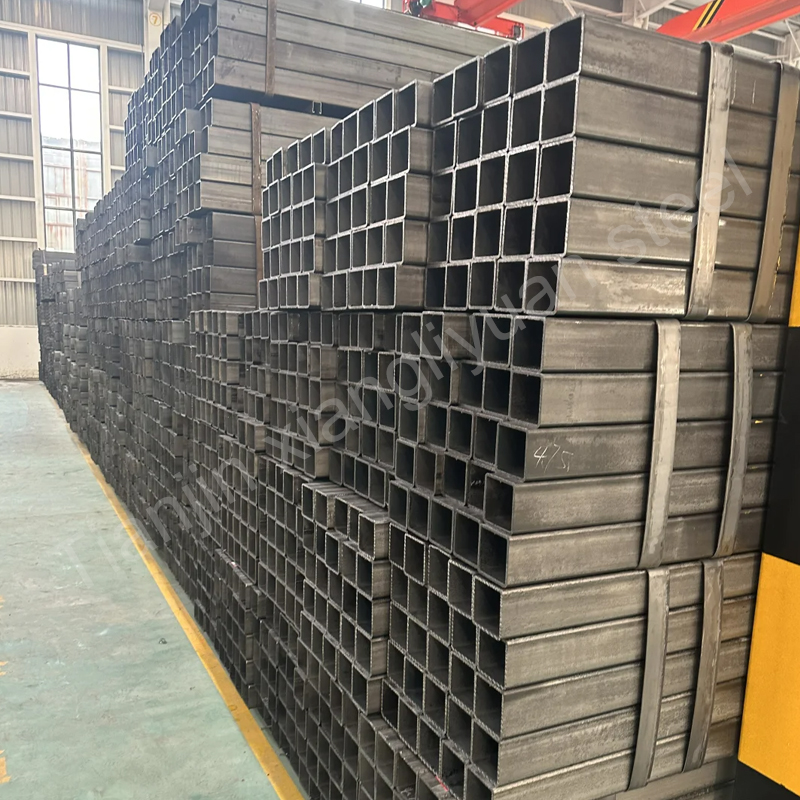
In the realm of modern infrastructure and construction, structural steel pipes serve as the backbone of countless engineering projects worldwide. From deep foundation piling systems to high-rise building frameworks, the selection of appropriate welded steel pipe according to recognized international standards is paramount to project success. At Tianjin Xiangliyuan Steel, we specialize in the supply of high-quality structural welded pipes that meet the most stringent global specifications, leveraging our strategic location in Tianjin—one of China’s premier port cities—to ensure efficient, timely delivery to clients across the globe.
Understanding Structural Steel Pipe Standards
Structural steel pipe applications demand rigorous adherence to material specifications, dimensional tolerances, and mechanical properties. The three most widely recognized standards for structural welded pipe are ASTM A252 (American), EN 10219 (European), and JIS G3444 (Japanese). Each standard addresses specific application requirements while maintaining core principles of structural integrity and performance.
ASTM A252: The American Standard for Piling Applications
ASTM A252 is the predominant specification for welded and seamless steel pipe piles used in deep foundation applications. This standard categorizes pipe into three grades based on minimum yield strength requirements:
| Grade | Minimum Yield Strength (MPa) | Minimum Tensile Strength (MPa) |
|---|---|---|
| Grade 1 | 205 | 345 |
| Grade 2 | 240 | 415 |
| Grade 3 | 310 | 455 |
The standard covers both seamless and welded construction, with welded pipe being the preferred choice for most structural piling applications due to its cost-effectiveness and availability in larger diameters. ASTM A252 pipe is commonly manufactured using Electric Resistance Welding (ERW) for smaller diameters and Submerged Arc Welding (SAW)—both Longitudinal (LSAW) and Spiral (SSAW/HSAW)—for larger diameters up to 3500mm.
EN 10219: The European Standard for Cold-Formed Hollow Sections
EN 10219 specifies the technical delivery conditions for cold-formed welded structural hollow sections of non-alloy and fine grain steels. Unlike ASTM A252 which focuses primarily on piling, EN 10219 covers a broader range of structural applications including building frameworks, bridges, and mechanical structures.
Key steel grades within EN 10219 include:
| Grade | Minimum Yield Strength (MPa) | Minimum Tensile Strength (MPa) |
|---|---|---|
| S235JRH | 235 | 340-470 |
| S275J0H | 275 | 410-560 |
| S355J0H | 355 | 490-630 |
| S355J2H | 355 | 490-630 |
The standard emphasizes impact toughness testing at specified temperatures (0°C for J0 designation, -20°C for J2 designation), making it particularly suitable for projects in colder climates. EN 10219 pipes are available in round, square, and rectangular cross-sections, offering versatility for structural designers.
JIS G3444: The Japanese Standard for General Structural Steel Tubes
JIS G3444 is the Japanese Industrial Standard for carbon steel tubes used in general structural purposes. This standard is widely adopted throughout Asia and the Pacific region, with grades that parallel European and American specifications:
| Grade | Minimum Yield Strength (MPa) | Minimum Tensile Strength (MPa) |
|---|---|---|
| STK400 | 235 | 400 |
| STK500 | 355 | 500 |
| STK540 | 390 | 540 |
JIS G3444 is particularly notable for its straightforward grade designation system and its compatibility with both ERW and SAW manufacturing processes. The standard covers a comprehensive range of dimensions and provides clear guidelines for mechanical testing and quality assurance.
Manufacturing Processes for Structural Welded Pipe
Electric Resistance Welding (ERW)
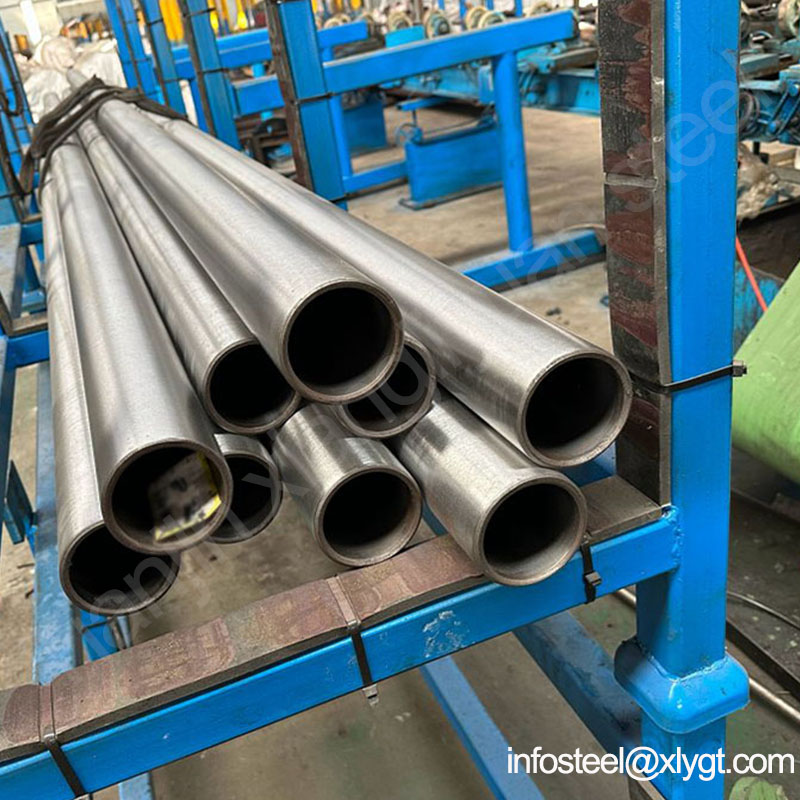
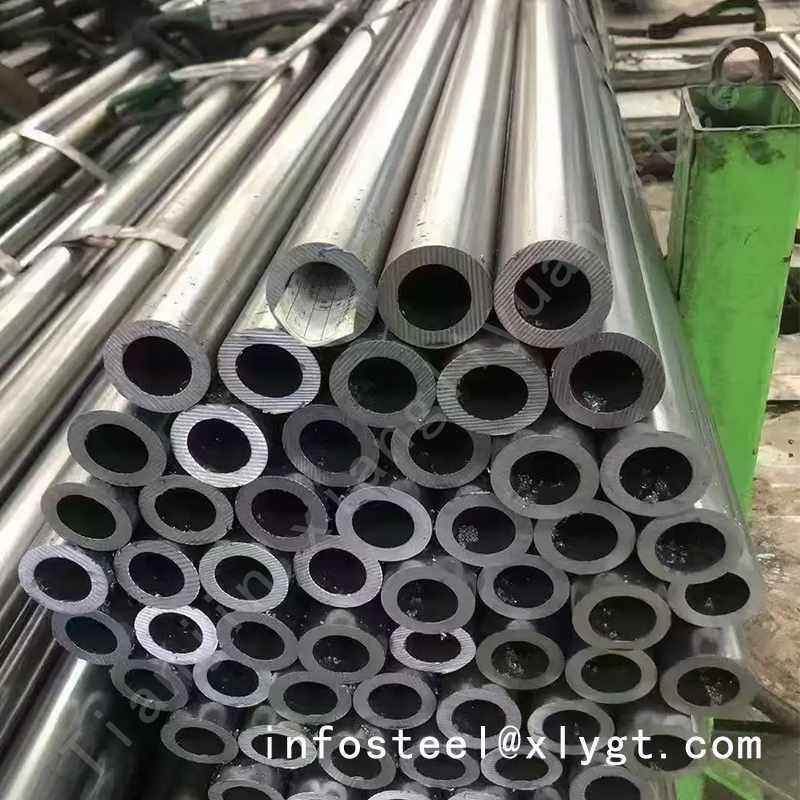
The ERW process is the most common manufacturing method for structural steel pipes up to approximately 660mm in diameter. In this process, steel strip is cold-formed into a cylindrical shape, and the longitudinal edges are heated using high-frequency induction current, then forged together under pressure without the addition of filler metal. Modern HFI (High-Frequency Induction) welding produces weld zones whose quality often rivals that of the base metal, ensuring structural integrity throughout the pipe body.
Submerged Arc Welding (SAW)
For large-diameter structural pipes exceeding 660mm, SAW is the preferred manufacturing method. The process can be divided into two categories:
Longitudinal SAW (LSAW): Produces pipes with a single straight seam, preferred for higher-pressure service and applications demanding uniform stress distribution.
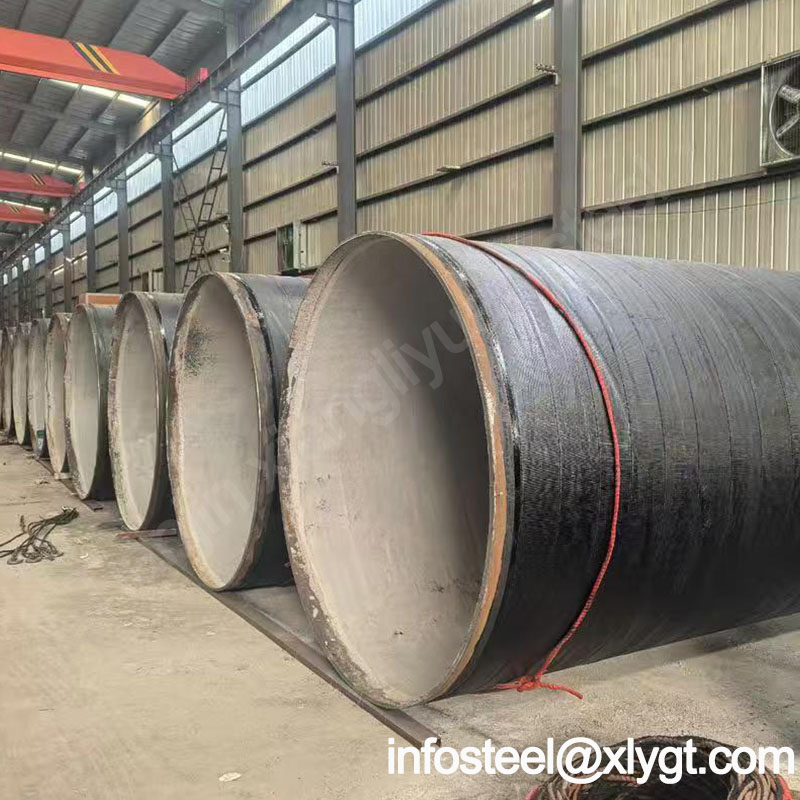
Spiral SAW (SSAW/HSAW): Forms pipes by spirally coiling steel strip at angles of 15-60°, offering material utilization rates 15-20% higher than LSAW while maintaining excellent structural performance. SSAW pipes are particularly suitable for large-diameter water transmission and piling applications.
Quality Assurance and Testing Protocols
At Tianjin Xiangliyuan Steel, we implement comprehensive quality assurance programs that align with international standards. Essential testing procedures include:
Chemical Composition Analysis: Verification of carbon equivalent values, alloying elements, and impurity limits ensures material suitability for structural applications. EN 10219, for instance, specifies maximum carbon equivalent values of 0.19-0.25% for enhanced weldability.
Mechanical Testing: Tensile strength, yield strength, and elongation testing confirm compliance with grade specifications. Charpy V-notch impact testing at specified temperatures validates low-temperature performance—particularly critical for EN 10219 J2 grades and ASTM A252 cold-weather applications.
Non-Destructive Testing (NDT) : 100% weld seam inspection using Ultrasonic Testing (UT) or Radiographic Testing (RT) identifies potential weld defects. Electromagnetic testing verifies dimensional consistency and surface integrity.
Hydrostatic Testing: Pressure testing validates the pipe’s ability to withstand specified internal pressures without leakage or deformation.
Dimensional Inspection: Verification of outside diameter, wall thickness, length, and straightness ensures compliance with tolerance requirements specified in each standard.
Dimensional Capabilities and Specifications
Our manufacturing capabilities encompass a comprehensive range of structural pipe dimensions:
| Parameter | ASTM A252 | EN 10219 | JIS G3444 |
|---|---|---|---|
| Diameter Range | 219.1mm – 3500mm | Up to 660mm (ERW) | 21.3mm – 660mm |
| Wall Thickness | 3.0mm – 25.4mm | 0.6mm – 25.4mm | 1.8mm – 12.7mm |
| Length | 6m – 18m | 3m – 18m | 6m – 12m |
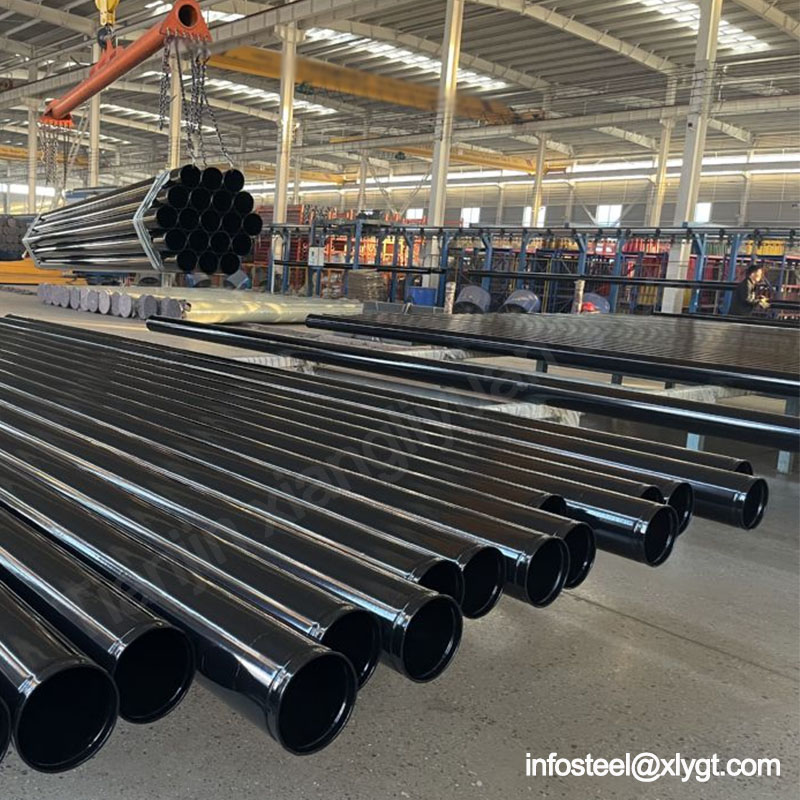
Standard pipe ends include Plain Ends (PE), Beveled Ends (BE) with 30° bevels, and threaded ends with couplings. Surface treatments range from bare and lightly oiled finishes to comprehensive corrosion protection including black painting, varnish, anti-rust oil, 3PE coatings, FBE coatings, and hot-dipped galvanization.
The Tianjin Xiangliyuan Steel Advantage
Strategic Location: Our headquarters in Tianjin, adjacent to one of China’s busiest ports, provides unparalleled logistical advantages. This proximity significantly reduces shipping times and freight costs, ensuring your project materials arrive on schedule.
Comprehensive Certification: We supply structural welded pipes manufactured to all major international standards, with full documentation including Mill Test Certificates (MTC) compliant with EN 10204 3.1/3.2 requirements.
Quality Commitment: Our rigorous quality control processes, from raw material selection to final inspection, ensure every pipe meets or exceeds specified requirements. We maintain ISO 9001 quality management certification and implement continuous improvement protocols.
Technical Expertise: Our engineering team possesses deep knowledge of structural steel applications across diverse industries, providing technical support from specification development through project completion.
Applications Across Industries
Structural welded pipes meeting ASTM A252, EN 10219, and JIS G3444 standards find application in:
-
Deep Foundation Piling: Support structures for bridges, buildings, and heavy industrial facilities
-
Building Frameworks: Columns, beams, and bracing systems in commercial and industrial construction
-
Bridge Construction: Truss members, piles, and structural supports
-
Mechanical Structures: Machinery frames, conveyor systems, and material handling equipment
-
Offshore Structures: Platform supports and marine piling
-
Water Transmission: Large-diameter pipelines for municipal and industrial water supply
Selecting the appropriate welded steel pipe standard for structural applications requires careful consideration of project specifications, environmental conditions, and regulatory requirements. ASTM A252, EN 10219, and JIS G3444 each offer distinct advantages for specific applications while maintaining the rigorous quality standards essential for structural integrity.
At Tianjin Xiangliyuan Steel, we combine technical expertise, manufacturing excellence, and logistical efficiency to deliver structural welded pipes that meet the world’s most demanding standards. Our commitment to quality, backed by our strategic location in Tianjin, ensures your project receives the highest quality materials with competitive pricing and timely delivery.
Contact Information:
-
Company: Tianjin Xiangliyuan Steel
-
Email: infosteel@xlygt.com
-
Website: https://www.xlysteel.com/