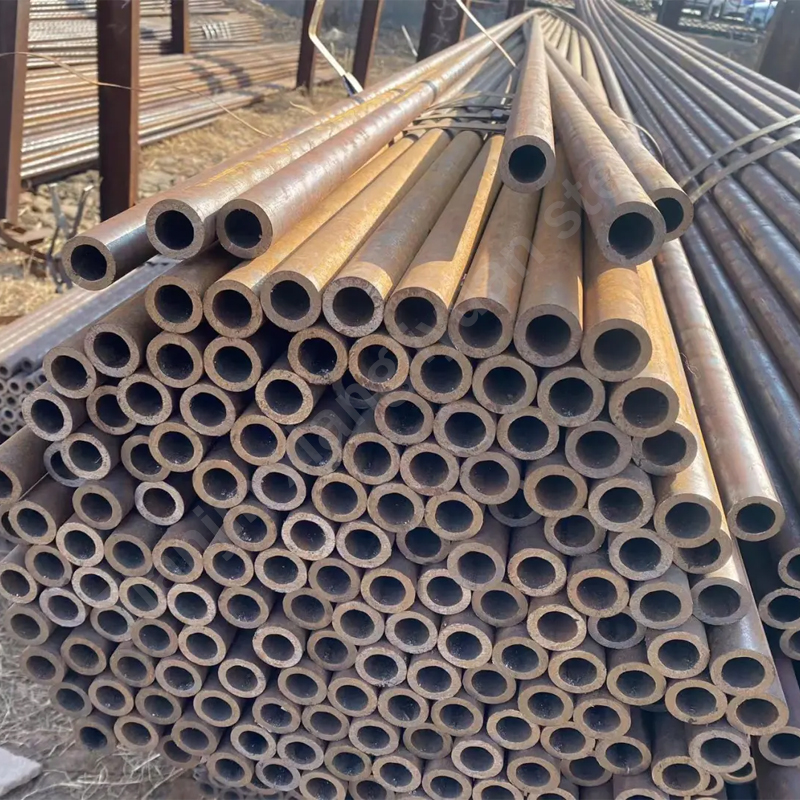
The steel pipes that form the arteries of global industry are masterpieces of modern engineering, born from a symphony of precision processes, advanced metallurgy, and relentless quality control. For professionals in procurement, engineering, and project management, understanding these manufacturing nuances is key to specifying the perfect component for any application. At Tianjin Xiangliyuan Steel, we don’t just produce pipes; we master the complex interplay of science and technology to deliver performance-optimized solutions. This article delves into the core technical processes and value-added innovations that define excellence in steel pipe production.
Part 1: The Foundational Manufacturing Pathways
The journey from raw steel to finished pipe follows one of two primary, fundamentally different routes, each bestowing unique characteristics.
The Seamless Pipe Process: Strength Through Unity
Seamless pipes are celebrated for their homogeneous structure, offering superior pressure integrity. Our primary methods include:
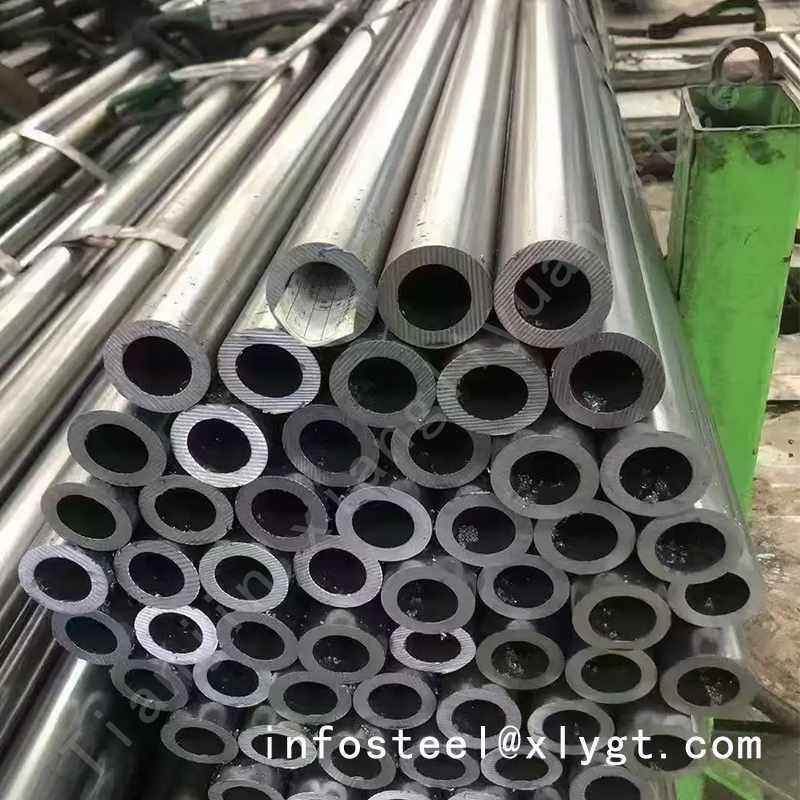
Hot Rolling (Mandrel Mill Process): A solid, heated steel billet is pierced by a mandrel to create a hollow shell (bloom). This bloom is then elongated and rolled over a mandrel and through a series of stands to achieve the desired diameter and wall thickness. This high-temperature process results in a pipe with excellent grain structure for high-strength applications.
Extrusion: A heated billet is placed in a press and forced through a die and over a piercing mandrel. Ideal for producing pipes from hard-to-work alloys or special shapes.
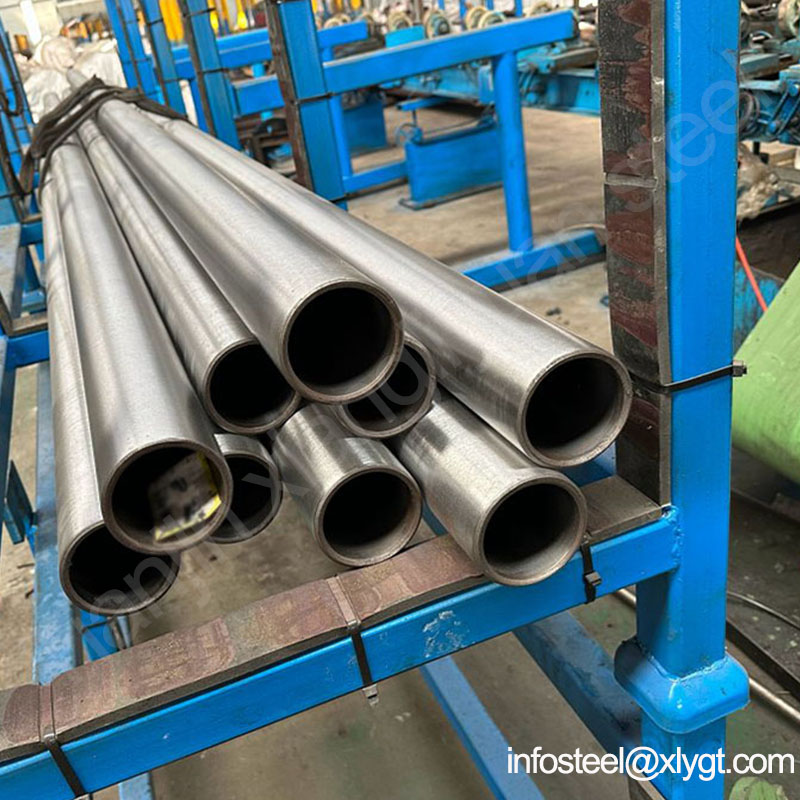
Cold Drawing (CDS): For ultra-precise dimensions and superior surface finish, seamless pipes can be further processed cold. The pipe is drawn through a die and over a mandrel, reducing its diameter and wall thickness while enhancing mechanical properties through work hardening. This is essential for hydraulic cylinders, precision mechanical tubing, and bearing components.
The Welded Pipe Process: Efficiency and Versatility
Welded pipes excel in dimensional consistency, cost-effectiveness for large diameters, and high production rates. Key technologies we employ:
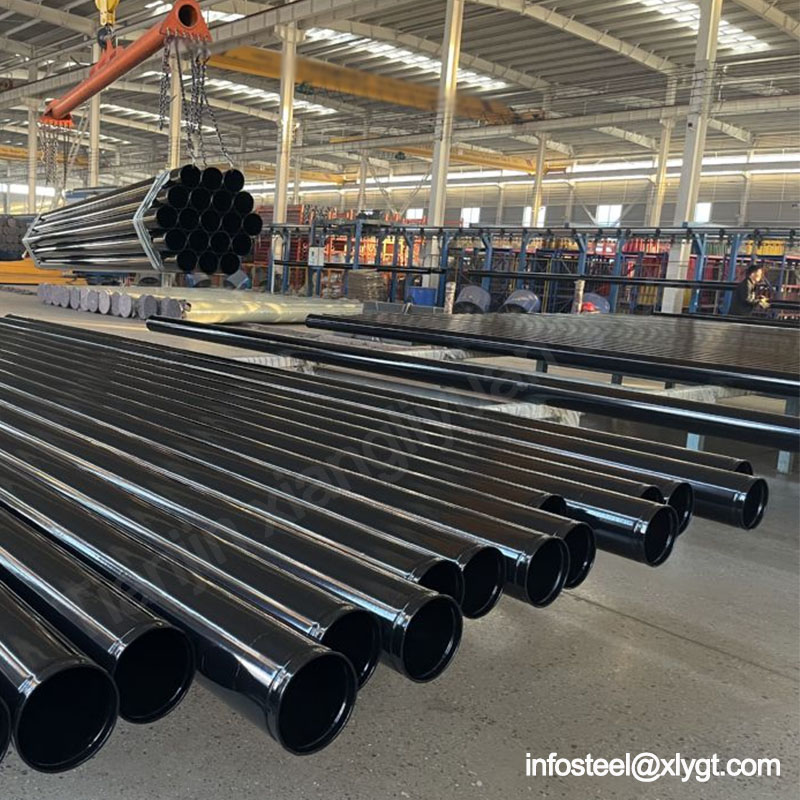
High-Frequency Induction (HFI) Welding / ERW: The most common method for structural and line pipes. Steel strip is formed into a cylinder, and the edges are heated by a high-frequency current and forged together under pressure without filler metal. Modern HFI produces welds whose quality often rivals the base metal.
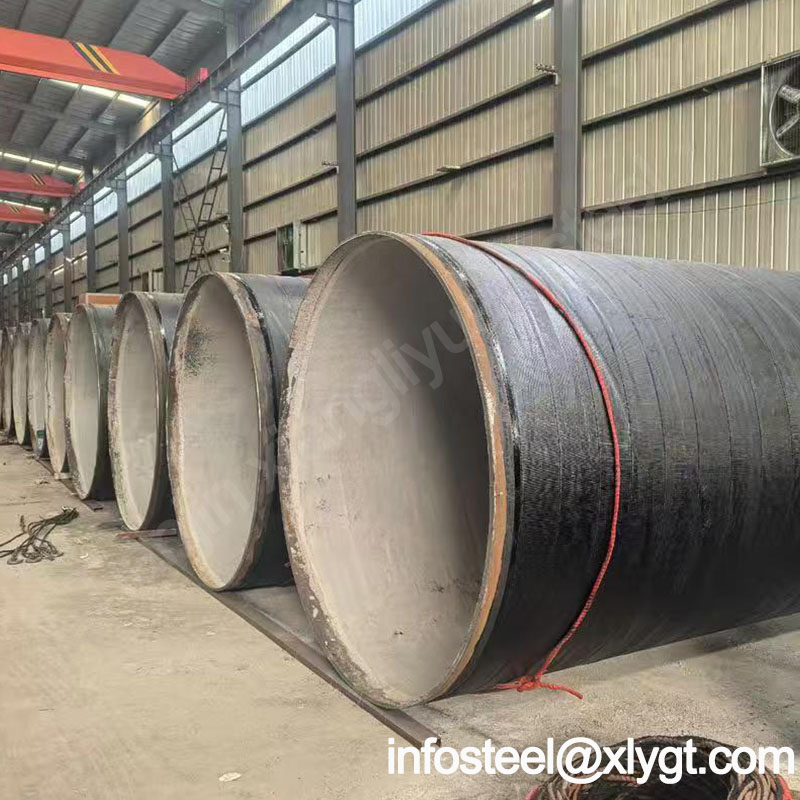
Submerged Arc Welding (SAW): Used for large-diameter, thick-walled pipes. The weld is formed under a blanket of granular flux, which prevents atmospheric contamination, allowing for deep penetration and exceptionally strong, clean seams. We utilize both Longitudinal (LSAW) and Spiral (SSAW or HSAW) SAW processes, with LSAW preferred for higher-pressure service and SSAW for large-diameter water transmission or piling.
Part 2: The Critical Role of Value-Added Processing
The pipe emerging from the mill is often just the starting point. Secondary processing tailors the product to its final, demanding role.
1. Heat Treatment: Engineering the Microstructure
Controlled heating and cooling are used to achieve specific mechanical properties.
Normalizing: Heats the pipe above its critical temperature and air-cools it to refine grain size, improve toughness, and achieve a more uniform structure.
Quenching & Tempering (Q&T): For high-strength grades (e.g., API 5L X70 and above), the pipe is quenched to form a hard martensitic structure, then tempered to restore ductility and toughness, creating an optimal strength-ductility balance.
2. Surface Finishing & Anti-Corrosion Armor
Protection against degradation is a cornerstone of lifecycle value.
Galvanizing (Hot-Dip): Immersing the pipe in molten zinc (to ASTM A153/A123) provides robust sacrificial protection for structural pipes, scaffolding, and outdoor applications.
Industrial Coatings: For pipelines, advanced fusion-bonded systems are applied:
FBE (Fusion Bonded Epoxy): A thin, tough, chemically resistant layer.
3LPE (3-Layer Polyethylene): An epoxy primer, copolymer adhesive, and polyethylene top layer for superior mechanical and chemical protection in buried or harsh environments.
3. End Preparation & Custom Fabrication
We deliver pipe ready for installation or assembly.
Bevelling: Cutting pipe ends to standard (e.g., 37.5°) or custom bevels for welding.
Threading & Coupling: Precision threading to API 5B specifications for OCTG or NPT for general use.
Cold Expansion: A process to slightly enlarge the pipe diameter, which increases yield strength and improves dimensional uniformity, particularly in line pipe for critical projects.
Part 3: The Unseen Guardian: Our Multi-Stage Quality Assurance Protocol
At Tianjin Xiangliyuan Steel, quality is not inspected in; it is built in at every stage. Our protocol exceeds standard requirements.
Stage 1: Incoming Material Verification. Spectrographic analysis verifies the chemical composition of every heat of steel against ordered grades (ASTM A106, API 5L, AISI 4130, etc.).
Stage 2: In-Process Monitoring. Real-time controls monitor forming temperatures, weld parameters (for welded pipe), and dimensional stability.
Stage 3: Non-Destructive Testing (NDT) Suite. Every single pipe undergoes a battery of tests:
Ultrasonic Testing (UT): Detects internal and subsurface flaws in both seam and seamless pipes.
Eddy Current Testing (ECT): Primarily for surface and near-surface flaw detection in smaller-diameter tubes.
Hydrostatic Testing: Pressurizing each pipe section to a level above its rated capacity to verify structural integrity and leak-tightness.
Visual & Dimensional Inspection: Automated laser gauging for OD, wall thickness, and ovality, coupled with manual checks for surface quality.
Stage 4: Final Certification & Traceability. Each shipment is accompanied by a comprehensive Mill Test Certificate (MTC) that documents all chemical and mechanical test results, heat numbers, and process parameters, ensuring full traceability from raw material to final product.
Part 4: Navigating Specifications: A Guide for Technical Buyers
Selecting the correct specification is paramount. Here is a concise guide to key standards:
| Standard | Typical Scope | Key Parameters & Grades |
|---|---|---|
| API 5L | Line Pipe for Oil & Gas | Grades: B, X42, X52, X60, X65, X70, X80. Covers both seamless and welded. |
| API 5CT | OCTG (Casing & Tubing) | Grades: J55, K55, N80, L80 (corrosion-resistant), P110. Defines performance for well integrity. |
| ASTM A53 | General Service, Structural | Types: F (furnace-welded), E (ERW), S (seamless). Grade B common. Often galvanized. |
| ASTM A106 | High-Temperature Service | Seamless carbon steel pipe for boilers, refineries. Grades: A, B (common), C. |
| ASTM A312 | Stainless Steel Pipe | Grades: TP304/304L, TP316/316L. Specifies corrosion-resistant pipe for process industries. |
| ASTM A500 | Structural Tubing | Shapes: Round, square, rectangular. Grades: A, B, C, D (increasing strength). |
Partnering for Performance
In an era of complex projects and heightened standards, the choice of pipe supplier is a strategic decision. It demands a partner with deep technical mastery, unwavering quality commitment, and the flexibility to provide engineered solutions.
Tianjin Xiangliyuan Steel stands as that partner. From the selection of raw material to the final shipment of a meticulously tested product, our integrated approach ensures that every pipe delivers on its promise of safety, durability, and performance. We empower our clients—from project engineers to global procurement teams—with the technical data, certification, and confidence needed to build the infrastructure of tomorrow.
For in-depth technical data sheets, consultation on specification selection, or to discuss your project’s specific requirements, our engineering and commercial teams are ready to assist.
Contact us at: infosteel@xlygt.com
Tianjin Xiangliyuan Steel – Where Precision Engineering Meets Uncompromising Quality.