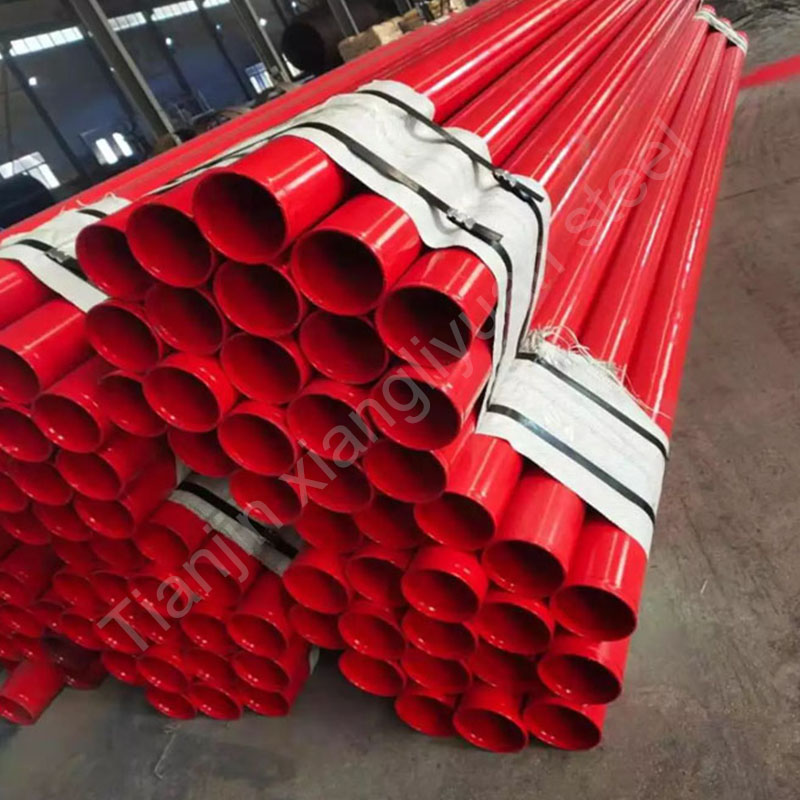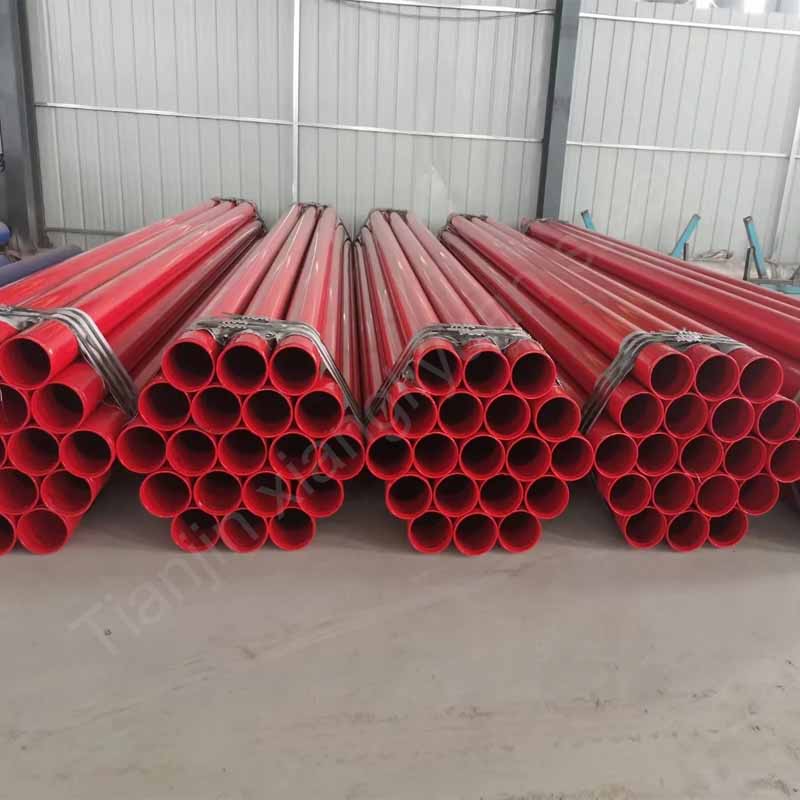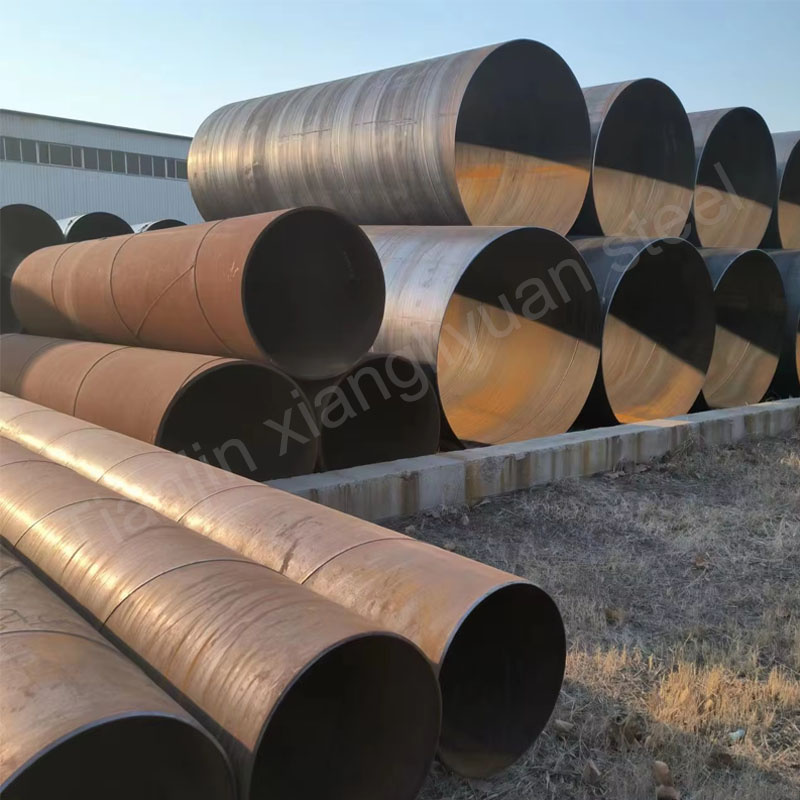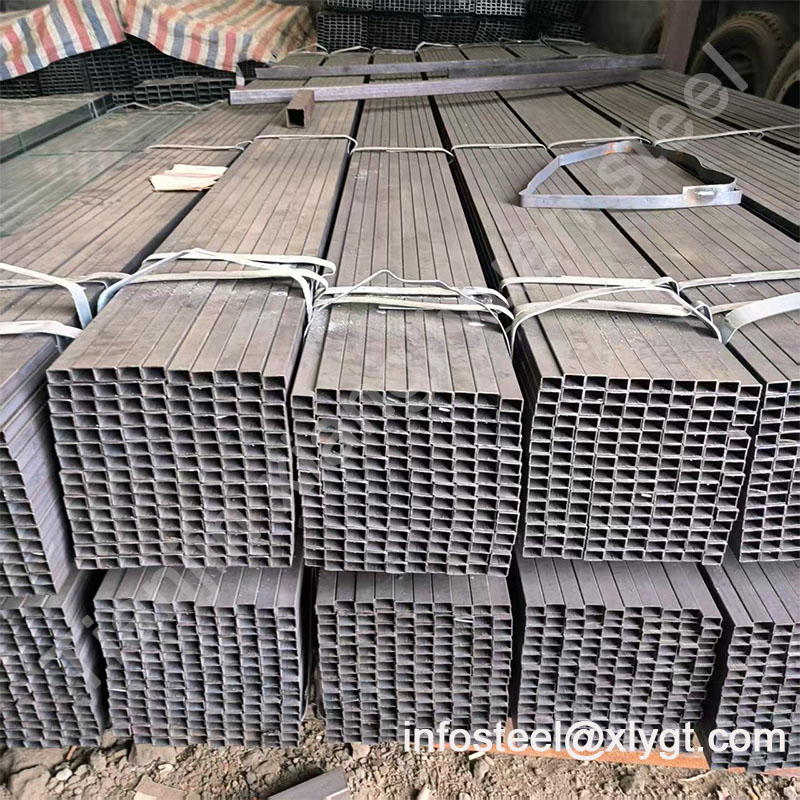
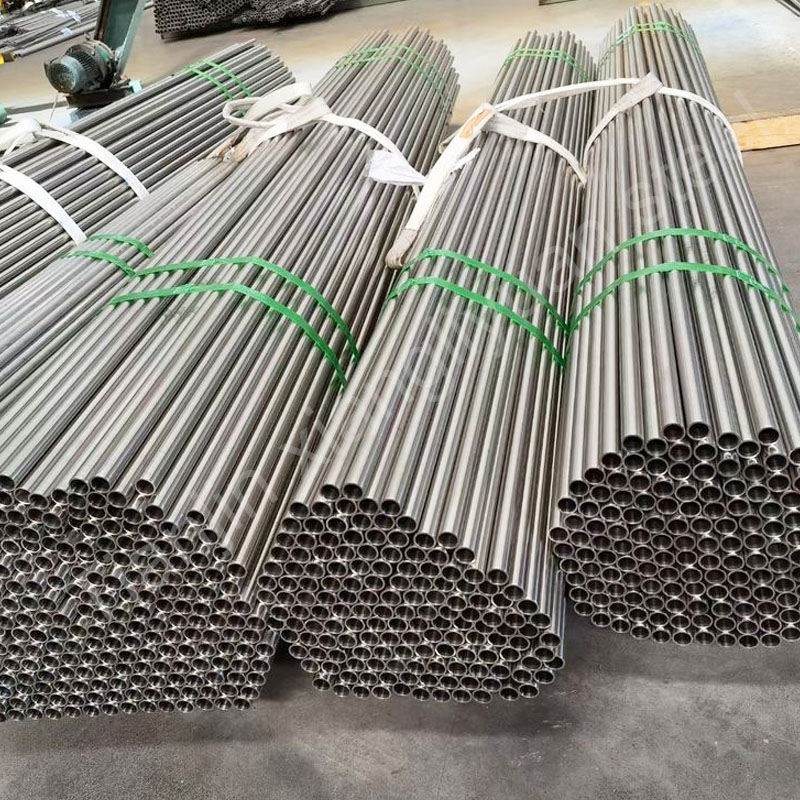
Seamless precision tubes are high-performance cylindrical hollow sections manufactured without welded seams, offering superior structural integrity, dimensional accuracy, and reliability for demanding applications. These tubes are essential across industries including hydraulic systems, pneumatic systems, automotive components, medical devices, aerospace engineering, and industrial machinery. This guide details critical product parameters, helping global buyers make informed purchasing decisions.
1. Material Specifications and Grades
Material selection fundamentally determines a precision tube’s performance characteristics.
Carbon Steel Grades
ASTM A513: Standard specification for electric-resistance-welded carbon and alloy steel mechanical tubing
ASTM A519: Specification for seamless carbon and alloy steel mechanical tubing
SAE 1010/1018/1020/1026: Low carbon steels offering excellent weldability and formability
SAE 1045: Medium carbon steel with higher strength, suitable for shafts and structural components
Alloy Steel Grades
4130/4140 Chromoly Steels: Chromium-molybdenum alloys providing enhanced strength-to-weight ratios, excellent for aerospace and racing applications
8620 Steel: Nickel-chromium-molybdenum alloy with good carburizing properties
E52100: High-carbon chromium alloy steel for bearings and high-wear applications
Stainless Steel Grades
304/304L: Most common austenitic stainless, excellent corrosion resistance and formability
316/316L: Superior corrosion resistance, especially against chlorides and acids
321: Titanium-stabilized for high-temperature applications
347: Niobium-stabilized for welding applications
410/420: Martensitic stainless steels with good hardness and moderate corrosion resistance
17-4PH: Precipitation-hardening stainless offering exceptional strength
Specialty Alloys
Aluminum Alloys: 6061-T6, 6063-T5, 2024-T3 for lightweight applications
Copper and Brass Alloys: C11000, C26000 for thermal and electrical conductivity
Nickel Alloys: Inconel, Monel, Hastelloy for extreme temperature and corrosion environments
Titanium Alloys: Grade 2, Grade 5 (6AL-4V) for high strength and biocompatibility
2. Dimensional Parameters: OD, ID, and Wall Thickness
Outer Diameter (OD)
Standard Range: Typically from 0.5 mm (0.020″) to 250 mm (10″) or more
Tight Tolerance Options: Standard tolerance is typically ±0.13 mm, but precision tubes can achieve ±0.025 mm or better for critical applications
Concentricity: Premium precision tubes maintain concentricity within 0.05 mm TIR (Total Indicator Reading)
Inner Diameter (ID)
ID Control: Critical for fluid flow applications where pressure drop must be minimized
Surface Finish: Internal surfaces can be finished to Ra 0.4 µm or better for hydraulic applications
Straightness: Precision tubes maintain straightness within 0.5 mm per meter for most applications, with 0.1 mm/m achievable for special requirements
Wall Thickness
Standard Wall Categories:
Ultra-thin wall: < 0.5 mm
Thin wall: 0.5-1.5 mm
Standard wall: 1.5-3.0 mm
Heavy wall: 3.0-10.0 mm
Extra-heavy wall: > 10.0 mm
Wall Uniformity: Premium seamless tubes maintain wall thickness variation within ±5% or better
Wall Tolerance: Typically ±10% of nominal thickness, with precision options to ±5%
Length Capabilities
Standard Lengths: 6-7 meters for most industrial applications
Custom Lengths: Available up to 18 meters for specialized applications
Cut-to-Length Precision: Advanced cutting technologies achieve ±0.5 mm length tolerance
3. Surface Finish and Treatment Options
Internal Surface Finishes
Cold Drawn Finish: Typical Ra 0.8-1.6 µm
Polished/Smooth Finish: Ra 0.2-0.8 µm for hydraulic and pneumatic applications
Mirror Finish: Ra < 0.2 µm for ultra-clean applications
Honed Finish: Cross-hatch pattern for oil retention in cylinder applications
External Surface Finishes
Bright Finish: Smooth, reflective surface
Satin Finish: Matte appearance with reduced reflectivity
Polished Finish: High luster for aesthetic applications
PE/PA Coating: Plastic coating for corrosion protection
Galvanized Finish: Zinc coating for rust prevention
Heat Treatment Processes
Annealing: Softening to improve machinability and ductility
Normalizing: Refining grain structure for uniform mechanical properties
Quenching and Tempering: Enhancing strength and hardness
Stress Relieving: Minimizing residual stresses from manufacturing
4. Additional Critical Parameters for International Buyers
Dimensional Tolerances and Consistency
OD/ID Tolerance: Global buyers increasingly demand ±0.05 mm or tighter tolerances
Wall Eccentricity: Premium applications require eccentricity control within 5% of wall thickness
Length Tolerance: ±0.1 mm for precision assembly applications
Squareness of Cut: 0.1° maximum deviation from perpendicular
Mechanical Properties
Tensile Strength: Ranges from 300 MPa (mild steel) to 2000 MPa (special alloys)
Yield Strength: Critical for structural applications; typically 60-80% of tensile strength
Elongation: Ductility measure; 10-30% for most steel applications
Hardness: Rockwell, Brinell, or Vickers scales depending on material and application
Impact Toughness: Particularly important for low-temperature applications
Testing and Certification Requirements
Hydrostatic Testing: Pressure testing to verify integrity
Non-Destructive Testing (NDT):
Ultrasonic Testing (UT): Detects internal flaws
Eddy Current Testing: Identifies surface and near-surface defects
Magnetic Particle Inspection: For ferromagnetic materials
Certifications: ISO 9001, IATF 16949 (automotive), AS9100 (aerospace), ISO 13485 (medical)
Material Traceability: Full documentation from raw material to finished product
Special Processing Capabilities
Cold Drawing: Enhances dimensional accuracy and surface finish
Pilgering: For reducing wall thickness while maintaining OD
Rotary Swaging: For precise diameter reduction and improved surface finish
Bending and Coiling: Precision bending with minimal distortion
Threading and Machining: Adding threads, grooves, or special end treatments
5. Application-Specific Parameters
Hydraulic and Pneumatic Applications
Surface Roughness: ID surface typically Ra 0.2-0.4 µm
Cleanliness: Particle contamination control per ISO 4406
Burr-Free Ends: Essential to prevent system contamination
Pressure Ratings: Rated for working pressures up to 500 bar or more
Automotive and Transportation
Weight Optimization: High strength-to-weight ratios
Fatigue Resistance: Critical for suspension and steering components
Corrosion Resistance: Especially important for underbody components
Weldability: Compatibility with modern welding techniques
Medical and Food Processing
Surface Smoothness: Minimizes bacterial adhesion
Cleanability: Smooth, non-porous surfaces
Material Purity: Compliance with FDA and EU regulations
Sterilization Compatibility: Withstand autoclave, chemical, or radiation sterilization
Semiconductor and High-Purity Applications
Ultra-Clean Surfaces: Electropolished to Ra 0.1 µm or better
Outgassing Control: Minimized in vacuum applications
Particle Generation: Controlled during fabrication and handling
Chemical Compatibility: Resistant to ultra-pure water and process chemicals
6. Packaging and Logistics Considerations
Protective Packaging: End caps, plastic sleeves, and corrosion inhibitors
Bundling: Secure bundling to prevent damage during transit
Marking and Identification: Permanent marking with heat numbers, grades, and sizes
Documentation: Complete certification packages with shipment
Export Compliance: Proper documentation for international shipping
Selecting seamless precision tubes requires careful consideration of multiple interconnected parameters. International buyers should prioritize suppliers with:
Comprehensive testing and certification
Consistent dimensional control
Material traceability
Application-specific expertise
Global quality standards compliance
Ideal precision tubing strikes a balance between material properties, dimensional accuracy, surface finish, and cost, while meeting specific application requirements. With technological advancements, industries are increasingly demanding tighter tolerances, superior surface finishes, and stronger material properties.
For specific applications, please consult Tianjin Xiangliyuan Steel or email us at infosteel@xlygt.com to determine the precise combination of parameters that delivers the best performance, reliability, and value for your specific application.