Selecting the appropriate steel pipe is a critical engineering decision that directly impacts project safety, longevity, and cost-efficiency. With numerous grades, manufacturing methods, and international standards available, procurement teams and engineers must navigate complex technical specifications to ensure optimal performance. This comprehensive guide provides a systematic approach to steel pipe selection, drawing on industry best practices and established engineering standards.
Step 1: Define Your Application Requirements
Before evaluating specific pipe specifications, clearly define your project’s operational parameters. The intended application determines fundamental selection criteria including material grade, pressure ratings, and corrosion resistance requirements.
Fluid Transportation Applications
For oil and gas transmission pipelines, API 5L line pipe serves as the industry standard, available in grades ranging from B to X80, with yield strength increasing alongside grade designation . PSL2 (Product Specification Level 2) offers tighter tolerances and enhanced testing compared to PSL1, making it preferable for critical infrastructure projects. Water transmission systems typically follow AWWA C200 specifications, while high-temperature services in refineries and power plants require ASTM A106 seamless carbon steel pipe .
Structural Applications
When steel pipe functions as a structural member rather than a pressure vessel, ASTM A252 provides the governing standard for steel pipe piles used in building foundations, bridges, and marine construction . These applications prioritize yield strength and dimensional consistency over pressure containment capabilities.
Mechanical and General Engineering
For machinery, automotive components, and precision applications, ASTM A513 electric resistance welded (ERW) steel pipes offer the necessary dimensional accuracy and mechanical properties .
Step 2: Select the Appropriate Manufacturing Method
The manufacturing process significantly influences pipe performance characteristics, cost, and availability. Understanding the distinctions between seamless and welded pipe production enables informed decision-making.
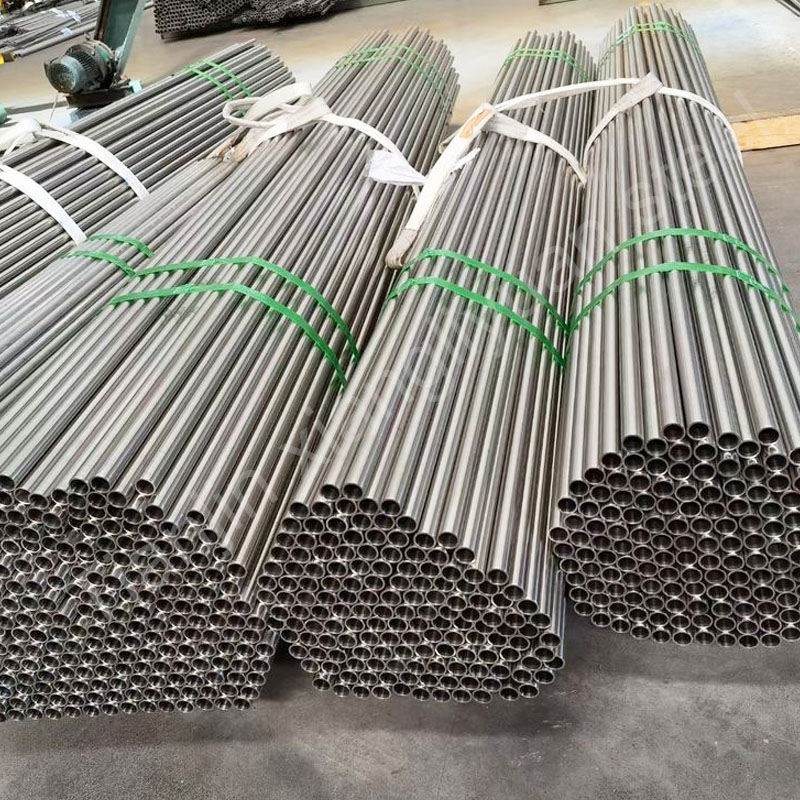
Seamless Steel Pipe (SMLS)
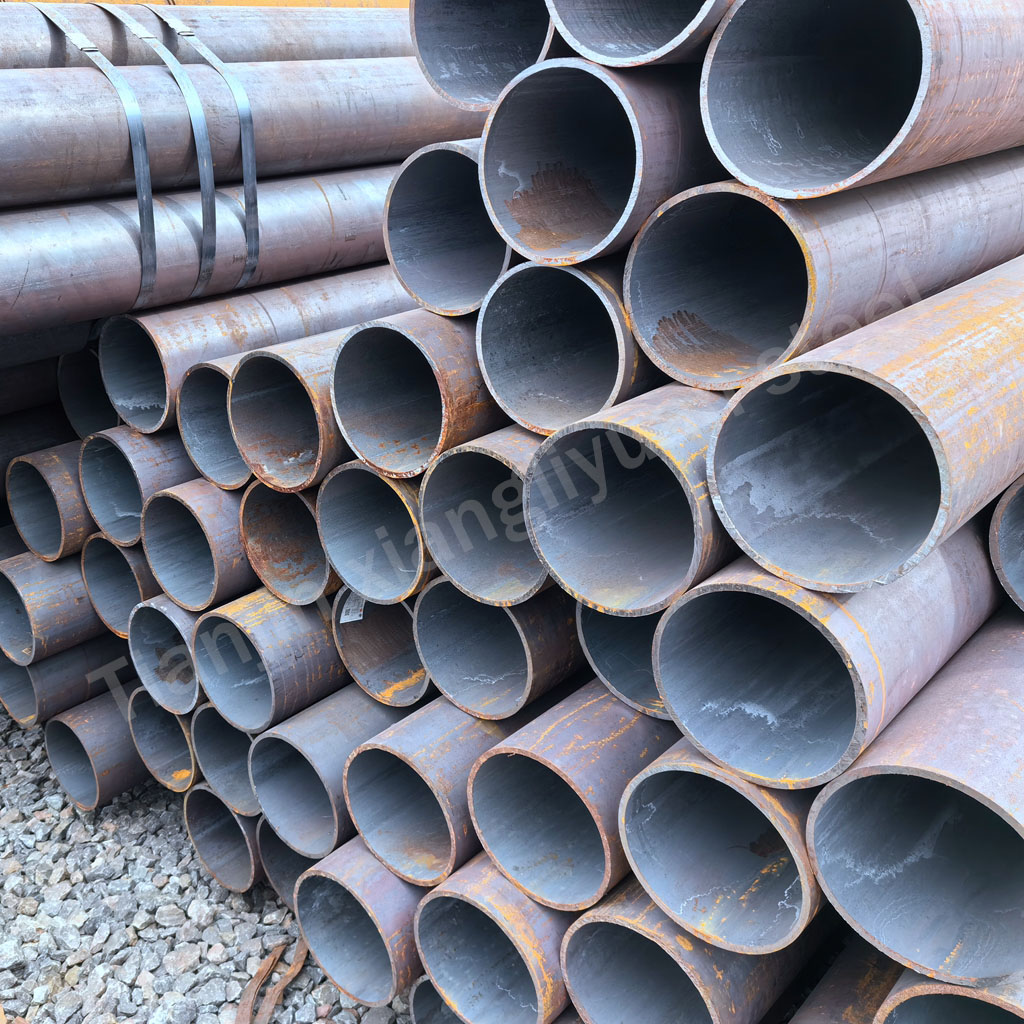
Manufactured from solid round billets through hot rolling or cold drawing processes, seamless pipe contains no longitudinal weld seam, providing uniform strength distribution throughout the cross-section . This construction makes seamless pipe ideal for:
High-pressure applications exceeding welded pipe ratings
High-temperature services where weld integrity concerns exist
Critical applications requiring maximum reliability
Hydrocarbon processing and power generation facilities
Welded Steel Pipe Variants
Modern welding technologies produce high-quality pipes suitable for the majority of industrial applications:
ERW (Electric Resistance Welded): Formed from steel strip and welded using electric resistance heating, ERW pipe offers cost-effective solutions for standard pressure applications in water, gas, and structural systems .
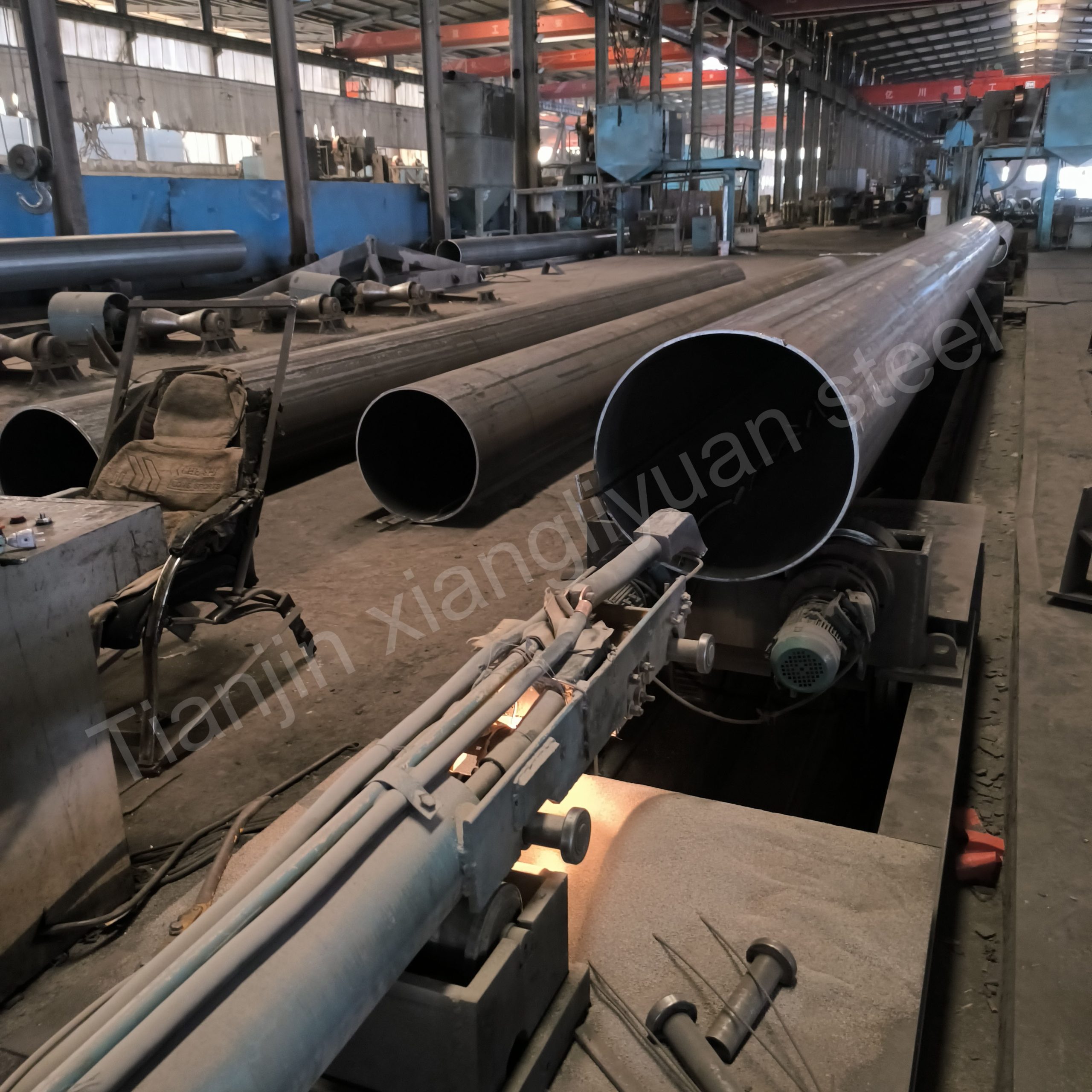
LSAW (Longitudinal Submerged Arc Welded): Produced by rolling steel plates and welding the seam using submerged arc welding, LSAW pipe accommodates large diameters and heavier wall thicknesses, commonly used in oil and gas transmission and structural projects .
SSAW (Spiral Submerged Arc Welded): Manufactured through spiral welding of steel coil, SSAW pipe enables efficient production of large-diameter pipes for water transmission and piling applications .
Step 3: Determine Material Grade and Chemical Composition
Carbon steel pipes are classified by carbon content and alloying elements, directly affecting mechanical properties and suitability for specific environments.
Low-Carbon Steel (Mild Steel)
Containing 0.04% to 0.30% carbon, low-carbon steel pipes offer excellent ductility and weldability, making them suitable for bending, forming, and general fabrication. These materials serve moderate-stress applications where cost efficiency outweighs maximum strength requirements .
Medium and High-Carbon Steel
With carbon content ranging from 0.30% to 2.0%, these grades provide increased strength and hardness but reduced ductility. High-carbon variants excel in wear-resistant applications but present welding challenges requiring preheat and post-weld heat treatment procedures .
Standard Grade Classifications
ASTM A53: Grades A and B, with Grade B offering higher strength for plumbing, steam, and low-pressure systems
ASTM A106: Grades A, B, and C for high-temperature service, with Grade B being most commonly specified
API 5L: Grade B through X80 for pipeline applications, where higher grades support increased operating pressures
Step 4: Specify Dimensional Requirements
Accurate dimensional specification ensures proper system integration and hydraulic performance. Key parameters include nominal pipe size (NPS), wall thickness schedule, and length requirements.
Nominal Pipe Size and Schedule
ASME B36.10M governs dimensions for carbon steel pipes, defining NPS from 1/8 inch to 80 inches. Wall thickness is expressed through schedule numbers (Sch 40, 80, 160, etc.), with higher schedules indicating thicker walls and increased pressure ratings . For precise engineering calculations, always verify actual outside diameter and wall thickness rather than relying solely on nominal designations.
Diameter Selection Considerations
Large-diameter spiral welded pipes (600mm to 3000mm) serve major infrastructure projects including hydropower penstocks and municipal water systems . Standard ERW pipes typically range from 21.3mm to 660mm, covering most industrial and commercial applications.
Step 5: Evaluate Coating and Corrosion Protection
Environmental exposure conditions dictate necessary protective measures to ensure long-term pipeline integrity.
External Coatings
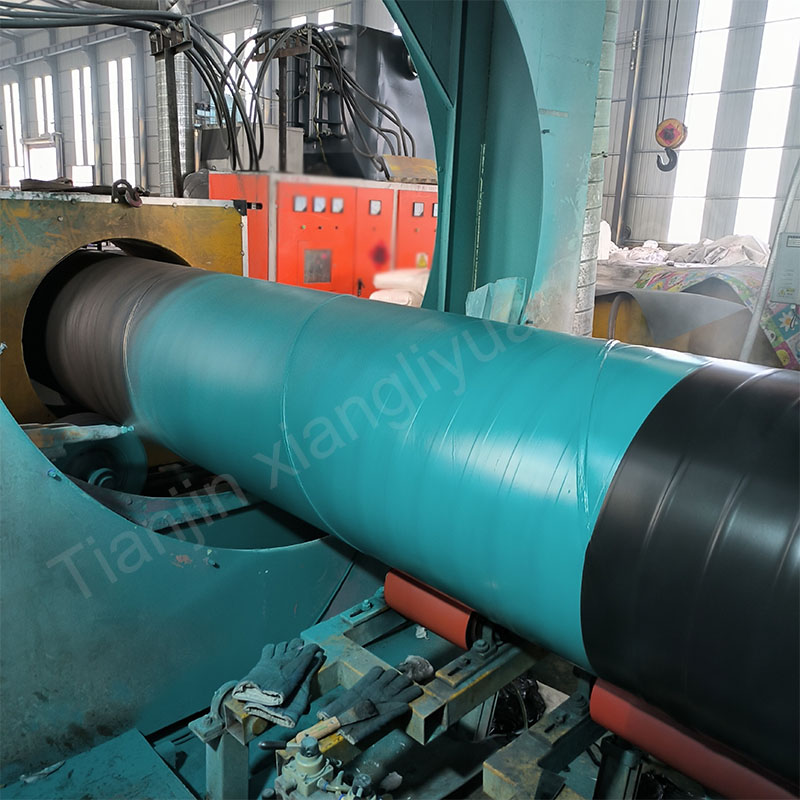
3PE (Three-Layer Polyethylene): The gold standard for buried pipelines, combining epoxy primer, adhesive, and polyethylene outer layer to resist mechanical damage and chemical corrosion
FBE (Fusion Bonded Epoxy): Powder coating providing excellent adhesion and cathodic disbondment resistance, suitable for high-temperature applications
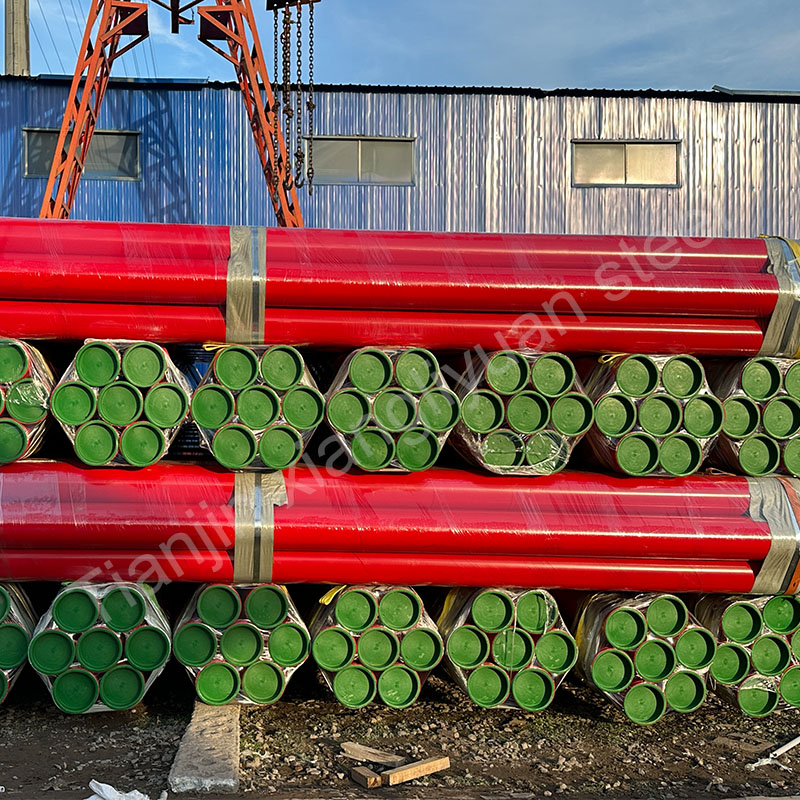
Hot-Dip Galvanizing: Zinc coating per ASTM A53 specifications offering sacrificial corrosion protection for atmospheric exposure
Internal Linings
Cement Mortar Lining: Cost-effective solution for municipal water systems, preventing water-steel contact and maintaining water quality
Liquid Epoxy: Creates smooth internal surfaces reducing friction losses, ideal for drinking water and gas transmission
Step 6: Verify Compliance with International Standards
Global projects require adherence to regionally recognized standards ensuring material traceability, testing protocols, and quality assurance.
American Standards (ASTM/API)
ASTM A53, A106, A252, and API 5L dominate North American and international oil and gas projects, providing comprehensive specifications for chemical composition, mechanical testing, and dimensional tolerances .
European Standards (DIN/EN)
DIN 2448 and EN 10216 series govern general and pressure applications within European markets, with EN 10219 specifying cold-formed welded structural hollow sections .
Japanese Standards (JIS)
JIS G3444 and G3454 series address mechanical structures, pressure service, and general piping applications prevalent in Asian markets .
Chinese National Standards (GB)
GB/T 8162, GB/T 8163, and GB 5310 standards apply to structural, fluid transport, and high-pressure boiler applications respectively .
Step 7: Assess Supplier Qualifications and Capabilities
Selecting a qualified steel pipe supplier requires evaluation beyond pricing considerations. Critical assessment criteria include:
Quality Management Systems
Verify ISO 9001 certification and industry-specific qualifications such as API Q1 for oil and gas applications. Request material test reports (MTRs) documenting chemical composition, mechanical properties, and hydrostatic test results .
Manufacturing Capabilities
Evaluate production capacity, equipment modernization, and adherence to specified standards. Leading suppliers maintain in-house testing facilities for non-destructive examination (NDE), including ultrasonic and radiographic inspection .
Logistics and Delivery Performance
Proximity to major shipping ports significantly impacts delivery timelines and transportation costs. Suppliers with established logistics infrastructure ensure timely delivery and reduced handling damage risks .
Technical Support Services
Comprehensive suppliers offer pre-sales engineering consultation, assisting with specification development, material selection, and standard interpretation to optimize project outcomes.
Why Tianjin Xiangliyuan Steel Stands Apart
Located in Tianjin, China’s premier steel production and port hub, Tianjin Xiangliyuan Steel combines manufacturing excellence with strategic logistics advantages to serve global infrastructure projects. Our proximity to Tianjin Port—one of the world’s busiest container terminals—enables efficient export operations and reduced lead times for international deliveries.
Technical Expertise and Product Range
We specialize in comprehensive steel pipe solutions encompassing:
Seamless carbon steel pipe: ASTM A106 Grade B, API 5L Grades B/X42/X52/X60/X65/X70
ERW steel pipe: ASTM A53 Grade A/B, BS 1387, EN 10219
LSAW/SSAW welded pipe: API 5L, ASTM A252 for structural and line pipe applications
Galvanized steel pipe: Hot-dip galvanized per ASTM A53
Coated pipe solutions: 3PE, FBE, epoxy linings for corrosion protection
Our manufacturing processes adhere strictly to international standards, with comprehensive quality control including chemical analysis, mechanical testing, hydrostatic testing, and non-destructive examination.
Engineering Support and Consultation
Our technical team provides specification review, material recommendation, and standard interpretation services, ensuring clients select optimal products for their specific applications. We maintain detailed material certifications and traceability documentation required for critical infrastructure projects.
Global Logistics Advantage
Tianjin’s port infrastructure positions us to serve markets across Asia, Europe, Africa, and the Americas with competitive shipping rates and reliable schedules. Our experienced logistics team manages export documentation, customs clearance, and multimodal transportation coordination.
Successful steel pipe selection requires systematic evaluation of application requirements, manufacturing methods, material grades, dimensional specifications, corrosion protection needs, and standard compliance. By following this structured approach, engineers and procurement professionals mitigate risks, optimize performance, and ensure regulatory compliance.
For technical consultation, specification support, or quotation requests, contact Tianjin Xiangliyuan Steel at infosteel@xlygt.com or visit our comprehensive product catalog at https://www.xlysteel.com/. Our engineering team stands ready to support your project requirements with professional expertise and reliable supply chain solutions.
This guide reflects current industry standards and engineering practices. For project-specific applications, always consult qualified engineers and reference the latest editions of applicable standards.