In the world of industrial construction, energy transmission, and infrastructure development, the humble steel pipe is a critical component. For project managers, engineers, and procurement specialists, selecting the right pipe is not just a matter of specification; it is a decision that impacts safety, budget, and project longevity. The manufacturing process is the primary factor that defines a pipe’s characteristics, performance, and suitability for a specific application.
This guide provides a detailed overview of the three most common manufacturing processes for welded line pipe and structural pipes: Electric Resistance Welded (ERW) , Longitudinal Submerged Arc Welded (LSAW) , and Spiral Submerged Arc Welded (SSAW) . We will explore the nuances of each method, their typical applications, and their respective advantages. Understanding these processes is crucial for making an informed procurement decision, and at Tianjin xiangliyuan steel, our expertise lies in guiding clients through this exact process to ensure they receive the highest quality carbon steel pipe for their needs.
1. Electric Resistance Welded (ERW) Pipe
ERW pipe manufacturing is a high-frequency process used to produce welded steel pipe from flat steel strip or coil. The process begins with uncoiling and flattening a steel coil. The strip is then cold-formed into a cylindrical shape. As the two edges are brought together, a high-frequency electrical current is passed across them, generating intense heat that melts the edges. The molten edges are then forged together under pressure from squeeze rolls, forming a bond without the addition of filler metal. The weld flash, both inside and outside, is then trimmed off, and the pipe is sized, straightened, and cut to length.
Key Characteristics & Applications:
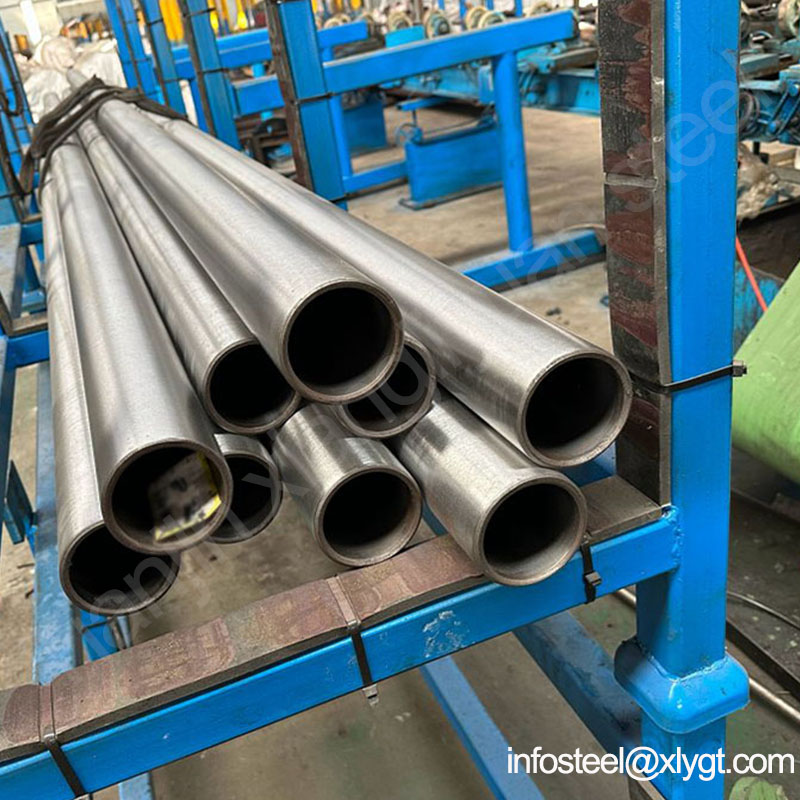
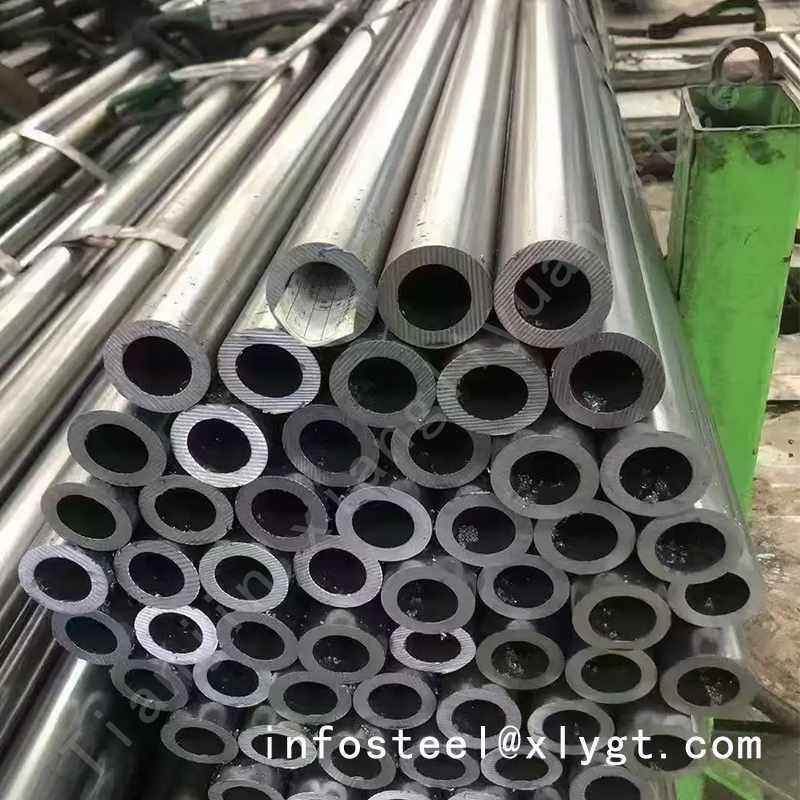
Diameter Range: Typically used for smaller to medium diameters, generally up to 24 inches. It is a cost-effective solution for projects requiring standard dimensions.
Appearance & Tolerance: ERW pipes are known for their excellent dimensional tolerances and a smooth, uniform surface finish, which is often preferred for aesthetic and coating purposes.
Applications: Widely used in the oil and gas industry for API 5L line pipe for transmission lines, as well as for piling, fencing, and structural applications.
Modern ERW steel pipe production, utilizing advanced techniques like solid-state welding controls and heat treatment of the weld seam, results in a product with a weld zone that is virtually indistinguishable from the base metal. For many standard applications, it offers an optimal balance of performance and economy.
2. Longitudinal Submerged Arc Welded (LSAW) Pipe
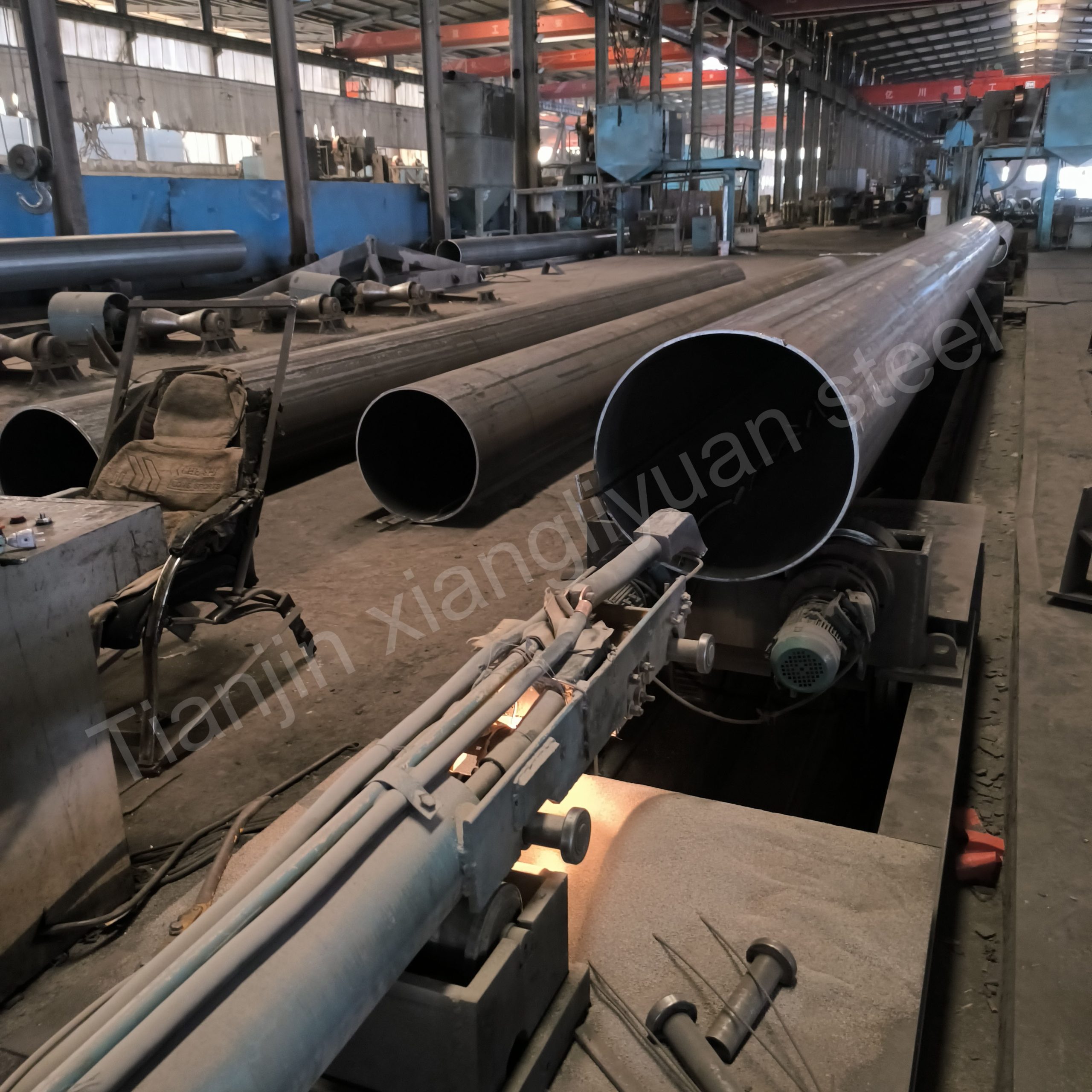
LSAW pipe is the preferred choice for large-diameter, high-pressure applications. The manufacturing process starts with high-quality steel plate. This plate is first edge-prepared (beveled) and then slowly and precisely formed into a U-shape, and then an O-shape using a massive hydraulic press – a method often referred to as the UOE process. Once the O-shape is formed, the pipe seam is welded both internally and externally using the submerged arc welding process. In this process, a continuous filler wire and a granular flux are used. The arc is submerged beneath the flux layer, which protects the weld from atmospheric contamination, resulting in a high-quality, strong weld with excellent toughness.
After welding, the pipe is often mechanically expanded to ensure precise roundness and dimensional accuracy, matching the tolerances required for demanding projects.
Key Characteristics & Applications:
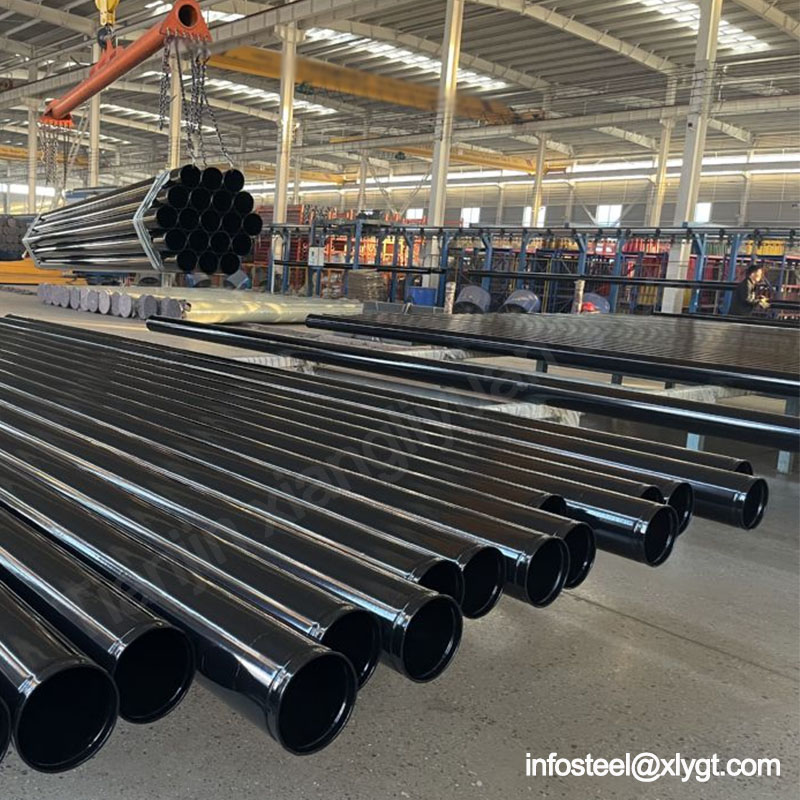
Diameter & Wall Thickness: LSAW is ideal for large diameters (typically from 16 inches to over 60 inches) and heavy wall thicknesses. The mechanical properties of the base plate are fully retained.
Weld Quality: The submerged arc process produces a very consistent, high-strength weld. The weld seam is relatively short compared to a spiral weld and runs in a straight line along the pipe.
Applications: This is the standard for high-pressure, long-distance transmission pipelines for oil and gas (onshore and offshore), as well as for structural components in offshore platforms, piling, and other critical infrastructure.
The integrity of the weld and the pipe body makes LSAW steel pipe a trusted choice for the most challenging environments. Its performance under extreme pressures and conditions is unparalleled.
3. Spiral Submerged Arc Welded (SSAW) Pipe
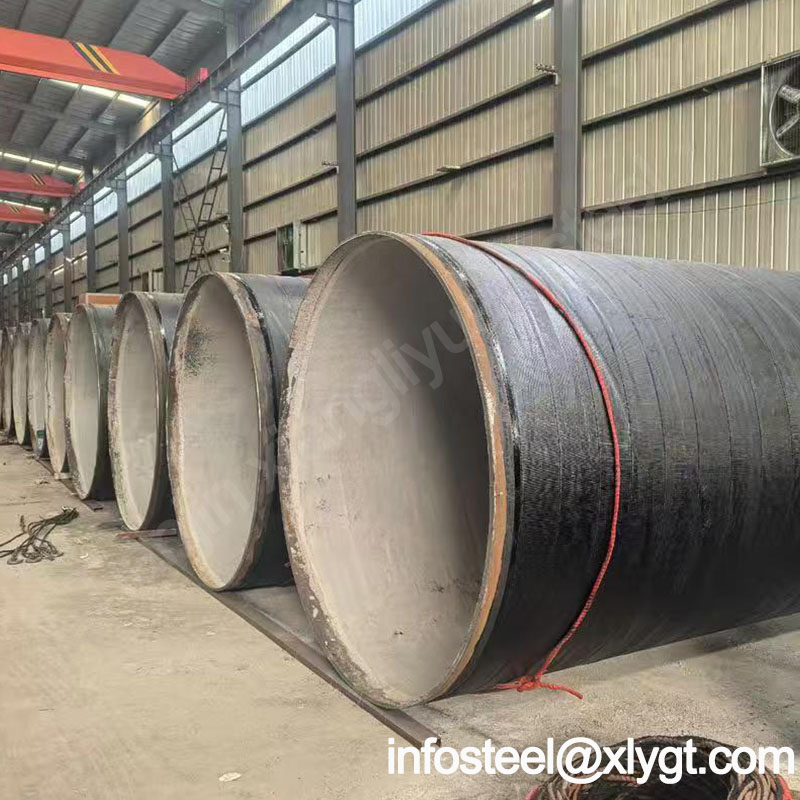
SSAW pipe, also known as HSAW (Helical Submerged Arc Welded) pipe, offers a different approach to manufacturing large-diameter pipes. The process uses a steel coil as the starting material. The coil is unwound and angled such that it is fed into a forming machine, which rolls it into a spiral or helix shape. As the strip is continuously wound, its edges align to form a spiral seam. This seam is then welded both internally and externally using the submerged arc welding process, similar to LSAW.
Key Characteristics & Applications:
Diameter Flexibility: A significant advantage of the SSAW process is its flexibility. By simply adjusting the angle at which the steel strip is fed into the machine, manufacturers can produce a wide range of pipe diameters from the same width of steel coil. This makes it extremely cost-effective for large-diameter pipes.
Weld Seam: The weld seam is a continuous helix running the entire length of the pipe. This spiral structure can offer enhanced mechanical strength in certain applications, effectively reinforcing the pipe’s integrity.
Applications: SSAW pipes are widely used for low to medium pressure applications such as water transmission, sewage systems, piling, and gas and oil gathering lines. They are a popular choice for projects where cost-efficiency and a large diameter are the primary drivers.
Making the Right Choice: A Professional Perspective
Choosing between ERW, LSAW, and SSAW is a decision best made with a clear understanding of your project’s technical demands. Factors like operating pressure, fluid corrosivity, installation environment (onshore vs. offshore), diameter requirements, and budget all play a role.
For small to medium diameters with standard requirements, ERW steel pipe provides an excellent balance of quality and economy.
For high-pressure, large-diameter, mission-critical applications like long-distance oil and gas transmission, LSAW steel pipe is the industry standard due to its superior weld integrity and material properties.
For large-diameter projects where cost-effectiveness is paramount and operating pressures are moderate, SSAW steel pipe offers unmatched flexibility and value.
At Tianjin xiangliyuan steel, we understand that navigating these options requires reliable expertise. We are dedicated to providing our global clients with not only high-quality products but also the technical knowledge needed to succeed. Whether you require seamless steel pipes, ERW, LSAW, or SSAW for your next project, our team is ready to support you.
For more information, technical specifications, or to discuss your upcoming project, please do not hesitate to contact us. We are committed to ensuring you get the right solution delivered on time and within budget.
Contact Tianjin xiangliyuan steel:
Email: infosteel@xlygt.com
Website: https://www.xlysteel.com/
Explore our website to learn more about our full range of carbon steel pipes and how we can serve as your trusted partner in the global steel industry.