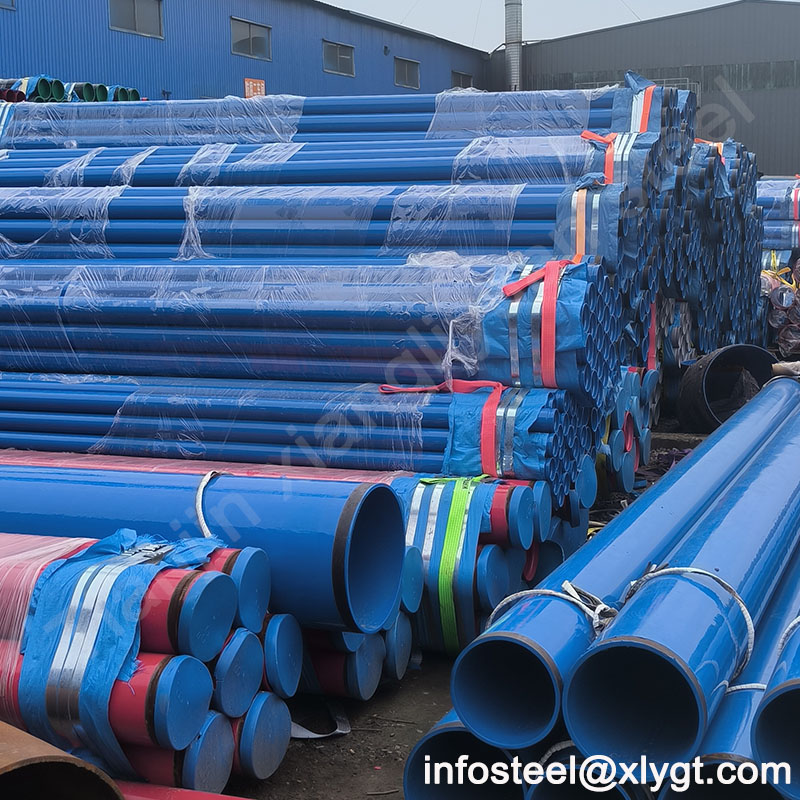
Corrosion has been the nemesis of steel infrastructure since the very first pipelines were laid. Often called the “silent thief,” corrosion gradually, inexorably consumes metal, leading to wall thinning, leaks, structural failures, and ultimately, catastrophic environmental damage and financial loss. For industries reliant on steel pipes—from oil and gas transmission to water utilities and construction—the battle against corrosion is unending. The global cost of corrosion is estimated at trillions of dollars annually, with a significant portion attributable to piping systems.
However, the war against corrosion is not being lost. In recent years, remarkable innovations in materials science and coating technologies have dramatically extended the service life of steel pipes, even in the most aggressive environments. At Tianjin Xiangliyuan Steel, as a leading steel pipe manufacturer supplying seamless pipes, ERW pipes, and LSAW pipes to global markets, we have witnessed and contributed to these advancements. We understand that the pipe is only as good as its protection. This comprehensive article explores the cutting-edge innovations in anti-corrosion coatings that are helping engineers and project owners achieve long-lasting steel pipes and sustainable infrastructure.
The Corrosion Challenge: Why Protection Matters
Before examining solutions, it is essential to understand the problem. Steel pipes face multiple corrosion mechanisms depending on their environment:
Atmospheric Corrosion: Pipes exposed to air, particularly in industrial or marine environments, undergo oxidation due to oxygen and moisture.
Underground Corrosion: Buried pipelines encounter soil with varying chemistry, moisture content, and microbial activity, creating galvanic cells that accelerate metal loss.
Internal Corrosion: Fluids transported through pipes—whether crude oil, natural gas, water, or chemicals—can be corrosive, especially if they contain water, hydrogen sulfide (H₂S), carbon dioxide (CO₂), or chlorides.
Microbiologically Influenced Corrosion (MIC): Certain bacteria thrive in pipeline environments and produce corrosive byproducts that attack steel.
Stress Corrosion Cracking (SCC): The combination of tensile stress and a corrosive environment can lead to crack initiation and propagation, potentially causing catastrophic failure.
Effective anti-corrosion coatings address these challenges by creating a barrier between the steel and its environment. Modern innovations go further, offering active protection mechanisms that can heal minor damage or inhibit electrochemical reactions.
Historical Perspective: The Evolution of Pipe Coatings
The quest for effective corrosion protection is not new. Early pipelines relied on simple coatings like coal tar enamel and asphalt, which provided basic barrier protection but had significant limitations in durability, application consistency, and environmental safety.
The mid-20th century saw the introduction of fusion-bonded epoxy (FBE) and polyethylene tape coatings, representing significant advances. The late 20th and early 21st centuries brought multi-layer systems combining the adhesion of epoxies with the mechanical protection of polymers. Today’s innovations build on this foundation, incorporating nanotechnology, advanced polymers, and smart materials.
Cutting-Edge Innovations in Anti-Corrosion Coatings
1. Advanced Multi-Layer Polyolefin Coatings (3LPE and 3LPP)
Three-layer polyolefin coatings have become the gold standard for many pipeline applications, particularly in the oil and gas industry. These systems typically consist of:
Layer 1: Fusion-Bonded Epoxy (FBE): Provides excellent adhesion to the steel surface and primary corrosion protection.
Layer 2: Adhesive Copolymer: Bonds the epoxy to the outer polyolefin layer.
Layer 3: Polyethylene (3LPE) or Polypropylene (3LPP): Provides mechanical protection, impact resistance, and an additional moisture barrier.
Recent innovations in this category include:
High-Temperature 3LPP: New formulations of polypropylene allow these coatings to perform at operating temperatures up to 140°C, making them suitable for high-temperature oil and gas pipelines.
Enhanced Adhesion Technologies: Improved copolymer adhesives ensure better bonding between layers, reducing the risk of disbondment even under cathodic protection.
Thicker, More Robust Outer Layers: For challenging installations like horizontal directional drilling (HDD) or rocky terrain, outer layers with enhanced abrasion resistance are now available.
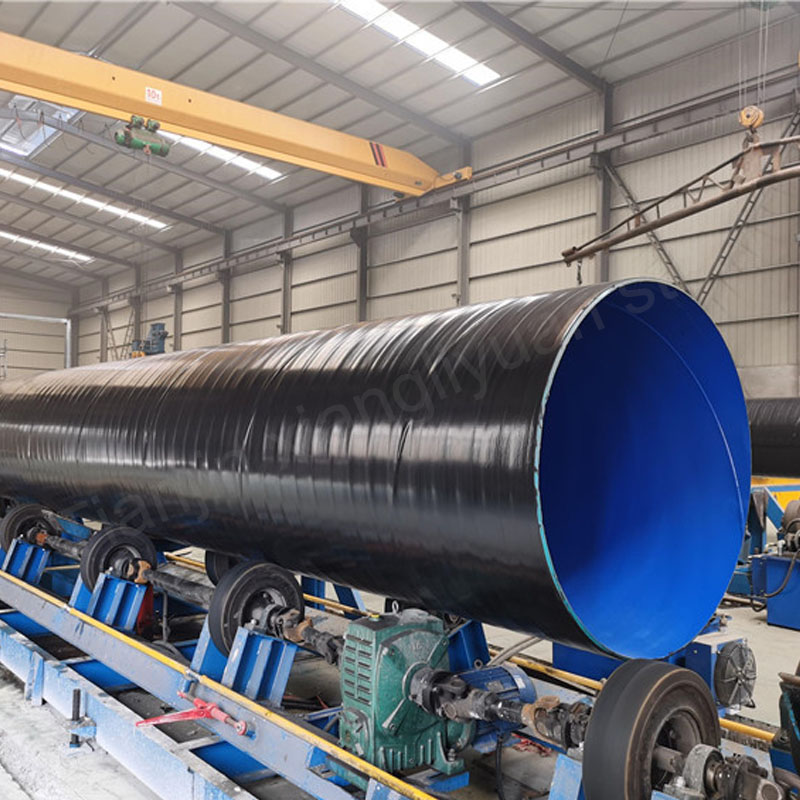
At Tianjin Xiangliyuan Steel, we offer 3LPE coated pipes and 3LPP coated pipes for clients requiring maximum protection for critical pipeline projects. Our coating facilities apply these systems under strict quality control to ensure uniform thickness and adhesion.
2. Advanced Fusion-Bonded Epoxy (FBE) Technologies
FBE remains a workhorse of pipeline protection, but modern formulations have evolved significantly:
Dual-Layer FBE Systems: These consist of a corrosion-resistant inner layer and an abrasion-resistant outer layer. The outer layer may incorporate fibers or specialized fillers to enhance toughness without compromising flexibility.
Low-Temperature Cure FBE: Traditional FBE requires preheating steel to around 240°C. New formulations cure at lower temperatures, reducing energy consumption and enabling field application in remote locations.
Flexible FBE: For pipelines subject to significant bending during installation (such as reel-lay offshore pipelines), flexible FBE formulations can withstand elongation without cracking.
Damage-Tolerant FBE: Some advanced FBE coatings incorporate self-healing properties, where minor scratches or holidays can “heal” through controlled chemical reactions.
3. Polyurethane and Polyurea Coatings
Polyurethane and polyurea coatings have gained popularity for specific applications due to their rapid cure times and exceptional mechanical properties:
Fast Cure for Field Joints: In pipeline construction, the field joints (where individual pipe lengths are welded together) must be coated after welding. Polyurethane systems that cure in minutes allow coating and lowering-in to proceed without delay.
Excellent Abrasion Resistance: Polyurea coatings exhibit outstanding resistance to mechanical damage, making them ideal for pipes installed by directional drilling or in rocky backfill.
Chemical Resistance: Modern polyurethane formulations resist a wide range of chemicals, including many solvents and acids.
4. Ceramic-Epoxy Hybrid Coatings
One of the most exciting developments in recent years is the introduction of ceramic-epoxy hybrid coatings. These combine the adhesion and corrosion protection of epoxy with the hardness and abrasion resistance of ceramics:
Enhanced Erosion Resistance: For pipelines transporting abrasive slurries or sand-laden fluids, ceramic-epoxy coatings dramatically extend service life by resisting erosive wear.
High-Temperature Performance: Ceramic components improve thermal stability, allowing these coatings to perform at temperatures exceeding conventional epoxies.
Impact Resistance: The ceramic phase absorbs and dissipates impact energy, reducing damage from rocks during installation or backfilling.
5. Internal Coatings for Flow Efficiency and Corrosion Protection
While external coatings receive much attention, internal protection is equally important for many applications:
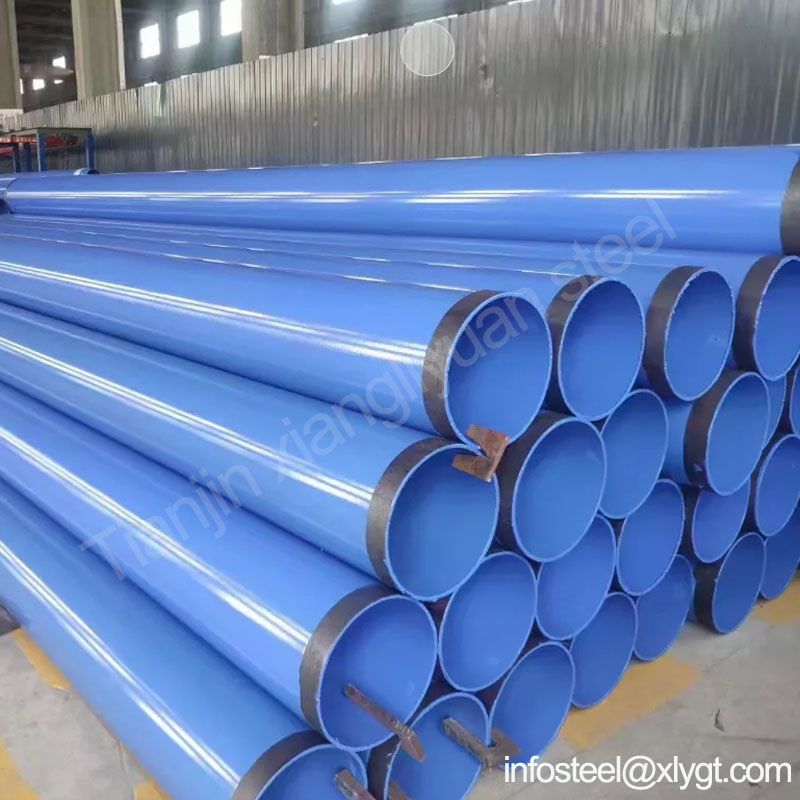
Flow Efficiency Coatings: Smooth internal coatings (often epoxy-based) reduce friction, improving flow rates and reducing pumping energy requirements. These “flow coatings” can provide 10-20% improvements in throughput compared to bare steel.
Corrosion-Resistant Linings: For pipelines carrying corrosive fluids, internal linings provide essential protection. Innovations include:
Phenolic Epoxies: Excellent chemical resistance for aggressive services.
Novolac Epoxies: Higher temperature capability for demanding applications.
Liquid Epoxy (LE) Coatings: Applied centrifugally to ensure uniform coverage.
6. Environmentally Friendly Coating Solutions
Regulatory pressure and environmental awareness are driving innovation in “green” coatings:
Waterborne Epoxies: Reducing volatile organic compound (VOC) emissions compared to solvent-borne alternatives.
High-Solids Coatings: Minimizing solvent content while maintaining application properties.
Bio-Based Coatings: Some researchers are developing epoxy resins derived from renewable resources rather than petroleum.
Application Innovations: How Coatings Are Applied
Advanced coatings are only effective if properly applied. Recent innovations in application technology ensure consistent, high-quality protection:
Automated Grit Blasting and Surface Preparation
Surface preparation is the most critical step in coating application. Modern facilities use automated grit blasting with:
Precise control of abrasive type and impact angle
Real-time monitoring of surface cleanliness (to Sa 2.5 or Sa 3 standards)
Profile depth measurement to ensure optimal anchor pattern
Dust collection systems for worker safety and environmental compliance
Induction Heating for Precise Temperature Control
Many modern coatings require precise substrate temperatures during application. Induction heating systems provide:
Rapid, uniform heating without flame or hot air
Precise temperature control within ±5°C
Energy efficiency compared to conventional ovens
At Tianjin Xiangliyuan Steel, our coating facilities utilize state-of-the-art induction heating and automated application equipment to ensure every pipe receives consistent, high-quality protection.
Robotic Application Systems
For internal coatings, robotic application systems equipped with centrifugal heads or spray nozzles ensure uniform coverage even in small-diameter pipes. These systems can be programmed for specific pipe dimensions and coating thickness requirements.
Quality Assurance: Ensuring Coating Performance
Advanced coatings demand advanced quality control. Modern coating facilities employ multiple inspection methods:
Holiday Detection: High-voltage electrical testing to identify any pinholes or discontinuities in the coating.
Adhesion Testing: Pull-off tests to verify bond strength between coating and substrate.
Thickness Measurement: Continuous monitoring of dry film thickness using magnetic or eddy current gauges.
Cure Verification: Solvent rub tests or differential scanning calorimetry to ensure complete cure.
Third-Party Inspection: Many projects require independent verification by agencies such as SGS, BV, or DNV.
Selecting the Right Coating for Your Application
With so many options available, selecting the optimal coating requires careful consideration of multiple factors:
| Application | Recommended Coating Systems | Key Considerations |
|---|---|---|
| Long-distance oil/gas pipelines | 3LPE or 3LPP | Operating temperature, soil conditions, installation method |
| Offshore pipelines | 3LPP with concrete weight coating | Depth, water temperature, mechanical protection |
| Water pipelines | FBE or polyurethane | Water chemistry, disinfection requirements |
| High-temperature services | 3LPP or novolac epoxy | Maximum operating temperature, thermal cycling |
| Abrasive slurries | Ceramic-epoxy hybrid | Erosion rate, particle size and hardness |
| Marine structures | FBE with topcoat or specialty marine coatings | Splash zone vs. submerged, UV exposure |
| Field joints | Polyurethane or heat-shrink sleeves | Cure time, compatibility with parent coating |
The Economic Case for Quality Coatings
While advanced coatings add upfront cost, the economic case for quality protection is compelling. Consider a typical pipeline project:
Without adequate protection, a pipeline may require replacement in 15-20 years.
With modern anti-corrosion coatings and cathodic protection, service life can extend to 50+ years.
The cost of coating represents perhaps 5-10% of total installed cost but delivers 200-300% extension in asset life.
Moreover, the indirect costs of failure—environmental cleanup, regulatory fines, reputational damage, and business interruption—dwarf any savings from compromising on coating quality.
Protecting Your Investment with Advanced Coating Technology
The innovations in anti-corrosion coatings described above represent a quantum leap in our ability to protect steel pipes against the ravages of corrosion. From advanced multi-layer polyolefin systems to ceramic-epoxy hybrids and nanotechnology-enhanced formulations, today’s coatings offer unprecedented levels of protection, durability, and reliability.
At Tianjin Xiangliyuan Steel, we have invested significantly in coating capabilities to complement our manufacturing operations. Our facilities can apply a comprehensive range of coatings to seamless pipes, ERW pipes, and LSAW pipes under strict quality control. Whether your project requires standard FBE for a water pipeline, high-performance 3LPP for an offshore oil and gas application, or specialized internal coatings for corrosive service, we have the technical expertise and production capability to deliver.
We understand that every project is unique, with its own operating conditions, environmental challenges, and performance requirements. Our technical team works closely with clients to recommend optimal coating solutions and ensure that specifications are met with precision.
Ready to Protect Your Pipeline Investment?
Don’t leave your project’s longevity to chance. Contact the coating specialists at Tianjin Xiangliyuan Steel to discuss your requirements. We provide detailed technical consultations, comprehensive quotations, and reliable delivery schedules for projects of any scale.
Email: infosteel@xlygt.com
Website: https://www.xlysteel.com/
Let us help you build pipelines that stand the test of time—because what’s inside matters, but what’s on the outside determines how long it lasts.