Why Hydrostatic Testing Defines Quality in Line Pipe and OCTG In the global oil, gas, and water transmission industries, a pipeline failure is not an option. One of the most critical non-destructive verification methods to ensure pipeline integrity is the hydrostatic test. This procedure validates that
Steel pipes remain the backbone of critical infrastructure across oil and gas transmission, petrochemical processing, power generation, and structural engineering applications. As global demand for seamless steel pipe, ERW steel pipe, and precision steel tubing continues to rise, ensuring surface integrity has become paramount for
The Critical Role of Heat Treatment in Modern Steel Pipe Manufacturing The global steel pipe industry, particularly in sectors such as oil and gas pipelines, petrochemical processing, power generation, and structural engineering, demands materials that exhibit exceptional mechanical properties, dimensional stability, and long-term reliability. Heat
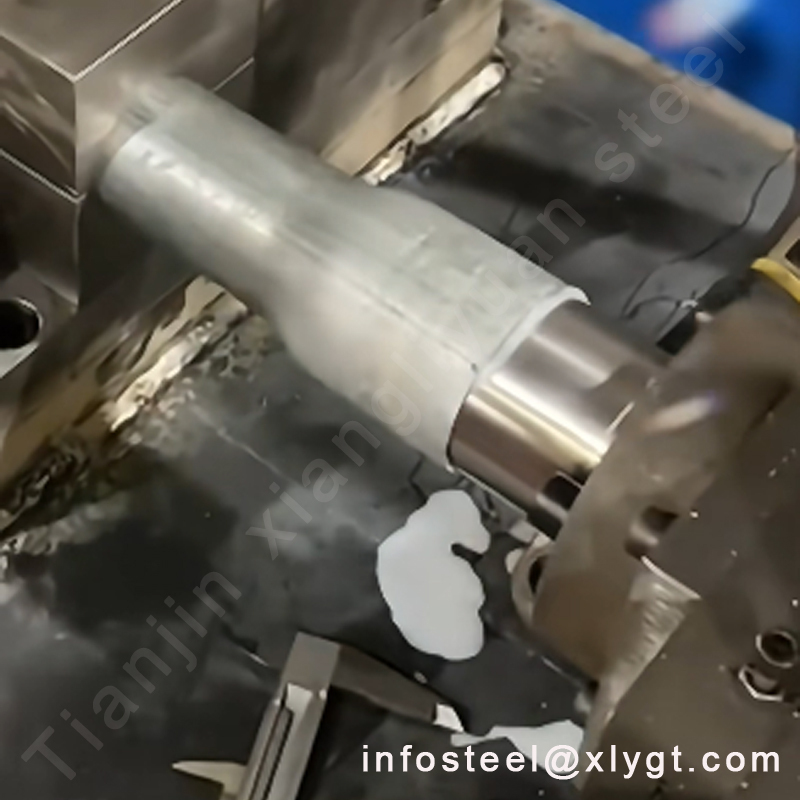
In the global steel pipe manufacturing industry, the ability to produce large-diameter seamless steel pipes with precise specifications remains a critical technical challenge. As market demands diversify and project specifications become increasingly complex, steel pipe expansion technology has emerged as an indispensable manufacturing process. At
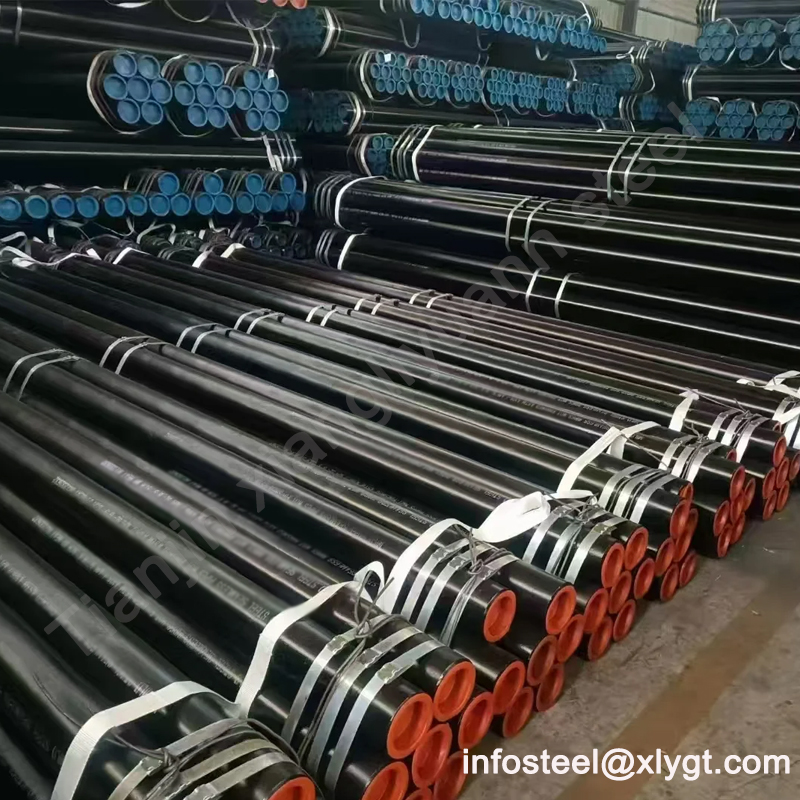
Understanding API 5L Pipeline Steel Grades In the global oil and gas industry, API 5L specification steel pipes serve as the backbone of hydrocarbon transportation infrastructure. As a leading API 5L line pipe supplier based in Tianjin, China, Tianjin Xiangliyuan Steel has witnessed firsthand how
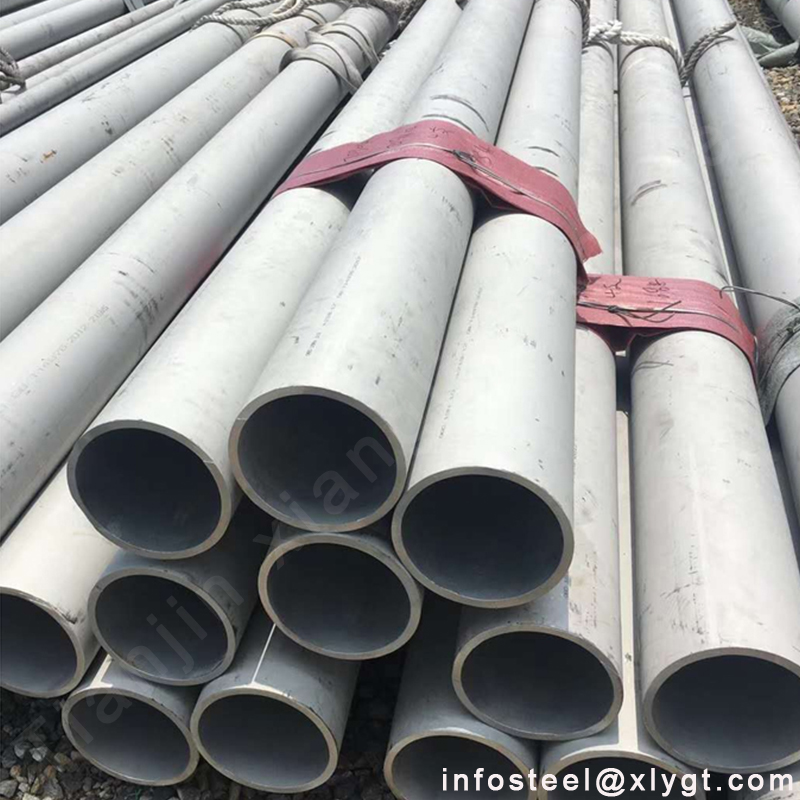
Technical Analysis and Material Selection Guide for Industrial Applications Duplex stainless steel pipes have revolutionized the industrial piping landscape, offering an exceptional combination of corrosion resistance and mechanical strength that surpasses conventional austenitic and ferritic stainless steels. As global industries face increasingly aggressive operating environments—from
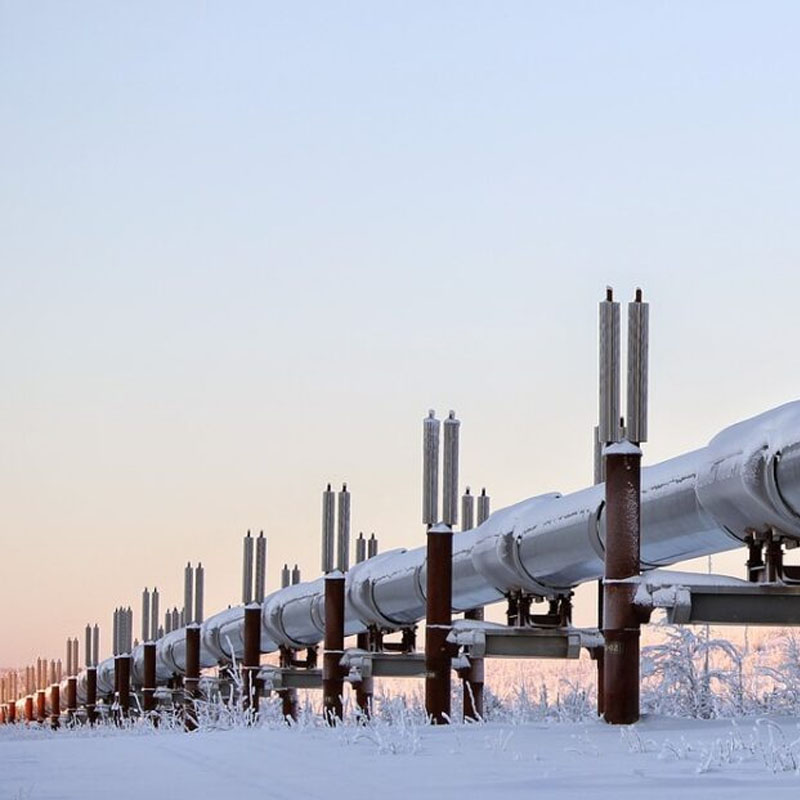
Comprehensive Guide to Low-Temperature Service Carbon Steel Piping Solutions Introduction to Cryogenic Steel Pipe Technology In the demanding world of industrial infrastructure, ASTM A333 Grade 6 stands as the gold standard for low-temperature carbon steel piping applications. As global energy projects expand into harsh arctic
Understanding Critical Carbon Steel Pipe Standards In the global industrial piping market, selecting the appropriate carbon steel pipe specification is fundamental to ensuring operational safety, regulatory compliance, and long-term cost efficiency. Among the most frequently specified standards in oil and gas, power generation, and chemical
The selection of appropriate API 5CT casing and tubing steel grades represents one of the most critical engineering decisions in oil and gas well construction. As a leading OCTG (Oil Country Tubular Goods) supplier based in Tianjin, China, Tianjin Xiangliyuan Steel understands that matching the
Selecting the appropriate steel pipe is a critical engineering decision that directly impacts project safety, longevity, and cost-efficiency. With numerous grades, manufacturing methods, and international standards available, procurement teams and engineers must navigate complex technical specifications to ensure optimal performance. This comprehensive guide provides a

Social Media
contact us today
our location
Company Address
2-1-601, Qingdayuan, southwest of the intersection of Shuangjiang Road and Longxing Road, Shuangjie Town, Beichen District, Tianjin
©COPYRIGHT 2012 - 2026 | seamless pipe | Galvanized Steel Pipe | Pipe fitting | Other steel pipes | Carbon steel coil/strip | Galvanized steel coil/strip | PPGI | Carbon steel sheet/plate | Galvanized steel sheet/plate | per-painted steel sheet/plate | steel bar/rod | Carbon steel wire | Galvanized steel wire | steel rail | Channel | Angle | H/I beam | Flat steel | Other profile steel | Advanced Small Grouting Catheter For Tunnel | Hollow Grouting Anchors | Rebar