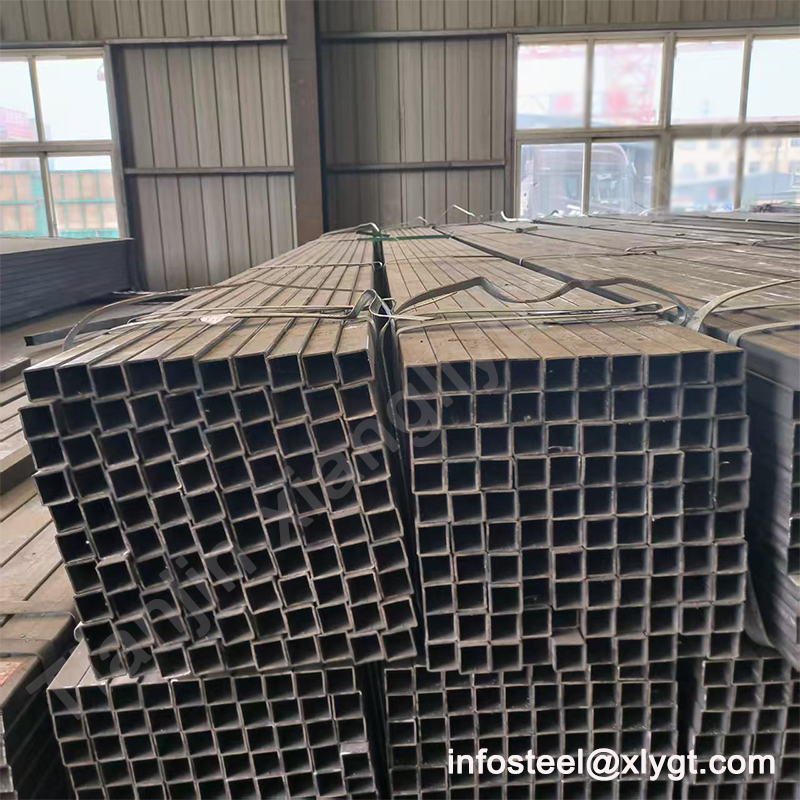
Navigating Global Standards for Hollow Sections In the world of structural steel construction, choosing the right material specification is not merely a matter of preference—it is a critical engineering decision that impacts safety, fabrication costs, and project approval. For procurement specialists and engineers sourcing Carbon Steel Structural
In the realm of mechanical applications, selecting the appropriate steel tubing is critical for ensuring structural integrity, machinability, and long-term reliability. ASTM A513 stands as the premier standard for electric-resistance welded (ERW) carbon and alloy steel mechanical tubing. However, within this specification lies a crucial engineering decision:
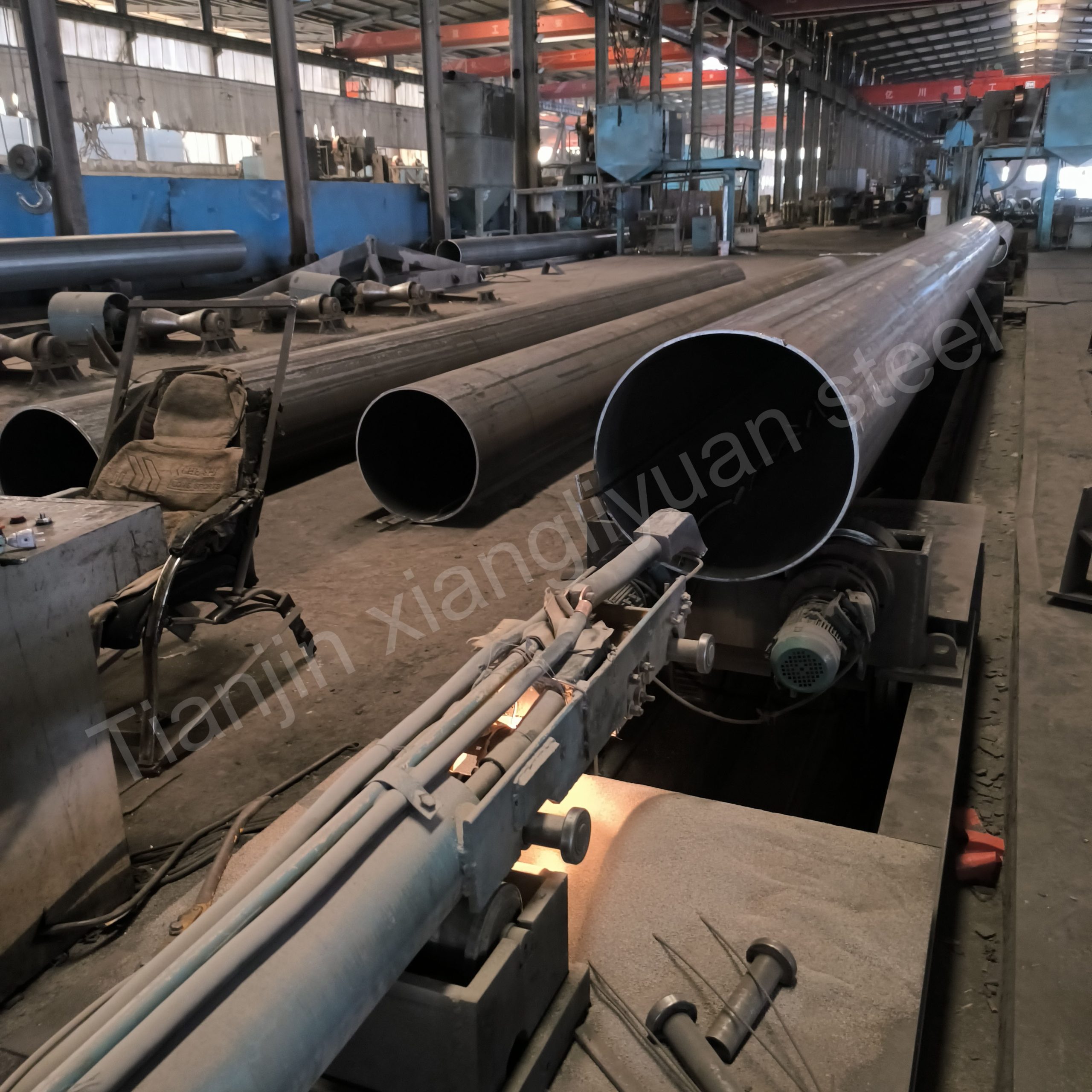
1. The Critical Role of Forming Technology in LSAW Pipes In the modern industrial landscape, the demand for Large Diameter Thick-Walled Steel Pipes is rising exponentially, driven by deep-water oil & gas extraction, offshore wind substructures, and high-pressure hydro-transport systems. Unlike ERW pipes, Longitudinal Submerged Arc Welded (LSAW) pipes
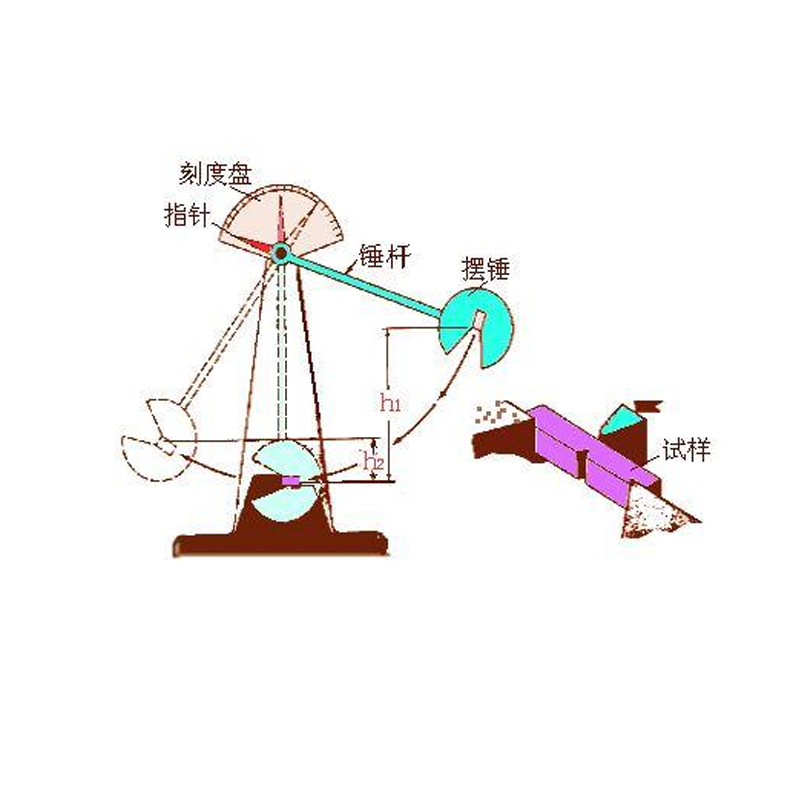
In the modern oil and gas transmission industry, the safety and reliability of long-distance pipelines are paramount. One of the most critical mechanical properties for high-strength pipeline steel pipes is crack arrest toughness. When a brittle fracture initiates in a pipeline due to internal pressure fluctuations,
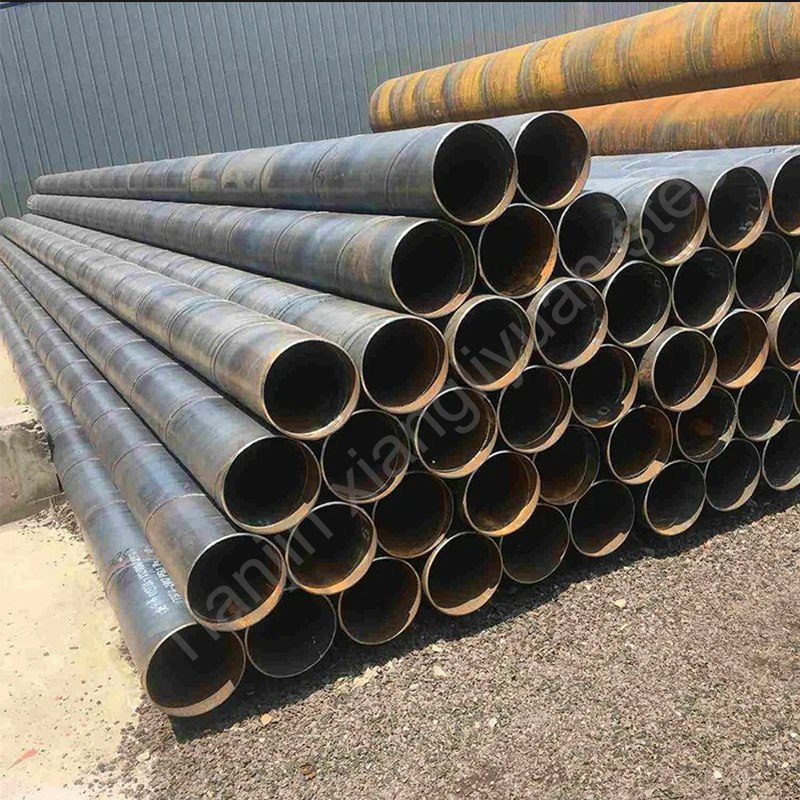
In modern pipeline engineering, the selection of the correct large diameter steel pipe is critical for structural integrity, flow efficiency, and long-term operational safety. Two dominant technologies—Spiral Submerged Arc Welded (SSAW) pipe and Longitudinally Submerged Arc Welded (LSAW) pipe—are widely specified for medium-to-high-pressure transmission of oil, natural gas, water,
In the demanding arena of long-distance oil and gas transmission, the choice of steel pipe is not merely a logistical decision—it is a critical determinant of operational safety, project longevity, and environmental stewardship. For engineers, procurement managers, and project stakeholders, navigating the labyrinth of international
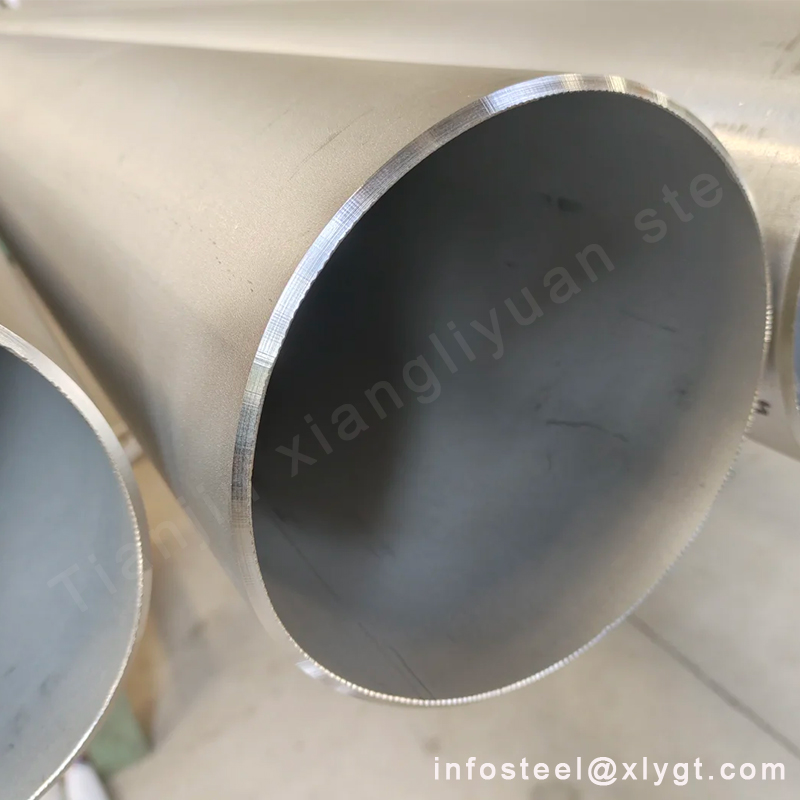
In the world of pipeline construction, pressure vessel fabrication, and structural welding, the edge of a steel pipe is far more than a simple cut. It is the foundation of weld integrity. A poorly prepared bevel leads to lack of fusion, slag entrapment, and ultimately,
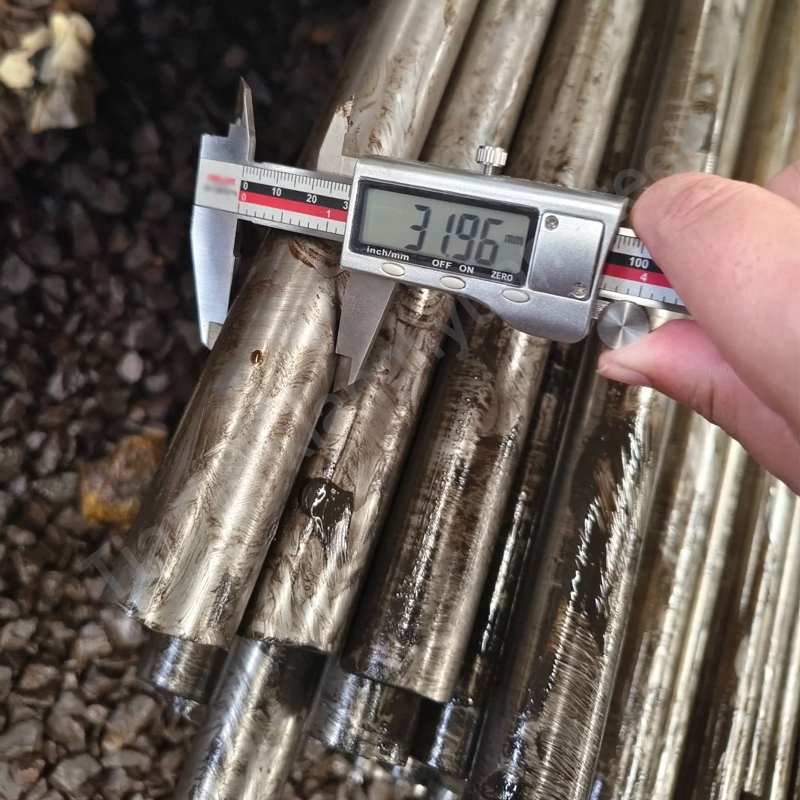
In the global oil, gas, construction, and mechanical engineering sectors, the margin for error is measured in millimeters—or often fractions thereof. For procurement managers and quality assurance engineers, steel pipe dimensional tolerance control is not merely a specification line on a datasheet; it is the defining factor
The Critical Role of Straightness in Pipeline Performance In the global transmission of oil, natural gas, and high-pressure fluids, even minor deviations in steel pipe straightness can lead to catastrophic consequences. Excessive bending causes uneven stress distribution during welding, accelerates fatigue cracking, and prevents proper alignment of
Why Straightness Defines Pipeline Performance and Safety In the global transmission of oil, natural gas, and high-pressure fluids, even minor deviations in steel pipe straightness can lead to catastrophic consequences. Excessive bending causes uneven stress distribution during welding, accelerates fatigue cracking, and prevents proper alignment of flange

Social Media
contact us today
our location
Company Address
2-1-601, Qingdayuan, southwest of the intersection of Shuangjiang Road and Longxing Road, Shuangjie Town, Beichen District, Tianjin
©COPYRIGHT 2012 - 2026 | seamless pipe | Galvanized Steel Pipe | Pipe fitting | Other steel pipes | Carbon steel coil/strip | Galvanized steel coil/strip | PPGI | Carbon steel sheet/plate | Galvanized steel sheet/plate | per-painted steel sheet/plate | steel bar/rod | Carbon steel wire | Galvanized steel wire | steel rail | Channel | Angle | H/I beam | Flat steel | Other profile steel | Advanced Small Grouting Catheter For Tunnel | Hollow Grouting Anchors | Rebar