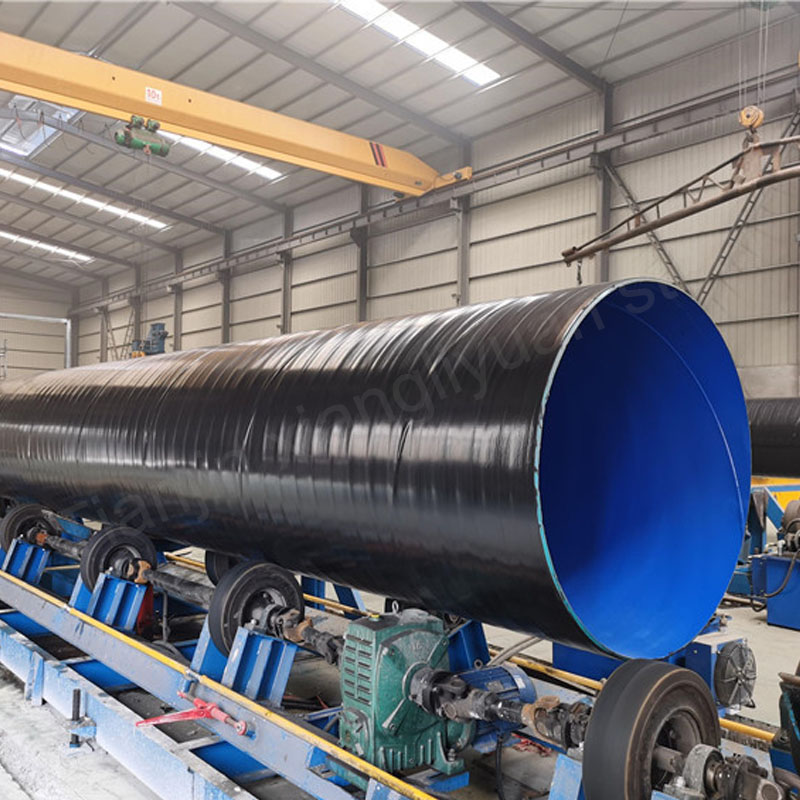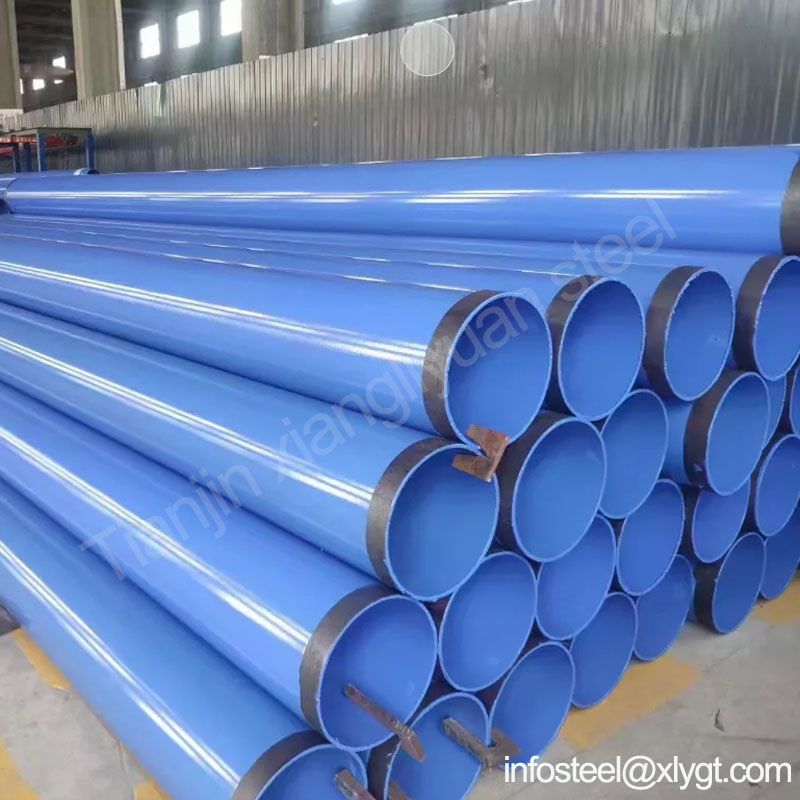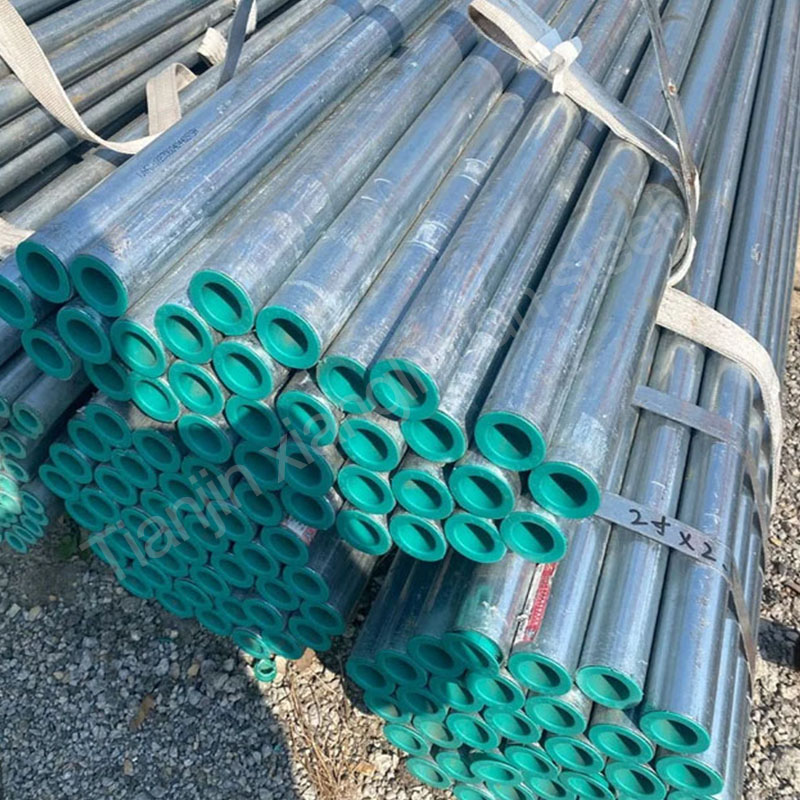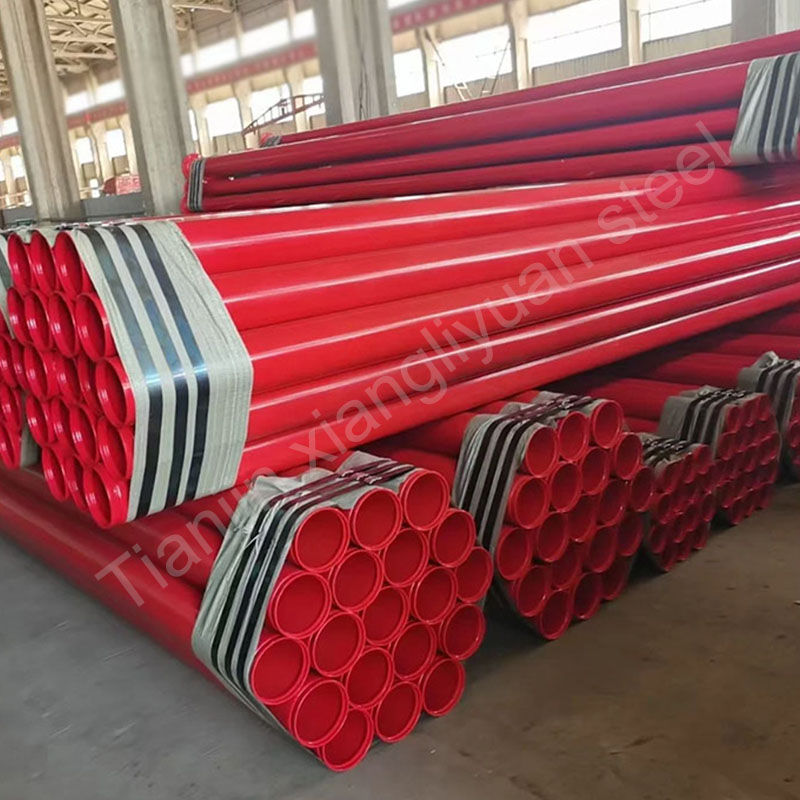
In the global steel pipe manufacturing industry, the ability to produce large-diameter seamless steel pipes with precise specifications remains a critical technical challenge. As market demands diversify and project specifications become increasingly complex, steel pipe expansion technology has emerged as an indispensable manufacturing process. At Tianjin Xiangliyuan Steel, located strategically in Tianjin—China’s premier port city with direct access to Tianjin Port—we have developed world-class expertise in both mechanical expansion and hydraulic expansion technologies. Our proximity to one of the world’s busiest shipping hubs ensures efficient logistics and rapid delivery to global clients, reinforcing our commitment to quality and service excellence. For technical inquiries, our engineering team is available at infosteel@xlygt.com, and comprehensive product specifications can be found at https://www.xlysteel.com/.
Fundamental Principles of Pipe Expansion Technology
Pipe expansion is a metal forming process that increases the outer diameter (OD) of a steel pipe through controlled plastic deformation. This technology addresses the market scarcity of large-diameter seamless steel pipes that cannot be produced economically through conventional hot-rolling processes, particularly for pipes exceeding 508mm OD with diameter-to-wall-thickness ratios (D/S) exceeding 25 .
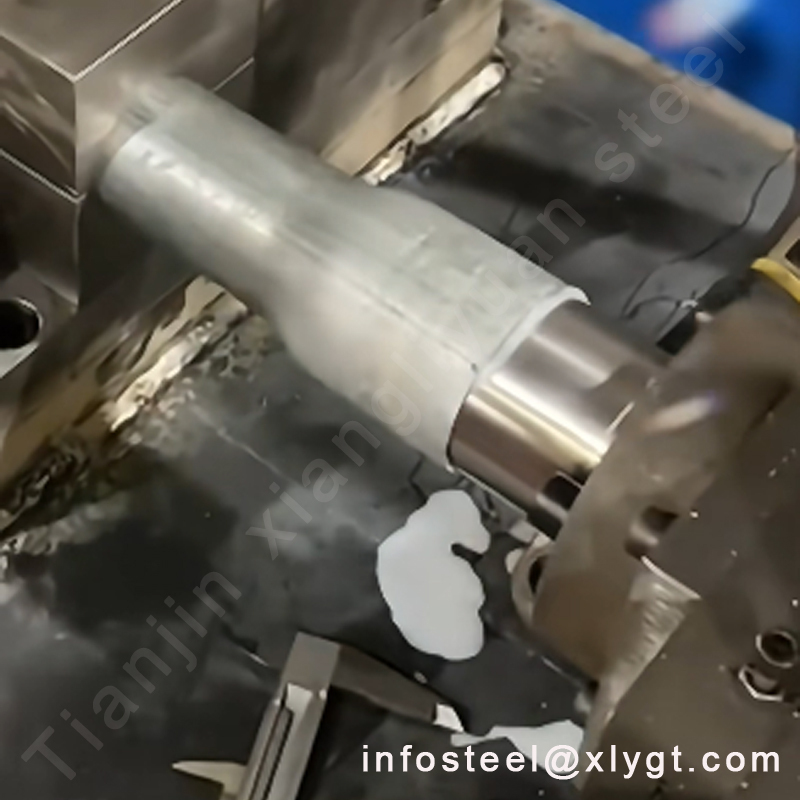
The process fundamentally relies on thermomechanical deformation principles. A mother pipe—typically smaller in diameter than the target specification—is heated to a precise temperature range (usually 850-1050°C for carbon steel) using medium frequency induction heating (typically 200-1000Hz). This heating method ensures rapid, uniform temperature distribution while minimizing oxidation. The heated pipe section is then expanded using an internal mandrel driven by hydraulic force, causing radial plastic deformation that permanently increases the pipe diameter .
Mechanical vs. Hydraulic Expansion: Technical Comparison
Mechanical Expansion utilizes physical tooling—typically tapered dies or segmented mandrels—to expand pipe ends or full sections. This method employs ram forming or rotary expanders where a tapered die is forced into the pipe interior, creating radial displacement through direct mechanical contact. Mechanical expansion offers simplicity and cost-effectiveness for smaller-scale operations and specific end-forming applications, such as creating flared connections or preparing pipe ends for welding .
However, mechanical expansion presents limitations regarding expansion ratio flexibility and wall thickness uniformity. The process typically achieves expansion ratios of 1.0-1.3, with higher ratios risking material thinning beyond acceptable limits or inducing residual stresses that compromise mechanical properties .
Hydraulic Expansion represents the advanced industrial standard for large-diameter seamless pipe production. This technology employs high-pressure hydraulic systems (operating pressures typically 180-340 MPa, with maximum capabilities reaching 350 MPa) to drive precision-engineered expansion mandrels . The hydraulic pipe expanding machine configuration includes multiple oil cylinders (two or four-cylinder designs) that provide synchronized, stable thrust through frame-type focal point propulsion systems—an engineering innovation that significantly enhances operational stability and production efficiency .
The hydraulic approach achieves expansion ratios ranging from 1.0 to 1.8, with finished pipe diameters spanning 48mm to 1420mm (approximately 2 to 56 inches) and wall thicknesses up to 120mm . This method accommodates diverse materials including carbon steel (Q235, Q345, 45#, A106B-C), alloy steel (12CrMoV, P91/T91), stainless steel (austenitic and duplex grades), and specialized alloys such as titanium and T250 special steel .
Quality Control Parameters and Technical Specifications
At Tianjin Xiangliyuan Steel, our quality control protocols for pipe expansion adhere to stringent international standards. Critical parameters include:
Expansion Ratio and Wall Thickness Management: The optimal OD expansion ratio ranges between 1.0 and 1.8, with the wall thinning ratio controlled between 5% and 8% to maintain structural integrity. The relationship between mother pipe length and finished pipe length follows the formula: Mother Pipe Length = Finished Pipe Length × OD Expansion Ratio. This ensures material conservation while achieving target dimensions .
Temperature Control Systems: Our PLC-controlled intelligent constant temperature systems monitor heating cycles with infrared thermometry, maintaining process temperatures within ±15°C tolerances. Precise thermal management prevents grain growth, ensures uniform microstructure, and eliminates thermal defects such as overheating or insufficient plasticity .
Hydraulic System Precision: The hydraulic circuit design incorporates Rexroth hydraulic valves and optimized pump stations capable of 24-hour continuous operation. Pressure transducers provide real-time feedback to touchscreen interfaces, enabling digital pressure setting with accuracy within ±0.5MPa. This level of control ensures consistent expansion joint quality across production batches .
Common Defects and Process Control Strategies
Despite technological sophistication, pipe expansion processes remain susceptible to specific defect categories that require vigilant quality control :
Internal Spiral Defects: Manifesting as spiral concave-convex patterns on inner pipe surfaces, these defects originate from excessive diameter expansion, localized wear on leveling machine rollers or mandrel heads, improper mill adjustment, or uneven mother pipe wall thickness. Control strategies include regular tooling inspection, optimized roller diameter selection, and mother pipe quality verification prior to expansion .
Concave Corrections and Scratches: Surface depressions and linear grooves typically result from misaligned straightening machine rollers, excessive pressure settings, worn guide plates, or mechanical damage during material handling. Implementation of automated feeding mechanisms and roller condition monitoring systems minimizes these surface imperfections .
Dimensional Accuracy and Geometric Tolerances: Maintaining precise outer diameter and wall thickness tolerances requires synchronized control of expansion speed (typically 5-7 cycles per minute), mandrel positioning accuracy, and material temperature consistency. Modern CNC tube expansion machines achieve positioning precision within ±0.5mm, ensuring compliance with API 5L, ASTM A53, and EN 10216 standards .
Applications and Industry Relevance
Steel pipe expansion technology serves critical infrastructure across multiple sectors:
Oil and Gas Transportation: Large-diameter line pipes for crude oil and natural gas transmission require precise dimensional control and high-strength material properties achievable through controlled expansion processes. The technology enables production of non-standard sizes that optimize pipeline flow characteristics and pressure ratings .
Power Generation: Boiler tubes and feedwater heaters in thermal power plants utilize expanded pipes for enhanced heat transfer efficiency. The hydraulic tube expansion method creates optimal tube-to-tubesheet joints with controlled contact stresses, ensuring leak-proof connections under cyclic thermal loading .
Petrochemical and Chemical Processing: Heat exchangers, tubular reactors, and process piping systems benefit from the ability to produce custom-diameter seamless pipes with corrosion-resistant alloys. The flexibility of expansion technology accommodates small-batch, multi-specification production requirements that conventional rolling mills cannot economically satisfy .
Military and Aerospace Applications: Specialized alloys and precision tolerances required for defense and aviation equipment manufacturing necessitate the advanced process control capabilities of modern pipe expanding machines .
Tianjin Xiangliyuan Steel: Your Strategic Partner
As a leading steel pipe manufacturer situated in Tianjin’s industrial corridor, Tianjin Xiangliyuan Steel leverages our geographic advantage—mere kilometers from Tianjin Port—to deliver seamless steel pipes, ERW pipes, and expanded large-diameter pipes to global markets with reduced lead times and competitive logistics costs. Our technical team possesses extensive experience in both mechanical pipe expansion and hydraulic pipe expansion technologies, ensuring every product meets or exceeds international quality standards.
Our manufacturing capabilities span carbon steel pipes, alloy steel pipes, stainless steel tubes, and specialized material grades, with comprehensive quality assurance including hydrostatic testing, ultrasonic inspection, and dimensional verification. We invite procurement professionals, engineering consultants, and project managers to contact our technical sales team at infosteel@xlygt.com or visit https://www.xlysteel.com/ to explore our product portfolio and request customized quotations for your specific pipe expansion requirements.
The evolution of steel pipe expansion technology from rudimentary mechanical methods to sophisticated hydraulic expansion systems with induction heating and PLC control represents a significant advancement in seamless steel pipe manufacturing. Mastery of process parameters—including expansion ratio optimization, temperature control, and defect prevention—distinguishes premium manufacturers in the competitive global market. Tianjin Xiangliyuan Steel remains committed to technical excellence, operational transparency, and customer-centric service, supported by our strategic location and comprehensive quality control infrastructure. For partnerships in large diameter pipe supply, custom steel tube production, or technical consultation on pipe expansion applications, we welcome your inquiry.