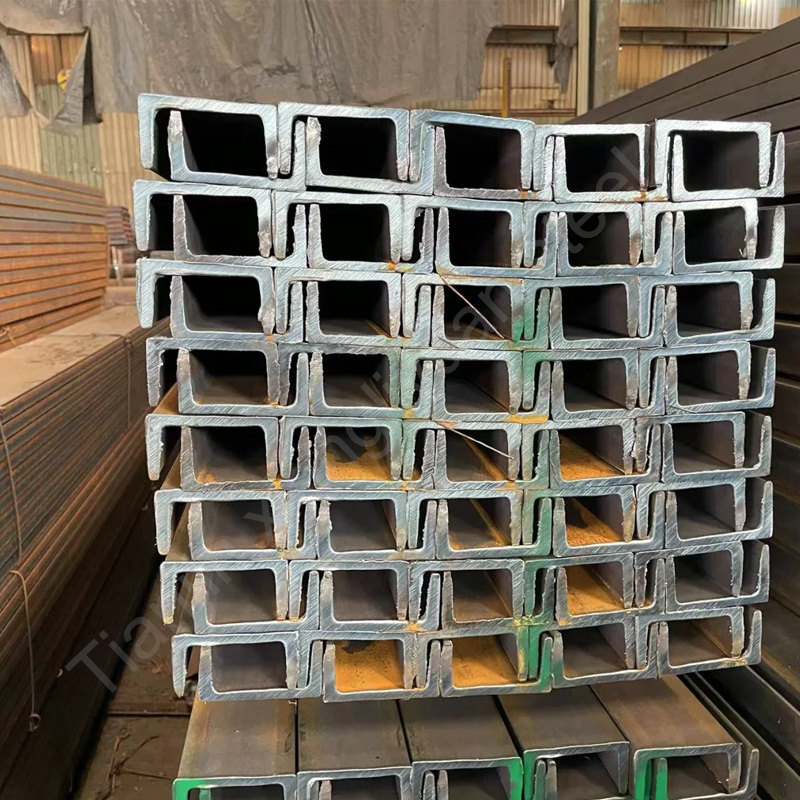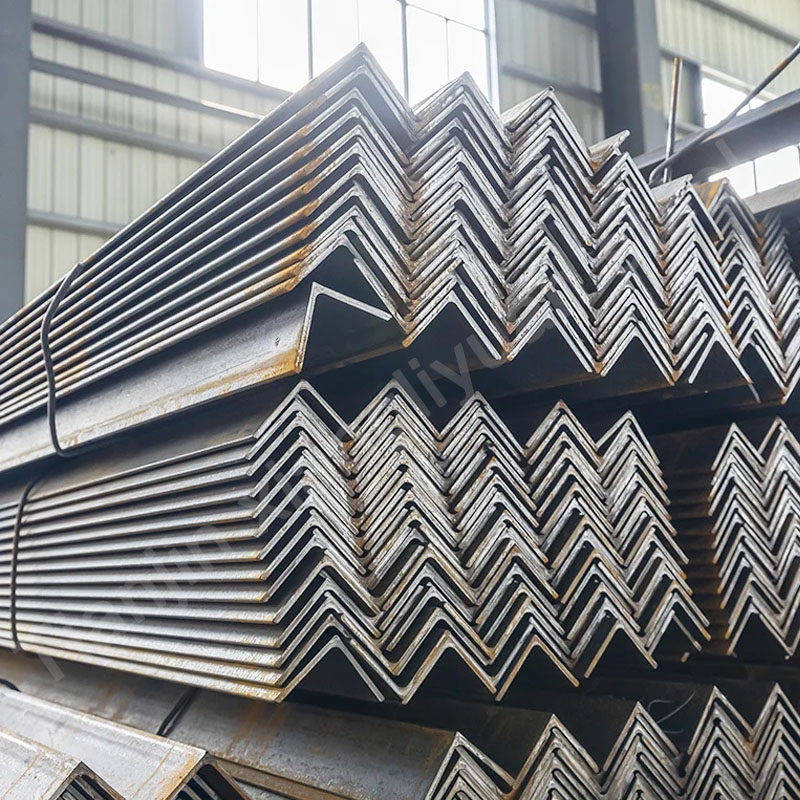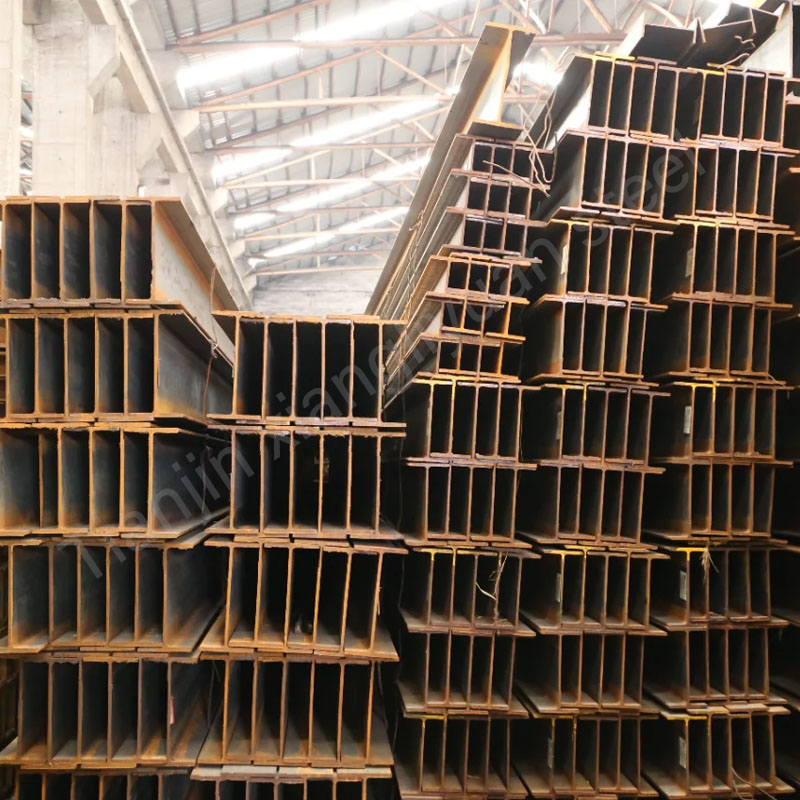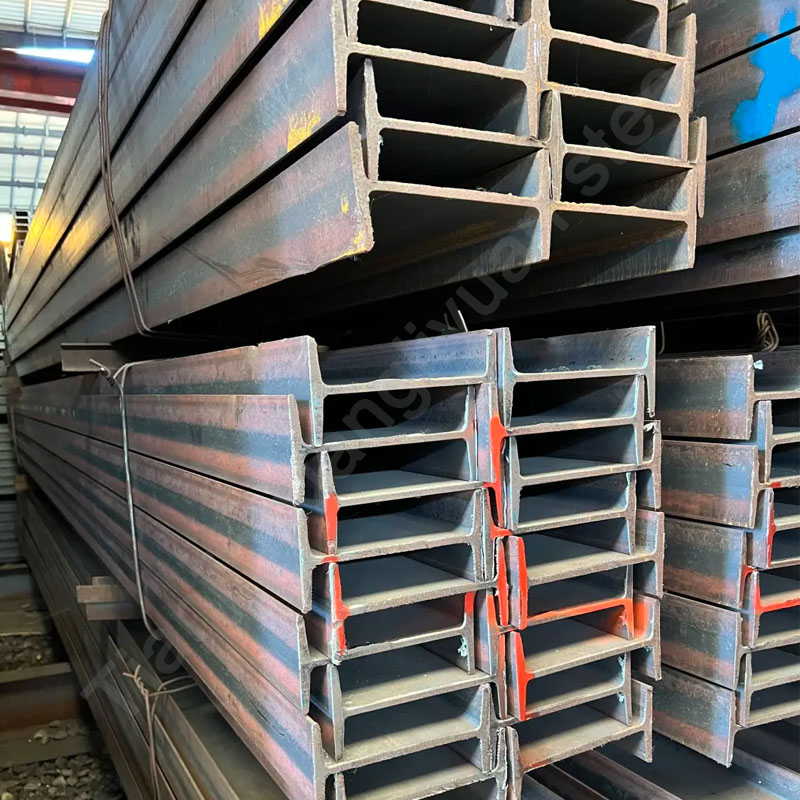
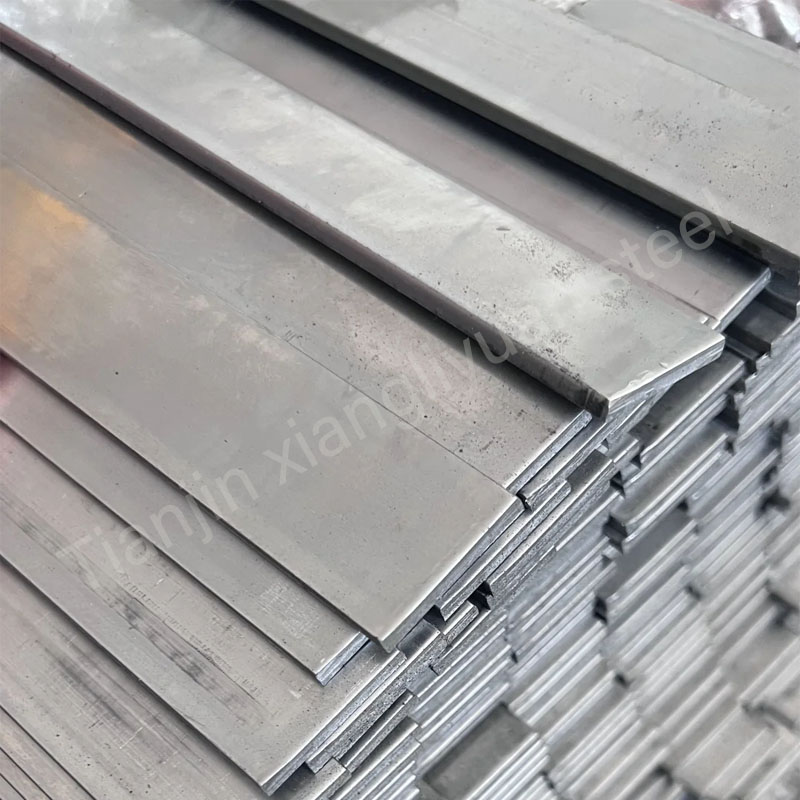
Hot rolled steel flat bars and square bars are fundamental semi-finished products serving as the backbone of countless engineering, construction, and manufacturing applications worldwide. From structural frameworks and machinery components to automotive parts and general fabrication, these products deliver the strength, versatility, and cost-effectiveness that industry demands . However, the true value of hot rolled steel bars extends far beyond their base material properties. The precision of dimensional tolerances, the integrity of surface quality, and the predictability of machinability directly determine a project’s success, cost, and timeline.
At Tianjin Xiangliyuan Steel, we understand that our clients expect more than just steel—they expect precision, reliability, and a partner who speaks their technical language. Located in Tianjin, China, our strategic proximity to major international shipping ports enables rapid, cost-effective global delivery, ensuring your supply chain remains uninterrupted. This article explores the technical nuances of hot rolled flat and square bars, structured to assist engineers, procurement specialists, and manufacturing professionals in making informed, performance-driven decisions.
Dimensional Tolerances: The Foundation of Precision Engineering
Dimensional tolerance is the allowable deviation from a specified nominal dimension. In hot rolled steel products, achieving tight tolerances is a complex challenge due to thermal expansion, mechanical stresses during rolling, and cooling variations. However, mastery of these variables is non-negotiable for applications requiring precise fits and consistent assembly.
International standards, such as ISO 1035, provide the framework for classifying these tolerances . For hot rolled steel bars, three primary tolerance classes are typically specified:
-
Class N (Normal): The standard default tolerance class, suitable for a wide range of general engineering and structural applications where extreme precision is not critical.
-
Class F (Fine): Tighter tolerances demanded by applications with more stringent requirements, such as keyways or shafts requiring minimal clearance.
-
Class S (Superfine): Reserved for highly specialized applications where maximum precision is essential, often involving secondary machining or tight assembly fits.
Flat Bars: Width and Thickness Tolerances
For hot rolled flat bars, tolerances are independently applied to width and thickness . As specified in ISO 1035, the permissible deviation depends on both the nominal dimension and, for thickness, the nominal width of the bar:
-
Width Tolerances: For flat bars with a nominal width of 10mm to 150mm, tolerances typically range from ±0.80mm to ±2.50mm. For widths exceeding 150mm, tolerances are subject to agreement between the supplier and purchaser .
-
Thickness Tolerances: These are dependent on both the nominal thickness and the width (w) of the bar. For example, a thickness tolerance of ±0.40mm may apply to bars with a nominal width of w≤50mm, whereas a tolerance of ±1.50mm might be permitted for thicknesses from 40mm to 60mm on wider bars .
Square Bars: Side Length Tolerances
Square bars are dimensioned by their side length. The same tolerance classes (N, F, S) apply as they do to round bars . For a square bar with a nominal side length of 50mm, the tolerances would be:
-
Class N: ±1.00mm
-
Class F: ±0.80mm
-
Class S: ±0.50mm
Specifying the correct tolerance class ensures that the bar will meet the functional requirements of its intended application without incurring unnecessary costs from over-specification.
Surface Quality: Decoding the Hot Rolled Finish
The surface quality of a hot rolled steel bar is not merely an aesthetic consideration; it directly impacts downstream processing, including machining, welding, coating, and the overall performance of the final component.
Understanding the Hot Rolled Surface
The characteristic black, oxide scale on a hot rolled bar results from high-temperature oxidation during the rolling and cooling process . This scale has a complex layered structure, typically consisting of:
-
Wustite (FeO): The inner layer, in direct contact with the steel substrate.
-
Magnetite (Fe₃O₄): The middle, denser layer.
-
Hematite (Fe₂O₃): The thin, outer layer .
While this mill scale provides temporary protection against atmospheric corrosion, it is generally undesirable for most final applications and must be removed.
Common Surface Defects
Understanding potential surface defects helps in specifying quality requirements and evaluating supplier capability:
-
Rolled-in Scale: Occurs when scale particles are pressed into the steel surface during rolling, creating surface imperfections that can appear as cracks during subsequent forming or welding .
-
Scabs and Seams: Irregular surface imperfections or longitudinal folds resulting from casting or rolling issues. These can be stress concentrators and compromise component integrity.
-
Decarburization: The loss of carbon from the surface layers during heating. This can lead to a soft, weak surface layer that reduces wear resistance and fatigue strength .
Evaluating Quality
Quality suppliers implement rigorous control measures to minimize these defects, including precise reheating furnace atmosphere management, effective descaling systems, and visual or automated inspection processes. A professional steel supplier will offer varying surface quality grades based on the intended processing route.
Machining Applications: From Raw Bar to Finished Component
The true potential of a hot rolled steel bar is unlocked through machining. The machinability—how easily and cleanly the material can be cut, drilled, turned, or milled—is a critical performance factor.
Common Applications:
-
AISI 1045 Medium Carbon Steel: This is a highly versatile grade, often used in the hot rolled condition for general engineering applications such as shafts, gears, bolts, and machinery parts . Its good machinability and weldability make it an excellent choice for workshops performing turning, drilling, and milling .
-
AISI 1018 Low Carbon Steel: Often used for general fabrication where high strength is not required, but weldability is key. It is cost-effective and offers excellent machinability .
-
Flat Bars for Structural Fabrication: Used to create base plates, brackets, and support members where sawing, drilling, and welding are primary operations.
-
Square Bars for Fasteners and Keys: Square bars are often machined into set screws, studs, pins, and key stock for shaft-to-hub connections.
Choosing the Right Surface for Machining
The initial surface condition impacts tool life and cutting efficiency:
-
Hot Rolled (Black): The mill scale is abrasive and can lead to increased tool wear. Machining processes often begin with a roughing pass to remove the scale and establish a clean surface.
-
Turned, Ground, and Polished (TGP): Though less common for hot rolled bars, bars that have undergone secondary processing offer a superior surface finish, tighter tolerances, and improved dimensional consistency from the start, reducing initial setup and machining time .
Why Partner with Tianjin Xiangliyuan Steel
Navigating the complexities of dimensional tolerances, surface quality, and machinability requires a steel supplier that operates as a technical consultant, not just a distributor. Tianjin Xiangliyuan Steel is that partner.
-
Technical Expertise: We adhere to rigorous international standards, including ISO 1035, and can offer engineering support to help you select the optimal grade, tolerance class, and surface quality for your specific application .
-
Product Range: We supply a diverse portfolio of hot rolled flat and square bars in a variety of dimensions, materials (including AISI 1018, 1045, and other common grades), and specifications to meet your project’s exact needs.
-
Quality Assurance: From raw billet inspection to final product packaging, we implement strict quality control procedures to ensure surface integrity and dimensional accuracy, minimizing defects and ensuring consistency.
-
Strategic Location & Logistics: Headquartered in Tianjin, we benefit from proximity to one of the world’s busiest ports. This allows us to ensure efficient shipping, reduce freight costs, and offer competitive delivery times to international clients.
-
Client-Centric Service: We are committed to building long-term relationships. We provide transparent communication, responsive support, and customized solutions to meet your supply chain requirements.
We invite you to experience the difference of partnering with a steel expert. Contact Tianjin Xiangliyuan Steel today to discuss your project requirements.
-
Company Name: Tianjin Xiangliyuan Steel
-
Email: infosteel@xlygt.com
-
Website: https://www.xlysteel.com/
Our team is ready to provide you with a detailed quotation, discuss technical specifications, and demonstrate how our quality products and exceptional service can optimize your manufacturing process.
Hot rolled steel flat and square bars are essential materials that underpin modern industry. Success with these materials depends on a deep understanding of dimensional tolerances, surface quality, and machinability. By carefully selecting the appropriate tolerance class, understanding the characteristics of the hot rolled finish, and considering the requirements of your machining applications, you can ensure high-quality results and efficient production.
Choosing a supplier who possesses this technical knowledge and can deliver consistent quality is paramount. With our strategic advantages in quality control and logistics, Tianjin Xiangliyuan Steel stands ready to be your reliable partner for all your hot rolled steel requirements. We encourage you to visit our website at https://www.xlysteel.com/ or contact us directly at infosteel@xlygt.com to see how we can support your next project.