The oil and gas industry operates at the frontier of engineering, where extreme pressures, corrosive environments, and unforgiving temperatures are the norm. In this high-stakes arena, the integrity of every component is paramount, with failure never being an option. This is especially true for the piping systems that form the circulatory network of the entire sector—from downhole drilling to long-distance transmission. In recent years, a clear and sustained trend has emerged: the increasing preference for and specification of seamless steel pipes over their welded counterparts for critical applications.
At Tianjin Xiangliyuan Steel, as a specialized manufacturer of both seamless and welded steel pipes, we have a unique vantage point on this shift. Our deep engagement with engineering firms, procurement departments, and fabricators serving the oil and gas industry reveals that this move is not a fleeting preference but a strategic evolution driven by technical necessity, economic pragmatism, and heightened safety standards. This article explores the fundamental reasons behind the rising popularity of seamless steel pipes and why they are often the default choice for engineers designing tomorrow’s energy infrastructure.
The Fundamental Difference: Understanding Seamless Pipe Manufacturing
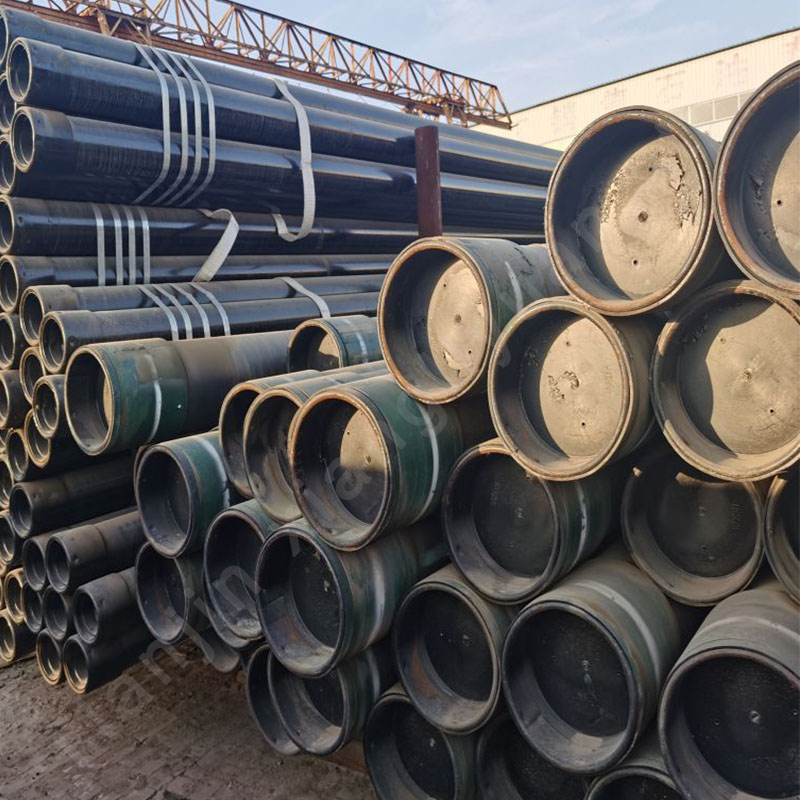
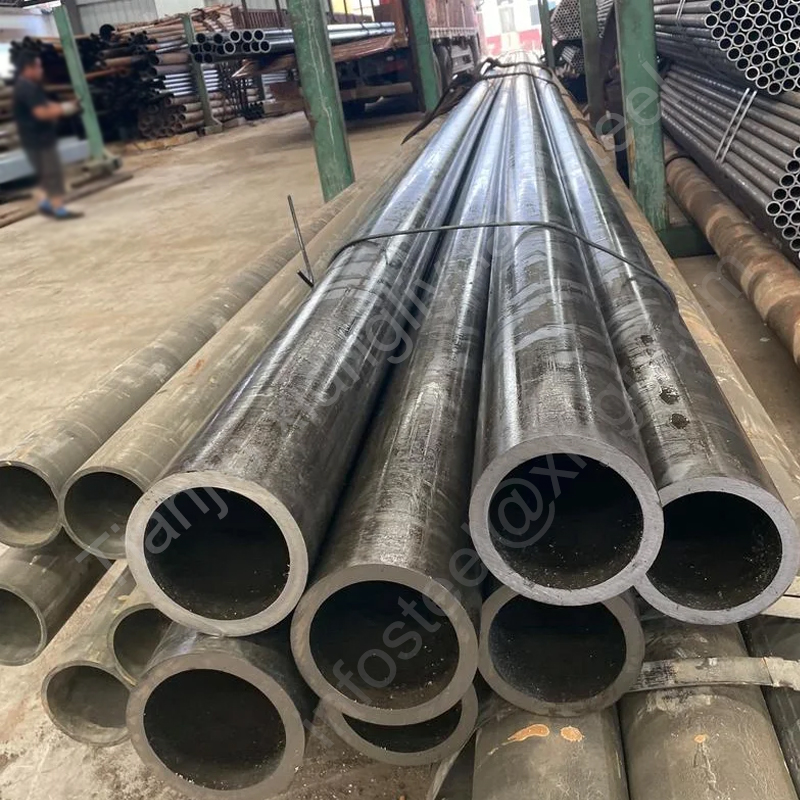
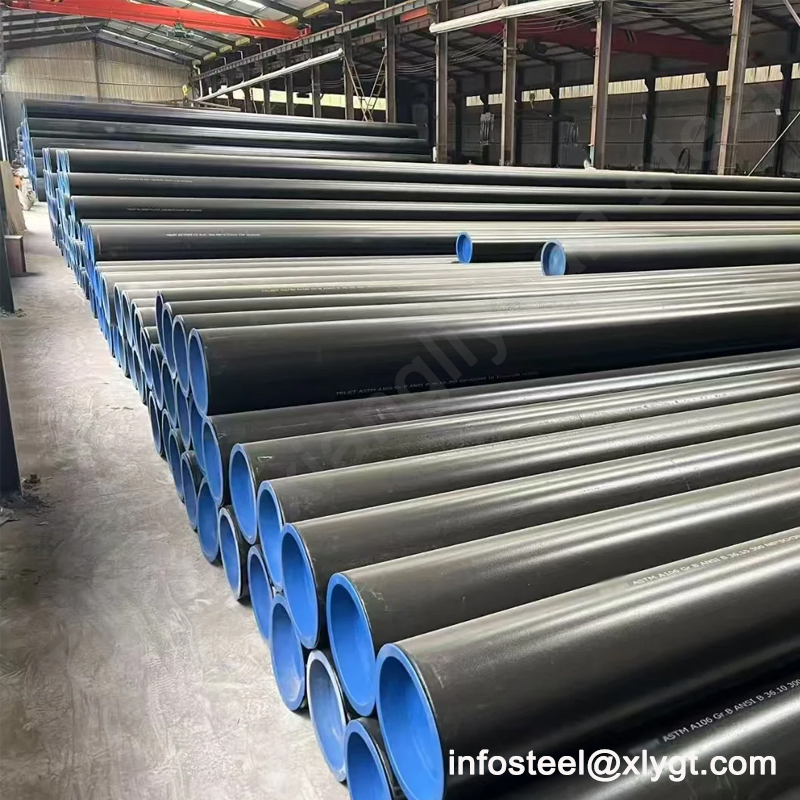
To appreciate the advantages, one must first understand the manufacturing process. A seamless steel pipe is precisely what its name implies: a pipe without a longitudinal weld seam. It is created by piercing a solid, heated cylindrical steel billet around a mandrel to form a hollow shell (known as a hollow), which is then elongated and sized through a series of rolling and stretching processes (like rotary mandrel mills or plug mills).
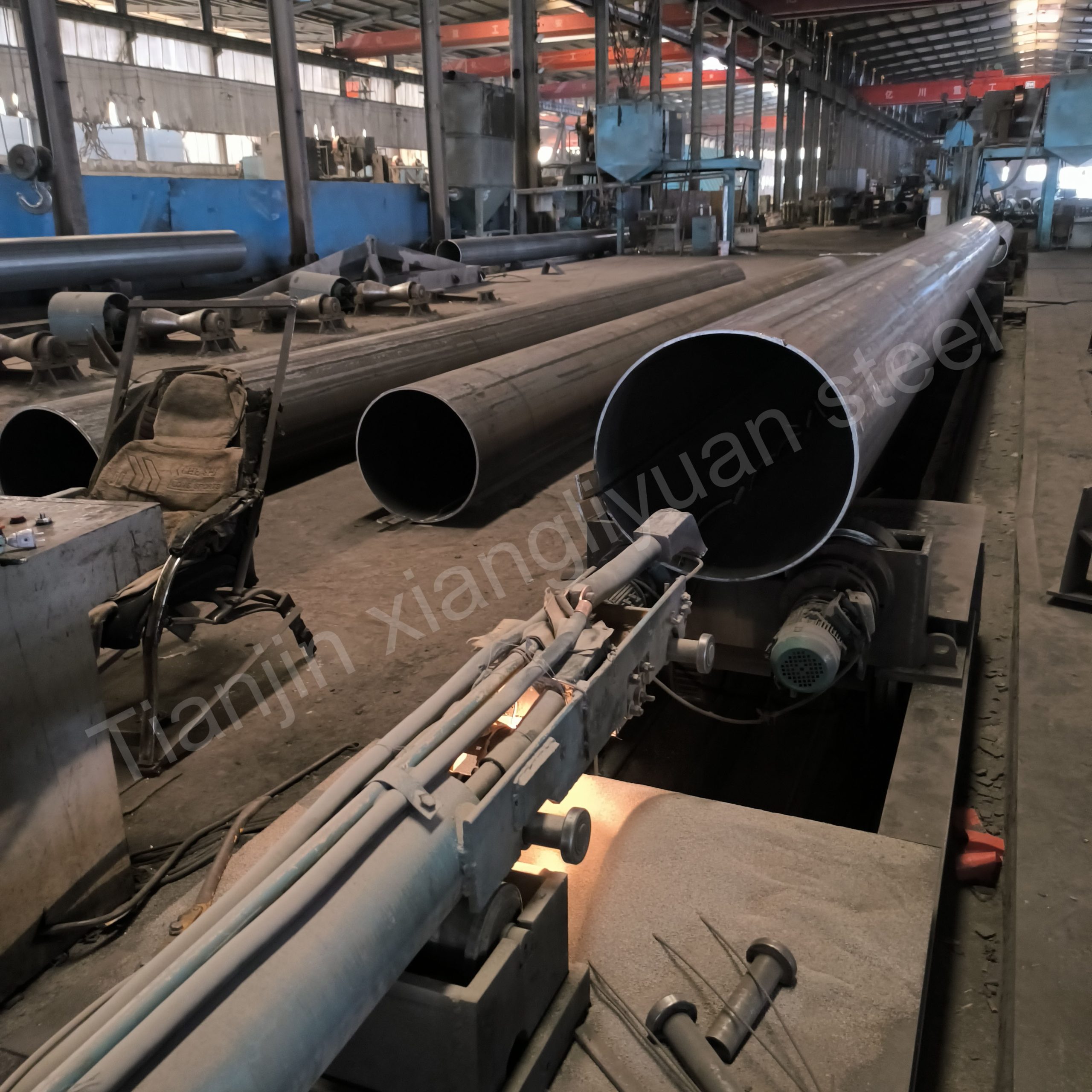
This contrasts sharply with Welded Steel Pipes (such as ERW or LSAW), which are formed by rolling a steel plate or coil into a cylindrical shape and then welding the edges together along a longitudinal seam.
The absence of this seam is the cornerstone of all subsequent benefits, making seamless pipes the gold standard for demanding service conditions.
Key Drivers Behind the Growing Preference for Seamless Pipes
1. Superior Structural Integrity and Homogeneity
The most critical advantage lies in the pipe’s inherent structure.
No Weld Seam Vulnerability: The welded seam, even with advanced techniques, can be a potential point of weakness. It may be susceptible to imperfections like inclusions, lack of fusion, or heat-affected zone (HAZ) anomalies, which can initiate cracks under cyclical stress or high pressure.
Uniform Grain Structure: The seamless manufacturing process results in a continuous, uniform grain structure that follows the circumferential contour of the pipe. This homogeneity ensures consistent mechanical properties—yield strength, tensile strength, and impact toughness—around the entire circumference and along its length. For applications like OCTG (Oil Country Tubular Goods) including casing and tubing, where pipes are subjected to tremendous hoop stress, collapse pressure, and tension, this uniformity is non-negotiable. Seamless pipes provide predictable, reliable performance where it matters most.
2. Enhanced Performance Under High Pressure and Extreme Conditions
The oil and gas industry consistently pushes materials to their limits.
High-Pressure Applications: In downhole applications, pressure ratings can be extraordinary. Seamless pipes, with their uniform wall thickness and absence of a welded joint, inherently have a higher pressure containment capability. They are the mandatory choice for high-pressure boiler tubes, heat exchangers, and critical process piping within refineries and petrochemical plants.
Resistance to Mechanical Stresses: Operations such as deepwater drilling, hydraulic fracturing (fracking), and sour service (exposure to H₂S) impose severe mechanical and environmental stresses. The isotropic nature of seamless pipes offers superior resistance to these complex, multi-directional stresses compared to welded pipes, where the weld seam can be a stress concentrator.
3. Improved Safety and Reliability in Critical Service
In an industry where failures can have catastrophic environmental, human, and financial consequences, safety is the overriding priority.
Reduced Risk of Failure: The elimination of the longitudinal weld seam directly eliminates a primary failure path. This translates to a lower risk of leaks, ruptures, and blowouts in critical oil and gas pipelines and wellbore applications.
Suitability for Sour Service: Environments containing hydrogen sulfide (H₂S) require pipes with exceptional resistance to Sulfide Stress Cracking (SSC). The more homogeneous microstructure of seamless pipes, particularly those manufactured to standards like API 5CT with specific grades for sour service, provides enhanced resistance to this dangerous form of cracking.
4. Superior Resistance to Corrosion and Erosion
Internal and external corrosion is a constant, multi-billion-dollar challenge.
Uniform Corrosion Resistance: Without a welded seam and its associated HAZ, seamless pipes corrode more evenly and predictably. The HAZ in a welded pipe can sometimes exhibit different electrochemical properties, making it prone to galvanic or preferential corrosion.
Erosion Resistance in Flow Assurance: In pipelines carrying abrasive materials (e.g., sand-laden fluids), the smooth, continuous interior surface of a seamless pipe offers better resistance to erosive wear. There is no internal weld bead that can create turbulence or a protrusion vulnerable to accelerated erosion.
5. Compliance with Stringent Industry Standards and Specifications
The industry is governed by rigorous codes. Seamless pipes are often explicitly specified or inherently better suited to meet them.
API Standards as the Benchmark: The American Petroleum Institute (API) standards are the global lingua franca. Seamless pipes are produced to stringent specifications like:
API 5L: For line pipe used in transportation.
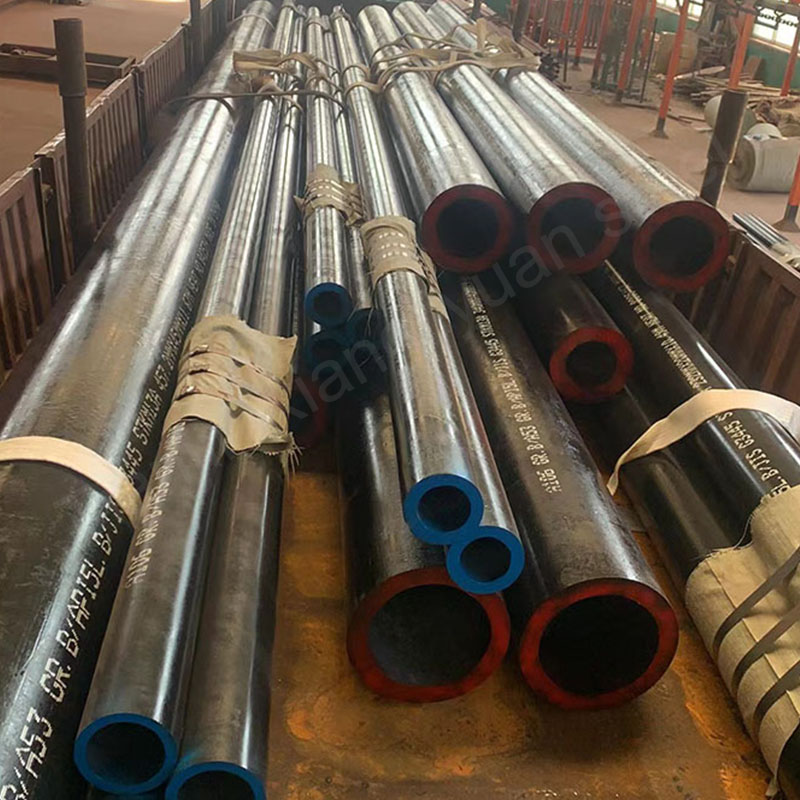
API 5CT: For casing and tubing used in wells.
API 5DP: For drill pipe.
Fitness-for-Service & Traceability: Major operators and engineering contractors demand full material traceability and rigorous testing. Leading manufacturers like Tianjin Xiangliyuan Steel ensure every length of seamless pipe is accompanied by a complete Mill Test Certificate (MTC), providing traceability to the heat of steel and verifying compliance with all chemical and mechanical property requirements. This level of documented assurance is easier to achieve and more consistent with seamless production.
Where Are Seamless Pipes Predominantly Used in Oil & Gas?
The application spectrum is vast and critical:
Exploration & Drilling: Drill pipe, casing, tubing (all under API 5CT/5DP).
Production: Wellhead components, production tubing, manifolds.
Transportation: Critical, high-pressure sections of transmission pipelines, gathering lines in demanding terrains.
Refining & Processing: High-temperature and high-pressure process piping, heat exchanger tubes, boiler tubes in refineries and LNG facilities.
Offshore Platforms: Hydraulic lines, high-pressure flow lines, and subsea applications where reliability is paramount and replacement costs are astronomical.
Choosing the Right Seamless Pipe Supplier: Beyond the Product
While the advantages of seamless steel pipes are clear, realizing these benefits on your project depends entirely on the capability of your supplier. The market is varied, and not all “seamless” pipes are created equal. Key selection criteria include:
Manufacturing Expertise & Mill Type: The specific manufacturing process (e.g., rotary piercing, push bench) influences quality, size range, and wall thickness consistency.
Material Grade Mastery: A supplier must expertly produce pipes in a range of carbon steel, alloy steel, and stainless steel grades to suit different corrosive and high-temperature services.
Certification & Quality Assurance: Insist on suppliers with robust systems (ISO 9001, API Monogram license) who provide full MTCs and support third-party inspection.
Technical Support & Global Logistics: A partner should offer more than a catalog; they should provide engineering support for pipe selection and have the export expertise to deliver reliably to remote oilfield locations or coastal ports.
An Investment in Performance and Risk Mitigation
The growing popularity of seamless steel pipes in the oil and gas industry is a rational response to increasingly challenging operating environments and an uncompromising focus on safety and lifetime cost efficiency. While the initial cost of seamless pipe may be higher than some welded alternatives, its value is measured in unparalleled reliability, reduced maintenance, extended service life, and the priceless mitigation of operational risk.
For engineers and procurement specialists, specifying seamless pipe is not just a material choice—it is an engineering decision that prioritizes the integrity of the entire system.
Partner with a Specialist for Your Critical Pipeline Needs
At Tianjin Xiangliyuan Steel, we understand the profound responsibility that comes with supplying materials to the energy sector. Our dedicated seamless steel pipe production lines are engineered to meet the exacting demands of the global oil and gas industry, adhering to API 5L, API 5CT, ASTM A106, and other critical standards.
We combine advanced manufacturing technology with stringent quality control to deliver pipes that offer the performance and safety margins your projects require. From high-yield strength grades for deep wells to corrosion-resistant alloys for sour service, we provide solutions, not just products.
Contact Our Energy Sector Specialists
To discuss how our seamless steel pipes can enhance the safety and efficiency of your next project, or to request technical data sheets and a competitive quotation, please reach out to our team. We are here to provide the reliable, high-performance materials that keep the world’s energy flowing safely.
Email: infosteel@xlygt.com
Website: www.xlysteel.com/
Let Tianjin Xiangliyuan Steel be your trusted partner in building resilient and efficient energy infrastructure for the future.