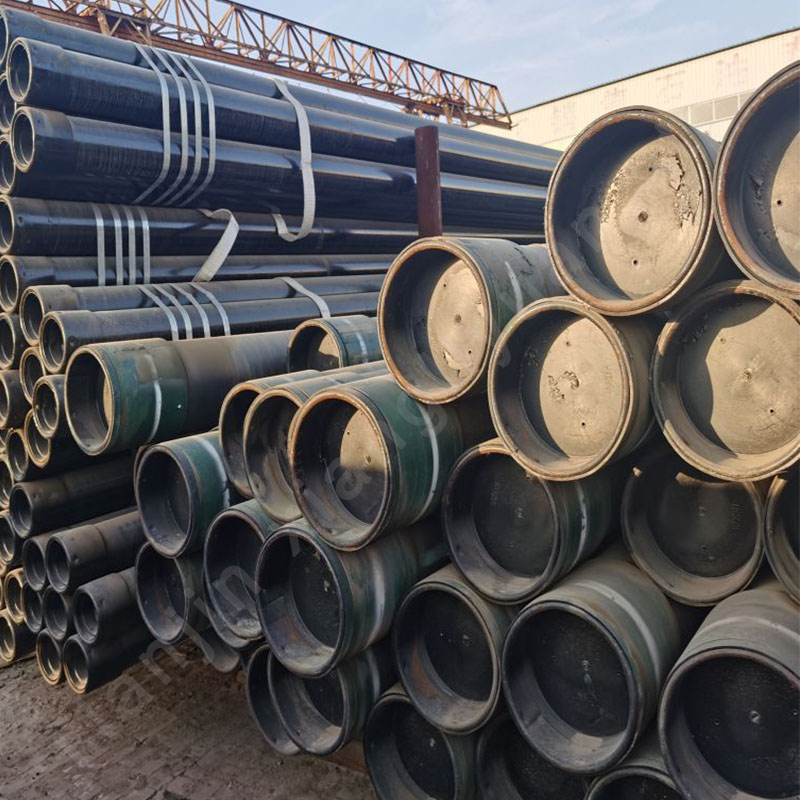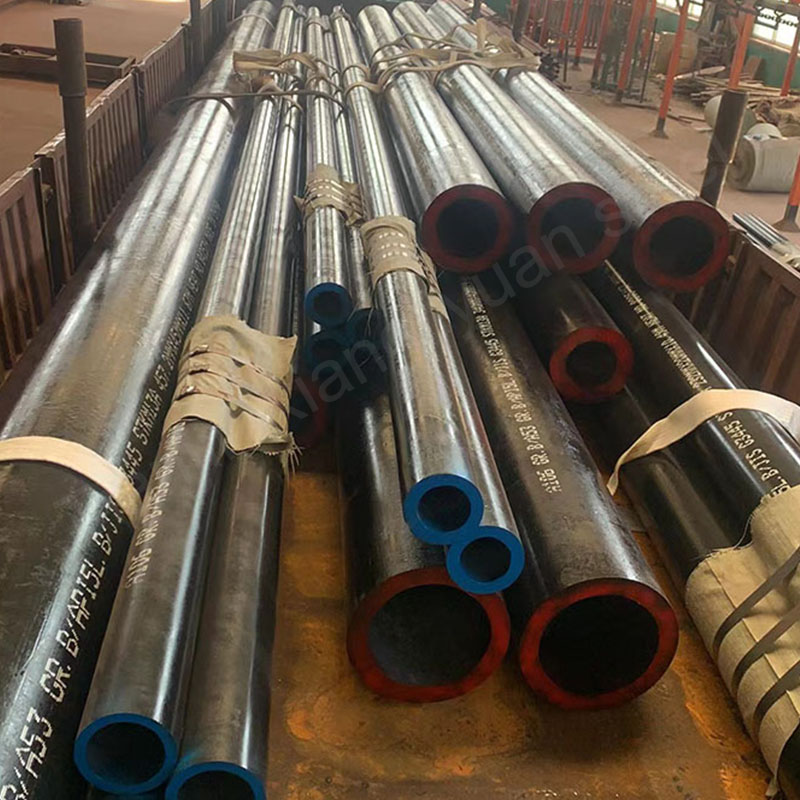
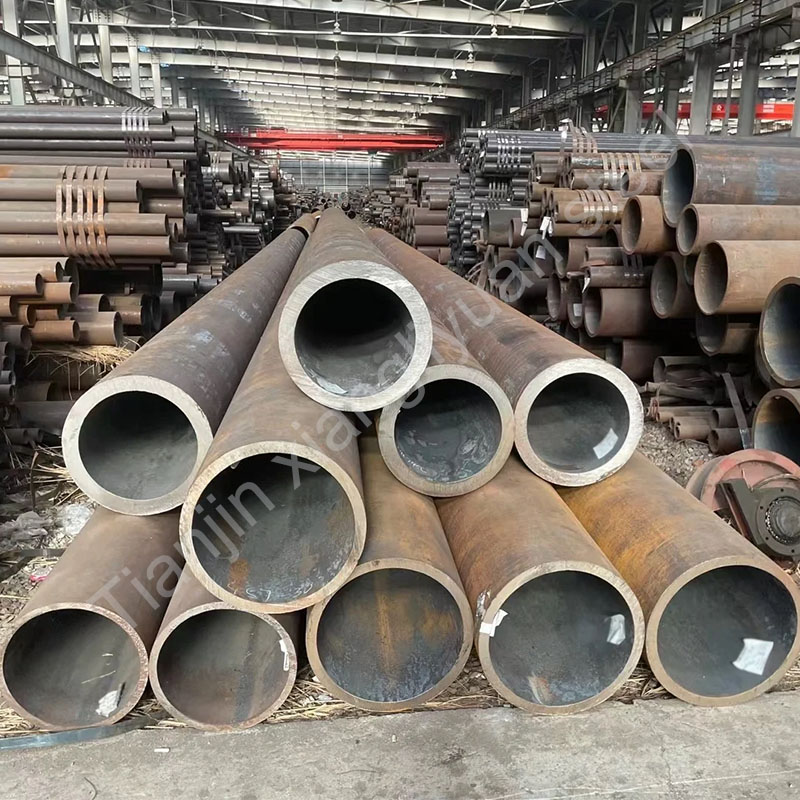
In the backbone of global infrastructure—from the water in your taps to the oil in your car and the framework of towering skyscrapers—lies a fundamental component: the carbon steel pipe. As a cornerstone of modern industry, choosing the right carbon steel pipe supplier is not just a purchase; it’s a critical decision for the safety, efficiency, and cost-effectiveness of your project.
At Tianjin Xiangliyuan Steel, we are more than just a manufacturer; we are your dedicated partner in sourcing robust, reliable, and precision-engineered carbon steel pipes. This article serves as a detailed guide to carbon steel pipes and illuminates why we are the preferred choice for clients worldwide.
1. What is a Carbon Steel Pipe? Understanding the Basics
A carbon steel pipe is a versatile and durable tubular product manufactured primarily from an alloy of iron and carbon. The carbon content, typically ranging from 0.06% to 1.5%, is the key element that enhances the strength and hardness of the steel, making it superior to traditional iron. These pipes are renowned for their exceptional tensile strength, durability, and cost-effectiveness, making them indispensable across countless applications.
The fundamental types of carbon steel pipes are defined by their manufacturing process:
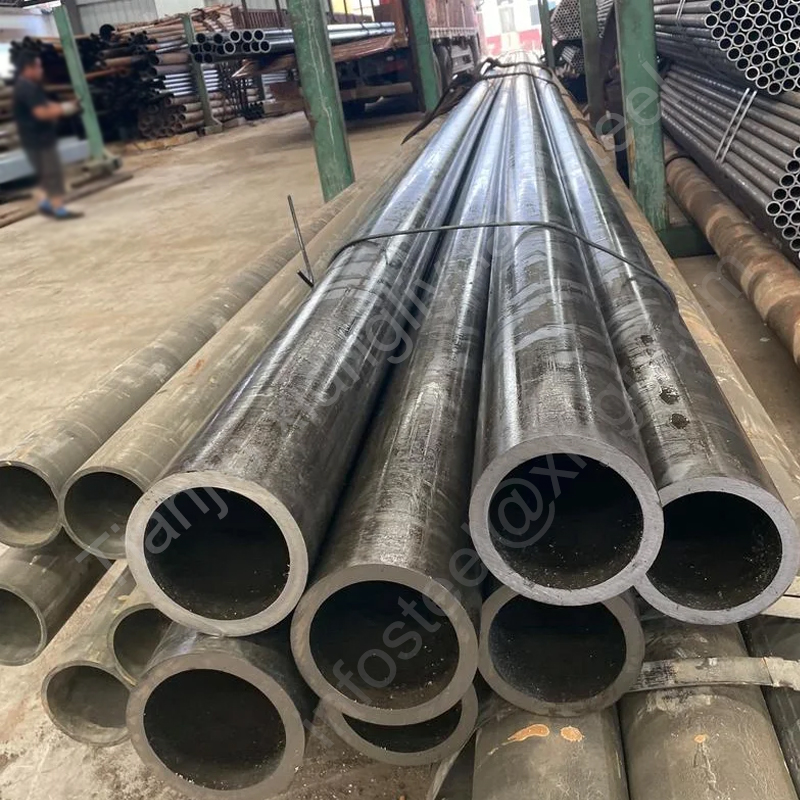
Seamless Carbon Steel Pipes (SMLS): Created by piercing a solid billet of steel to form a hollow shell without any seams or weld joints. This process makes them stronger and more reliable for high-pressure applications.
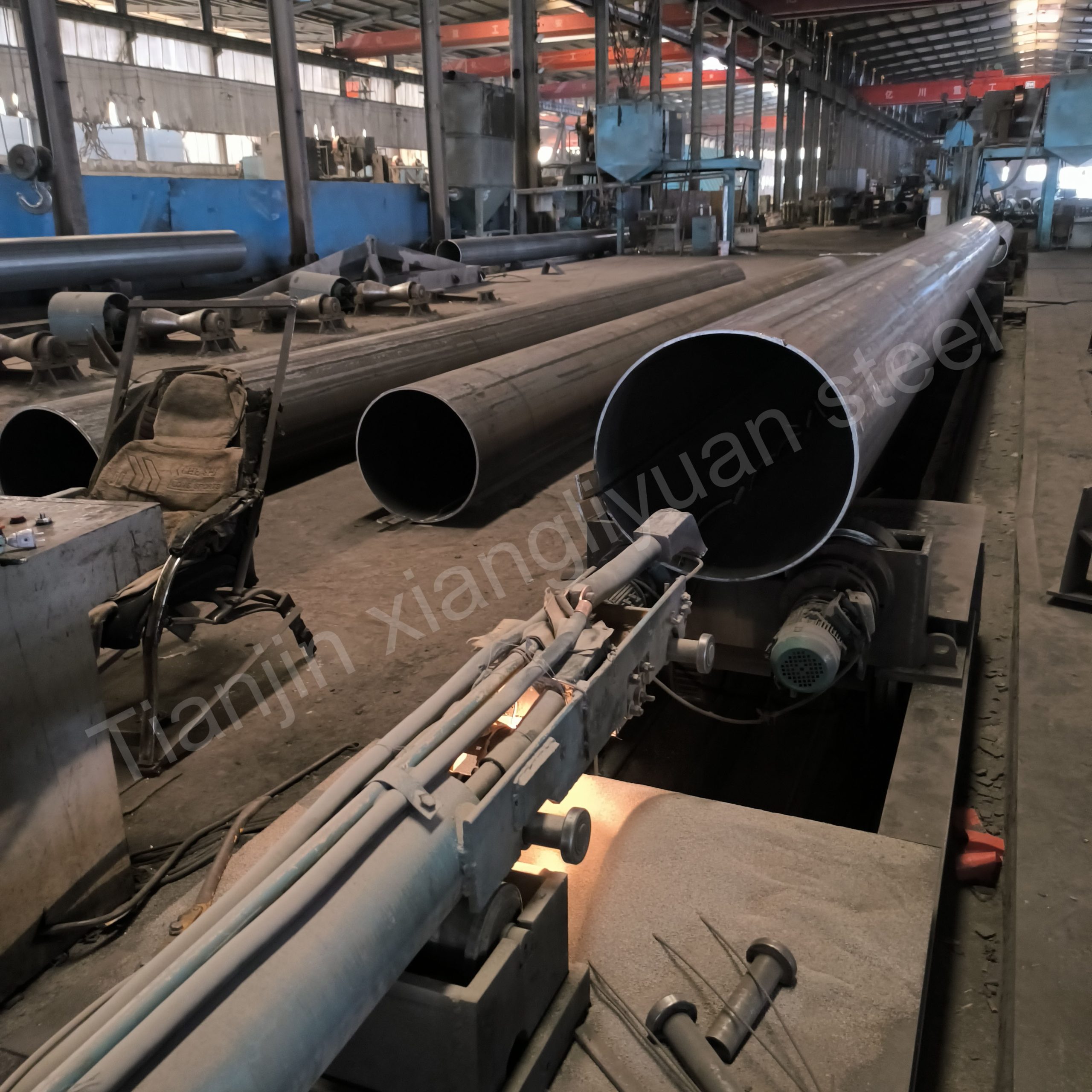
Welded Carbon Steel Pipes: Formed by rolling a steel plate or coil into a cylindrical shape and then welding the seam longitudinally (ERW – Electric Resistance Welding) or spirally (SAW – Submerged Arc Welding). Welded pipes are highly efficient and economical for a wide range of medium-to-low pressure uses.
2. Key Advantages of Carbon Steel Pipes: Why They Dominate Industry
The widespread use of carbon steel pipes is no accident. Their material properties offer a compelling set of benefits:
High Strength and Durability: Carbon steel pipes can withstand immense internal pressure, heavy loads, and harsh physical impacts, ensuring long-term structural integrity.
Excellent Machinability and Weldability: They are relatively easy to cut, bend, and weld, allowing for flexible fabrication and installation on-site, which reduces labor time and costs.
Cost-Effectiveness: Compared to stainless steel or alloy alternatives, carbon steel offers an unparalleled balance of performance and price, providing excellent value for money, especially in large-scale projects.
High-Temperature and Pressure Resistance: Certain grades are specifically designed to perform reliably in high-temperature and high-pressure environments, such as power plants and refineries.
Recyclability: Steel is 100% recyclable, making carbon steel pipes an environmentally conscious choice that supports sustainable development goals.
3. Manufacturing Processes: The Science Behind the Strength
Understanding how carbon steel pipes are made is crucial to appreciating their quality. At Tianjin Xiangliyuan Steel, we employ state-of-the-art technology and stringent quality control at every stage.
The Making of Seamless Pipes: We use two primary methods:
Mandrel Mill Process: A solid billet is heated and pierced by a mandrel to create a hollow shell, which is then elongated and rolled to the desired dimensions.
Plug Mill Process: Similar to the mandrel mill but uses a different type of rolling stand for further elongation and wall thickness control. This results in pipes with superior concentricity and a superior surface finish.
The Making of Welded Pipes:
ERW (Electric Resistance Welding) Pipes: Steel coil is passed through forming rolls and the edges are heated and fused together using an electric current, creating a strong, homogenous bond. Modern ERW processes have eliminated the traditional weld seam weakness, making them suitable for many critical applications.
SAW (Submerged Arc Welding) Pipes: Used for larger diameter pipes. The weld arc is submerged under a layer of flux, which results in a deep penetration weld, excellent uniformity, and a smooth inner and outer surface. This is ideal for pipelines and structural piling.
4. A Deep Dive into Common Specifications and Grades
Navigating international standards is our expertise. We produce carbon steel pipes that conform to the most recognized global specifications, ensuring compatibility and compliance for your projects.
ASTM A53: Covers seamless and welded black and hot-dipped galvanized steel pipe for mechanical and pressure applications. It is a general-purpose standard.
ASTM A106: Specifically for seamless carbon steel pipe for high-temperature service. This is a critical specification for power generation and process plants.
ASTM A500: Governs cold-formed welded and seamless carbon steel structural tubing used in construction for structural, architectural, and mechanical purposes.
ASTM A252: Specifies standard for welded and seamless steel pipe piles used for foundational support in construction.
API 5L: The American Petroleum Institute standard for line pipe used in the transportation of oil, gas, and water in the pipeline industry. It includes grades like B, X42, X52, X60, X65, X70, etc.
Common carbon steel grades we supply include Grade B, Grade C, A500 Grade B/C, and various API 5L PSL1 and PSL2 grades.
5. End-Use Applications: Where Our Pipes Make a Difference
Our carbon steel pipes are the lifeline of numerous industries:
Oil and Gas Industry: For drilling, extraction, and transportation (line pipe), both onshore and offshore.
Construction and Infrastructure: As structural pipes for building frameworks, bridges, and scaffolding, and as pipe piling for deep foundations.
Water and Wastewater Transmission: For municipal water supply, sewage systems, and drainage.
Power Generation: In boilers, superheaters, and heat exchangers in thermal and nuclear power plants (using ASTM A106 pipes).
Automotive and Mechanical Engineering: For hydraulic cylinders, bearing cages, and other mechanical components.
Mining and Industrial Plants: For transporting slurry, ventilation, and structural supports.
6. Why Choose Tianjin Xiangliyuan Steel as Your Carbon Steel Pipe Supplier?
In a crowded global market, we stand out through an unwavering commitment to quality, service, and customer satisfaction.
Uncompromising Quality Control: From raw material sourcing to final inspection, every pipe is subjected to rigorous non-destructive testing (NDT), including Hydrostatic, Ultrasonic (UT), Eddy Current, and X-ray tests. We provide full Mill Test Certificates (MTC) that trace the product’s journey and confirm its compliance.
Extensive Inventory and Customization: We maintain a vast inventory of standard sizes and grades, ensuring quick delivery for urgent requirements. Furthermore, we specialize in customizing pipes to your exact specifications—be it unique sizes, special lengths, or specific end finishes.
Competitive Pricing and Global Logistics: Our efficient manufacturing processes and strategic location in Tianjin, a major port city, allow us to offer highly competitive prices without compromising on quality. We have extensive experience in handling international shipping and logistics, ensuring your order arrives on time, anywhere in the world.
Technical Expertise and Customer Support: Our team of experienced engineers and sales professionals is ready to provide technical support, help you select the right product for your application, and offer solutions to complex challenges.
Forge a Strong Partnership with Us
Choosing the right carbon steel pipe is a technical decision, but choosing the right supplier is a strategic one. It’s about finding a partner who guarantees quality, ensures reliability, and supports your business growth.
We invite you to experience the Tianjin Xiangliyuan Steel difference. Let us be the foundation upon which you build your next successful project.
Ready to get a competitive quote or discuss your specific requirements? Contact us today for a seamless and professional inquiry experience. We are looking forward to becoming your trusted supplier from China.