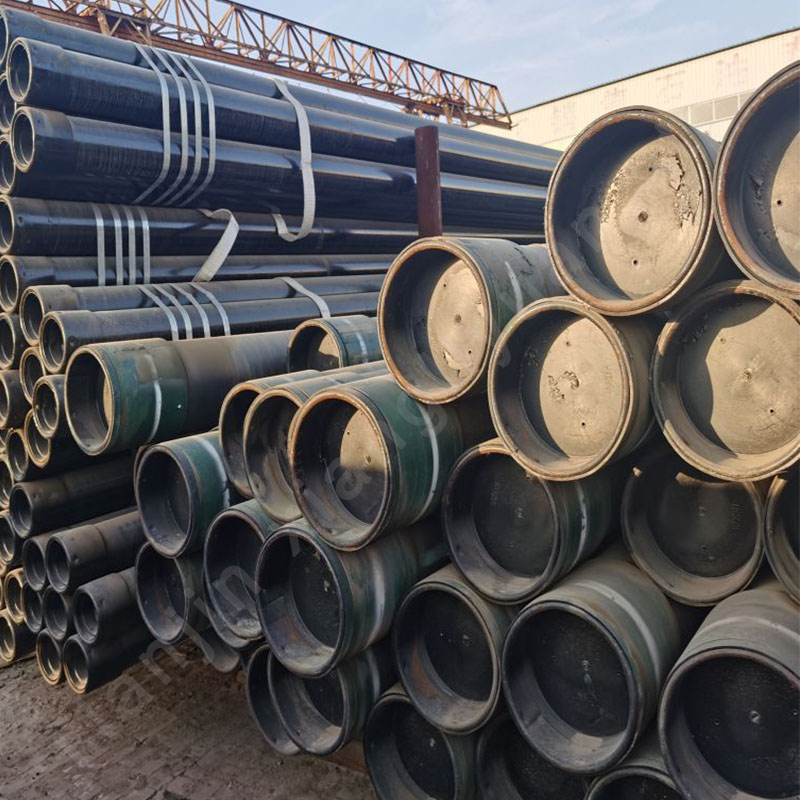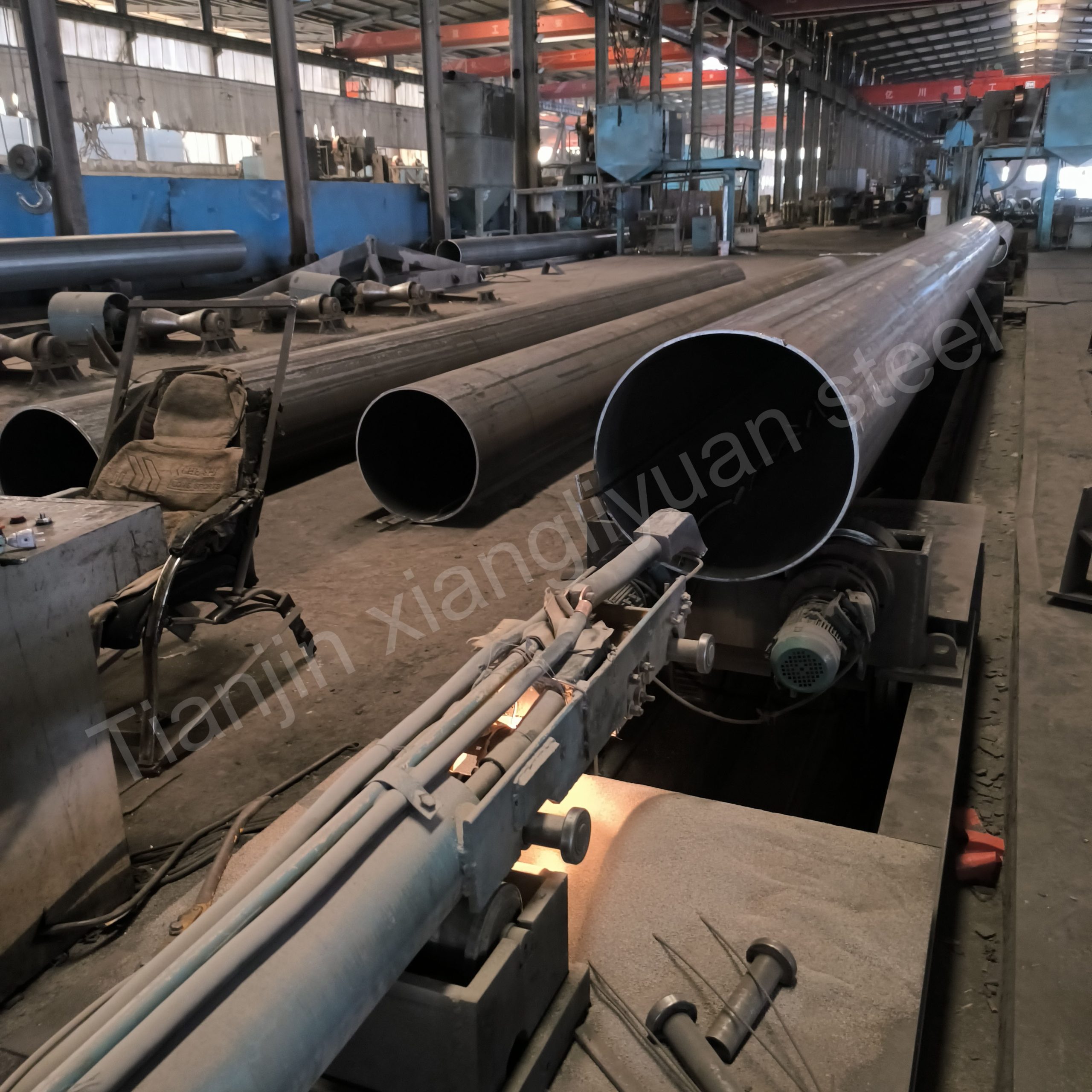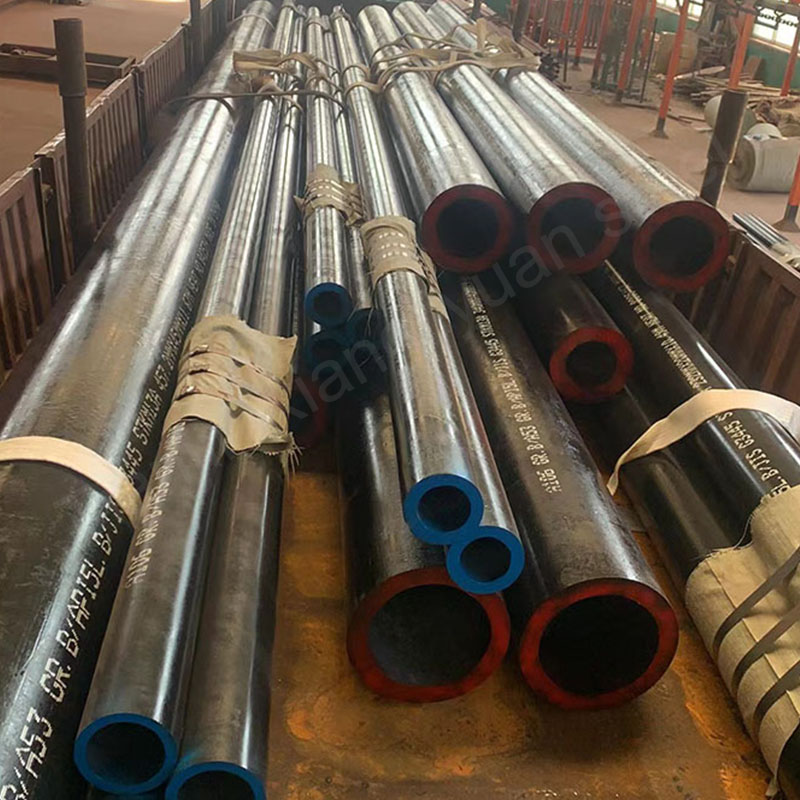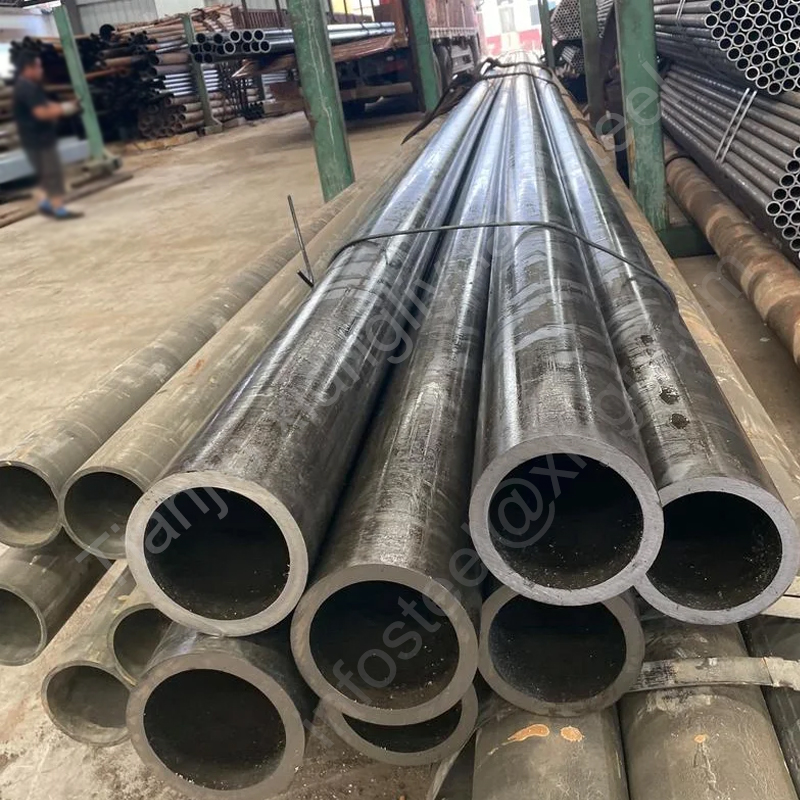
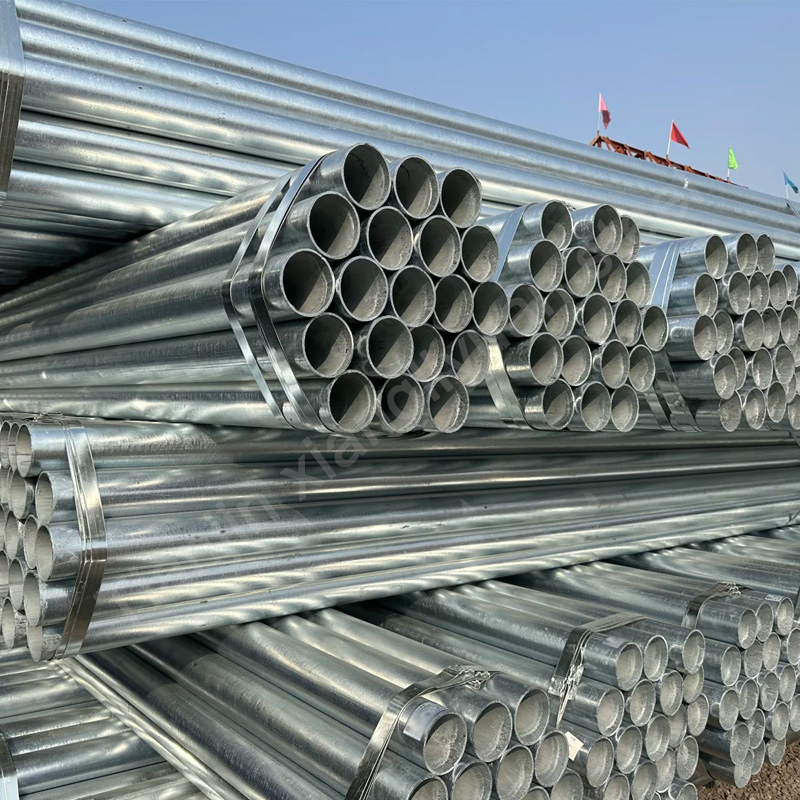
Galvanized steel pipes are a cornerstone of modern construction, infrastructure, and industrial applications worldwide. The process of galvanization, which involves applying a protective zinc coating to steel, is the key to their exceptional durability and corrosion resistance. But did you know that not all galvanized pipes are created equal?
As a leading supplier in the industry, we understand that choosing the right type of galvanized steel pipe is critical for the success and longevity of your project. This comprehensive guide will delve into the primary classifications of galvanized steel pipes, providing you with the professional knowledge needed to make an informed decision. We will explore the different galvanizing processes, manufacturing methods, standards, and applications to give you a complete picture.
Classification by Galvanizing Process (The Core Differentiator)
The method used to apply the zinc coating is the most fundamental way to categorize galvanized pipes. It directly impacts the coating’s thickness, appearance, durability, and suitability for specific environments.
1. Hot-Dip Galvanized (HDG) Steel Pipe
This is the most common and widely used method for corrosion protection.
Process: Steel pipes are thoroughly cleaned to remove any mill scale, rust, or impurities. They are then submerged in a molten zinc bath (typically around 840°F or 449°C). A metallurgical reaction between the steel and the zinc creates a series of zinc-iron alloy layers, topped by a layer of pure zinc.
Key Characteristics:
Thick Coating: Produces a much thicker, more robust coating (typically 45-200 µm) compared to other methods.
Superior Corrosion Resistance: The thick coating provides long-lasting protection, making it ideal for harsh environments like outdoor structures, water transmission, and industrial settings.
Visible Crystallized Pattern: The surface has a characteristic spangled or crystalline pattern, which is often considered a classic industrial finish.
Excellent Adhesion: The metallurgical bond makes the coating difficult to damage during handling, transportation, and installation.
Common Standards: ASTM A53, ASTM A123, ASTM A153, EN ISO 1461.
2. Electro-Galvanized (Electrogalvanizing or EG) Steel Pipe
This process uses an electrical current to apply the zinc coating, resulting in a much different product profile.
Process: The steel pipe acts as a cathode in an electrolytic solution containing zinc salts. The zinc ions are electrically attracted and deposited onto the steel’s surface. This process is also known as electroplating.
Key Characteristics:
Thin, Uniform Coating: Produces a very smooth, thin, and uniform coating (typically 3-15 µm).
Aesthetic Appeal: The surface is smooth and shiny, making it suitable for applications where appearance matters, such as in furniture or visible electrical conduits.
Good Corrosion Resistance (for mild environments): While it provides protection, the thinner coating is not suitable for long-term outdoor exposure or highly corrosive conditions.
No Spangle Pattern: The finish is uniform and without the characteristic spangle of HDG pipes.
Common Standards: ASTM B633.
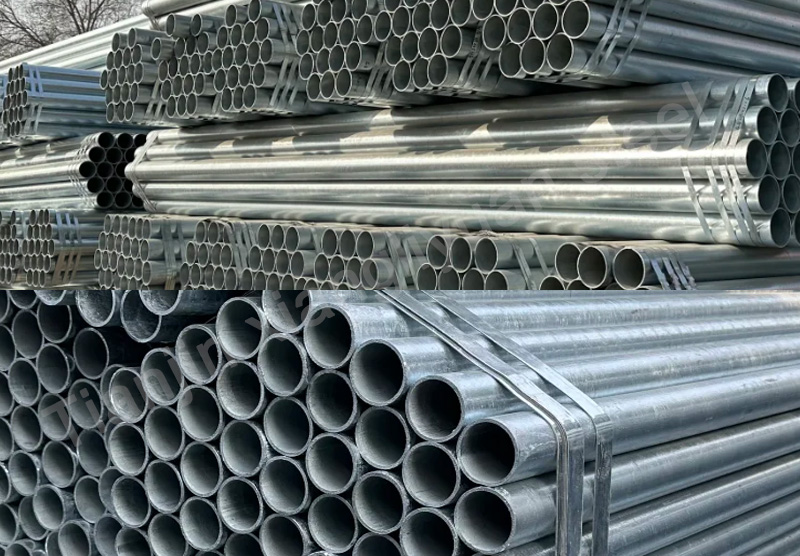
Classification by Manufacturing Method (The Base Pipe)
Before galvanizing, the steel pipe itself is manufactured using different techniques, which define its structural properties and pressure-handling capabilities.
1. ERW (Electric Resistance Welded) Galvanized Steel Pipe
Process: A steel strip (skelp) is cold-formed into a cylindrical shape. The edges are then heated and pressed together using electrical resistance to form a seamless weld.
Key Characteristics:
Cost-Effective: ERW is a highly efficient process, making these pipes more economical.
Uniform Wall Thickness: Excellent for structural applications and low to medium-pressure fluid transport.
High Production Rate: Ideal for large-volume projects. Most standard galvanized pipes for fencing, scaffolding, and water plumbing are ERW.
2. Seamless Galvanized Steel Pipe
Process: A solid billet of steel is pierced and rolled into a hollow tube without any seams or welds.
Key Characteristics:
Superior Strength: The absence of a weld line eliminates a potential point of failure, allowing them to withstand higher internal and external pressures.
Uniform Strength: The structural integrity is consistent around the entire circumference of the pipe.
Ideal for Critical Applications: Used in high-pressure systems, mechanical and automotive parts, and bearing applications. Seamless galvanized pipes are specified where reliability is paramount.
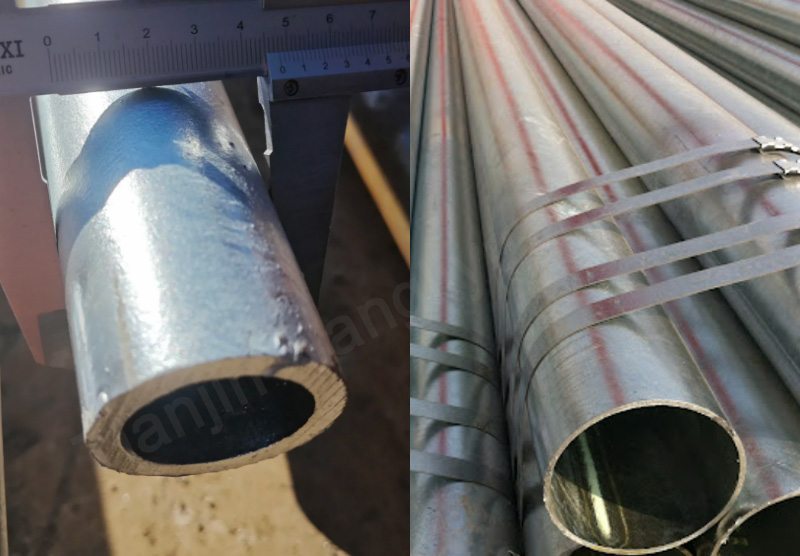
Classification by Post-Galvanizing Treatments & Special Types
To meet specific project requirements, galvanized pipes can undergo further processing.
1. Galvanized and Color Coated Steel Pipes
These pipes combine the corrosion resistance of galvanization with enhanced aesthetic appeal.
Process: After the galvanizing process, a layer of paint or polymer coating is applied to the pipe.
Benefits: Available in various colors (e.g., black, white, green), improved aesthetic for architectural uses, and an extra layer of protection against corrosion and UV rays.
2. Galvanized Steel Conduit (EMT & RMC)
Specifically manufactured for electrical wiring protection.
EMT (Electrical Metallic Tubing): Thin-walled and lightweight, typically joined with set-screw or compression couplings.
RMC (Rigid Metal Conduit): Heavy-walled with threaded ends, offering maximum physical protection. Both are galvanized to prevent rust and ensure a safe grounding path.
Chapter 4: Key Factors to Consider When Choosing a Galvanized Pipe
Selecting the right type is crucial. Here’s a quick guide:
Environment: For outdoor, marine, or corrosive industrial environments, Hot-Dip Galvanized (HDG) is mandatory. For dry, indoor applications, Electro-Galvanized (EG) might suffice.
Application & Pressure Requirements: For structural support (scaffolding, framing), ERW is common. For high-pressure fluid systems, seamless pipes are required.
Aesthetics: If a smooth, shiny finish is needed, choose EG. For industrial look or where appearance is secondary, HDG is perfect. For color matching, choose color-coated.
Budget: ERW pipes are more budget-friendly than seamless. HDG can have a higher initial cost than EG but offers better long-term value due to its longevity.
Standards and Certifications: Always ensure the pipes meet relevant international standards like ASTM, ASME, DIN, or BS, which guarantee quality and performance.
Frequently Asked Questions (FAQ)
Q1: What is the typical lifespan of a hot-dip galvanized steel pipe?
A: The lifespan can vary from 25 to over 50 years, depending on the environment’s corrosivity. In rural environments, it can last over 50 years, while in severe coastal or industrial areas, it may last 20-25 years.
Q2: Can galvanized steel pipes be welded?
A: Yes, but it requires special techniques. The zinc coating can vaporize during welding, releasing harmful fumes and potentially creating a porous weld. Proper ventilation and welding procedures are essential.
Q3: What is the difference between ASTM A53 and ASTM A106?
A: ASTM A53 is a standard for both welded and seamless galvanized steel pipe, typically used for mechanical and pressure applications. ASTM A106 is a standard for seamless carbon steel pipe for high-temperature service (like steam) and is often galvanized after manufacture for specific applications.
Q4: Is a galvanized pipe suitable for potable water?
A: Yes, hot-dip galvanized pipes have been used for decades for potable water supply. However, in some modern plumbing codes, alternatives like copper or PEX are also used due to concerns about potential lead in older zinc anodes and internal mineral buildup over time. Modern HDG processes for potable water are highly controlled.
Q5: How do I identify a hot-dip galvanized pipe from an electro-galvanized one?
A: The most straightforward way is by sight and touch. HDG has a characteristic coarse, crystalline spangle pattern and a slightly rough texture. EG has a very smooth, shiny, and uniform surface, more like a chrome finish.
Understanding the different types of galvanized steel pipes—from the rugged hot-dip galvanized variants to the sleek electro-galvanized options, and from the economical ERW to the high-strength seamless—empowers you to select the perfect material for your project’s specific demands.
As a trusted galvanized steel pipe supplier-Tianjin xiangliyuan steel, we stock a comprehensive range of products that meet international standards. Our technical experts are ready to help you navigate these choices, ensuring you get a product that delivers on performance, durability, and value.
Contact Tianjin xiangliyuan steel today for a quote or to discuss your project requirements!