Why Steel Pipe Piles Dominate Modern Deep Foundation Engineering
In contemporary civil engineering and infrastructure development, steel pipe piles have emerged as the cornerstone of deep foundation solutions. These cylindrical hollow steel structures provide exceptional load-bearing capacity, versatility across soil conditions, and rapid installation capabilities that alternative foundation systems cannot match. From offshore wind turbine monopiles to urban skyscraper foundations, steel pipe piling technology continues to evolve, driven by stringent international standards and innovative installation methodologies.
At Tianjin Xiangliyuan Steel, we specialize in manufacturing and supplying premium-grade steel pipe piles that meet the most demanding global specifications. Located in Tianjin—China’s premier steel production hub with direct port access—we deliver superior logistics efficiency for international construction projects. Our technical expertise spans the full spectrum of piling pipe solutions, from standard API-certified products to custom-engineered specifications for specialized geotechnical challenges. Contact our engineering team at infosteel@xlygt.com or visit https://www.xlysteel.com/ for comprehensive project consultation.
Understanding Steel Pipe Pile Fundamentals
Structural Advantages in Foundation Applications
Steel pipe piles function as deep foundation elements that transfer structural loads through weak surface soils to competent bearing strata or bedrock. Their hollow configuration offers distinct engineering advantages: the open cross-section allows for soil intrusion during driving (creating a soil plug that enhances end-bearing capacity), while the robust steel shell provides exceptional resistance to bending moments and lateral forces. When filled with concrete, these composite piles achieve remarkable stiffness-to-weight ratios, making them ideal for high-rise buildings, bridge piers, marine structures, and heavy industrial facilities.
The material efficiency of steel pipe piles is particularly noteworthy. Unlike solid section piles, the annular geometry concentrates material at the perimeter where bending stresses are maximum, optimizing structural performance while minimizing steel consumption. This efficiency translates directly to cost savings and reduced environmental impact for large-scale foundation projects.
Key Material Specifications and Grades
Modern steel pipe piles are manufactured to rigorous international standards that ensure mechanical properties, chemical composition, and dimensional tolerances meet specific engineering requirements. The most widely specified grades include:
API 5L Grades: X42, X46, X52, X56, X60, X65, X70, X80 for welded line pipe applications
ASTM A252: Standard specification for welded and seamless steel pipe piles, covering Grades 1, 2, and 3 with minimum yield strengths of 30,000 psi, 35,000 psi, and 45,000 psi respectively
EN 10219/10210: European structural hollow sections standards for cold-formed and hot-finished welded tubes
JIS A5525: Japanese industrial standards for steel pipe piles
GB/T standards: Chinese national standards for spiral welded and longitudinally welded steel pipes
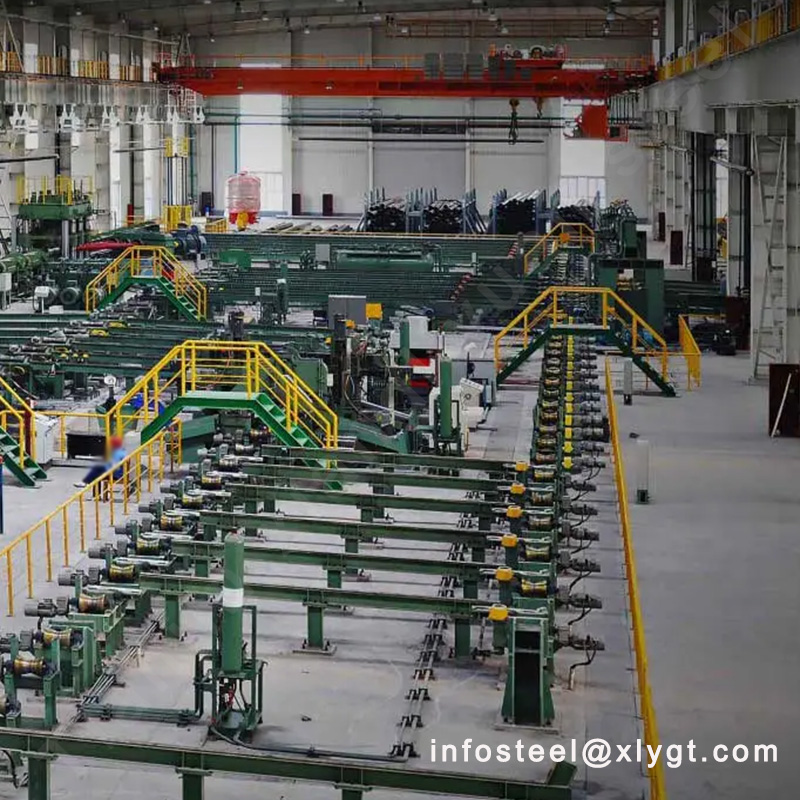
At Tianjin Xiangliyuan Steel, our quality management system ensures full traceability from raw material certification through final inspection. Every pipe pile shipment includes mill test certificates (MTC) documenting chemical analysis, mechanical testing, and dimensional verification. Our proximity to Tianjin Port—one of the world’s busiest container terminals—enables us to deliver certified materials to global construction sites with minimal lead time and competitive freight costs.
Comprehensive Classification of Steel Pipe Piles
Manufacturing Process Categories
The selection of appropriate steel pipe pile type depends on project-specific requirements including diameter, wall thickness, load capacity, and installation environment. Three primary manufacturing methodologies dominate the industry:
1. Longitudinal Submerged Arc Welding (LSAW) Piles
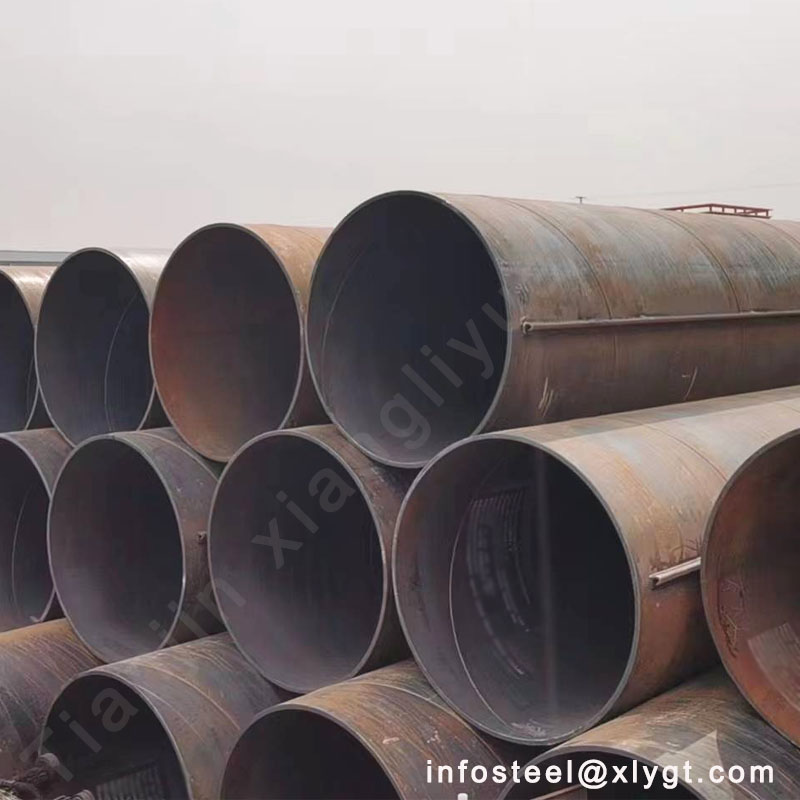
LSAW pipe piles represent the premium tier for high-load foundation applications. Manufactured from heavy steel plates using UOE (U-ing, O-ing, Expanding) or JCOE (J-ing, C-ing, O-ing, Expanding) forming processes, these pipes feature straight longitudinal welds created through double-sided submerged arc welding. The mechanical expansion process eliminates residual stresses, producing exceptional dimensional accuracy and roundness.
Technical Specifications:
Diameter range: 16″ to 56″ (406mm – 1,422mm)
Wall thickness: 6mm to 40mm+
Maximum API grade: X80
Weld integrity: 100% ultrasonic testing (UT) plus radiographic inspection
Residual stress: Near-zero through expansion process
LSAW piles are the preferred specification for critical infrastructure including high-rise building foundations, major bridge piers, offshore platforms, and seismic-resistant structures. The straight seam configuration facilitates comprehensive non-destructive examination (NDE) and ensures consistent fatigue performance under cyclic loading conditions.
2. Spiral Submerged Arc Welding (SSAW) Piles
SSAW pipe piles offer an economical solution for large-diameter applications where moderate pressure ratings are acceptable. Manufactured from hot-rolled steel coils formed at a controlled helix angle, these pipes feature continuous spiral welds that distribute manufacturing stresses differently than longitudinal seams.
Technical Specifications:
Diameter range: 16″ to 100″+ (406mm – 2,540mm+)
Wall thickness: 6mm to 25mm
Maximum API grade: X70
Cost advantage: 15-25% lower than equivalent LSAW pipes for large diameters
The spiral manufacturing process enables efficient production of very large diameters using narrower steel strips, making SSAW piles particularly competitive for marine piling, dredging applications, and long-span bridge foundations where extreme diameters are required. However, the helical seam geometry creates complex stress distributions that may limit suitability for high-cycle fatigue applications or certain high-pressure specifications.
3. Electric Resistance Welding (ERW) Piles
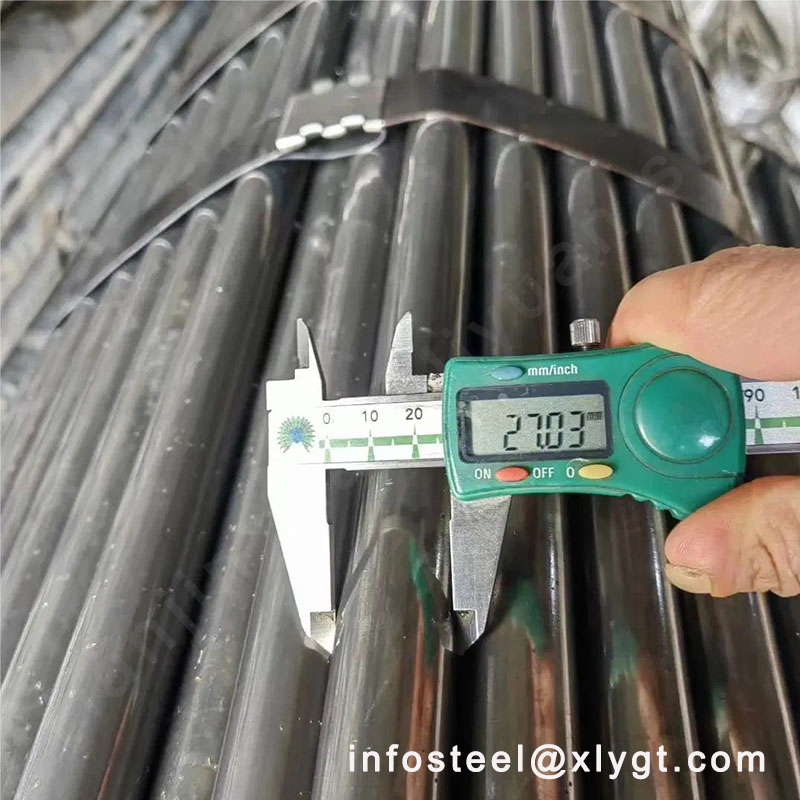
ERW pipe piles provide cost-effective solutions for small to medium-diameter foundation applications. Manufactured by cold-forming steel coils and welding edges using high-frequency electrical resistance heating, these pipes offer excellent dimensional precision and surface finish.
Technical Specifications:
Diameter range: ½” to 24″ (12.7mm – 610mm)
Wall thickness: Up to 16mm
Production efficiency: Continuous manufacturing enables rapid delivery
Surface quality: Superior finish reduces friction during driving
ERW piles are ideal for light commercial buildings, residential foundations, sound barrier installations, and temporary works where moderate load capacities suffice. The manufacturing process ensures tight dimensional tolerances that facilitate consistent driving performance and splice alignment.
End Configuration Classifications
Steel pipe piles are further categorized by their toe configuration, which significantly influences installation behavior and load transfer mechanisms:
Open-Ended Pipe Piles: The standard configuration allows soil to enter the pipe interior during driving. In dense granular soils, the soil plug develops internal friction that contributes to end-bearing capacity. Open-ended piles are preferred when drivability is critical and soil conditions permit reliable plug formation.
Closed-Ended Pipe Piles: Fitted with welded toe plates or cast steel shoes, these piles prevent soil intrusion and provide predictable end-bearing on rock or hard strata. The closed configuration enables concrete filling for enhanced composite action and corrosion protection in aggressive environments.
International Standards and Quality Assurance Protocols
API 5L Specification for Line Pipe
The American Petroleum Institute’s API 5L specification represents the most widely adopted standard for welded steel pipe piles in international projects. This standard defines two product specification levels (PSL1 and PSL2) with escalating quality requirements:
PSL1: Standard quality level with mandatory chemical composition limits and mechanical property requirements
PSL2: Enhanced quality level requiring comprehensive NDE, fracture toughness testing, and maximum carbon equivalent (CE) limits for improved weldability
API 5L covers both seamless and welded pipes, with welded categories including Electric Welded (EW), Longitudinal Submerged Arc Welded (SAWL), and Helical/Spiral Submerged Arc Welded (SAWH) processes. For foundation applications, PSL2 SAWL and SAWH pipes are typically specified to ensure adequate toughness and defect detection capabilities.
ASTM A252 Standard Specification
ASTM A252 specifically addresses welded and seamless steel pipe piles, establishing three grades based on minimum yield strength requirements. This standard permits both seamless and welded construction, with welded pipes produced through electric-resistance welding, flash welding, or submerged arc welding processes.
Key requirements include:
Minimum yield strength: 30,000 psi (Grade 1), 35,000 psi (Grade 2), 45,000 psi (Grade 3)
Elongation requirements varying by grade and wall thickness
Permissible variations in diameter, wall thickness, and weight
Hydrostatic testing or NDE alternatives for weld integrity verification
European Standards (EN Series)
EN 10219 covers cold-formed welded structural hollow sections of non-alloy and fine grain steels, specifying dimensional tolerances, sectional properties, and technical delivery conditions. EN 10210 addresses hot-finished structural hollow sections with enhanced dimensional precision and mechanical properties.
These standards are increasingly specified for European infrastructure projects and international developments requiring CE marking compliance. The grade designations (S235JRH, S275J0H, S355J2H, etc.) indicate minimum yield strengths and toughness characteristics at specified temperatures.
Quality Control and Certification
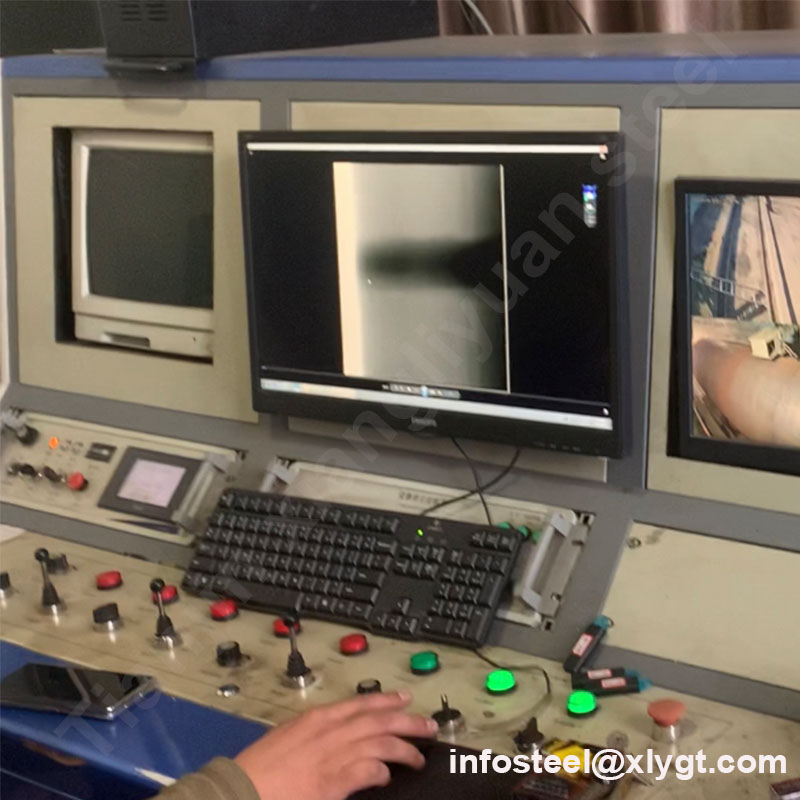
Tianjin Xiangliyuan Steel maintains comprehensive quality assurance protocols aligned with ISO 9001 and API Q1 quality management systems. Our manufacturing partners utilize automated ultrasonic testing (AUT), radiographic testing (RT), magnetic particle inspection (MPI), and hydrostatic testing to verify weld integrity and material soundness.
Every steel pipe pile shipment includes:
Mill Test Certificates (EN 10204 3.1 or 3.2)
Chemical composition analysis
Mechanical test results (tensile, Charpy impact when specified)
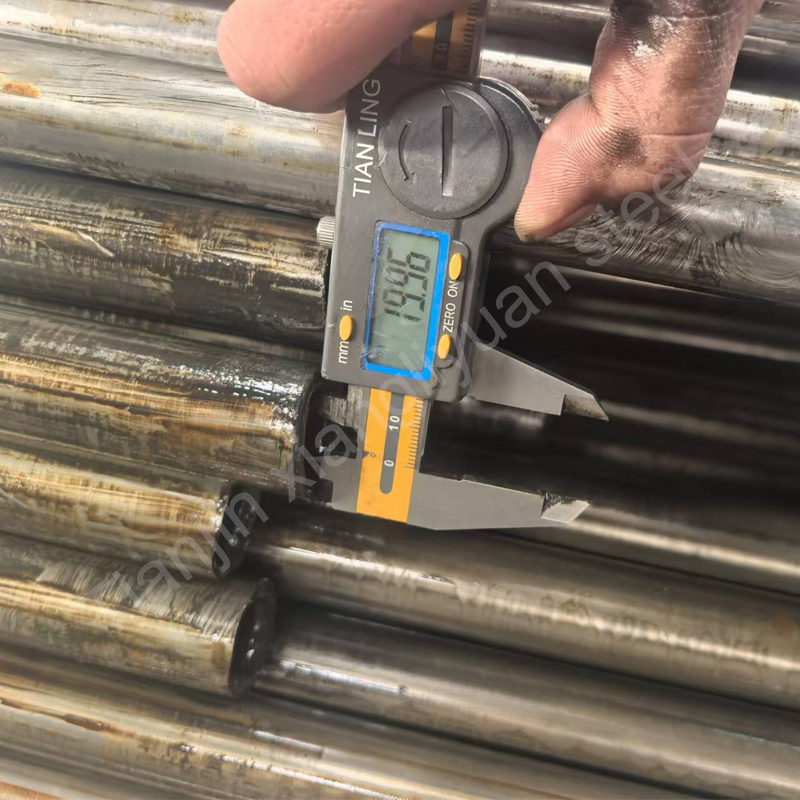
Dimensional inspection reports
Coating and surface preparation documentation
Full traceability to heat numbers and raw material certificates
Our technical team provides pre-shipment inspection coordination and third-party verification services upon request, ensuring complete documentation packages meet project-specific requirements. For detailed quality protocols and certification options, contact infosteel@xlygt.com.
Installation Methodologies: Techniques and Selection Criteria
The successful performance of steel pipe pile foundations depends critically on appropriate installation methodology selection. Four primary techniques dominate contemporary practice, each suited to specific geotechnical conditions and project constraints.
Impact Driving: The Conventional Approach
Impact driving remains the most widely utilized installation method globally, employing diesel, hydraulic, or air/steam hammers to deliver concentrated energy pulses that advance piles through soil strata. The technique creates soil displacement that densifies surrounding materials, potentially increasing shaft friction capacity.
Equipment Configurations:
Single-acting diesel hammers: Economical for remote sites without power infrastructure
Double-acting diesel hammers: Higher blow rates for improved production in suitable soils
Hydraulic impact hammers: Precise energy control, reduced emissions, and lower noise levels
Hydraulic drop hammers: Controlled drop heights for sensitive installations
Advantages:
Rapid installation rates in favorable soils
Immediate capacity verification through driving resistance (blow count) monitoring
Cost-effectiveness for large pile quantities
Established procedures and widely available equipment
Limitations:
Significant noise and ground vibration generation
Potential for pile head damage requiring reinforcement
Limited effectiveness in very dense or obstructions-rich soils
Environmental restrictions in urban or sensitive areas
Best Applications: Marine construction, rural infrastructure, coarse-grained soils, projects without strict vibration constraints.
Vibratory Driving: Efficient Penetration in Granular Soils
Vibratory drivers employ eccentric rotating masses to generate high-frequency vertical oscillations (typically 1,000–2,500 vibrations per minute) that liquefy granular soils around the pile perimeter, dramatically reducing skin friction and enabling rapid penetration.
Technical Considerations:
Clamp force must exceed dynamic weight of pile plus vibratory acceleration forces
Variable moment technology reduces startup/resonance vibrations
Combination vibratory/impact systems for difficult penetration
Advantages:
Exceptional production rates in sands and gravels
Minimal ground-borne vibrations compared to impact driving
Extractability for temporary works
Suitability for sheet pile and pipe pile combinations
Limitations:
Ineffective in cohesive soils without pre-augering
Reduced capacity in some soils due to soil loosening
Equipment complexity and maintenance requirements
Best Applications: Harbor construction, bridge foundations in riverbeds, temporary cofferdams, granular soil profiles.
Drilled and Grouted Installation: Precision in Difficult Ground
When obstructions, rock layers, or environmental restrictions preclude driven installation, drilled and grouted techniques provide controlled pile placement. Rotary drilling equipment creates boreholes slightly larger than the pile diameter, with the annulus subsequently grouted to ensure load transfer.
Methodology Variants:
Temporary casing with rotary drilling through unstable strata
Down-the-hole hammer drilling for rock socket formation
Continuous flight auger with simultaneous grout injection (CFA)
Drilled displacement piles minimizing spoil generation
Advantages:
Minimal vibration and noise—ideal for urban environments
Installation through any ground condition including bedrock
Precise depth and alignment control
Enhanced corrosion protection through grout encapsulation
Limitations:
Higher cost and longer installation cycles than driven piles
Spoil handling and disposal requirements
Grout quality control critical to performance
Reduced skin friction in some grout-soil interfaces
Best Applications: City center high-rises, sensitive adjacent structures, karstic or boulder-prone geology, contaminated sites requiring spoil containment.
Pressed-In Piling: Silent and Vibration-Free Technology
The press-in method (exemplified by the Giken Silent Piler system) utilizes hydraulic rams to jack piles into the ground using reaction force from previously installed piles or weighted base machines. This technique eliminates both noise and vibration, enabling foundation work in the most sensitive environments.
Technical Features:
Zero noise and zero vibration installation
Real-time penetration resistance monitoring
Immediate adjacent pile reaction without temporary works
Suitable for sheet piles, pipe piles, and combined wall systems
Advantages:
Unrestricted working hours in noise-controlled areas
No ground vibration damage to adjacent structures
High installation accuracy
Reduced ground disturbance and soil loosening
Limitations:
Limited to specific pile sections and lengths
Requires stable reaction from installed piles or ballast
Slower production rates than impact methods
Equipment availability primarily in Asian and European markets
Best Applications: Urban renewal projects, hospital and laboratory foundations, historic preservation areas, sensitive electronic manufacturing facilities.
Specialized Applications and Advanced Considerations
Offshore Wind Energy Foundations
The exponential growth of offshore wind capacity has driven innovation in large-diameter monopile foundations. These steel pipe piles, typically 4–8 meters in diameter and 30–60 meters in length, are installed using hydraulic hammers or vibratory drivers to support turbine towers in marine environments.
Critical considerations include:
Fatigue performance: Cyclic loading from wind and waves demands high-quality welds and material toughness
Corrosion protection: Splash zone coatings and cathodic protection systems for 25-year design lives
Installation accuracy: Tight tolerances for turbine flange connections
Scour protection: Seabed stabilization around pile base
Tianjin Xiangliyuan Steel supplies monopile-quality LSAW and SSAW pipes with enhanced through-thickness properties and comprehensive NDE documentation for offshore renewable energy projects. Our port-adjacent location facilitates direct vessel loading for international wind farm developments.
Seismic-Resistant Pile Design
In seismically active regions, steel pipe piles offer superior ductility and energy dissipation capacity compared to precast concrete alternatives. Design considerations include:
Ductile detailing: Controlled yielding in designated zones
Composite action: Concrete filling to prevent local buckling under compression
Connection design: Robust pile-cap connections accommodating moment and shear
Liquefaction mitigation: Densification effects of driven installation or post-installation ground improvement
Corrosion Protection Strategies
Steel pipe piles in aggressive environments require comprehensive corrosion management:
Coating systems: Fusion-bonded epoxy (FWE), three-layer polyethylene (3LPE), or specialized marine coatings
Cathodic protection: Sacrificial anode or impressed current systems for submerged zones
Concrete encasement: Permanent corrosion protection for splash and atmospheric zones
Material upgrades: Corrosion-resistant alloys or increased wall thickness for sacrificial allowance
Procurement Best Practices and Supply Chain Optimization
Successful steel pipe pile projects require early engagement with experienced suppliers capable of navigating complex technical specifications and logistics challenges. Key procurement considerations include:
Technical Specification Development:
Clear definition of diameter, wall thickness, length, and grade requirements
Material test certificate requirements (3.1 vs. 3.2 certification)
NDE scope and acceptance criteria
Coating specifications and field repair procedures
Dimensional tolerance requirements for splicing and driving fit-up
Supply Chain Coordination:
Production scheduling aligned with construction sequences
Shipment phasing to match site storage and handling capabilities
Marking and bundling protocols for efficient field identification
Documentation packages for customs clearance and quality verification
Tianjin Xiangliyuan Steel offers comprehensive project support from specification review through final delivery. Our technical team assists with:
Value engineering alternatives for cost optimization
Weld procedure specification (WPS) development for field splicing
Logistics planning for port handling and vessel chartering
Quality surveillance and third-party inspection coordination
After-sales technical support and installation consultation
Located in Tianjin’s Binhai New Area, our facilities benefit from immediate access to Tianjin Port’s container and bulk cargo terminals. This geographic advantage translates to reduced inland transportation costs, flexible shipping schedules, and competitive delivered pricing for Asian, Middle Eastern, African, and global markets.
Partnering for Foundation Excellence
Steel pipe piles remain the foundation solution of choice for demanding infrastructure projects worldwide, offering unmatched combination of load capacity, installation versatility, and economic efficiency. The selection of appropriate pipe type, specification grade, and installation methodology requires deep technical expertise and practical experience across diverse geotechnical conditions.
At Tianjin Xiangliyuan Steel, we combine manufacturing excellence with comprehensive technical support to deliver steel pipe pile solutions that meet the most stringent international standards. Our strategic location in Tianjin—proximate to major steel mills and port facilities—ensures reliable supply chains and competitive logistics for global construction projects.
Whether your project requires standard API 5L piling pipes or specialized high-strength configurations for offshore environments, our engineering team stands ready to support your specification development and procurement execution. Contact us today at infosteel@xlygt.com or explore our capabilities at https://www.xlysteel.com/ to discuss how we can contribute to your next foundation project’s success.
About Tianjin Xiangliyuan Steel
Tianjin Xiangliyuan Steel is a leading supplier of welded steel pipes specializing in foundation piling applications. With strategic operations in Tianjin, China, we serve international construction markets with API-certified LSAW, SSAW, and ERW pipe piles. Our commitment to quality, technical expertise, and logistical efficiency has established us as a preferred partner for major infrastructure developments across six continents.
Contact Information:
Email: infosteel@xlygt.com
Website: https://www.xlysteel.com/
Location: Tianjin, China (Strategic Port Access)
Social Media
contact us today
our location
Company Address
2-1-601, Qingdayuan, southwest of the intersection of Shuangjiang Road and Longxing Road, Shuangjie Town, Beichen District, Tianjin
©COPYRIGHT 2012 - 2026 | seamless pipe | Galvanized Steel Pipe | Pipe fitting | Other steel pipes | Carbon steel coil/strip | Galvanized steel coil/strip | PPGI | Carbon steel sheet/plate | Galvanized steel sheet/plate | per-painted steel sheet/plate | steel bar/rod | Carbon steel wire | Galvanized steel wire | steel rail | Channel | Angle | H/I beam | Flat steel | Other profile steel | Advanced Small Grouting Catheter For Tunnel | Hollow Grouting Anchors | Rebar