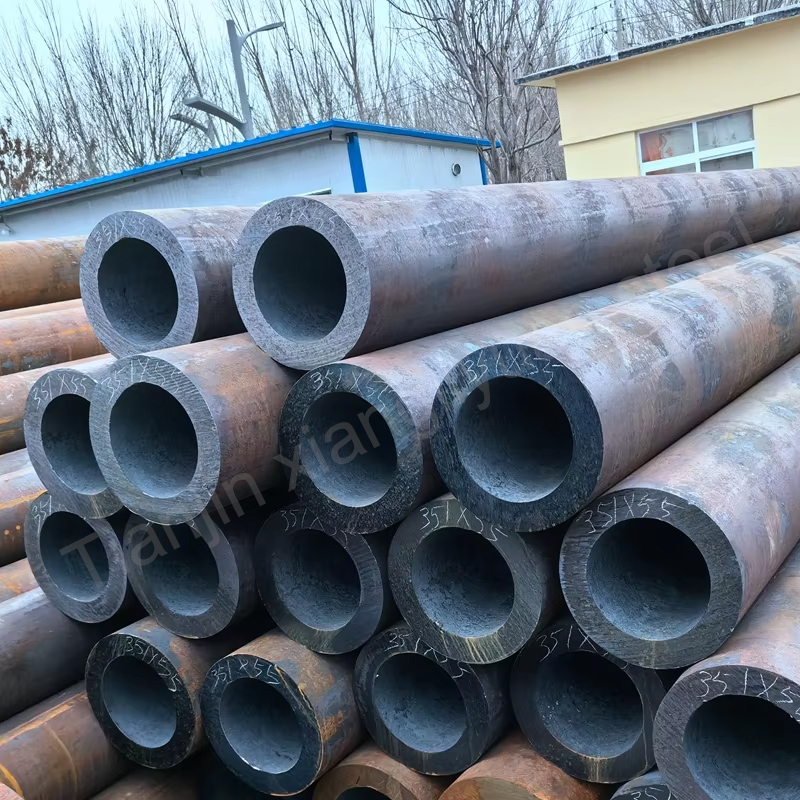
The world is building faster, taller, deeper, and more efficiently than ever before. From soaring skyscrapers that pierce the clouds to tunnels that burrow beneath bustling cities, from bridges that span vast waterways to energy pipelines that cross continents—modern infrastructure projects push the boundaries of engineering possibility. At the heart of these ambitious endeavors lies a material that has evolved dramatically to meet the demands of the 21st century: high-strength steel pipes.
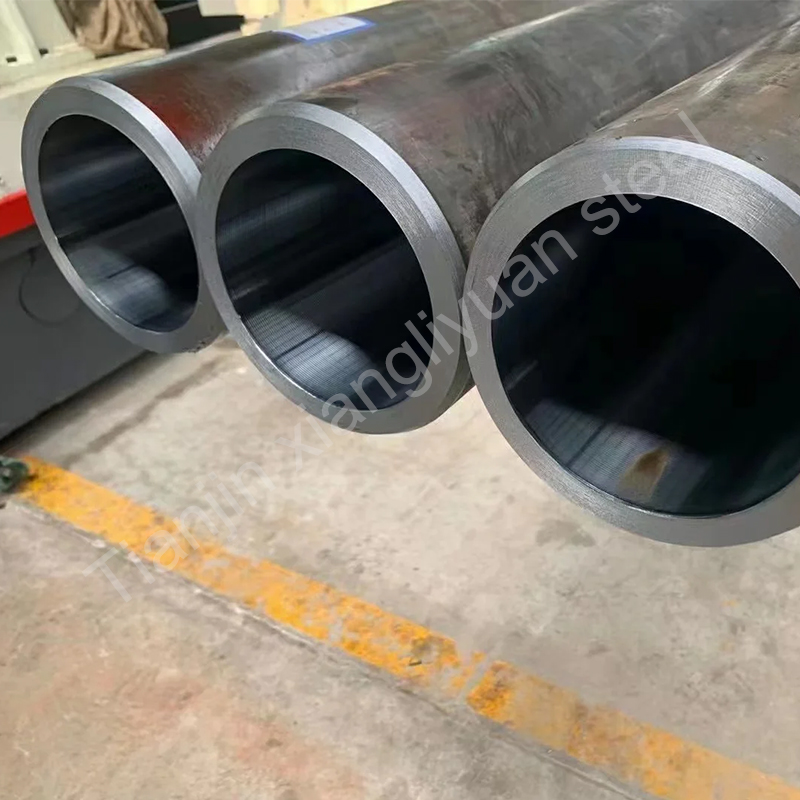
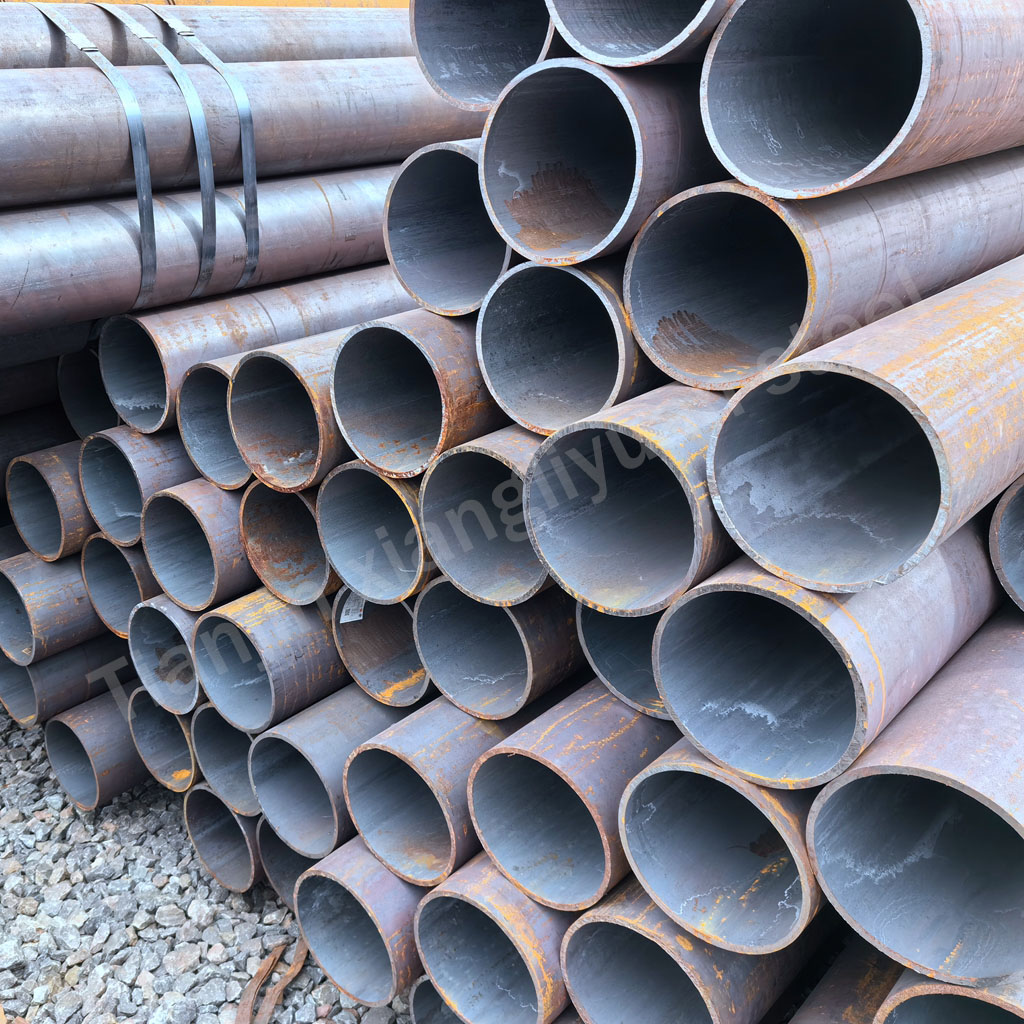
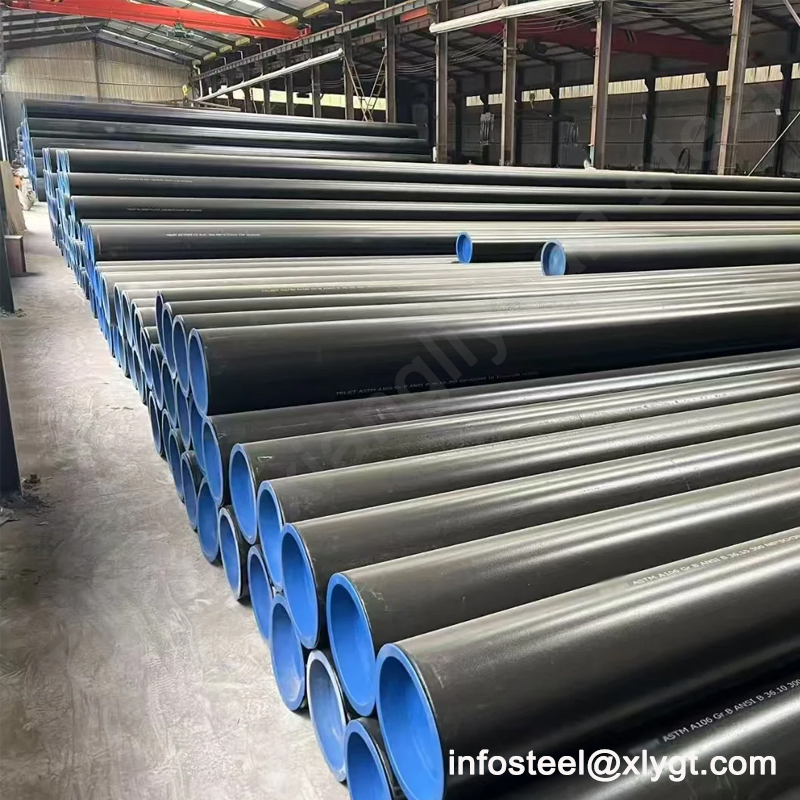
At Tianjin Xiangliyuan Steel, we have dedicated decades to manufacturing high-strength steel pipes that enable the world’s most impressive infrastructure projects. Our portfolio includes seamless steel pipes, ERW steel pipes, and LSAW steel pipes in grades ranging from standard carbon steel to advanced high-strength low-alloy (HSLA) compositions. Through this experience, we have witnessed firsthand how the evolution of steel pipe technology has transformed what engineers can achieve.
This comprehensive exploration examines the critical role of high-strength steel pipes in modern infrastructure, the technical advantages they offer, and why they have become indispensable for projects that demand the very best in material performance.
For more information about our high-strength product capabilities, visit our website at https://www.xlysteel.com/ or contact our engineering team at infosteel@xlygt.com.
Defining High-Strength Steel Pipes
Before examining their applications, it is essential to understand what distinguishes high-strength steel pipes from conventional alternatives.
What Makes Steel “High-Strength”?
In the context of steel pipes, “high-strength” typically refers to materials with yield strengths significantly above standard grades. While common carbon steel pipes (such as ASTM A53 Gr. B or API 5L Gr. B) offer yield strengths around 35,000-42,000 psi (240-290 MPa), high-strength steel pipes encompass a range of grades:
API 5L X52: 52,000 psi (360 MPa) minimum yield strength
API 5L X60: 60,000 psi (415 MPa) minimum yield strength
API 5L X65: 65,000 psi (450 MPa) minimum yield strength
API 5L X70: 70,000 psi (485 MPa) minimum yield strength
API 5L X80: 80,000 psi (550 MPa) minimum yield strength
API 5L X100: 100,000 psi (690 MPa) minimum yield strength
API 5L X120: 120,000 psi (830 MPa) minimum yield strength
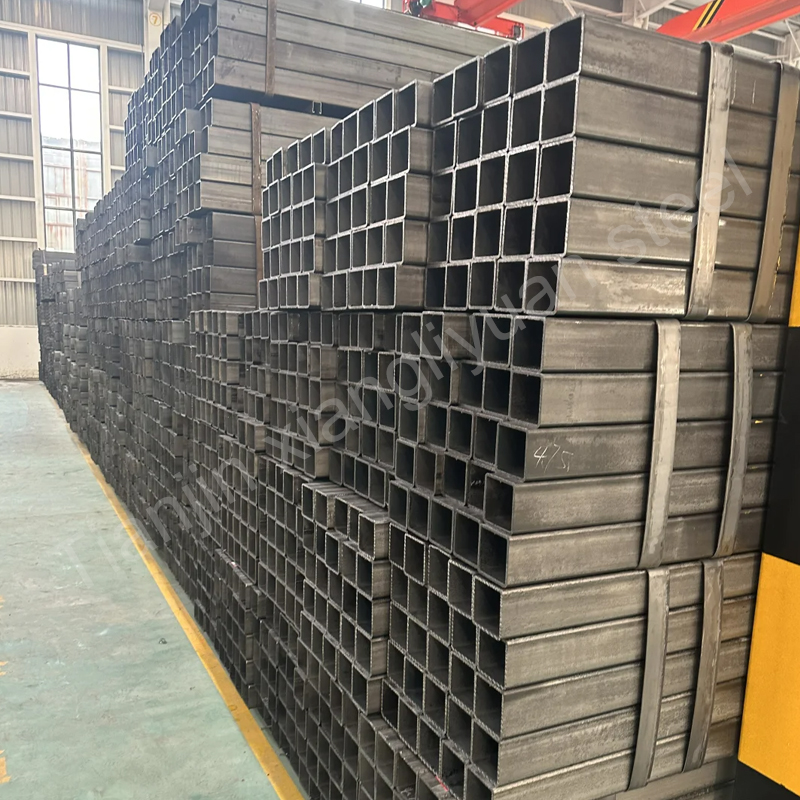
For structural applications, ASTM A500 Grade C (50,000 psi yield) and ASTM A618 (50,000-70,000 psi yield) provide enhanced strength for hollow structural sections (HSS).
How Is High Strength Achieved?
High strength in steel pipes results from a combination of:
Microalloying: Addition of small amounts of elements like niobium (columbium), vanadium, titanium, and molybdenum that refine grain structure and promote strength through precipitation hardening.
Controlled Rolling: Thermomechanical controlled processing (TMCP) during plate or coil production optimizes grain structure.
Heat Treatment: Quenching and tempering (Q&T) or normalizing processes enhance mechanical properties.
Precise Chemistry Control: Tight control of carbon, manganese, and other elements ensures consistent properties.
At Tianjin Xiangliyuan Steel, our metallurgists work closely with steel mills to ensure that the raw materials for our high-strength pipes meet the precise chemical and mechanical requirements for each grade.
The Weight-Saving Advantage
Perhaps the most significant benefit of high-strength steel pipes is their ability to reduce weight while maintaining or increasing load-bearing capacity.
The Engineering Equation
For any structural or pressure-containing application, the required wall thickness is directly related to the material’s strength. Higher strength allows thinner walls for the same pressure or load, resulting in:
Reduced Material Weight: A high-strength pipe can be 30-50% lighter than a conventional pipe for the same application.
Lower Transportation Costs: Lighter pipes mean more length per truck, lower fuel consumption, and reduced shipping expenses.
Easier Handling and Installation: Field crews can maneuver lighter pipes more easily, reducing equipment requirements and installation time.
Reduced Structural Demands: For overhead pipelines or elevated structures, lighter pipes reduce the load on supports and foundations.
Case Study: Long-Distance Pipeline
Consider a 1,000-kilometer natural gas pipeline designed to operate at 100 bar pressure:
Using API 5L Gr. B (standard strength): Required wall thickness might be 12.7 mm, with total steel weight approximately 500,000 tons.
Using API 5L X70 (high-strength): Required wall thickness might be 8.4 mm, with total steel weight approximately 330,000 tons.
The weight savings of 170,000 tons translates to:
Fewer truckloads for delivery
Less welding time (thinner walls weld faster)
Lower material procurement costs
Reduced environmental footprint from steel production
These advantages make high-strength line pipes the default choice for major oil and gas transmission projects worldwide.
Enabling Longer Spans and Taller Structures
In structural applications, strength-to-weight ratio is paramount. High-strength steel pipes allow engineers to design structures that would be impossible with conventional materials.
Bridge Construction
Modern bridges increasingly utilize high-strength steel pipes for:
Arch Ribs: The arched supports of signature bridges require materials that can withstand immense compressive forces while maintaining elegant, slender profiles.
Truss Members: Bridge trusses fabricated from high-strength hollow structural sections achieve longer spans with fewer supports.
Pile Foundations: High-strength steel pipe piles can be driven deeper and support greater loads, enabling bridges in challenging soil conditions.
The iconic new crossings being built around the world—from Asia to the Middle East to the Americas—rely on high-strength steel pipes to achieve their dramatic spans.
High-Rise Construction
As cities grow upward rather than outward, the demands on structural materials intensify:
Composite Columns: Concrete-filled high-strength steel tubes combine the strength of steel with the mass of concrete, creating columns that support enormous loads while occupying minimal floor space.
Bracing Systems: Diagonal bracing in tall buildings resists wind and seismic forces. High-strength steel pipes provide maximum strength with minimum visual impact.
Transfer Structures: Where skyscrapers change shape or column grids shift, high-strength pipes transfer loads across these transitions.
At Tianjin Xiangliyuan Steel, we supply high-strength structural steel pipes to construction projects around the world, with grades and sizes tailored to each application.
Withstanding Extreme Pressures and Temperatures
Many infrastructure projects involve transporting fluids under extreme conditions. High-strength steel pipes excel in these demanding services.
Deepwater Pipelines
Offshore oil and gas production increasingly moves into deeper waters, where pipelines face:
External Pressure: At 3,000 meters water depth, external pressure exceeds 300 bar, requiring thick walls or high strength to prevent collapse.
Internal Pressure: Reservoir pressures can be extreme, particularly in high-pressure, high-temperature (HPHT) fields.
Installation Stresses: Deepwater pipelines are often installed by reel-lay or J-lay methods, subjecting them to significant plastic deformation.
High-strength steel pipes (grades X65, X70, and above) provide the strength needed to resist these combined loads while maintaining wall thicknesses that are practical for welding and installation.
High-Temperature Applications
In power generation and industrial processing, alloy steel pipes with enhanced high-temperature strength are essential:
ASTM A335 P11, P22, P91, P92: These chromium-molybdenum alloy grades maintain strength at temperatures up to 600°C and beyond.
Creep Resistance: At elevated temperatures, materials can slowly deform under stress (creep). High-strength alloys offer superior creep resistance, extending service life.
Tianjin Xiangliyuan Steel produces a full range of alloy steel pipes for high-temperature service, with precise chemistry control and heat treatment to achieve the required properties.
Improving Safety Margins and Reliability
Infrastructure projects are designed for decades of service, often in challenging environments. High-strength steel pipes contribute to safety and reliability in several ways.
Resistance to Ductile Fracture
Modern high-strength steel pipes are engineered not just for strength but for toughness—the ability to absorb energy without fracturing. This is particularly important for:
Arctic Service: Pipelines in cold regions must resist brittle fracture at temperatures as low as -40°C or below. High-strength low-alloy (HSLA) steels with fine grain structures and controlled inclusions provide excellent low-temperature toughness.
Sour Service: When hydrogen sulfide (H₂S) is present, materials must resist sulfide stress cracking (SSC). High-strength pipes for sour service undergo additional testing and tighter controls on hardness and chemistry.
Fatigue Resistance
Infrastructure subjected to cyclic loading—such as bridges with moving traffic or pipelines with pressure fluctuations—must resist fatigue failure. High-strength steel pipes, particularly those with clean steelmaking practices and controlled microstructures, offer superior fatigue performance.
Corrosion Allowance
Engineers often include a corrosion allowance in pipe wall thickness—extra material that can be consumed by gradual corrosion over the design life. By starting with higher strength, designers can provide adequate corrosion allowance while maintaining pressure ratings, or alternatively, reduce wall thickness while maintaining corrosion allowance.
Meeting Stringent Quality Requirements
High strength is meaningless without consistent quality. The infrastructure projects that rely on high-strength steel pipes demand the highest levels of quality assurance.
Rigorous Testing Protocols
At Tianjin Xiangliyuan Steel, every high-strength pipe undergoes comprehensive testing:
Chemical Analysis: Verification that alloying elements are within specified ranges.
Tensile Testing: Confirmation of yield strength, tensile strength, and elongation.
Impact Testing: Charpy V-Notch tests at specified temperatures verify toughness.
Hardness Testing: Particularly important for sour service applications.
Drop Weight Tear Testing (DWTT): For high-grade line pipe, DWTT verifies resistance to ductile fracture propagation.
Nondestructive Examination: 100% ultrasonic or electromagnetic inspection of the entire pipe body.
Hydrostatic Testing: Pressure testing to verify integrity.
Traceability and Documentation
Each high-strength steel pipe we produce is backed by complete documentation:
Mill Test Certificates (MTCs): Detailed reports of chemical and mechanical properties.
Heat Numbers: Complete traceability to the original steel heat.
Production Records: Documentation of all manufacturing and testing steps.
Third-Party Inspection: When required, independent verification by agencies such as SGS, BV, or DNV.
This documentation provides our clients with confidence that every pipe meets the demanding requirements of their projects.
Applications Across Infrastructure Sectors
The versatility of high-strength steel pipes is evident in their widespread adoption across infrastructure sectors.
Energy Infrastructure
Long-Distance Oil and Gas Pipelines: API 5L X65, X70, X80 for high-pressure transmission.
Natural Gas Distribution: High-strength ERW pipes for urban gas networks.
Power Plant Piping: ASTM A335 alloy pipes for high-temperature steam service.
Renewable Energy: Foundations for offshore wind turbines often use high-strength steel pipe piles.
Transportation Infrastructure
Bridge Structures: High-strength HSS for trusses, arches, and supports.
Tunnel Support: Steel ribs and lining fabricated from high-strength pipes.
Aviation Fuel Hydrants: Underground piping systems at airports require high-strength materials for reliability.
Water Infrastructure
Large-Diameter Water Mains: High-strength LSAW pipes allow thinner walls for large diameters, reducing costs while maintaining pressure capacity.
Hydroelectric Penstocks: The high-pressure conduits feeding turbines demand high-strength steel pipes with exceptional reliability.
Desalination Plants: Piping for reverse osmosis systems benefits from high-strength corrosion-resistant materials.
Urban Infrastructure
Skyscraper Columns: Concrete-filled high-strength steel tubes enable ever-taller buildings.
Sports Stadiums: Long-span roofs supported by high-strength steel pipe trusses.
Transit Systems: Guideways and support structures for monorails and light rail.
Partnering for Success
Selecting the right high-strength steel pipes for an infrastructure project requires more than just a catalog—it demands partnership with a manufacturer who understands the application, the specifications, and the critical importance of quality.
At Tianjin Xiangliyuan Steel, we bring decades of experience to every project. Our technical team works closely with engineers and procurement professionals to:
Select the Optimal Grade: Matching material properties to application requirements.
Verify Compliance: Ensuring all specifications are understood and met.
Coordinate Testing: Arranging for required destructive and nondestructive testing.
Manage Documentation: Providing complete traceability and certification.
Ensure Reliable Delivery: Coordinating production and logistics to meet project schedules.
Whether your project requires API 5L X70 line pipe for a cross-country pipeline, ASTM A335 P91 alloy pipe for a power plant, or high-strength HSS for a signature bridge, we have the capability and commitment to deliver.
Strength for the Future
As human civilization continues to build, the demands on infrastructure materials will only increase. We will build taller, span farther, go deeper, and expect longer service life from our investments. High-strength steel pipes will be essential to meeting these challenges.
The combination of reduced weight, enhanced performance, improved safety, and sustainability makes high-strength steel pipes the material of choice for the infrastructure projects that define our era. From the energy that powers our homes to the bridges that connect our communities, these advanced materials work silently, reliably, and durably.
At Tianjin Xiangliyuan Steel, we are proud to contribute to this legacy. Every high-strength steel pipe we manufacture represents our commitment to quality, our respect for the critical applications they serve, and our dedication to the infrastructure that builds a better world.
Build Your Next Project on a Foundation of Strength
When your infrastructure project demands the best in material performance, look to Tianjin Xiangliyuan Steel. Our comprehensive range of high-strength steel pipes, our rigorous quality systems, and our experienced technical team are ready to support your success.
Contact us today to discuss your requirements, request technical data, or obtain a competitive quotation for your next project.
Email: infosteel@xlygt.com
Website: https://www.xlysteel.com/
Let us provide the strength your vision deserves.