In the vast ecosystem of industrial materials, steel pipes are not a monolithic product but a diverse family of engineered solutions, each designed to excel in specific, often demanding, environments. From the deepest oil wells to the tallest skyscrapers and the most complex industrial plants, the right type of pipe is critical for safety, efficiency, and longevity. As a leading force in precision manufacturing, Tianjin Xiangliyuan Steel specializes in producing this wide spectrum of specialized steel pipes, combining advanced metallurgy with rigorous processing to meet the unique challenges of industries worldwide.
Section 1: Classification by End-Use – Beyond Basic Types
While the distinction between seamless and welded is fundamental, the true diversity of steel pipes is revealed through their application-specific design and compliance with specialized standards.
1.1 Oil Country Tubular Goods (OCTG): The Lifeline of Energy Extraction
This category represents some of the most technically demanding pipes, governed primarily by API (American Petroleum Institute) specifications.
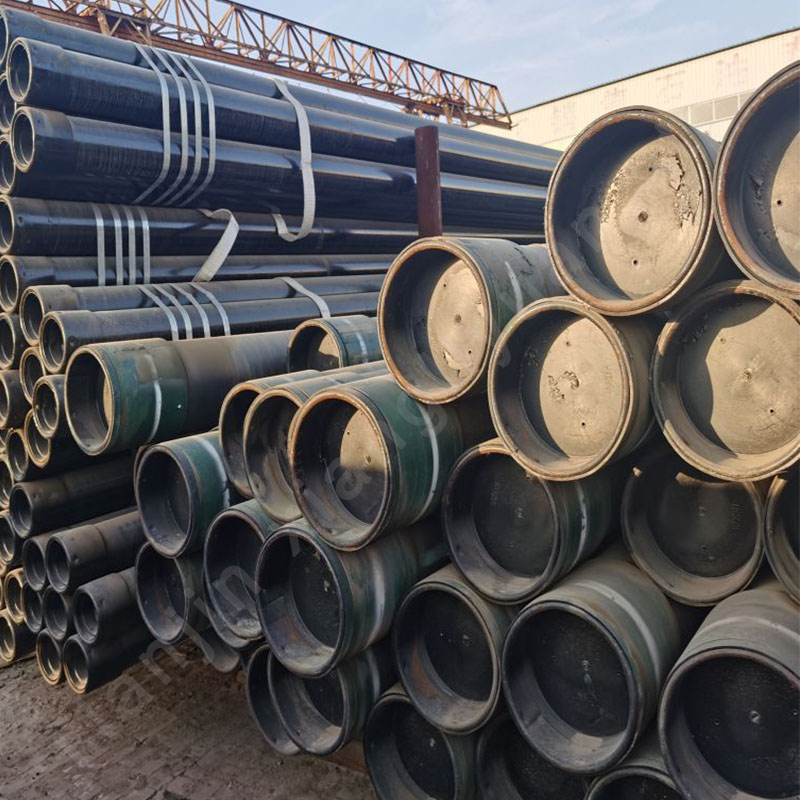
Casing Pipe: Forms the structural walls of oil and gas wells. It must withstand immense geological pressures, prevent cave-ins, and isolate underground zones. Grades like API 5CT J55, K55, N80, and P110 are common, with increasing yield strength for deeper wells.
Tubing Pipe: Conduit inside the casing through which oil or gas is brought to the surface. It is subject to internal pressure, corrosion from reservoir fluids (including H2S in sour service), and mechanical wear. Resistance to corrosion and scaling is paramount.
Drill Pipe: The rotating “stem” that connects the surface rig to the drill bit. It endures tremendous torque, tension, compression, and abrasive mud flows. It features specially welded tool joints at each end for strength.
Line Pipe (API 5L): Used for long-distance transmission of oil, gas, and other hydrocarbons. Grades range from X42 to X100, with a focus on high strength, toughness (to prevent crack propagation), and excellent weldability for field joining. Anti-corrosion coatings like FBE (Fusion Bonded Epoxy) or 3LPE are standard.
1.2 Structural and Construction Pipes: Building the Modern World
Here, the emphasis shifts from containment to load-bearing and architectural form.
Structural Hollow Sections (SHS)/HSS: Square, rectangular, or circular tubes used as columns, beams, and trusses in buildings, bridges, and infrastructure. They offer superior strength-to-weight ratios and aesthetic appeal compared to solid sections. Standards include ASTM A500 and ASTM A1085.
Scaffolding Pipes: Lightweight but high-strength tubes (typically galvanized) that must provide safe, reliable temporary structures. Dimensional accuracy and consistent yield strength are critical for worker safety.
Piling Pipes: Large-diameter, thick-walled pipes (often ASTM A252) driven into the ground to form deep foundations for heavy structures. They resist bending and provide immense load-bearing capacity.
1.3 Mechanical & Pressure Tubing: The Precision Component
Used in non-fluid-conveying applications or in high-pressure mechanical systems.
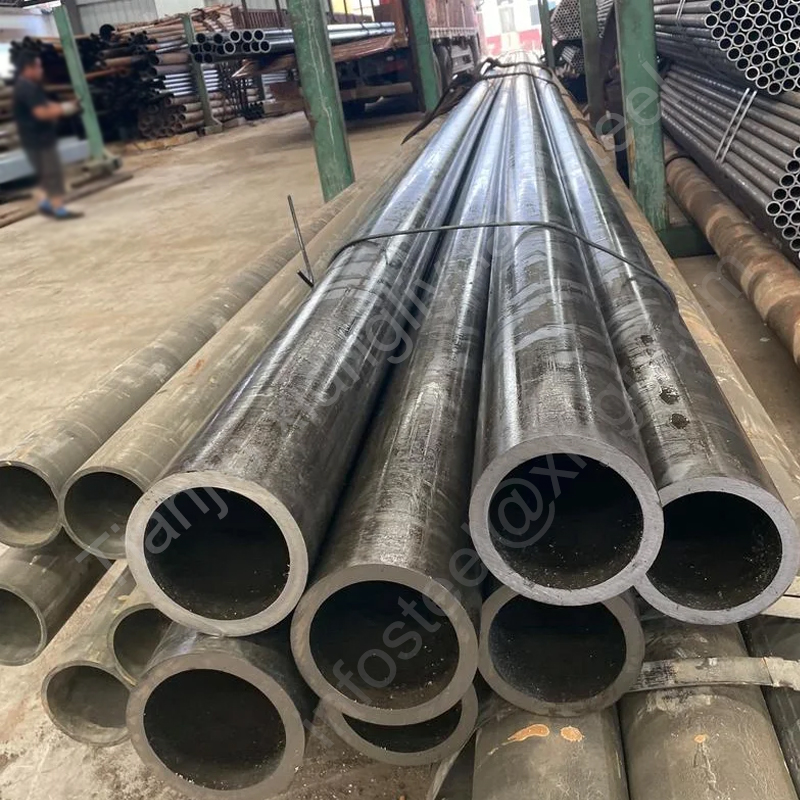
Hydraulic and Cylinder Tubes: Require extremely smooth internal surfaces (honed or skived), precise dimensions, and high strength (ASTM A519). Used in hydraulic cylinders, industrial machinery, and automation equipment.
Bearing and Automotive Tubes: High-precision cold-drawn seamless tubes (CDS) used for manufacturing bearing races, shock absorbers, and other automotive components. Consistency in hardness and microstructure is essential.
Boiler and Heat Exchanger Tubes: Operate under high pressure and temperature, often made from carbon steel (ASTM A179) or alloy steels (ASTM A213 T11, T22). They must resist creep (deformation under stress) and oxidation.
1.4 Special Service Pipes: Corrosion and Temperature Extremes
Stainless Steel Pipes (ASTM A312): The go-to solution for corrosion resistance. Grade 304 (general purpose) and Grade 316 (with molybdenum for enhanced chloride resistance) are ubiquitous in food processing, chemical plants, and marine environments.
Alloy Steel Pipes (ASTM A335): Contain elements like chromium, molybdenum, and vanadium for enhanced strength and resistance to high-temperature creep, used in power plant boilers and refineries (e.g., P11, P22, P91).
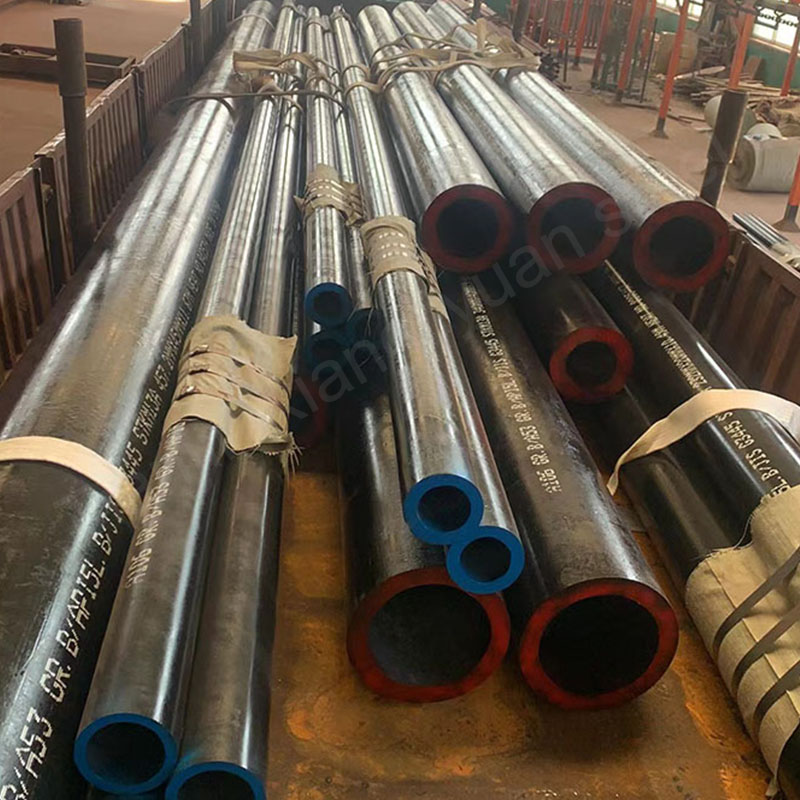
Galvanized Steel Pipes (ASTM A53): Coated with a layer of zinc for cost-effective corrosion protection, widely used in fencing, handrails, water supply, and outdoor structural applications.
Section 2: The Tianjin Xiangliyuan Steel Advantage: Engineering Solutions, Not Just Products
At Tianjin Xiangliyuan Steel, we move beyond being a supplier to becoming a solutions partner. Our capability to service these diverse sectors stems from a multifaceted approach:
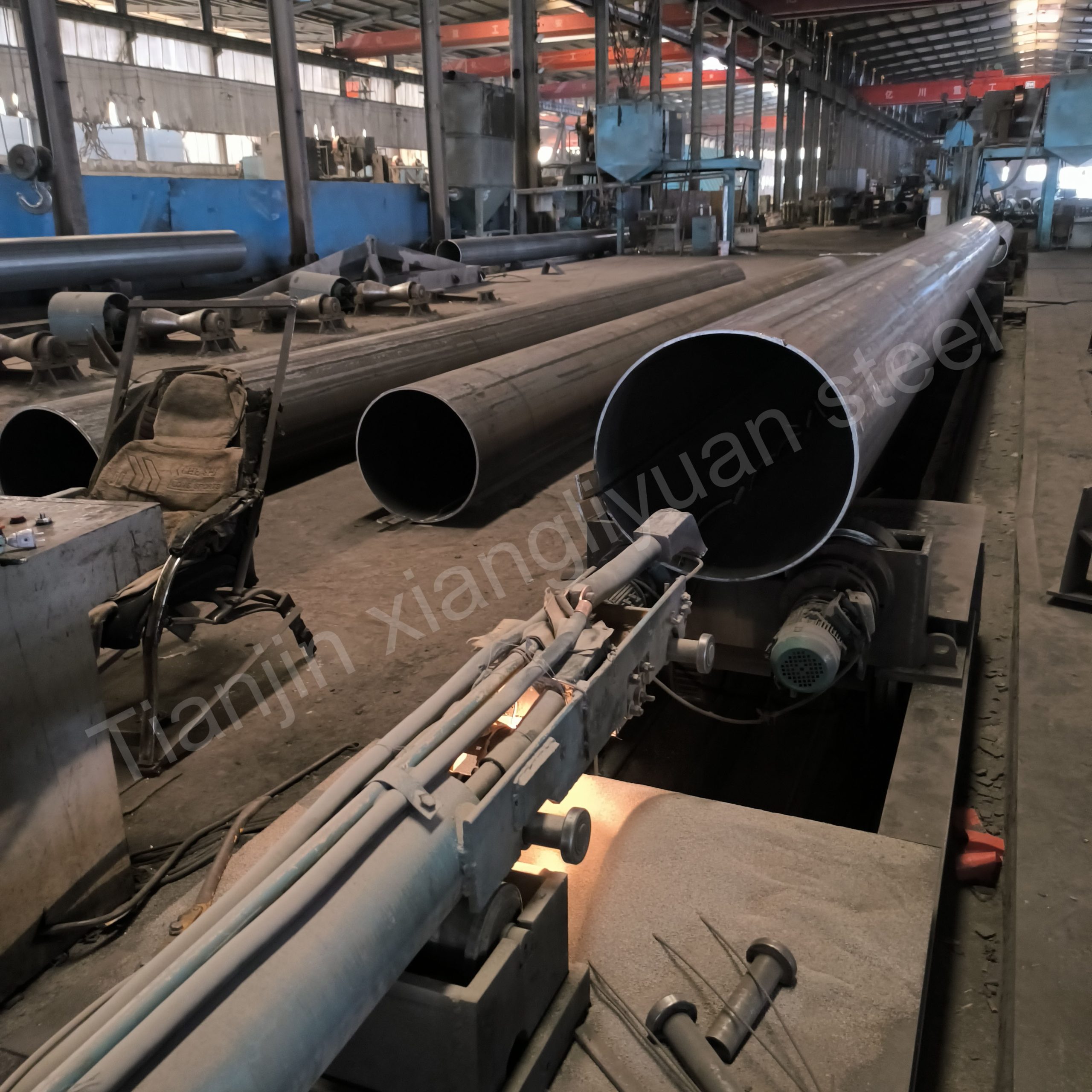
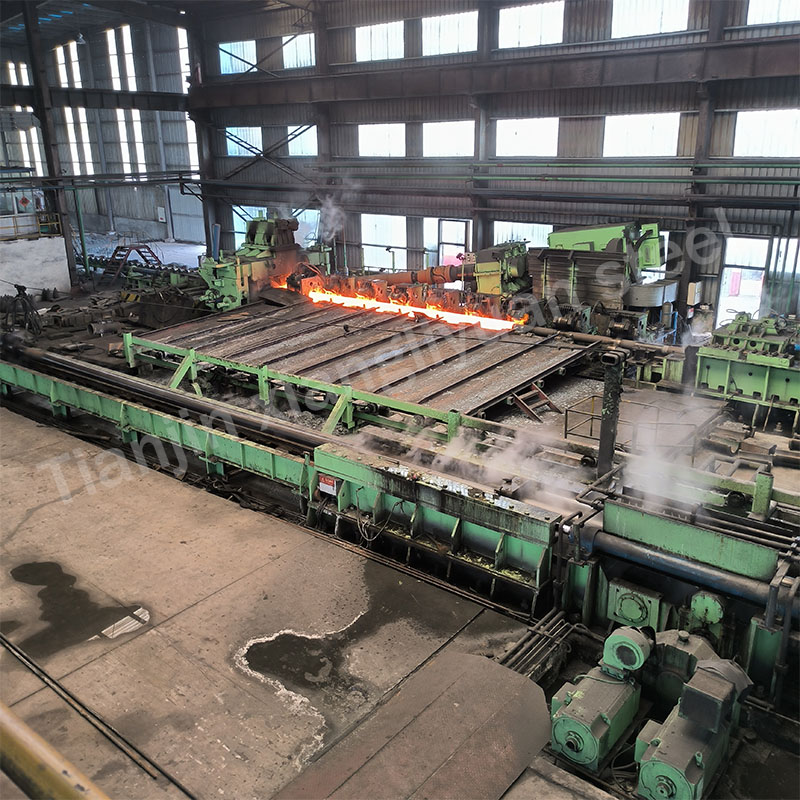
1. Advanced Manufacturing Flexibility: Our facilities house both state-of-the-art seamless piercing mills and high-frequency induction (HFI) welding lines. This allows us to match the optimal production method to the performance requirement—whether it’s the homogenous strength of a seamless pressure vessel tube or the cost-effective, large-diameter capability of a welded structural column.
2. Metallurgical Expertise: We don’t just shape steel; we understand it. Our team works with a range of steels, from standard carbon to high-strength low-alloy (HSLA) and corrosion-resistant alloys, ensuring the base material perfectly suits the service environment.
3. Comprehensive Processing & Finishing: We provide a full suite of value-added services:
Cutting: Precision sawing, lathe cutting, and beveling for weld-ready ends.
Heat Treatment: Normalizing, quenching & tempering to achieve required mechanical properties.
Surface Treatment: Galvanizing, sandblasting, painting, and various industrial coatings (FBE, 3LPE) for corrosion protection.
End Finishing: Threading (API, NPT), coupling, and squaring as per customer specifications.
4. Uncompromising Quality Assurance: Every batch undergoes a rigorous testing protocol: chemical analysis, tensile testing, hardness testing, non-destructive testing (UT, ECT, hydrostatic), and full dimensional inspection. This ensures full traceability and compliance with the specified API, ASTM, EN, DIN, or JIS standards.
Section 3: Navigating Selection: Key Considerations for Buyers
Selecting the correct pipe is a critical engineering decision. We guide our clients through evaluating:
Pressure & Temperature Rating: Dictates required wall thickness (schedule) and material grade.
Corrosive Environment: Determines the need for stainless steel, alloy steel, or protective coatings.
Mechanical Loads: Influences the choice between structural pipe (focus on yield strength) and pressure pipe (focus on internal burst strength).
Fabrication Needs: Weldability, bendability, and machinability are key for downstream processing.
Total Cost of Ownership: Includes initial price, installation cost, maintenance, and lifespan. A slightly higher initial investment in a more durable or efficient pipe often yields significant long-term savings.
Section 4: The Future is Engineered with Steel
Innovation in steel pipe technology continues to advance. We are engaged with trends such as the development of higher-grade line pipes (e.g., X120) for more efficient gas transmission, pipes suitable for hydrogen and CO2 transport in the new energy landscape, and the use of digital twin technology to predict pipe performance and lifespan in specific applications.
Your project demands more than just a pipe; it demands the right pipe. With deep technical expertise, a comprehensive product range, and a steadfast commitment to quality, Tianjin Xiangliyuan Steel is poised to be your reliable global partner.
For detailed technical consultations, catalogs, and competitive quotations tailored to your specific application, please contact us.
Email: infosteel@xlygt.com
Tianjin Xiangliyuan Steel – Engineering Confidence in Every Pipeline and Structure.