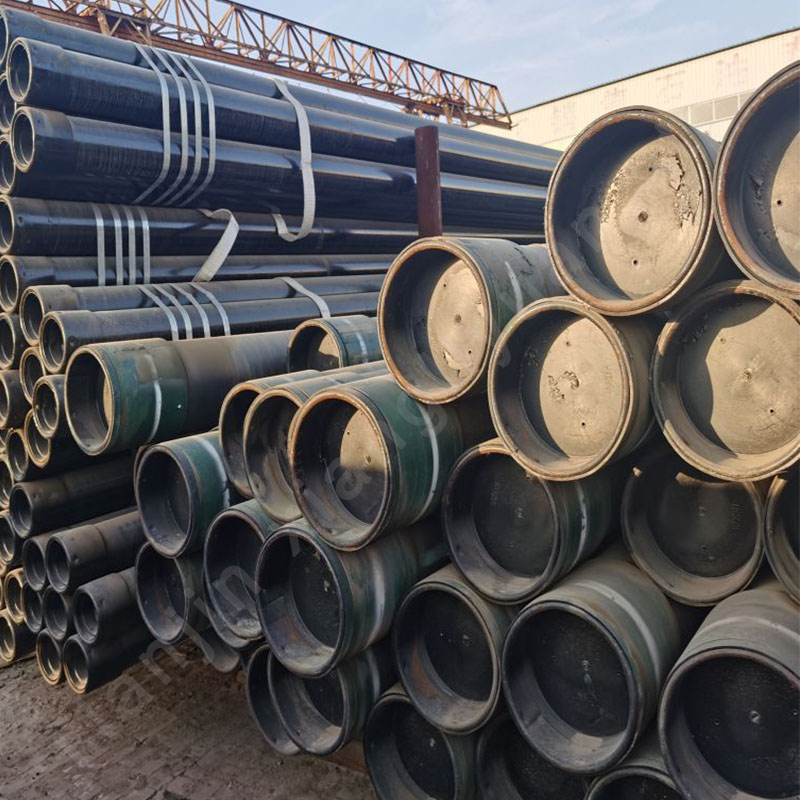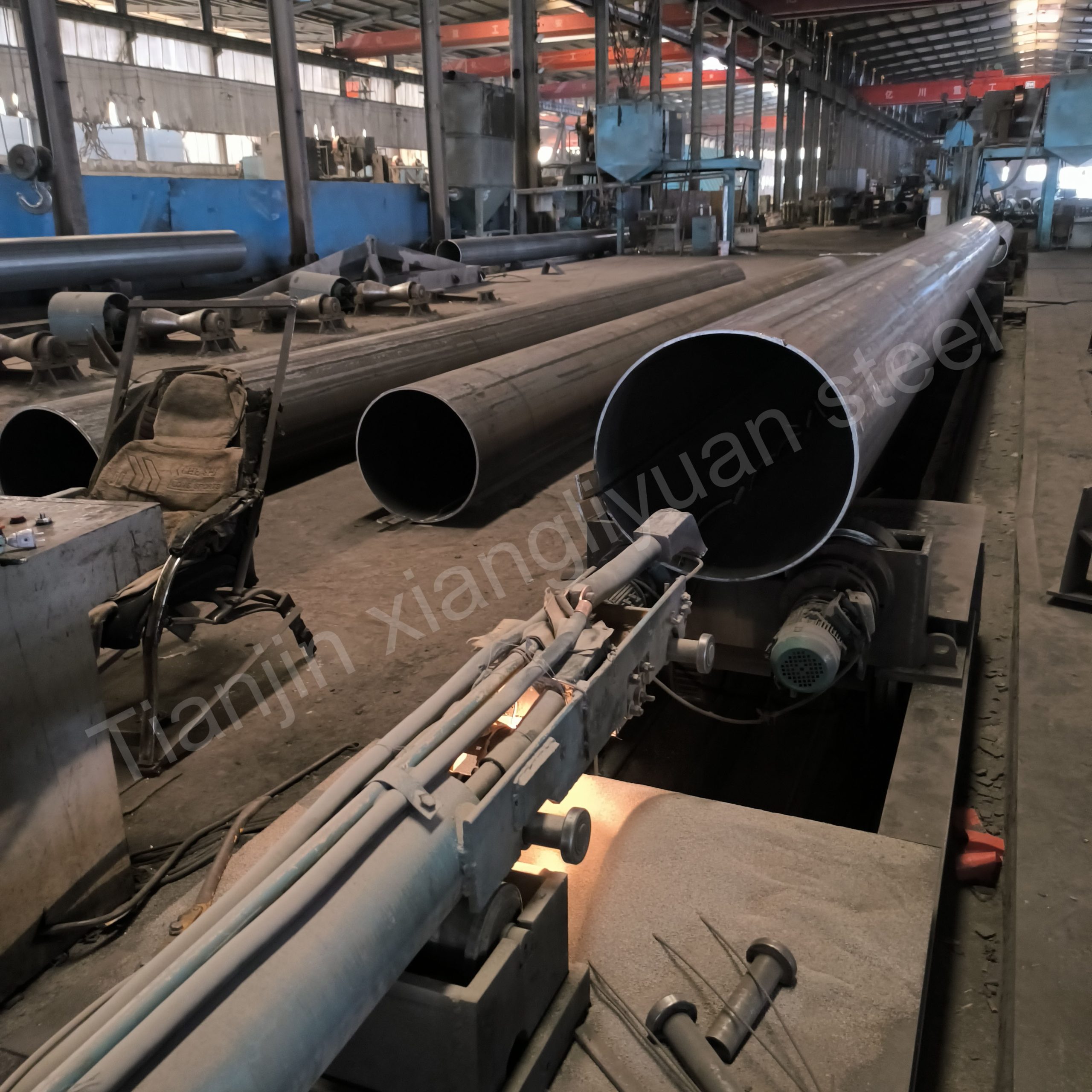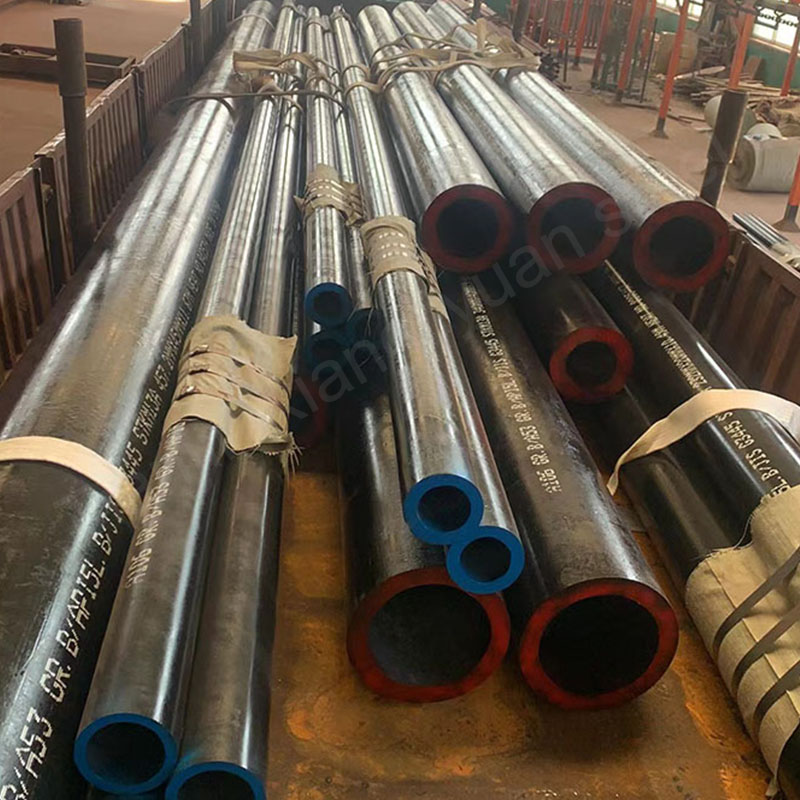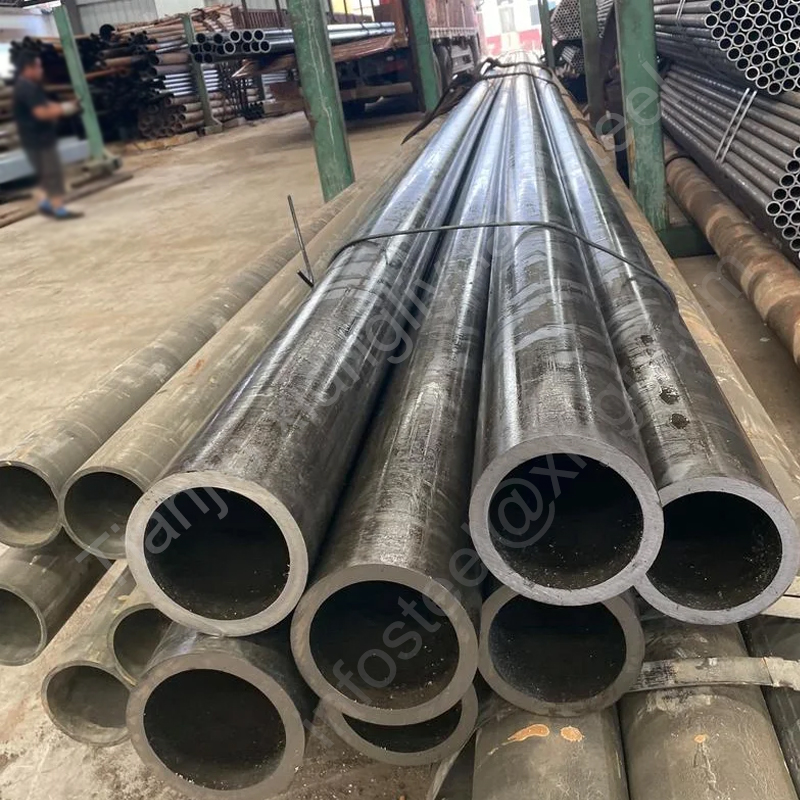
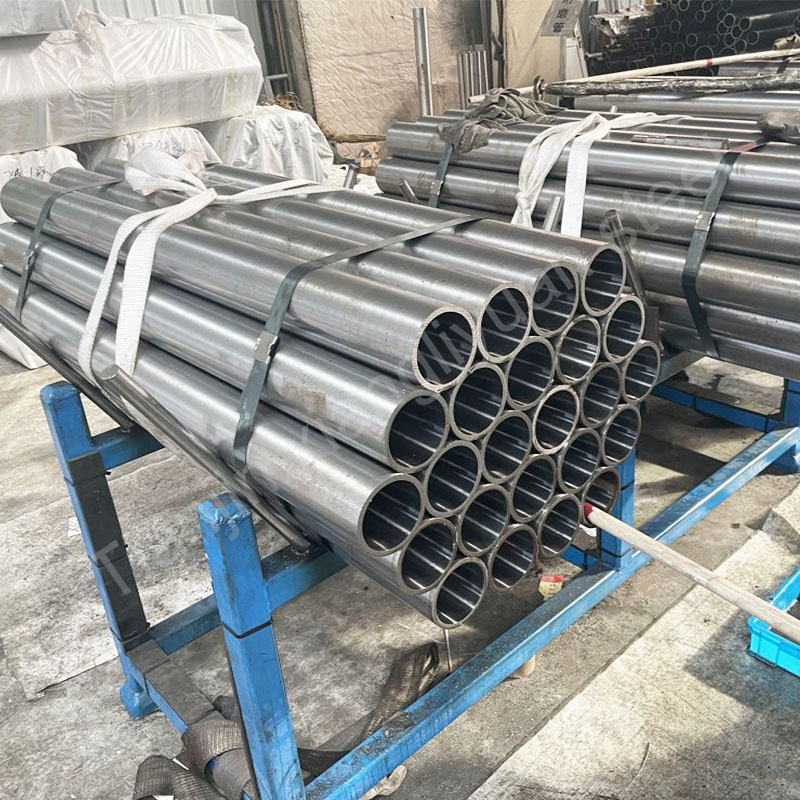
Seamless honed tubes are precision-engineered components critical to hydraulic and pneumatic systems, offering superior performance in demanding applications. Understanding their key product parameters is essential for engineers, procurement specialists, and OEMs worldwide. This comprehensive guide covers essential specifications, including material composition, dimensional tolerances, surface characteristics, and additional parameters valued in international procurement.
1. Material Specifications and Grades
1.1 Standard Materials
Seamless honed tubes are manufactured from various steel grades, each offering distinct mechanical properties:
Carbon Steels: SAE 1020, 1026, 1045, and 1060 are commonly used for general hydraulic applications. These provide excellent machinability and cost-effectiveness for moderate pressure applications.
Alloy Steels: Grades like 4130, 4140, and 4340 offer enhanced strength, wear resistance, and toughness for high-pressure hydraulic systems and heavy-duty applications.
Stainless Steels: 304, 316, and 17-4PH stainless steels deliver superior corrosion resistance for marine, chemical, and food processing applications.
Specialized Alloys: Including CK45, ST52, and E355 for European markets, and AISI 1018, 1020, 1045 for American specifications.
1.2 Material Properties International Buyers Consider
Yield Strength and Tensile Strength: Minimum yield strength typically ranges from 40,000 to 100,000 psi depending on grade and heat treatment
Hardness: Usually between 180-250 HB for carbon steels, with variations based on application requirements
Chemical Composition: Precise control of carbon, manganese, chromium, molybdenum, and other alloying elements
Certifications: Material traceability with EN 10204 3.1/3.2 certificates, mill test reports, and compliance with ASTM, DIN, JIS, or GB standards
2. Dimensional Parameters: Wall Thickness and Diameter
2.1 Wall Thickness Specifications
Wall thickness is critical for pressure containment and structural integrity:
Standard Ranges: From 2 mm to 50 mm (0.08″ to 2.0″), with custom thicknesses available
Tolerance Standards:
DIN 2391-C: ±0.5 mm for standard precision
DIN 2391-H: ±0.2 mm for high-precision applications
ASTM A519: Governs seamless mechanical tubing tolerances
Wall Uniformity: High-quality honed tubes maintain consistent wall thickness with variations typically within ±5%
2.2 Diameter Parameters
Both inner diameter (ID) and outer diameter (OD) are precisely controlled:
Inner Diameter (ID) Range: From 20 mm to 500 mm (0.75″ to 20″) for standard applications, with larger diameters available
Outer Diameter (OD) Range: Typically from 25 mm to 550 mm (1″ to 22″)
Dimensional Tolerances:
ID Tolerance: Typically H8, H9, or H10 per ISO 286, with precision honing achieving ±0.02 mm
OD Tolerance: Usually h8 or h9, with ±0.05 mm achievable for precision applications
Concentricity: Premium honed tubes maintain excellent ID/OD concentricity, typically within 0.5 mm TIR
3. Surface Characteristics and Finishes
3.1 Honed Surface Finish
The honing process creates characteristic surface properties:
Surface Roughness (Ra): Typically between 0.1 to 0.8 μm (4 to 32 μinch), with 0.2-0.4 μm being standard for hydraulic applications
Cross-Hatch Pattern: Angle usually between 30° to 60°, optimized for oil retention and seal compatibility
Surface Integrity: Free from burns, cracks, or torn metal with minimal smearing
Bore Straightness: Typically 0.1-0.5 mm per meter depending on length and diameter
3.2 Advanced Surface Treatments
Hard Chrome Plating: Thickness from 0.02 to 0.05 mm provides enhanced wear and corrosion resistance
Nickel Plating: Alternative to chrome with excellent corrosion resistance
Phosphating and Black Oxide: Improve corrosion resistance and break-in characteristics
Special Polishing: For ultra-smooth surfaces in precision applications (Ra < 0.1 μm)
4. Additional Parameters Critical for International Procurement
4.1 Geometrical Tolerances
Straightness: Typically 0.1-0.3 mm per meter, with special straightening available to 0.05 mm/m
Roundness (Ovality): Usually within 50% of diameter tolerance, with precision honing achieving 0.01 mm
Cylindricity: Advanced honing processes maintain consistent diameter along tube length
4.2 Mechanical Properties
Pressure Ratings: Calculated based on material, dimensions, and safety factors per ISO 10763 or NFPA standards
Fatigue Resistance: Particularly important for dynamic applications with cyclic loading
Wear Resistance: Critical for long service life in hydraulic cylinder applications
4.3 Heat Treatment Conditions
Normalized: For improved machinability and stress relief
Quenched and Tempered: Provides optimal strength-to-toughness ratio
Stress Relieved: Minimizes residual stresses from manufacturing processes
Case Hardened: For applications requiring exceptionally wear-resistant surfaces
4.4 Testing and Certification Requirements
Non-Destructive Testing (NDT): Ultrasonic, eddy current, or magnetic particle inspection
Pressure Testing: Hydrostatic testing to 1.5 times working pressure
Material Certification: Full traceability from melt to final product
Surface Roughness Verification: Certified measurements per ISO 4287/4288
Dimensional Inspection Reports: Complete dimensional verification data
5. Quality Standards and International Compliance
5.1 Global Standards
ISO Standards: ISO 10763 for hydraulic fluid power cylinders, ISO 4394/I for dimensions and tolerances
DIN Standards: DIN 2391 for precision seamless steel tubes, DIN 24540 for honed tubes
ASTM Standards: ASTM A519 for seamless carbon and alloy steel mechanical tubing
JIS Standards: JIS G3445 for mechanical carbon and alloy steel tubes
NFPA Standards: National Fluid Power Association standards for hydraulic cylinders
5.2 Industry-Specific Requirements
Mobile Hydraulics: Enhanced durability and impact resistance
Industrial Machinery: Precision and consistency for automated systems
Marine Applications: Superior corrosion resistance and certification
Aerospace: Stringent documentation and performance validation
6. Packaging and Preservation for International Shipping
6.1 Protection Methods
Internal Protection: Plastic caps or plugs to prevent bore contamination
External Protection: VCI paper, plastic wrapping, or protective coatings
Rust Prevention: Desiccants, vapor corrosion inhibitors, or temporary protectives per ASTM D665
6.2 Marking and Identification
Permanent marking with material grade, heat number, dimensions, and manufacturer identification
Color coding for different material grades or specifications
Barcode labeling for inventory management and traceability
7. Customization and Special Requirements
7.1 Modified Parameters
Special tolerances beyond standard specifications
Unique material combinations or proprietary alloys
Custom lengths, diameters, or wall thicknesses
Integrated features like ports, flanges, or mounting provisions
Seamless honed tubes represent a critical component in fluid power systems worldwide. Understanding the comprehensive range of parameters—from basic material specifications to sophisticated geometrical tolerances and international compliance requirements—is essential for successful procurement and application. By focusing on these key parameters and understanding what international buyers prioritize, manufacturers and suppliers can ensure they meet global market expectations while providing optimal performance in demanding applications.
The convergence of precise dimensional control, superior surface characteristics, material integrity, and comprehensive certification creates value that extends throughout the product lifecycle. As hydraulic and pneumatic systems continue to evolve toward higher pressures, greater efficiency, and increased reliability, the importance of thoroughly specified seamless honed tubes will only continue to grow in international markets.