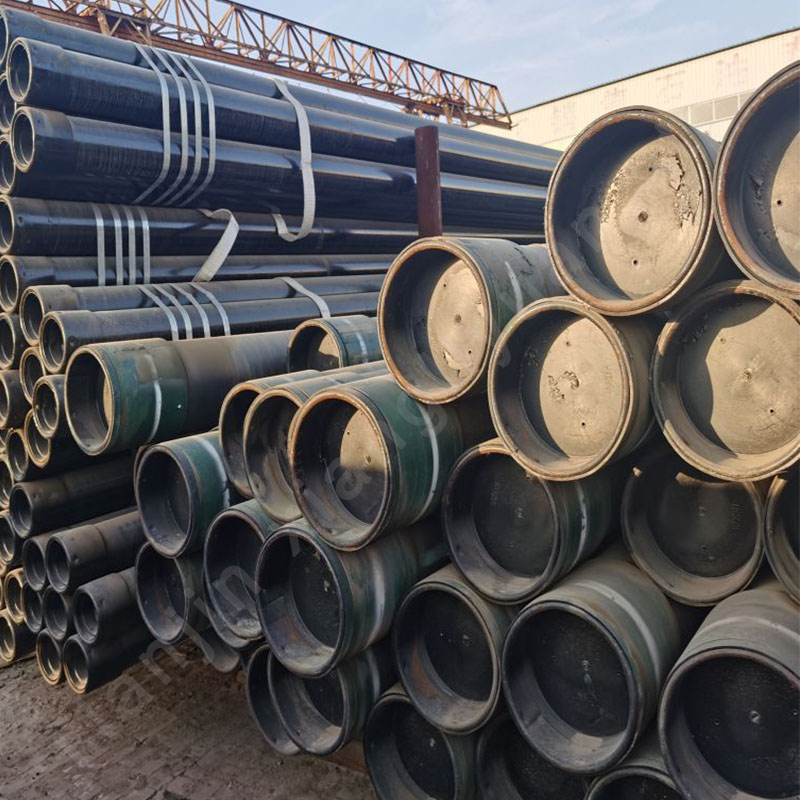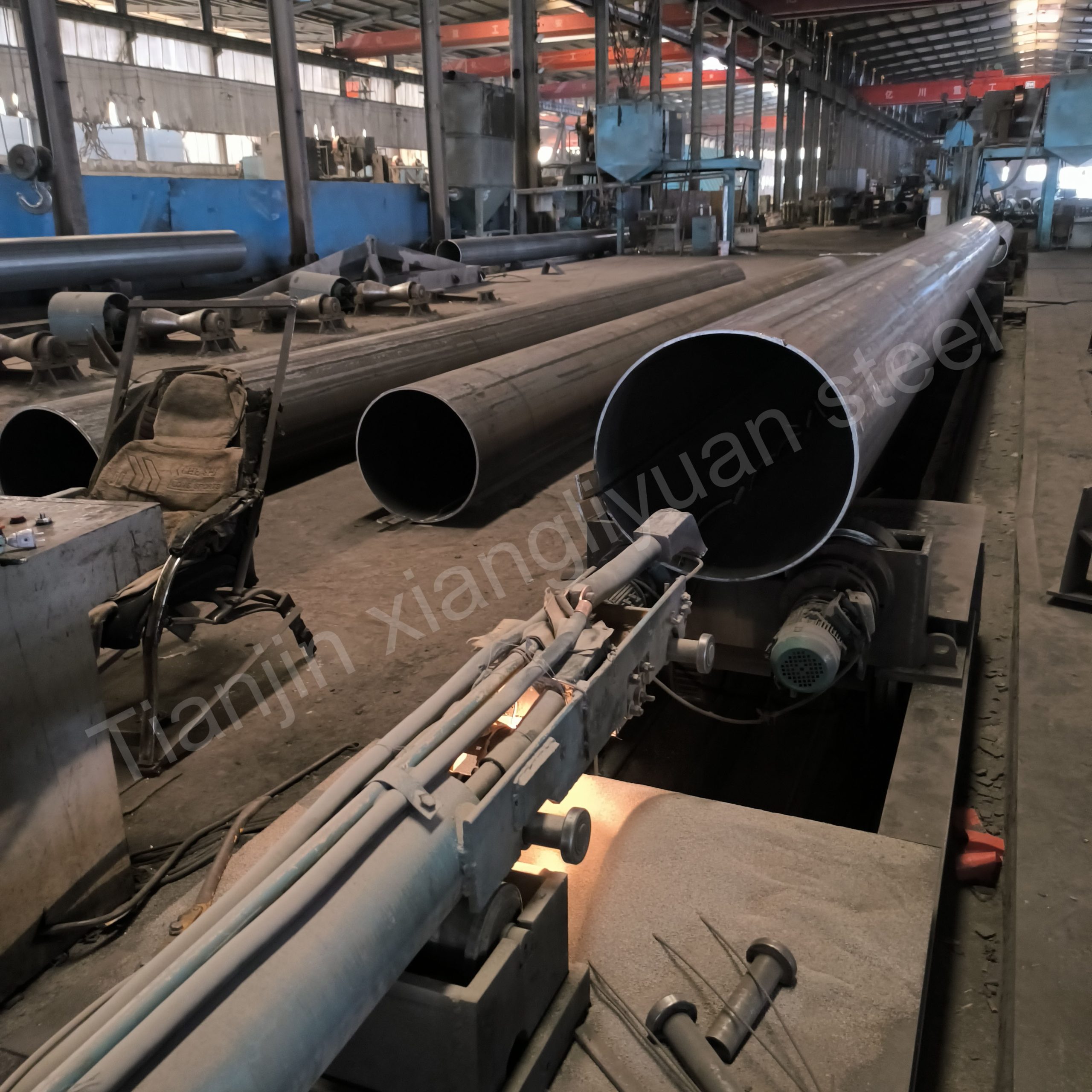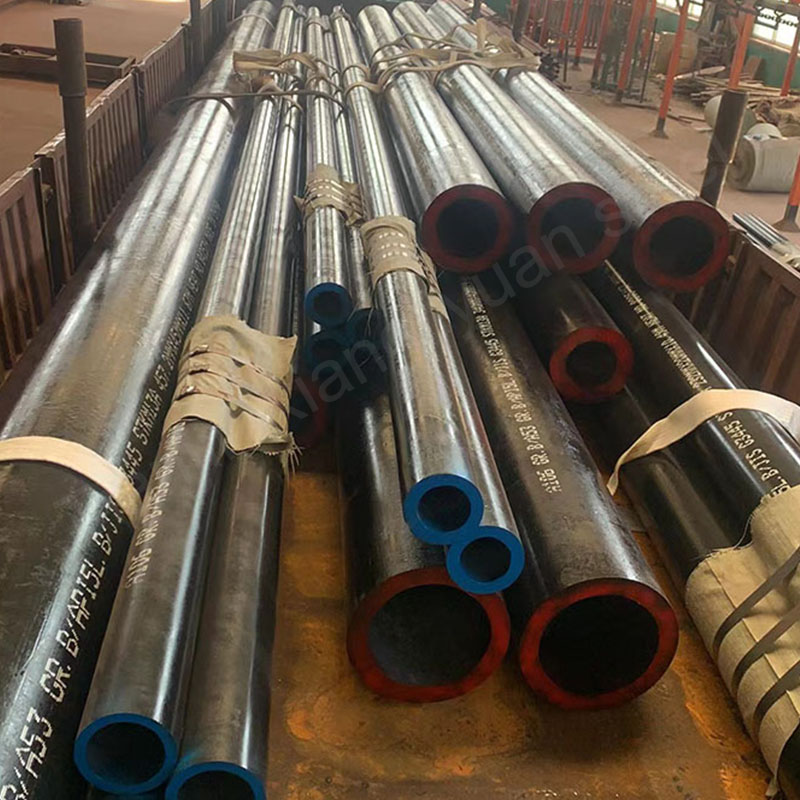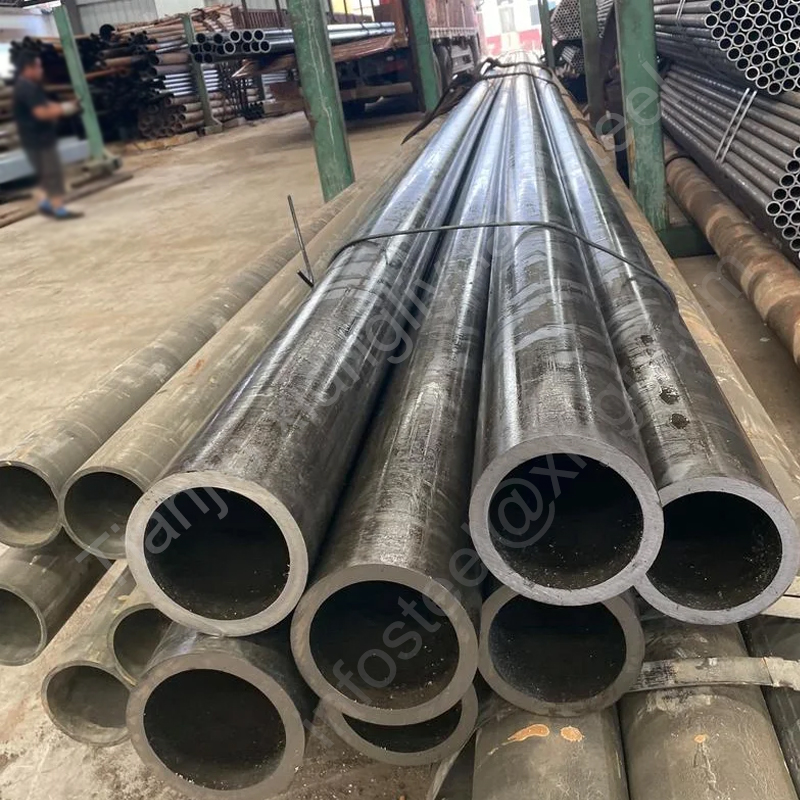
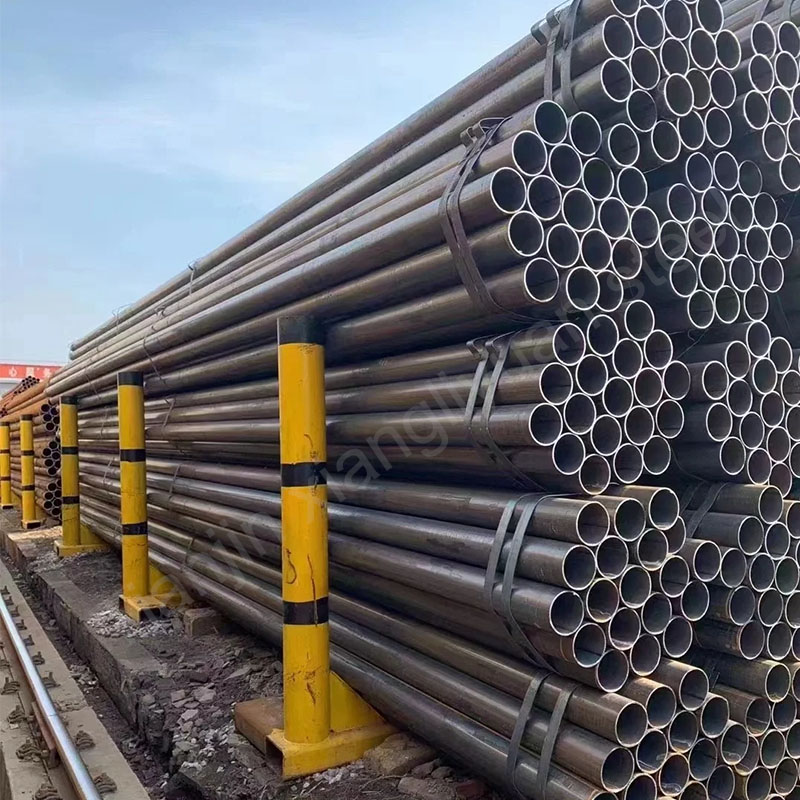
As a premier manufacturer in China’s steel pipe industry, we are committed to providing reliable and cost-effective solutions for energy transportation and industrial infrastructure worldwide. Among our extensive product portfolio, API 5L L245N steel pipe stands as a fundamental and widely specified grade for numerous pipeline applications. This detailed guide comprehensively explores L245N line pipe, covering its specifications, material properties, manufacturing excellence, diverse applications, and the strategic advantages of sourcing this essential product from our technologically advanced facility.
1. Introduction to API 5L L245N / PSL1 Line Pipe
L245N is a standard grade designation under the globally recognized API 5L (American Petroleum Institute Specification 5L) for both seamless and welded steel line pipe. The nomenclature is key to understanding its properties:
“L”: Denotes Line Pipe.
“245”: Indicates the minimum specified yield strength of 245 Megapascals (MPa).
“N”: Signifies that the pipe is supplied to the Normalized (N) delivery condition or according to Product Specification Level 1 (PSL 1) requirements, depending on the specific purchase standard invoked. In common industry practice, L245N is primarily associated with PSL 1 requirements.
This grade represents an excellent balance of strength, ductility, and weldability, making it a cornerstone material for constructing safe and efficient pipeline systems.
Equivalent & Related Designations:
Primary Standard: API 5L L245N (PSL 1).
Common Equivalents: Often corresponds to API 5L Grade B (PSL 1). It is also aligned with material P245NB in standards like ISO 3183 and GB/T 9711 for petroleum and natural gas industries.
2. Chemical Composition and Mechanical Properties
L245N steel is a carbon-manganese (C-Mn) steel with controlled chemistry to ensure consistent performance, particularly good weldability and formability.
Typical Chemical Composition (% by weight, maximum unless stated otherwise per PSL 1):
Carbon (C): ≤ 0.26%
Manganese (Mn): ≤ 1.20%
Phosphorus (P): ≤ 0.030%
Sulfur (S): ≤ 0.030%
Silicon (Si): A specified range, typically ≤ 0.40% or as agreed.
Note on “N” Condition: When supplied as “Normalized” (from the “N”), the pipe undergoes a specific heat treatment process (heating to a suitable temperature followed by air cooling) to refine the grain structure, which can improve toughness and provide more uniform mechanical properties.
Key Mechanical Properties (API 5L PSL 1):
Minimum Yield Strength (SMYS): 245 MPa (35,500 psi)
Minimum Tensile Strength: 415 MPa (60,200 psi)
Yield-to-Tensile Ratio: Typically ≤ 0.80 (for seamless) to ≤ 0.85 (for welded), ensuring a good safety margin against failure.
Elongation: Meets minimum requirements based on the standardized test specimen, demonstrating good ductility.
3. Manufacturing Processes and Quality Assurance
We produce L245N pipe using advanced seamless and welded manufacturing technologies, ensuring product integrity for its intended applications.
1. Seamless L245N Pipe Manufacturing (SMLS):
Process: Round steel billets are heated and pierced to create a hollow shell, which is then elongated and sized through a series of hot rolling mills (e.g., plug mill, mandrel mill).
Heat Treatment: Pipes can be supplied as Normalized (N) to enhance toughness or as-finished from the mill.
Advantages: No longitudinal weld seam, excellent concentricity, and superior pressure integrity, ideal for more demanding services.
2. Welded L245N Pipe Manufacturing:
High-Frequency Electric Resistance Welding (HF-ERW): The most common method. Steel coil (skelp) is formed and the edges are heated by HF current, then forged together under pressure. The weld seam is often heat-treated to normalize its microstructure.
Submerged Arc Welding (SAW): Used for large-diameter pipes. Formed steel plate is welded internally and externally under a layer of flux, creating a deep, high-quality weld.
Advantages: Cost-effectiveness for large-volume production, excellent dimensional consistency, and suitability for long-distance transmission pipelines.
Our Quality Control Protocol:
Every length of L245N pipe undergoes rigorous inspection to meet API 5L and customer specifications:
Hydrostatic Testing: Each pipe is tested to a pressure that induces a stress equal to or greater than 95% of its specified minimum yield strength (SMYS).
Non-Destructive Examination (NDE): Includes ultrasonic or eddy current testing for weld seam integrity (for welded pipe) and full-body ultrasonic testing for critical applications.
Dimensional & Visual Checks: Strict verification of outside diameter, wall thickness, straightness, length, and surface quality.
Destructive Testing: Regular tensile tests, bend tests, and flattening tests are conducted on samples.
Certification: We provide a Mill Test Certificate (MTC) detailing chemical analysis, mechanical test results, and hydrostatic test pressure, ensuring full traceability.
4. Primary Applications of L245N Steel Pipe
L245N is a versatile workhorse grade employed across multiple sectors:
Onshore Oil & Gas Gathering Lines: Transporting crude oil and natural gas from wellheads to processing facilities.
Low to Medium-Pressure Transmission Pipelines: For natural gas distribution networks and refined product lines.
Water Supply and Irrigation Pipelines: Major municipal water transmission mains and agricultural irrigation systems.
Structural and Piling Applications: Used as foundation piles, structural columns, and in scaffolding where specific mechanical properties are required.
Industrial Process Piping: For plant utilities, compressed air, and other non-corrosive service fluids.
Slurry and Dredging Lines: In mining and dredging operations, leveraging its good abrasion resistance.
5. Key Advantages of L245N Pipe
Proven Cost-Effectiveness: Offers an optimal balance between material performance and project economics, making it ideal for large-scale infrastructure.
Excellent Weldability and Fabricability: Its controlled carbon equivalent (CE) allows for straightforward field welding with conventional techniques (SMAW, GMAW), minimizing installation complexity and cost.
Reliability and Safety: Complies with the long-established, rigorous API 5L standard, ensuring predictable performance and safety in service.
Wide Availability: Produced in a vast range of sizes (NPS 1/2″ to 48″ and larger), schedules (wall thicknesses), and lengths, providing flexibility for engineering design.
Compatibility with Coatings: The clean, scaled-free surface provides an excellent substrate for external anti-corrosion coatings (e.g., FBE, 3LPE) and internal linings, extending service life in corrosive environments.
6. Distinguishing L245N (PSL 1) from L245M (PSL 2)
Understanding the distinction is crucial for proper material selection:
PSL 1 vs. PSL 2: API 5L defines two Product Specification Levels. PSL 2 imposes stricter requirements than PSL 1.
Key Differences for L245N (PSL1) vs. L245M (PSL2):
Toughness Testing: PSL 2 (L245M) mandates Charpy V-Notch impact testing. PSL 1 (L245N) generally does not, unless specified by the purchaser for low-temperature service.
Chemical Composition: PSL 2 has tighter controls on sulfur and phosphorus content (lower maximums) for improved ductility and through-thickness properties.
Strength Properties: PSL 2 has a maximum limit on tensile strength and a lower maximum yield-to-tensile ratio.
Non-Destructive Testing: More comprehensive NDE is typically required for PSL 2 pipes.
Selection Guidance: L245N (PSL 1) is perfectly suited for standard, non-critical, or less severe service conditions (e.g., low-pressure water lines, some structural uses). L245M (PSL 2) is specified for more demanding applications, especially in oil & gas transmission where low-temperature toughness and higher defect detection are essential (e.g., arctic environments, sour service considerations).
7. Why Source L245N Pipe from Tianjin xiangliyuan steel’s Factory?
Strict Adherence to Standards: We guarantee full compliance with API 5L PSL 1, ISO, and other relevant international standards. Our quality management system is certified to ISO 9001.
Dual-Capability Production: We offer both seamless (SMLS) and welded (HF-ERW, SAW) L245N pipe, providing unbiased technical and commercial recommendations based on your project’s specific needs.
Integrated Value-Added Services: We are a one-stop solution, offering pipe cutting, bevelling, external/internal coating application (FBE, 3LPE, etc.), and comprehensive packaging tailored for international shipping.
Global Logistics Expertise: With extensive experience in exporting to markets across the Middle East, Africa, Southeast Asia, Europe, and the Americas, we ensure timely and secure delivery.
Competitive Edge: Combining state-of-the-art manufacturing efficiency with direct factory pricing, we deliver exceptional value without compromising on quality or reliability.
Technical Support: Our engineering team is available to assist with pipe specification, standard interpretation, and application guidance.
API 5L L245N steel pipe remains a vital, economically efficient, and thoroughly reliable material for constructing a wide array of pipeline and structural systems globally. Its proven performance, governed by the robust API 5L specification, makes it a trusted default choice for engineers and project developers. As a leading Chinese manufacturer–Tianjin xiangliyuan steel, we are dedicated to producing high-quality L245N pipe that delivers consistent performance, supporting the development of sustainable infrastructure worldwide.
For your next pipeline, piling, or industrial project requiring a dependable and economical steel pipe solution, partner with us. Contact our sales team today for a detailed quotation, technical data sheets, or to discuss your specific L245N requirements.