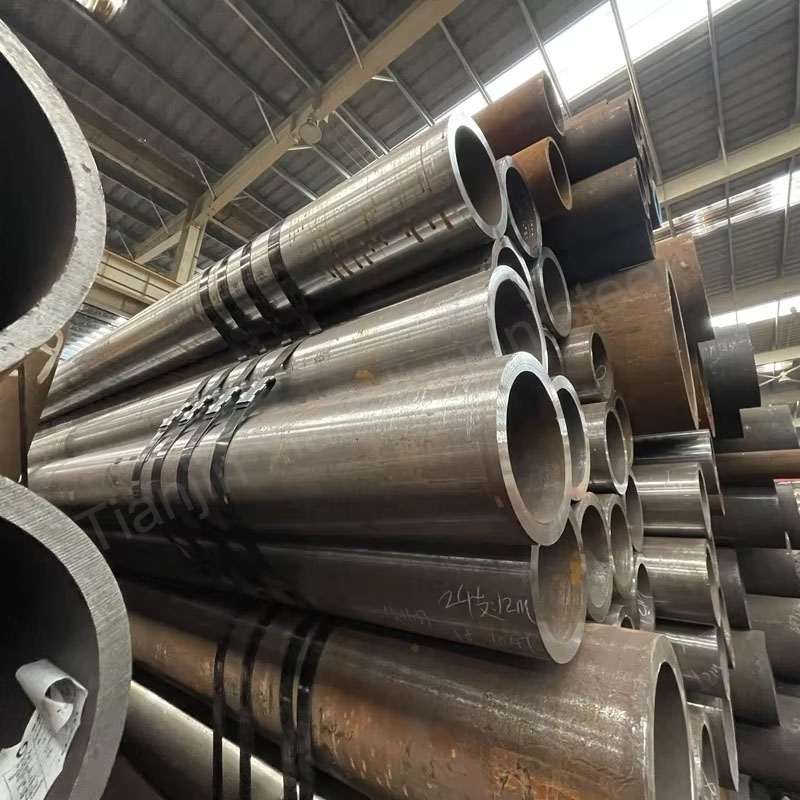
Procuring steel pipes for your industrial or construction project is a critical path activity. The right pipes ensure structural integrity, system efficiency, and long-term safety. The wrong choice can lead to catastrophic failures, costly delays, project overruns, and significant legal liabilities. In the global marketplace, where options are abundant and price pressures are high, even experienced buyers can fall into common traps.
At Tianjin Xiangliyuan Steel, as a professional steel pipe manufacturer and supplier with extensive experience in international trade, we have witnessed the consequences of these procurement pitfalls firsthand. More importantly, we’ve helped countless clients navigate them successfully. This comprehensive buyer’s guide outlines the most frequent and costly mistakes in steel pipe procurement and provides actionable strategies to avoid them, ensuring your next purchase is secure, cost-effective, and delivers exactly what your project requires.
Mistake #1: Unclear or Incomplete Technical Specifications
The Problem: Initiating a procurement process with vague specifications like “we need some carbon steel pipes” is the primary root cause of downstream issues. It invites misinterpretation, leads to the submission of non-compliant quotations, and almost guarantees that the delivered material will not meet your actual engineering needs.
How to Avoid It:
Demand Specificity: Always base your Request for Quotation (RFQ) on precise, project-governing standards. Instead of “carbon steel pipe,” specify:
Standard & Grade: e.g., ASTM A106 Gr. B Seamless Pipe, API 5L PSL1 Gr. B ERW Pipe, EN 10210 S355J2H Structural Hollow Section.
Dimensional Data: Nominal Pipe Size (NPS), Schedule (Wall Thickness), Outer Diameter (OD) and Length (random or cut-to-length).
End-Use Application: State clearly if it’s for structural steel pipe, piling (ASTM A252), high-pressure boiler tubes, or oil and gas pipeline (API 5L). This guides the manufacturer on required testing and tolerances.
Provide Detailed Documentation: Attach relevant data sheets, P&IDs (Piping & Instrumentation Diagrams), or technical drawings to your RFQ. The more information you provide, the more accurate the quote and the lower the risk. Clear specification prevents disputes and is the first step in finding a reliable steel pipe supplier.
Mistake #2: Prioritizing Unit Price Over Total Cost of Ownership (TCO)
The Problem: Selecting a supplier based solely on the lowest price per ton or meter is arguably the most common and dangerous error. The initial steel pipe price is just one component of the total cost. Hidden expenses from poor quality, delays, and non-compliance can dwarf any initial savings.
How to Avoid It:
Conduct a TCO Analysis: Consider all cost factors:
Product Cost: The base price.
Quality & Rejection Cost: Will inferior material fail inspection, causing rework or total rejection? Cheap carbon steel pipes may have inconsistent chemistry or wall thickness, leading to weld failures.
Logistics & Delay Cost: Does the supplier have a proven track record for on-time delivery? Project delays are immensely expensive.
Certification Cost: Does the price include proper Mill Test Certificates (MTC) / Material Test Reports that are essential for compliance? Some low-ball offers charge extra for this mandatory documentation.
Processing Cost: Does the supplier offer value-added services like cutting, beveling, or applying protective coatings (e.g., FBE coating, black painting, galvanizing), which can reduce your on-site labor costs?
Value Partnership: A reputable manufacturer like Tianjin Xiangliyuan Steel focuses on delivering predictable TCO. We ensure our seamless and welded steel pipes come with full certification, meet agreed specifications, and are delivered reliably, providing true long-term value and peace of mind.
Mistake #3: Overlooking the Criticality of Mill Test Certificates (MTCs) and Compliance Documents
The Problem: Treating MTCs as an afterthought or accepting generic certificates. The MTC is the legal and technical “birth certificate” of your steel pipes. It proves the material conforms to the specified standard and is essential for regulatory approvals, safety audits, and your own quality assurance.
How to Avoid It:
Specify Documentation Requirements in the RFQ: State explicitly that a complete, original MTC (EN 10204 Type 3.1 or 3.2) is required for each heat/consignment, detailing chemical composition and mechanical properties from the original steel mill.
Understand the Contents: Know how to read an MTC. It should match your purchase order in grade (e.g., ASTM A53 Gr. B), show heat numbers, and list test results (yield/tensile strength, elongation, chemical analysis for C, Mn, Si, S, P).
Use a Supplier That Guarantees Traceability: Reputable manufacturers maintain strict traceability from raw material to finished product. Before placing a large order, you can even request a sample MTC from a previous production run to verify their documentation quality. Ensuring you receive certified steel pipe is non-negotiable for any serious project.
Mistake #4: Poor Planning for Logistics and Lead Time
The Problem: Underestimating the total lead time—from production and inspection to shipping, customs clearance, and inland transportation—can bring a project to a standstill. Assuming a “ready stock” claim from an unknown supplier is always accurate is a major gamble.
How to Avoid It:
Plan Realistically: Work backward from your project’s required on-site date. Factor in:
Production Time: Varies by product (standard ERW pipes may be faster than large-diameter LSAW pipes or special alloy steel pipes).
Testing & Certification Time: Includes third-party inspection if required (e.g., SGS, BV).
Shipping & Logistics: Ocean freight schedules, potential port congestion, and the Incoterms® used (e.g., FOB, CIF, CFR). Who arranges and pays for what?
Import Customs Clearance: Ensure all documentation (Commercial Invoice, Packing List, Bill of Lading, MTC, Certificate of Origin) is in perfect order to avoid port delays.
Choose the Right Partner: An experienced exporter understands these complexities. They should offer clear Incoterms options, recommend reliable freight forwarders, and prepare all export documentation meticulously. At Tianjin Xiangliyuan Steel, we manage the entire process from our mill to the port, providing regular updates and ensuring smooth logistics for our clients worldwide.
Procurement is a Strategic Function, Not Just a Purchase
Avoiding these common steel pipe procurement mistakes transforms your role from a simple buyer to a strategic value-protector for your organization. By focusing on precise technical specifications, evaluating Total Cost of Ownership, conducting thorough supplier vetting, insisting on proper certification, and planning logistics meticulously, you de-risk your project and ensure a successful outcome.
The foundation of all these strategies is partnering with a steel pipe manufacturer you can trust. A partner who acts as an extension of your procurement team, offering not just a product, but expertise, reliability, and transparency.
Partner with Confidence on Your Next Project
At Tianjin Xiangliyuan Steel, we are committed to helping you avoid these pitfalls. We invite you to experience the difference that comes from working with a professional, integrated manufacturer. For a detailed discussion on your specific needs for seamless pipes, welded pipes, structural hollow sections, or custom-coated piping, and to receive a transparent, comprehensive quotation, please contact our expert team at infosteel@xlygt.com.
Let us help you make your next procurement not just a transaction, but a strategic success.