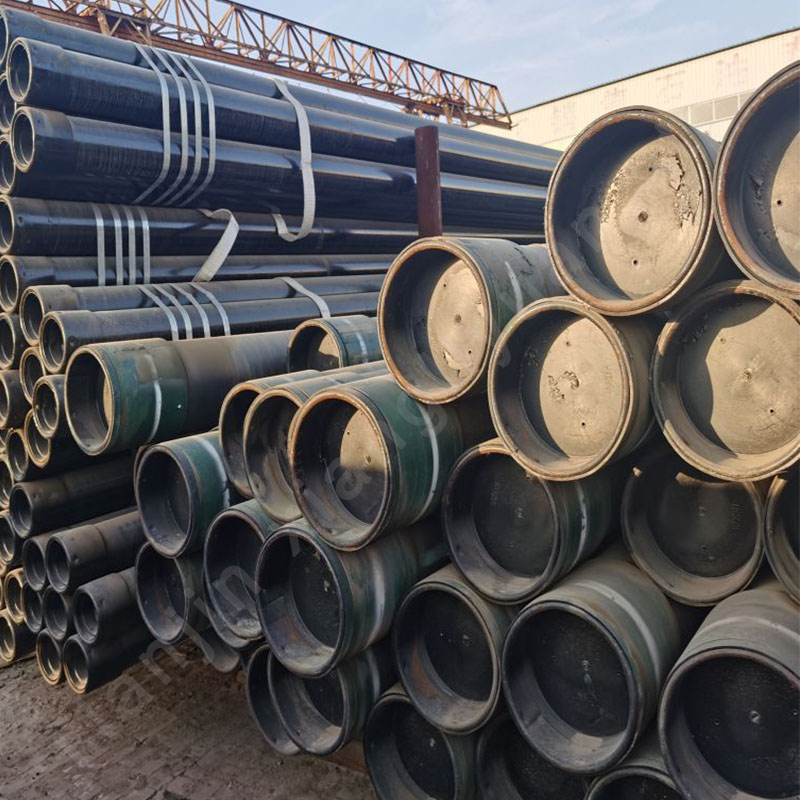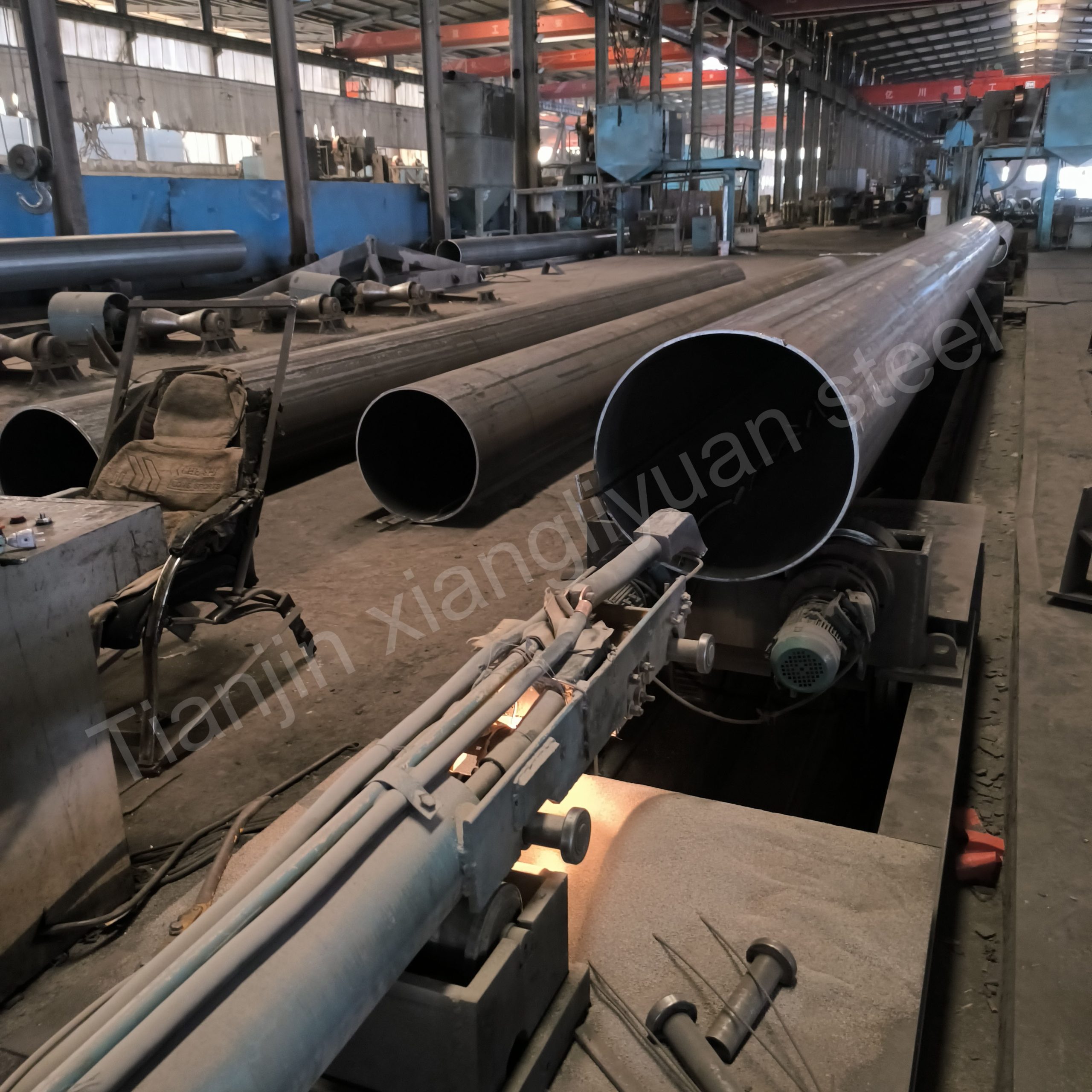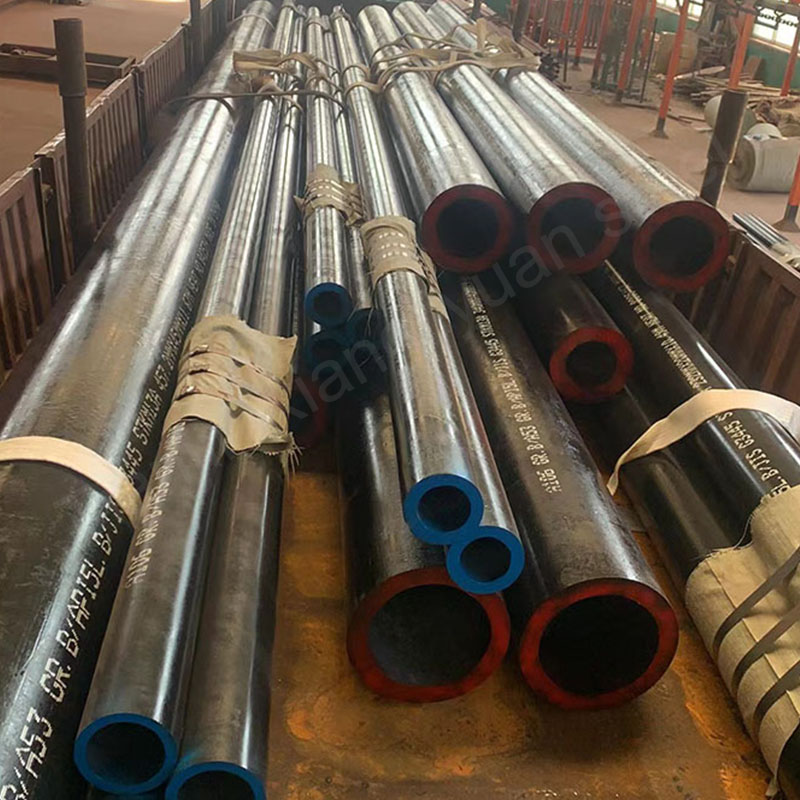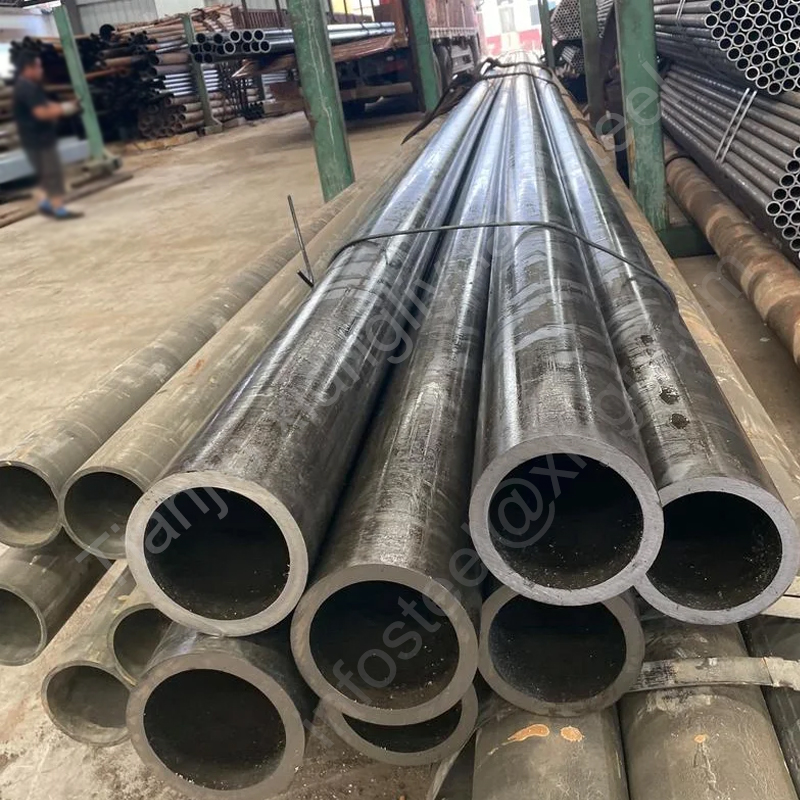
Galvanized steel pipes have become indispensable in modern construction, infrastructure, and industrial applications due to their exceptional corrosion resistance and durability. At the heart of this protective capability lies the zinc coating—a metallurgical bond between zinc and steel that creates a formidable barrier against environmental elements. This article provides a detailed examination of zinc coating thickness, its critical role in determining service life, and appropriate applications for different coating classes.
The Science Behind Zinc Protection
Zinc protects steel through two primary mechanisms: barrier protection and cathodic (sacrificial) protection. The zinc coating acts as a physical barrier that prevents moisture and corrosive agents from reaching the steel substrate. More importantly, zinc has a lower electrochemical potential than steel, meaning it will corrode preferentially when the coating is damaged, sacrificing itself to protect the underlying steel—a process known as galvanic protection.
Measuring Zinc Coating Thickness
Industry Standards and Testing Methods
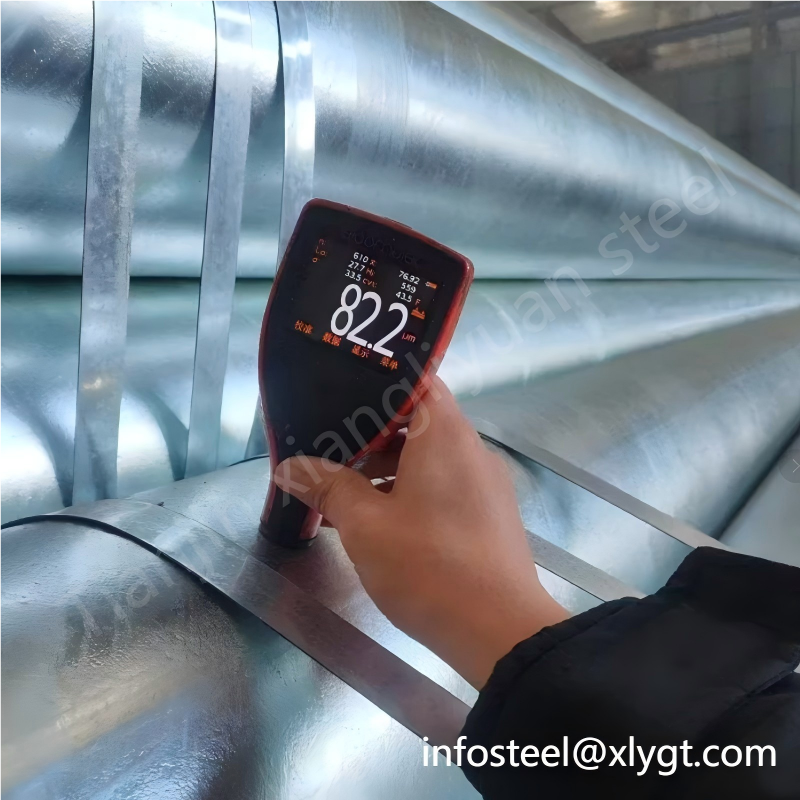
Zinc coating thickness is measured in micrometers (µm) or ounces per square foot (oz/ft²), with common standards including:
ASTM A123/A123M: Standard specification for zinc (hot-dip galvanized) coatings on iron and steel products
ISO 1461: Hot dip galvanized coatings on fabricated iron and steel articles
AS/NZS 4680: Hot-dip galvanized (zinc) coatings on fabricated ferrous articles
Common measurement methods include:
Magnetic induction: Non-destructive testing using calibrated gauges
Microscopic cross-section: Precise laboratory measurement of coating thickness
Strip and weigh method: Chemical dissolution of coating with precise weight measurement
Classification of Zinc Coating Thickness
1. Standard Coating (Minimum 45µm / 1.8 oz/ft²)
Characteristics and Performance:
This economical coating provides basic corrosion protection for general applications where environmental exposure is moderate. With proper maintenance, it typically offers 15-25 years of service life in mild atmospheric conditions.
Primary Applications:
Interior plumbing and water supply systems
Indoor structural frameworks and supports
Light-duty fencing and railing systems
Temporary construction structures
Agricultural equipment for dry storage environments
2. Heavy Coating (Minimum 55µm / 2.2 oz/ft²)
Characteristics and Performance:
The industry standard for most outdoor applications, this coating provides enhanced protection against moisture, moderate pollutants, and temperature variations. Expected service life ranges from 25-50 years depending on environmental conditions.
Primary Applications:
Exterior building frameworks and structural supports
Water transmission and distribution pipelines
Electrical conduit and utility pole supports
Street lighting poles and traffic signal structures
General industrial equipment and machinery frames
3. Extra-Heavy Coating (Minimum 85µm / 3.4 oz/ft²)
Characteristics and Performance:
Designed for harsh environments, this substantial coating provides superior protection against aggressive elements. Service life can exceed 50 years even in demanding conditions with minimal maintenance requirements.
Primary Applications:
Marine and coastal installations
Chemical processing plants
Wastewater treatment facilities
Offshore structures and docks
Infrastructure in industrial zones with high pollution
Road and highway guardrail systems
4. Ultra-Heavy Coating (Minimum 100µm / 4.0 oz/ft² and above)
Characteristics and Performance:
This premium coating represents the highest level of corrosion protection available in standard galvanization. It is engineered for extreme conditions where maximum longevity is essential, often providing 75+ years of maintenance-free service.
Primary Applications:
Submerged or partially submerged marine structures
Coastal bridge components
Geothermal and high-humidity installations
Critical infrastructure requiring minimal lifetime maintenance
Extreme temperature environments (arctic to tropical)
Factors Influencing Zinc Coating Selection
Environmental Considerations
Atmospheric Corrosivity Categories (ISO 9223):
C1 (Very Low): Heated buildings with clean atmospheres
C2 (Low): Unheated buildings, rural atmospheres
C3 (Medium): Urban and industrial atmospheres, coastal areas with low salinity
C4 (High): Industrial areas and coastal areas with moderate salinity
C5 (Very High): Industrial areas with high humidity and aggressive atmospheres
CX (Extreme): Offshore areas, industrial areas with extreme humidity
Service Life Requirements
The required coating thickness increases proportionally with the desired service life. A useful guideline is that each additional 25µm of zinc coating typically extends service life by approximately 15-20 years in moderate environments.
Mechanical Stress and Abrasion
Applications involving vibration, frequent handling, or abrasion require thicker coatings to ensure the zinc layer maintains integrity throughout the product’s service life.
Tianjin Xiangliyuan Steel: Excellence in Galvanized Steel Pipe Manufacturing
Our Quality Commitment
At Tianjin Xiangliyuan Steel, we understand that zinc coating thickness is not merely a specification but a commitment to longevity and reliability. Our galvanized steel pipes undergo rigorous quality control at every production stage:
Advanced Galvanizing Process:
State-of-the-art hot-dip galvanizing facilities with precise temperature control
Multi-stage surface preparation (degreasing, pickling, fluxing)
Controlled immersion and withdrawal rates for uniform coating distribution
Advanced cooling systems to optimize zinc-iron alloy formation
Quality Assurance Protocol:
Incoming steel inspection for chemical composition and surface quality
Continuous monitoring of zinc bath chemistry and temperature
100% visual inspection of finished products
Regular calibration of coating thickness measurement equipment
Batch testing with certified laboratory verification
Comprehensive documentation with full traceability
Technical Specifications
Our galvanized steel pipes meet and exceed international standards:
Coating Uniformity: Consistent thickness with no bare spots or runs
Adhesion Strength: Excellent bond meeting ASTM D3359 standards
Surface Appearance: Smooth, spangle-free finish suitable for painting when required
Dimensional Accuracy: Precise OD, ID, and wall thickness tolerances
Rapid Delivery Program
Understanding the urgency of modern construction and manufacturing schedules, we maintain substantial inventory of standard sizes and specifications. For conventional dimensions, we guarantee industry-leading delivery times:
Standard Delivery Timeline:
5-7 days for common sizes and specifications
10-14 days for specialized requirements
Expedited options available for critical projects
Our efficient logistics network, strategic warehouse locations, and streamlined order processing ensure your materials arrive when needed, minimizing project delays and inventory costs.
Selecting the Right Zinc Coating: Practical Guidelines
Decision Framework
Assess Environmental Conditions: Determine corrosivity category based on installation location
Define Service Life Requirements: Consider maintenance cycles and expected lifespan
Evaluate Mechanical Factors: Account for abrasion, impact, and stress in application
Consider Aesthetic Requirements: Determine if painting or additional finishing is needed
Analyze Lifecycle Costs: Balance initial investment against maintenance and replacement expenses
Common Application Recommendations
Residential Plumbing: Standard coating (45µm) for interior applications
Commercial Construction: Heavy coating (55µm) for structural elements
Industrial Facilities: Extra-heavy coating (85µm) for processing areas
Coastal Infrastructure: Ultra-heavy coating (100µm+) for marine environments
Agricultural Systems: Heavy to extra-heavy depending on chemical exposure
Maintenance and Inspection Considerations
Even with optimal zinc coating thickness, regular inspection enhances longevity:
Annual visual inspections for coating damage or white rust
Five-year comprehensive assessments with thickness measurements
Prompt repair of any damaged areas using zinc-rich paints
Documentation of coating condition over time
Industry Trends and Advancements
The galvanizing industry continues to evolve with several notable trends:
Advanced alloy coatings: Zinc-aluminum and zinc-magnesium formulations for enhanced protection
Sustainable practices: Reduced energy consumption and zinc reclamation
Digital documentation: QR code tracking of coating specifications and maintenance history
Predictive modeling: Software tools for estimating service life based on environmental data
Partnering for Protection
Zinc coating thickness represents a critical specification that directly determines the performance, longevity, and value of galvanized steel pipes. By understanding the relationship between coating weight, environmental conditions, and application requirements, specifiers and purchasers can make informed decisions that optimize both initial investment and long-term performance.
At Tianjin Xiangliyuan Steel, we combine technical expertise with manufacturing excellence to deliver galvanized steel pipes that provide reliable, long-lasting protection. Our commitment to quality control, combined with our rapid delivery capabilities, ensures you receive products that meet your exact specifications when you need them.
For technical specifications, consultation on zinc coating selection, or to discuss your specific requirements, please contact our expert team. We welcome the opportunity to collaborate on your next project and demonstrate why professionals worldwide trust Tianjin Xiangliyuan Steel for their galvanized pipe needs.
Tianjin Xiangliyuan Steel
Email: infosteel@xlygt.com
Website: https://www.xlysteel.com/
Specializing in high-quality galvanized steel pipes with industry-leading delivery times and exceptional zinc coating performance.