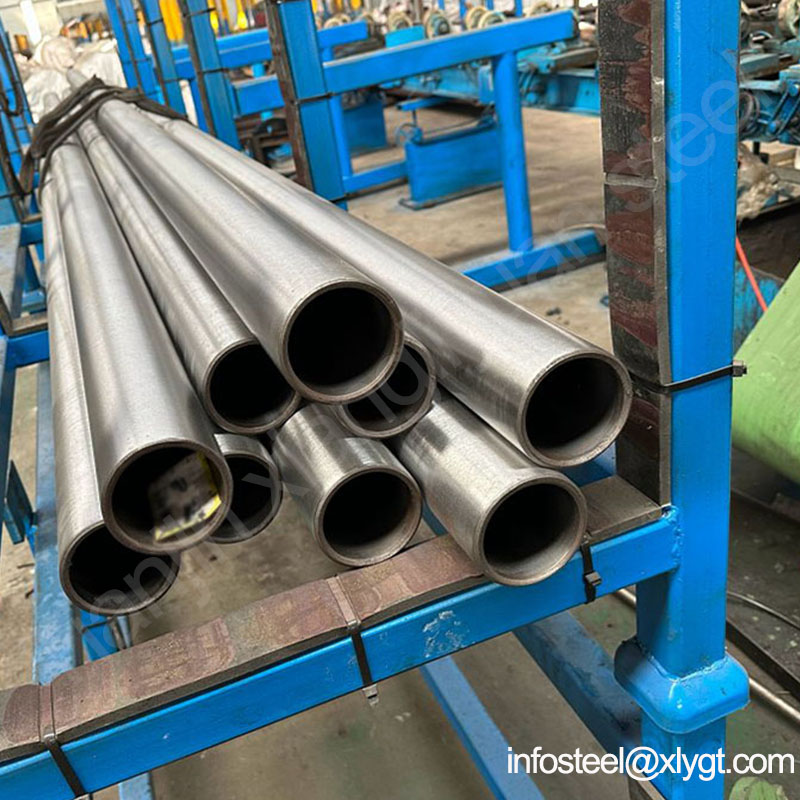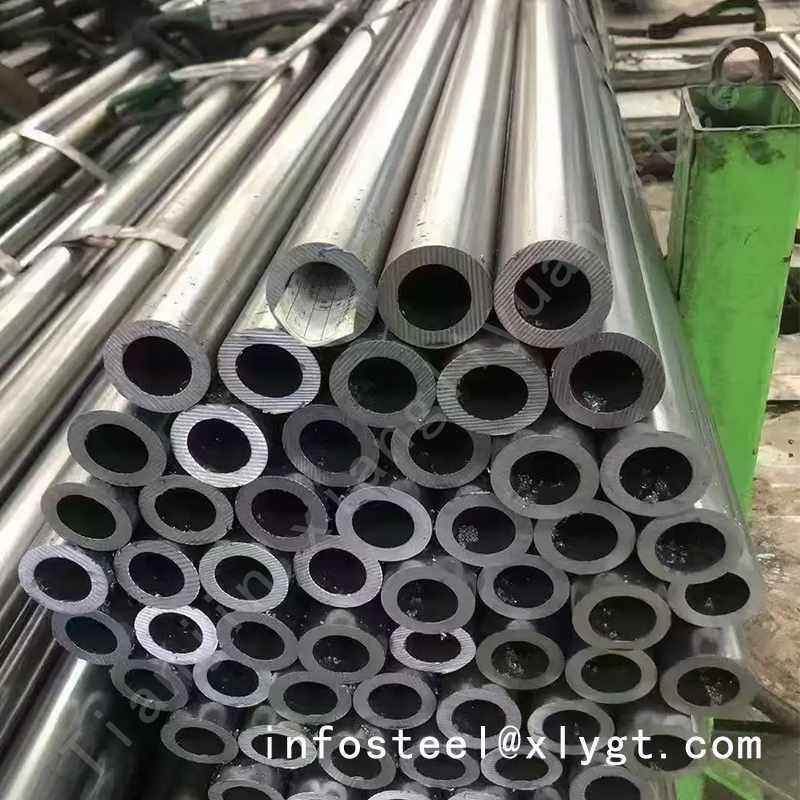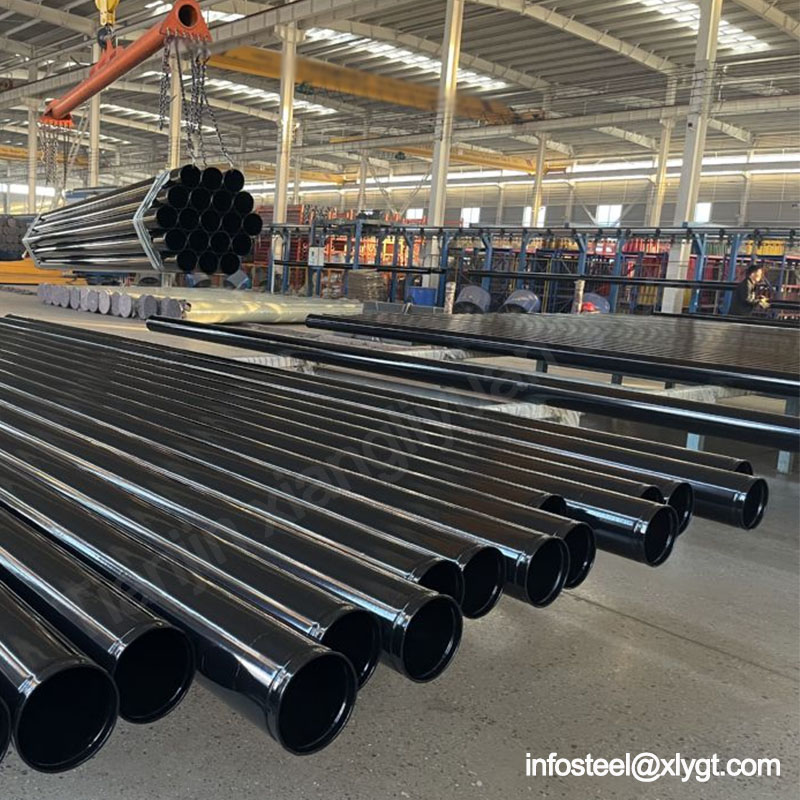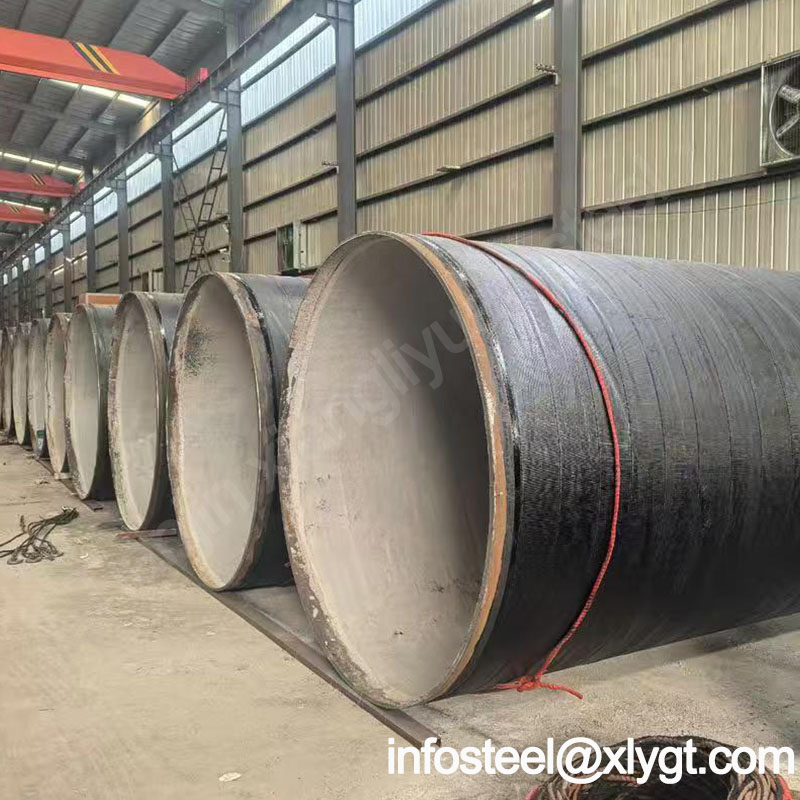
While large-diameter pipes form the backbone of global infrastructure, a different world of carbon steel tubing exists—one where precision, consistency, and flawless performance are paramount. In the realm of advanced machinery, automotive systems, and precision instruments, the unsung heroes are high-quality, cold-drawn carbon steel tubes. These are not merely conduits for fluids; they are critical structural and functional components where a micron-level deviation can mean the difference between success and failure.
At Tianjin Xiangliyuan Steel, our expertise extends deep into this high-precision manufacturing domain. We produce carbon steel tubes that power innovation in automation, transportation, and robotics. This article explores the critical types of precision mechanical tubes and why they are the engineer’s first choice for demanding dynamic applications.
1. The Pinnacle of Precision: CDS & DOM Tubes Revisited
In our previous article, we introduced DOM (Drawn Over Mandrel) tubing. Here, we delve deeper into the broader category of Cold Drawn Seamless (CDS) tubes and their superiority in mechanical applications.
What are they? Both CDS and DOM tubes start as a seamless or welded mother tube, which is then cold-drawn through a die and over a mandrel. This cold-working process refines the grain structure, drastically improves surface finish, and brings dimensional tolerances to an exceptional level.
CDS (Cold Drawn Seamless): Starts from a seamless mother tube, resulting in a product with uniform grain structure and high strength in all directions.
DOM (Drawn Over Mandrel): Often starts from an ERW tube. The drawing process virtually eliminates the weld seam, creating a tube with properties rivaling seamless.
Key Advantages for Mechanical Use:
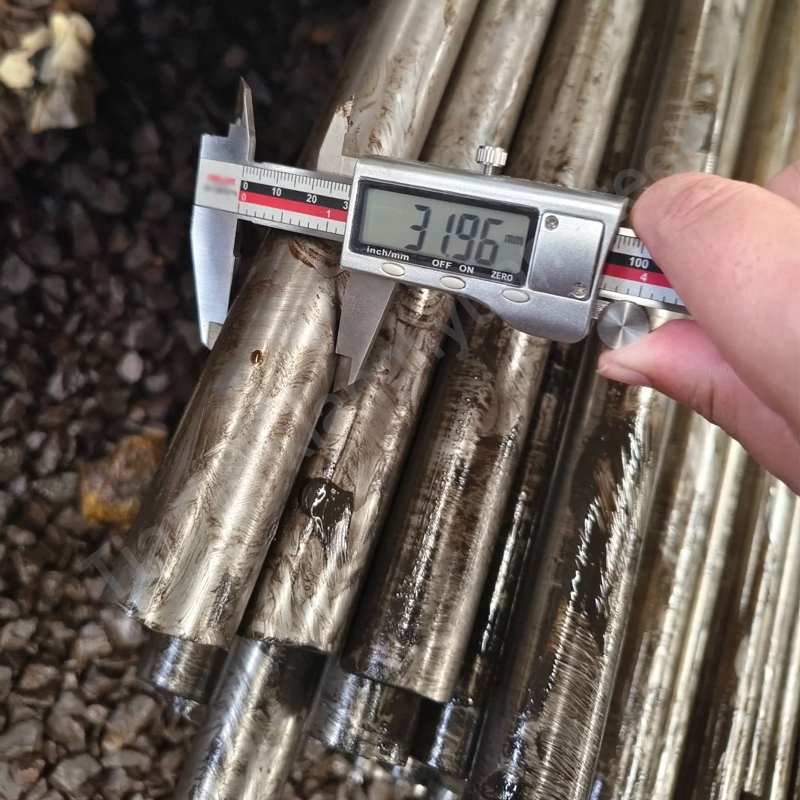
Tight Dimensional Tolerances: Perfect for machining and assembly, ensuring a perfect fit for bearings, cylinders, and other components.
Superior Surface Finish: Reduces friction, improves seal performance, and is ideal for plating or painting without extensive preparation.
Enhanced Strength and Hardness: The cold-drawing process increases yield strength, making the tube stronger than hot-finished equivalents.
Excellent Concentricity: Uniform wall thickness is critical for rotating parts and high-pressure applications.
2. Hydraulic and Pneumatic Cylinder Tubes: The Core of Linear Motion
This is one of the most demanding applications for precision carbon steel tubes. The tube itself becomes the cylinder barrel, housing the piston and containing high-pressure fluid.
What are they? These are CDS or DOM tubes manufactured to extremely tight tolerances on the inner diameter (ID) surface finish and hardness. They are often honed to a mirror-like finish.
Key Characteristics:
Superior ID Surface Finish: A smooth, honed ID (often to Ra ≤ 0.4 µm) is essential to prevent wear on seals and pistons, ensuring long service life and leak-free operation.
Specific Hardness Requirements: Typically hardened and tempered to a range of HB 180-240 to resist wear from the piston rings while remaining machinable for port welding.
Straightness and Roundness: Critical to prevent binding and uneven wear in the cylinder assembly.
Common Standards:
ISO 4394 / DIN 2391: European standards defining dimensions, tolerances, and technical delivery conditions for precision steel tubes.
ASTM A519: Covers seamless and welded carbon and alloy steel mechanical tubing, which serves as a base material for cylinder tubes.
3. Mechanical Tubing for Shafting and Axles: Strength Where it Counts
Precision steel tubes are increasingly replacing solid bar stock for applications like rotating shafts, axles, and lead screws, offering a superior strength-to-weight ratio.
What is it? These are hollow bars or thick-walled precision tubes designed to transmit torque and handle high torsional and bending stresses.
Key Advantages over Solid Bar:
Weight Reduction: Reduces the overall weight of the machinery, leading to energy savings and higher operating speeds.
Material and Cost Efficiency: Uses less steel, which can lead to significant cost savings, especially in larger diameters.
Design Flexibility: The hollow center can be used to route wires, lubricants, or other components.
Common Applications:
Drive Shafts and Power Transmission Axles.
Rollers and Conveyor Systems.
Robotic Arms and Linear Actuators.
4. Bearing and Bushing Tubes: The Foundation of Rotation
For the housings of bearings and bushings, the quality of the tube is non-negotiable. It must provide a perfect, stable, and wear-resistant seat.
What is it? These are precision tubes with a consistent ID that serves as the raceway for bearings or the housing for a bushing.
Key Characteristics:
Exceptional ID Dimensional Stability: Must maintain its precise circular shape under load.
Good Hardness and Wear Resistance: To withstand the constant friction and load from the rotating element.
Common Applications:
Bearing Housings and Races.
Bushing Sleeves in automotive and industrial equipment.
Gear and Sprocket Hubs.
5. Choosing the Right Precision Tube: A Technical Checklist
Selecting the right tube requires careful consideration of the application’s demands:
For High-Pressure Hydraulic Cylinders: Choose Honned CDS/DOM Tubes with a specified ID surface finish and hardness.
For Rotating Shafts and Axles: Choose CDS Mechanical Tubing (ASTM A519) with a focus on tensile strength and straightness.
For General Precision Bushings and Components: Choose DOM Tubing for an excellent balance of precision and cost-effectiveness.
Key Questions to Ask:
What are the required OD and ID tolerances?
What is the maximum surface roughness (Ra) allowed on the ID and OD?
What are the mechanical property requirements (Yield Strength, Tensile Strength, Hardness)?
Is the tube for static, dynamic, or rotating service?
Why Tianjin Xiangliyuan Steel is Your Source for Precision Motion Components
Moving from large-scale pipe production to high-precision tubing requires specialized technology and a quality-first mindset—a challenge we have successfully met.
Advanced Cold-Drawing Technology: Our state-of-the-art cold draw benches and mandrels allow us to produce tubes with exceptional dimensional accuracy and surface quality.
Precision Finishing Processes: We offer honing, polishing, and grinding to meet the most stringent surface finish requirements for hydraulic and pneumatic applications.
Rigorous Metrology and Inspection: We utilize laser micrometers, ultrasonic wall thickness gauges, and surface profilometers to ensure every batch meets the specified tolerances and finish standards.
Deep Understanding of Mechanical Applications: Our technical team can advise on the most suitable grade and manufacturing process for your specific component, helping you optimize performance and cost.
Power the Future of Machinery with Our Precision Tubes
In the automated and high-tech world, the efficiency and reliability of machinery depend on the quality of its most fundamental components. By choosing the right precision carbon steel tube, you design in durability, efficiency, and performance from the ground up.
Tianjin Xiangliyuan Steel is your trusted partner to supply the high-integrity precision tubes that your innovative designs demand. Let us be the foundation for your next breakthrough in machinery and automation.
Contact us today to discuss your technical specifications for precision mechanical tubing, hydraulic cylinder tubes, or hollow bars. Request your custom quote and see how our precision can drive your success.