Selecting the appropriate steel pipe is a critical engineering decision that directly impacts project safety, longevity, and cost-efficiency. With numerous grades, manufacturing methods, and international standards available, procurement teams and engineers must navigate complex technical specifications to ensure optimal performance. This comprehensive guide provides a
The Critical Role of Material Toughness in Pipeline Integrity In the global oil and gas industry, pipeline failures can result in catastrophic environmental disasters, substantial financial losses, and threats to human safety. While tensile strength and yield strength often receive significant attention during material selection,
Selecting the right structural steel pipe specification is critical for ensuring structural integrity, cost-efficiency, and regulatory compliance in construction projects worldwide. This comprehensive guide compares the three dominant standards—ASTM A500, ASTM A1085, and EN 10210—to help engineers, procurement managers, and contractors make informed decisions. The
In the global oil and gas infrastructure sector, pipeline integrity represents both an engineering challenge and a critical investment decision. External corrosion protection through advanced coating systems extends pipeline service life from 5–10 years to over 50 years, significantly reducing operational risks and total cost
In the global energy infrastructure landscape, the demand for low-temperature service pipes has reached unprecedented levels. As oil and gas exploration expands into Arctic regions and cryogenic applications become increasingly prevalent across industries, the need for specialized piping solutions that maintain structural integrity in extreme
The Critical Role of Chrome-Moly Alloy Steel Pipes in Modern Industry In the demanding world of high-temperature and high-pressure industrial applications, material selection directly determines operational safety, efficiency, and long-term cost-effectiveness. ASTM A335 seamless ferritic alloy steel pipes represent the gold standard for critical service
Why Steel Pipe Piles Dominate Modern Deep Foundation Engineering In contemporary civil engineering and infrastructure development, steel pipe piles have emerged as the cornerstone of deep foundation solutions. These cylindrical hollow steel structures provide exceptional load-bearing capacity, versatility across soil conditions, and rapid installation capabilities
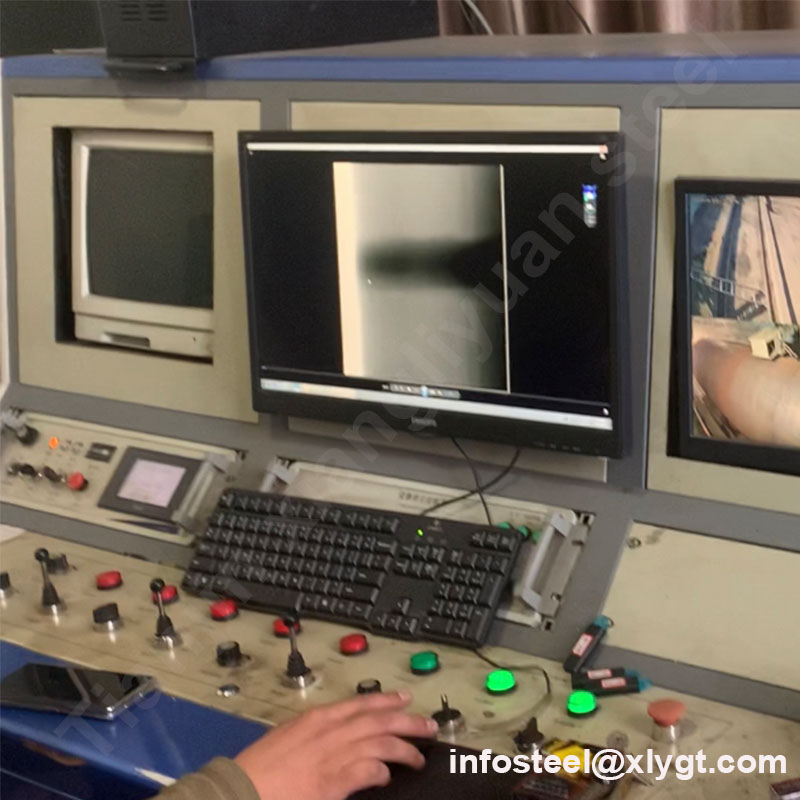
Why Steel Pipe Testing Matters In the global infrastructure landscape, steel pipes serve as the backbone of critical applications—from oil and gas transmission lines to power generation facilities, chemical processing plants, and structural frameworks. The integrity of these pipes directly impacts operational safety, environmental protection,
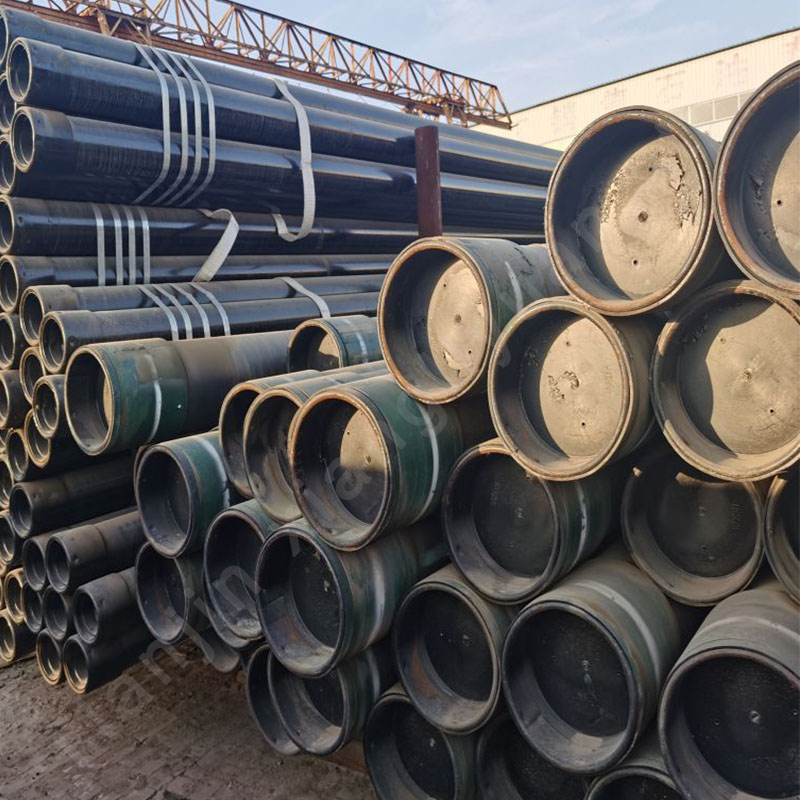
Oil Country Tubular Goods (OCTG) represent the backbone of global oil and gas exploration, forming the critical infrastructure that enables safe and efficient hydrocarbon extraction from the world's most challenging reservoirs. As drilling operations expand across shale formations, deep-water fields, and high-pressure high-temperature (HPHT) environments,
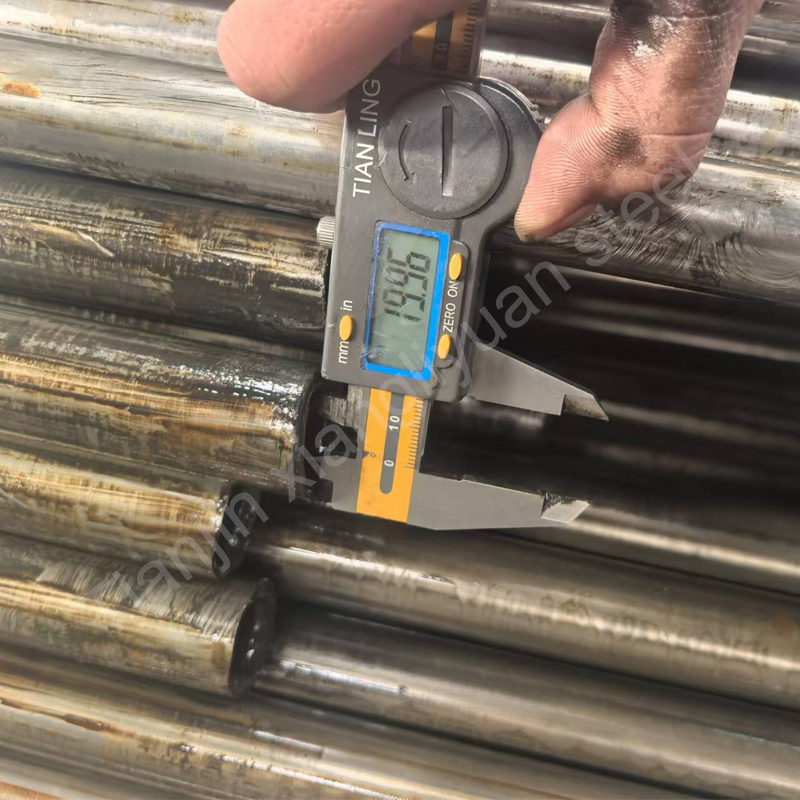
Why Tolerances Define Quality in Steel Pipe Supply In the global steel pipe industry, dimensional tolerances are not merely technical footnotes—they are the critical parameters that determine whether a pipeline installation succeeds or fails, whether a pressure vessel operates safely for decades or requires premature

Social Media
contact us today
our location
Company Address
2-1-601, Qingdayuan, southwest of the intersection of Shuangjiang Road and Longxing Road, Shuangjie Town, Beichen District, Tianjin
©COPYRIGHT 2012 - 2026 | seamless pipe | Galvanized Steel Pipe | Pipe fitting | Other steel pipes | Carbon steel coil/strip | Galvanized steel coil/strip | PPGI | Carbon steel sheet/plate | Galvanized steel sheet/plate | per-painted steel sheet/plate | steel bar/rod | Carbon steel wire | Galvanized steel wire | steel rail | Channel | Angle | H/I beam | Flat steel | Other profile steel | Advanced Small Grouting Catheter For Tunnel | Hollow Grouting Anchors | Rebar