In the global energy infrastructure landscape, the demand for low-temperature service pipes has reached unprecedented levels. As oil and gas exploration expands into Arctic regions and cryogenic applications become increasingly prevalent across industries, the need for specialized piping solutions that maintain structural integrity in extreme
Why Steel Pipe Piles Dominate Modern Deep Foundation Engineering In contemporary civil engineering and infrastructure development, steel pipe piles have emerged as the cornerstone of deep foundation solutions. These cylindrical hollow steel structures provide exceptional load-bearing capacity, versatility across soil conditions, and rapid installation capabilities
Why Steel Pipe Testing Matters In the global infrastructure landscape, steel pipes serve as the backbone of critical applications—from oil and gas transmission lines to power generation facilities, chemical processing plants, and structural frameworks. The integrity of these pipes directly impacts operational safety, environmental protection,
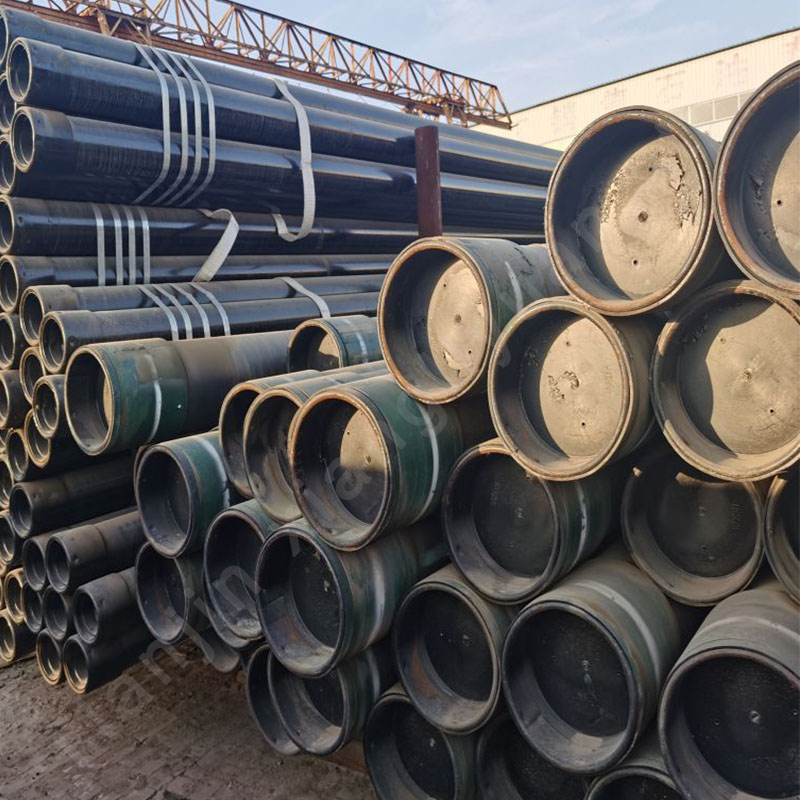
Oil Country Tubular Goods (OCTG) represent the backbone of global oil and gas exploration, forming the critical infrastructure that enables safe and efficient hydrocarbon extraction from the world's most challenging reservoirs. As drilling operations expand across shale formations, deep-water fields, and high-pressure high-temperature (HPHT) environments,
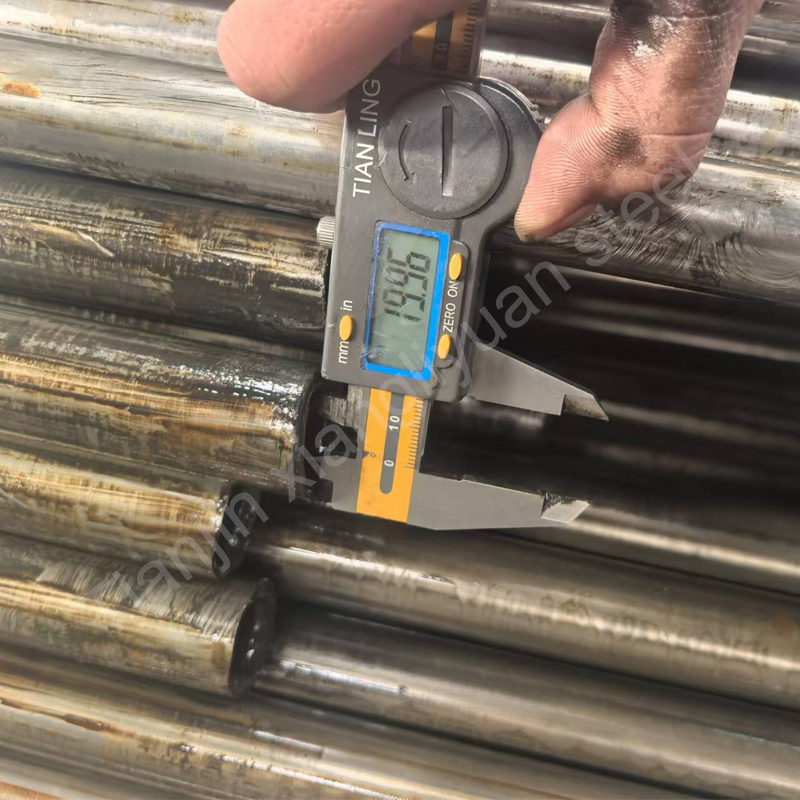
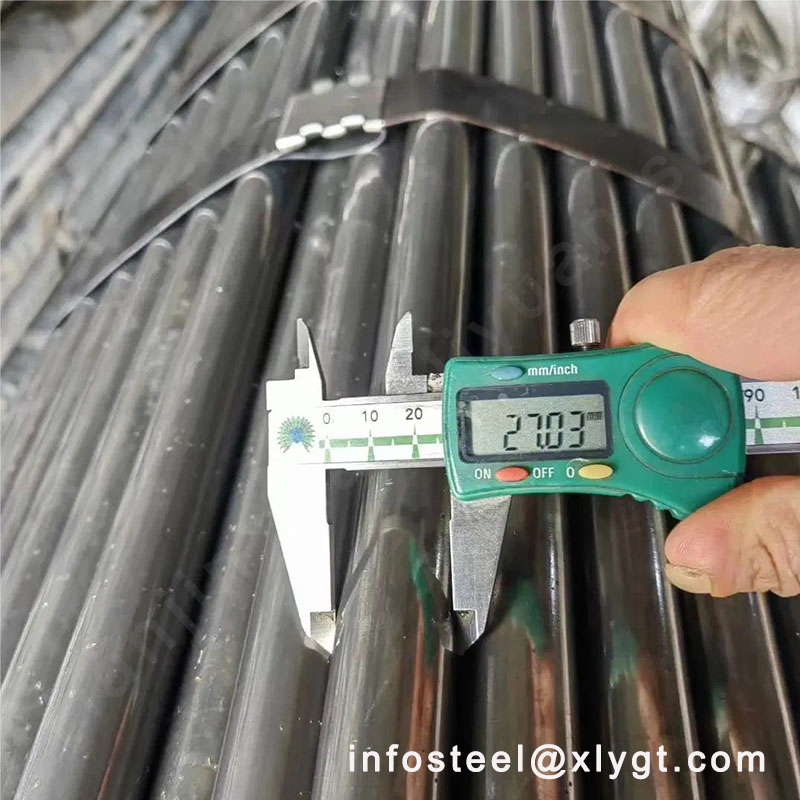
Why Tolerances Define Quality in Steel Pipe Supply In the global steel pipe industry, dimensional tolerances are not merely technical footnotes—they are the critical parameters that determine whether a pipeline installation succeeds or fails, whether a pressure vessel operates safely for decades or requires premature
In the global steel pipe industry, precise terminology is not merely academic—it directly impacts procurement decisions, engineering calculations, and project safety. Whether you are sourcing carbon steel seamless pipes for oil and gas transmission or ERW steel pipes for construction frameworks, understanding the distinction between
When sourcing seamless steel pipe, ERW pipe, or galvanized steel tube for critical infrastructure projects, procurement professionals know that documentation matters as much as the physical product. The Mill Test Certificate (MTC)—also called a Mill Test Report (MTR) or Material Test Report—serves as the birth
In the world of industrial construction, energy transmission, and infrastructure development, the humble steel pipe is a critical component. For project managers, engineers, and procurement specialists, selecting the right pipe is not just a matter of specification; it is a decision that impacts safety, budget,
If you work in the oil and gas industry, you've encountered API 5L. It's the specification that governs line pipe—the steel pipes that transport petroleum, natural gas, and water across continents, through deserts, over mountains, and beneath oceans. But within this single specification lies a
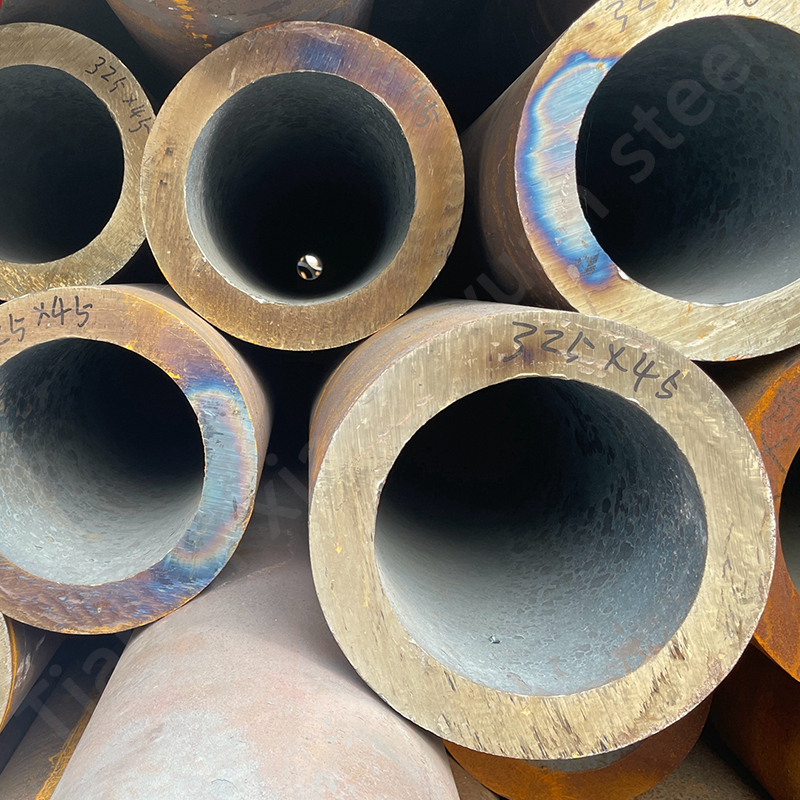
In the world of industrial piping, few specifications cause as much confusion as pipe schedule. Engineers, procurement professionals, and project managers regularly encounter terms like SCH 40, SCH 80, and SCH 160, but understanding what these designations actually mean—and how to select the appropriate wall
Social Media
contact us today
our location
Company Address
2-1-601, Qingdayuan, southwest of the intersection of Shuangjiang Road and Longxing Road, Shuangjie Town, Beichen District, Tianjin
©COPYRIGHT 2012 - 2026 | seamless pipe | Galvanized Steel Pipe | Pipe fitting | Other steel pipes | Carbon steel coil/strip | Galvanized steel coil/strip | PPGI | Carbon steel sheet/plate | Galvanized steel sheet/plate | per-painted steel sheet/plate | steel bar/rod | Carbon steel wire | Galvanized steel wire | steel rail | Channel | Angle | H/I beam | Flat steel | Other profile steel | Advanced Small Grouting Catheter For Tunnel | Hollow Grouting Anchors | Rebar