
Oil and gas line pipes are steel pipes specially used for transporting fluids such as oil and natural gas. As a key component for oil and gas transportation, it not only needs to withstand high pressure, corrosion, and low temperature, but also must meet the
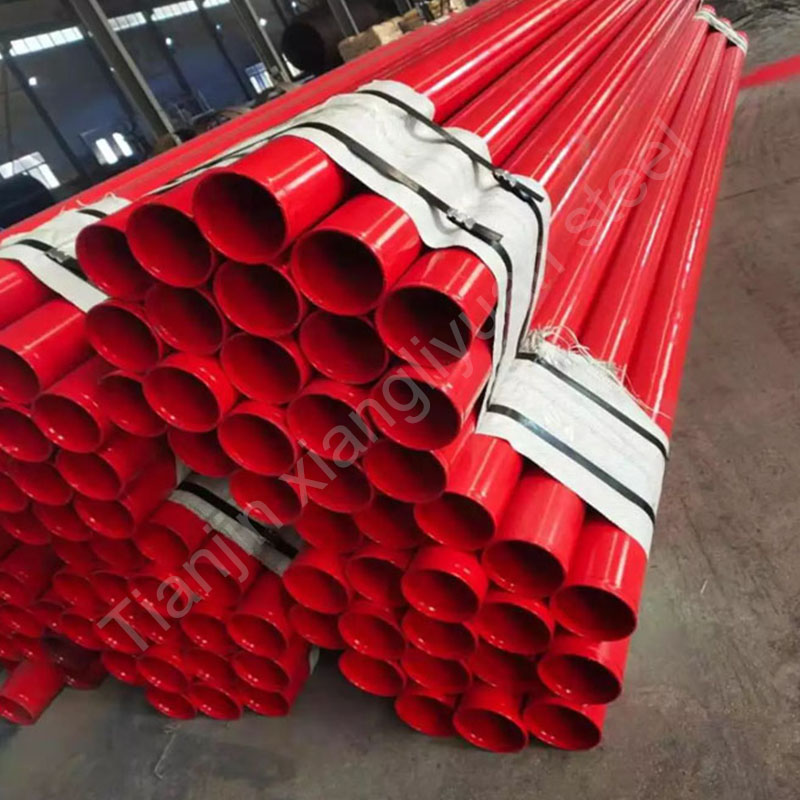
During the use of industrial carbon steel pipes, color marking is usually used to distinguish different media, pressure levels and uses. These color markings can improve work efficiency, reduce the risk of misoperation, and provide a basis for rapid identification in emergency situations. The following
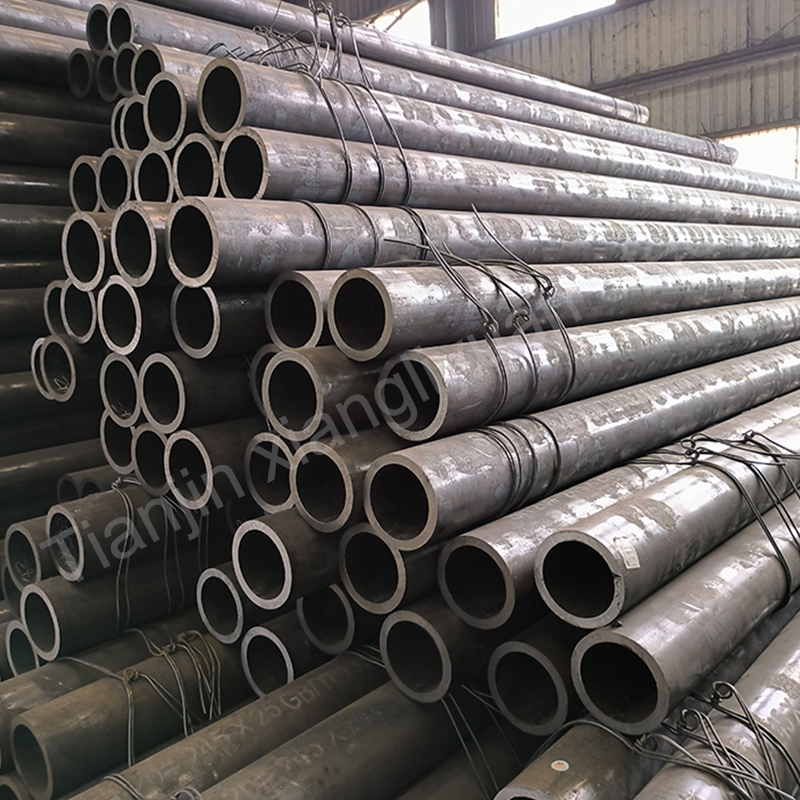
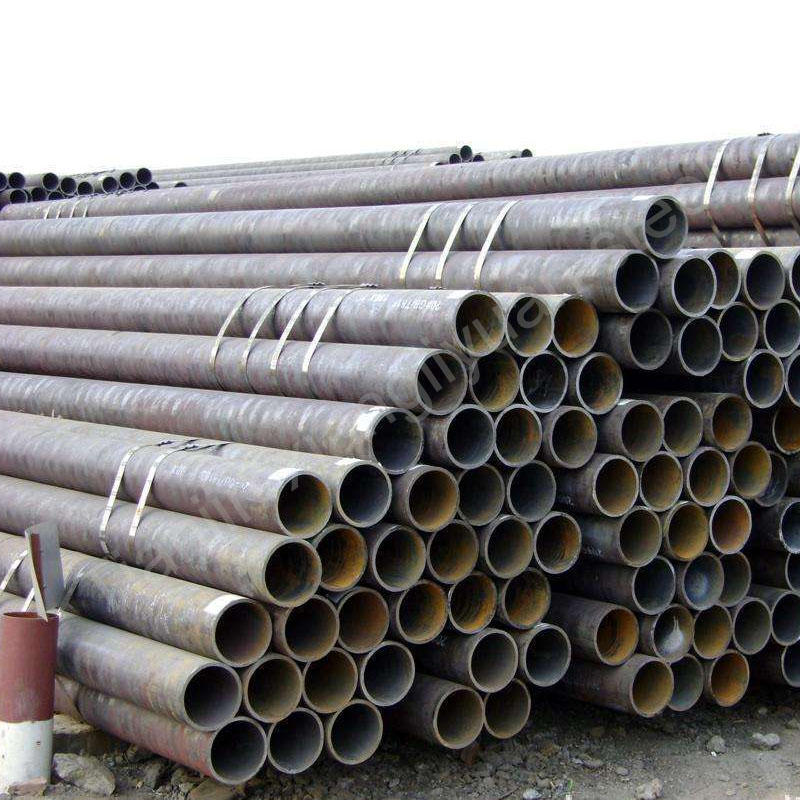
Seamless steel pipes have a variety of sizes and specifications. In order to meet the needs of different uses, there are usually multiple standard ranges in terms of outer diameter, wall thickness and length. 1. Common outer diameter range Small diameter seamless steel pipe: outer
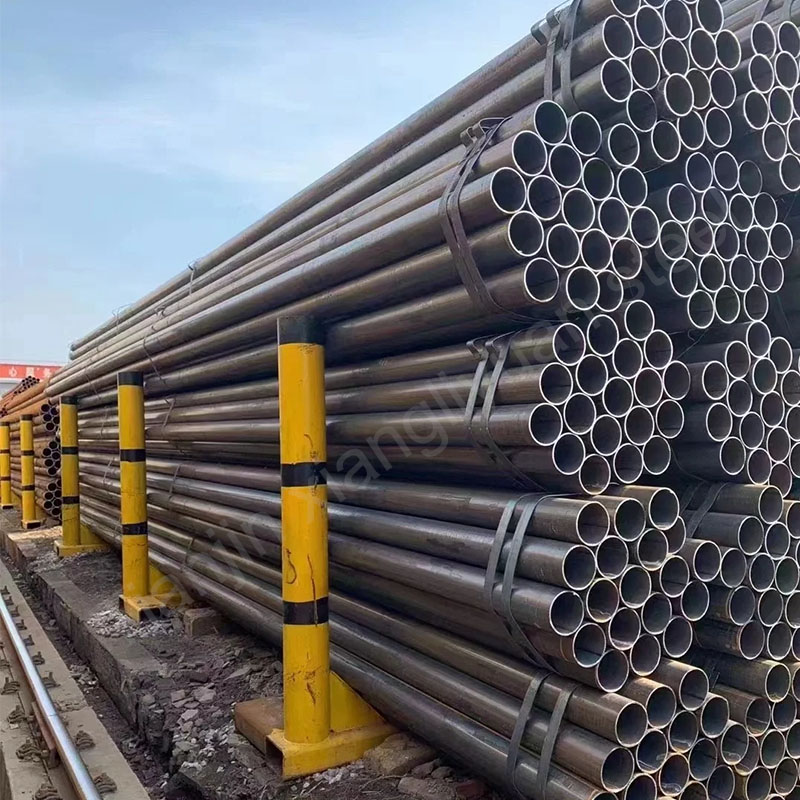
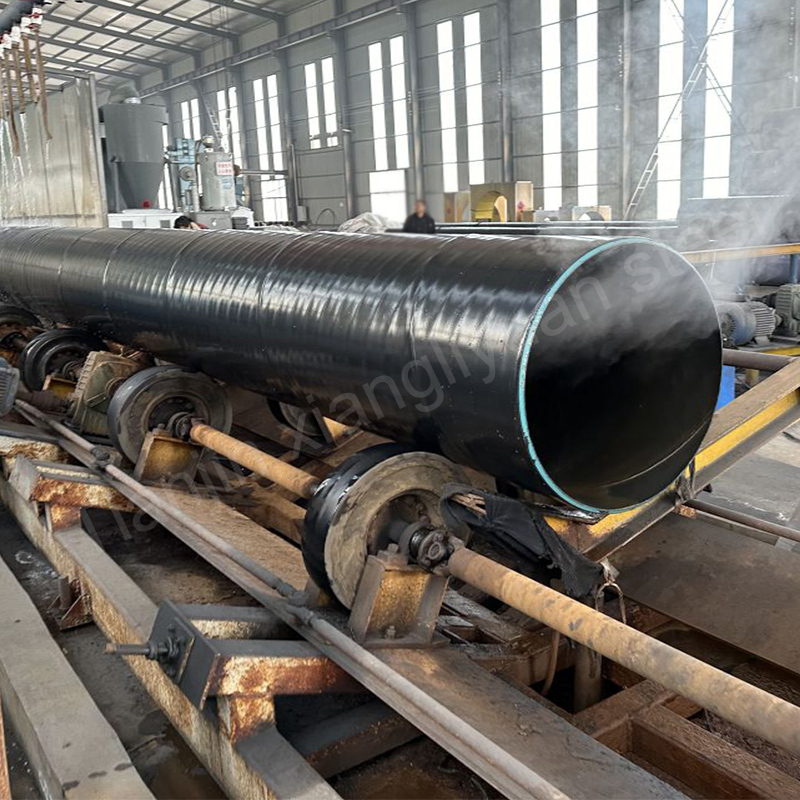
Carbon steel pipes are widely used in the fields of oil, natural gas, chemical industry, electric power, etc., and are often in harsh environments such as humidity, corrosive gases, groundwater, etc. In such an environment, carbon steel pipes are susceptible to corrosion, which shortens their
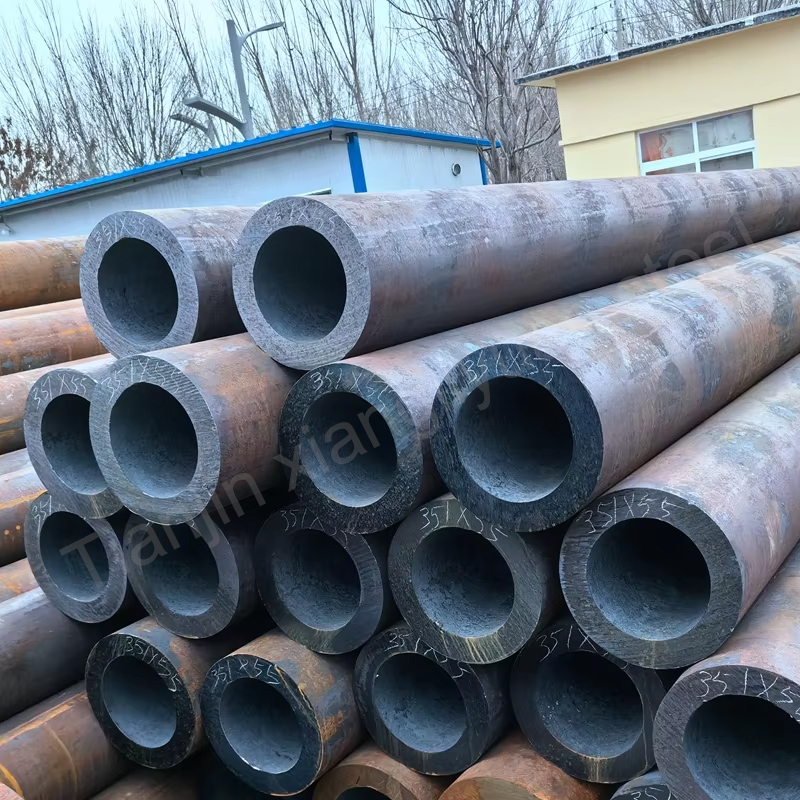
Seamless pipe is an important pipe widely used in various industrial and engineering fields. Its excellent performance makes it outstanding in pressure bearing and corrosion resistance. The diameter and wall thickness of seamless pipe are important parameters that determine its application range and applicable scenarios.
In the past month, China's steel industry has received a series of good news, especially in terms of rising billet prices, steady growth in steel pipe exports, and positive signs in future steel pipe price forecasts. 1. Billet price trend Since September, China's billet market
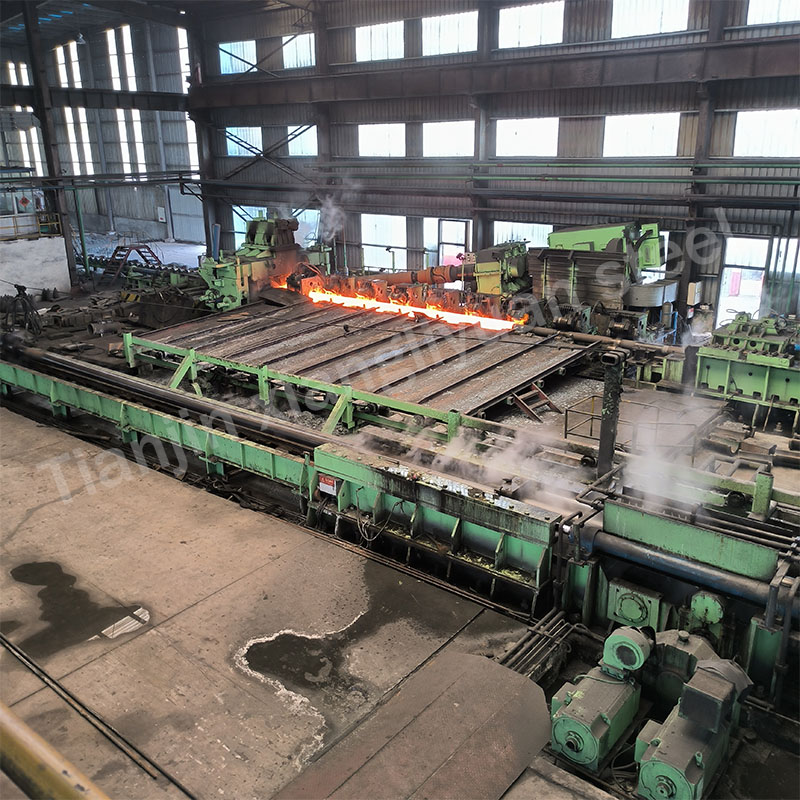
Seamless steel pipes can be divided into the following categories according to different manufacturing processes, materials and uses: 1. Classification by production process Hot-rolled seamless steel pipe: produced by high-temperature rolling, suitable for high strength and high toughness requirements, widely used in machinery, construction, oil
JIS (Japanese Industrial Standards) provides systematic guidance for the production and application of steel pipes. JIS covers steel pipes made of a variety of materials, including carbon steel, stainless steel, alloy steel, etc. Each material is classified into different steel grades according to its chemical
ASTM (American Society for Testing and Materials) standards are widely used internationally, covering the chemical composition, mechanical properties, manufacturing process and other requirements of various materials. In the field of steel pipes, ASTM standards have specific specifications for different types of steel pipes. The following
API Standard is an industry standard developed by the American Petroleum Institute (API) and is widely used in the oil and gas industry. API Standard covers all aspects from exploration, production, processing to transportation and sales, ensuring the safety, reliability and compatibility of equipment and


Social Media
contact us today
our location
Company Address
2-1-601, Qingdayuan, southwest of the intersection of Shuangjiang Road and Longxing Road, Shuangjie Town, Beichen District, Tianjin
©COPYRIGHT 2012 - 2026 | seamless pipe | Galvanized Steel Pipe | Pipe fitting | Other steel pipes | Carbon steel coil/strip | Galvanized steel coil/strip | PPGI | Carbon steel sheet/plate | Galvanized steel sheet/plate | per-painted steel sheet/plate | steel bar/rod | Carbon steel wire | Galvanized steel wire | steel rail | Channel | Angle | H/I beam | Flat steel | Other profile steel | Advanced Small Grouting Catheter For Tunnel | Hollow Grouting Anchors | Rebar