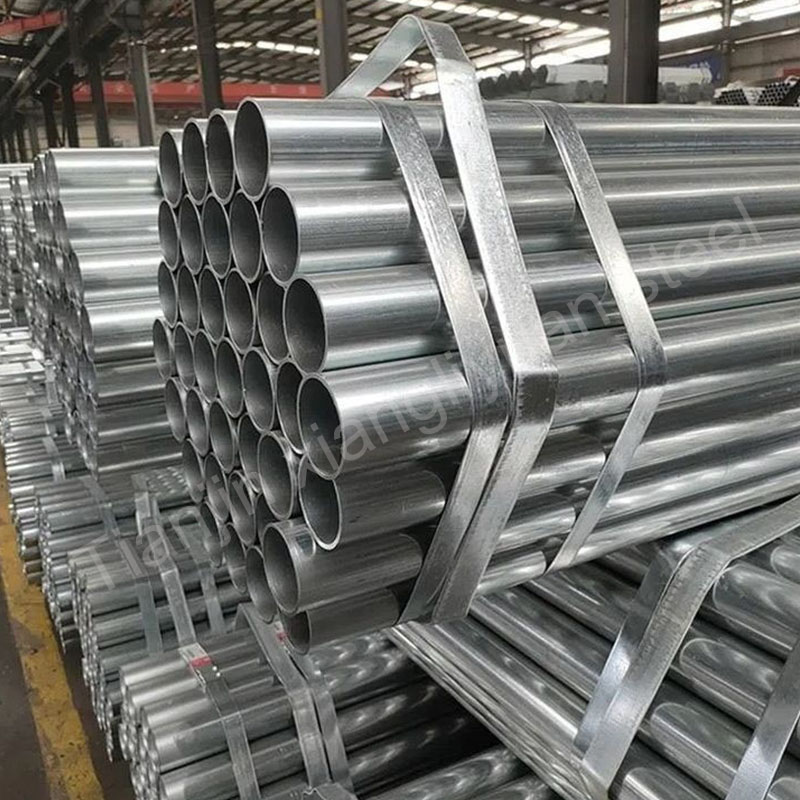
Pre-galvanized steel pipe and hot-dip galvanized steel pipe are two common types of steel pipes. They are both treated with galvanizing process to improve the corrosion resistance and service life of steel pipes. Although both are galvanized steel pipes, there are obvious differences in production
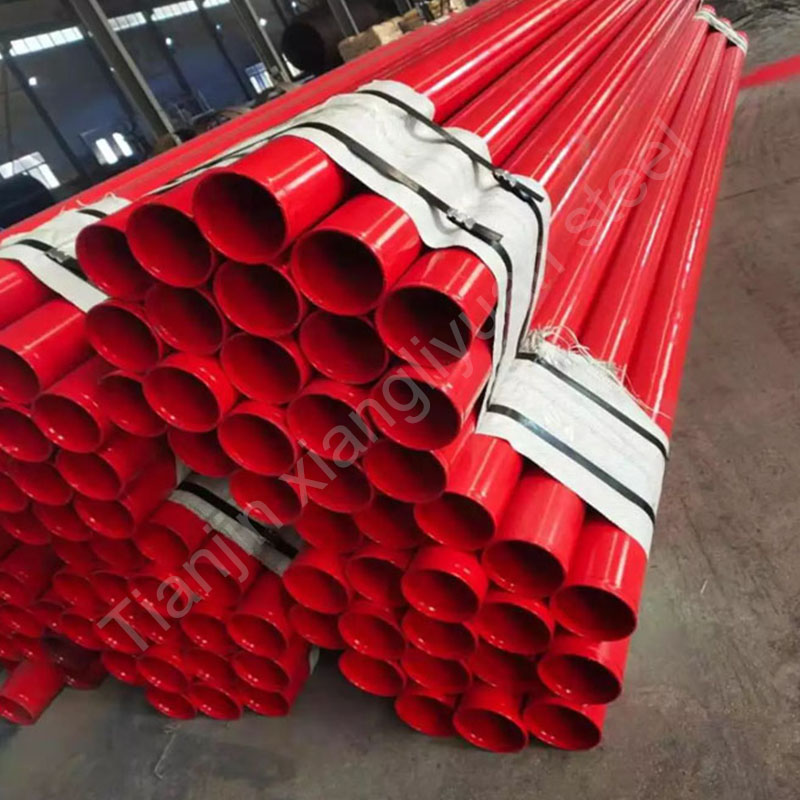
During the use of industrial carbon steel pipes, color marking is usually used to distinguish different media, pressure levels and uses. These color markings can improve work efficiency, reduce the risk of misoperation, and provide a basis for rapid identification in emergency situations. The following
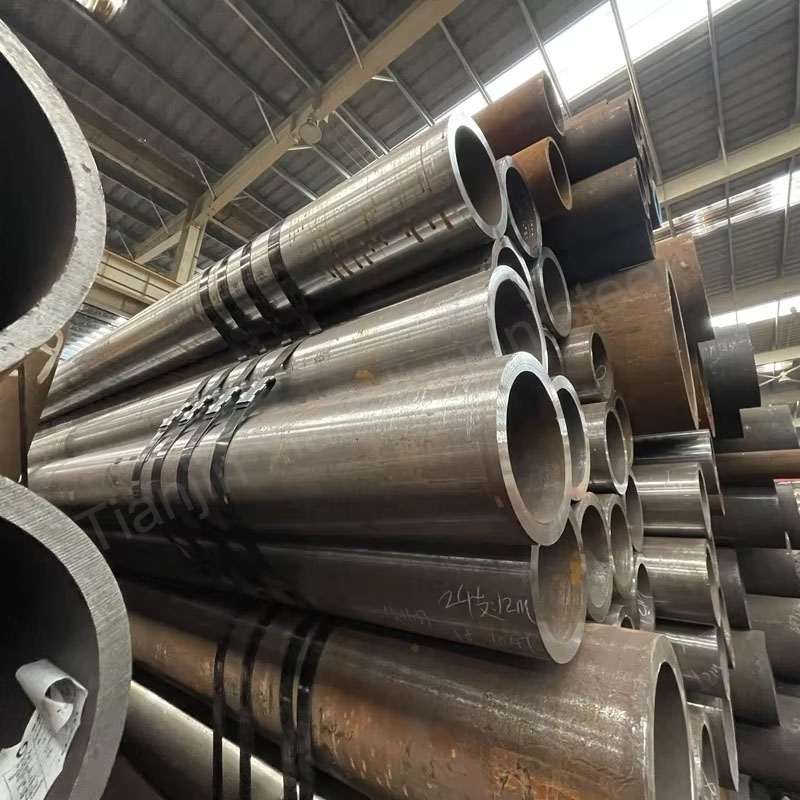
In the production process of carbon steel pipes, hot rolling and cold drawing are two common processes. There are significant differences between the two in production process, product performance and applicable occasions, and each has its own advantages and disadvantages and application fields. 1. Hot
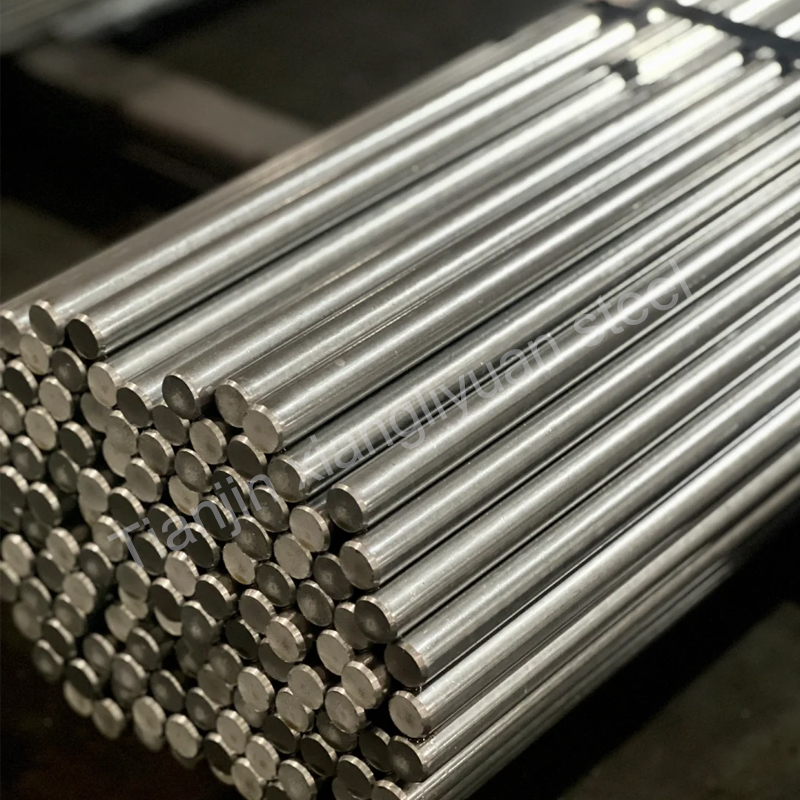
45# Steel is a high-quality carbon structural steel with the following characteristics: 1. Good comprehensive mechanical properties: It has a certain balance of strength, hardness, toughness and plasticity. 2. Good machinability: It is relatively easy to perform cutting, forging, welding and other processing operations. 3.
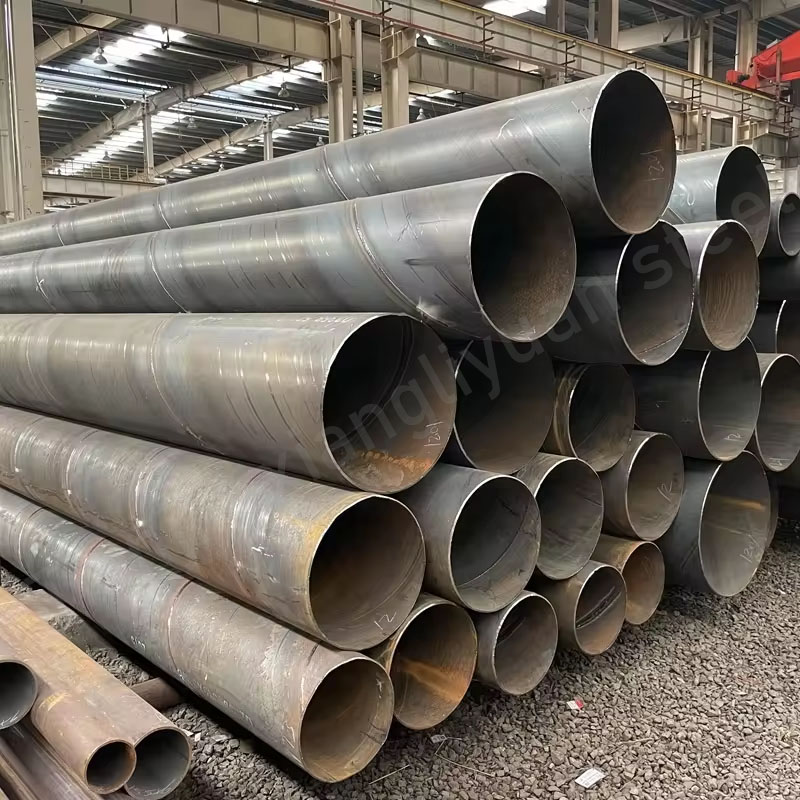
The standards for welded steel pipes cover the respective specifications of different regions and countries to ensure the quality, safety and performance of the products. These standards are applied in major markets such as China, the United States, Europe and Japan. The following are common
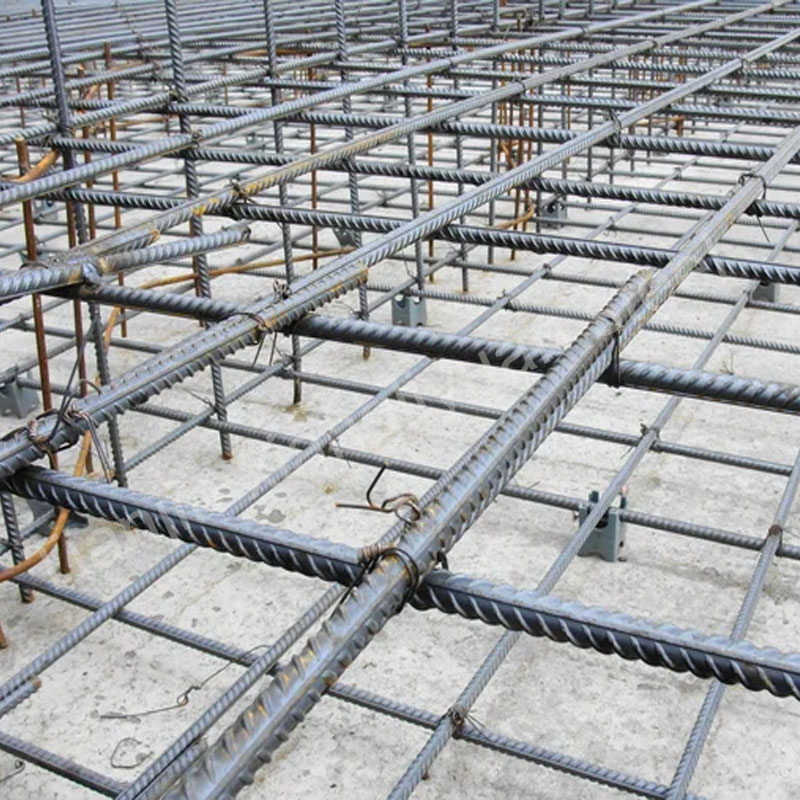
Rebar is a kind of steel bar with longitudinal and transverse ribs, which is often used in reinforced concrete structures to enhance the tensile strength of concrete structures. Due to the ribs on its surface, rebar has a stronger bonding ability with concrete and can
The American Iron and Steel Institute (AISI) is an association of North American steel producers. AISI standards are mainly used to identify and classify steel, especially the chemical composition and mechanical properties of steel. The AISI system represents different steel grades, such as carbon steel,
DIN standard (Deutsches Institut für Normung, German Institute for Standardization) is a technical standard system for steel pipes and other materials in Germany. DIN standard is the national standard of Germany and is widely used in the manufacture of various materials and industrial products, including
JIS (Japanese Industrial Standards) provides systematic guidance for the production and application of steel pipes. JIS covers steel pipes made of a variety of materials, including carbon steel, stainless steel, alloy steel, etc. Each material is classified into different steel grades according to its chemical
ASTM (American Society for Testing and Materials) standards are widely used internationally, covering the chemical composition, mechanical properties, manufacturing process and other requirements of various materials. In the field of steel pipes, ASTM standards have specific specifications for different types of steel pipes. The following



Social Media
contact us today
our location
Company Address
2-1-601, Qingdayuan, southwest of the intersection of Shuangjiang Road and Longxing Road, Shuangjie Town, Beichen District, Tianjin
©COPYRIGHT 2012 - 2026 | seamless pipe | Galvanized Steel Pipe | Pipe fitting | Other steel pipes | Carbon steel coil/strip | Galvanized steel coil/strip | PPGI | Carbon steel sheet/plate | Galvanized steel sheet/plate | per-painted steel sheet/plate | steel bar/rod | Carbon steel wire | Galvanized steel wire | steel rail | Channel | Angle | H/I beam | Flat steel | Other profile steel | Advanced Small Grouting Catheter For Tunnel | Hollow Grouting Anchors | Rebar