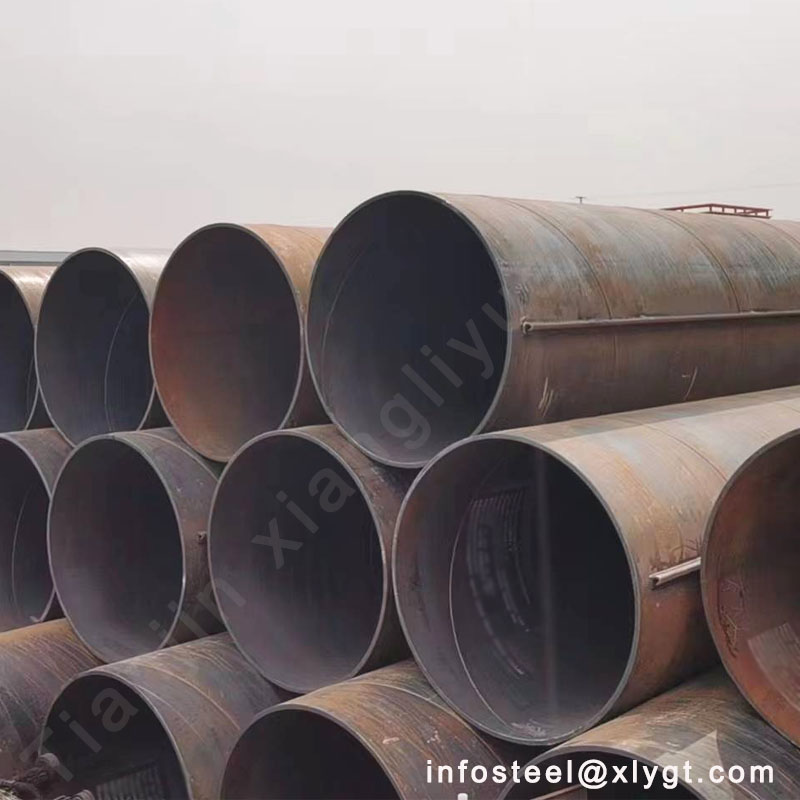
Why Steel Pipe Piles Dominate Modern Deep Foundation Engineering In contemporary civil engineering and infrastructure development, steel pipe piles have emerged as the cornerstone of deep foundation solutions. These cylindrical hollow steel structures provide exceptional load-bearing capacity, versatility across soil conditions, and rapid installation capabilities
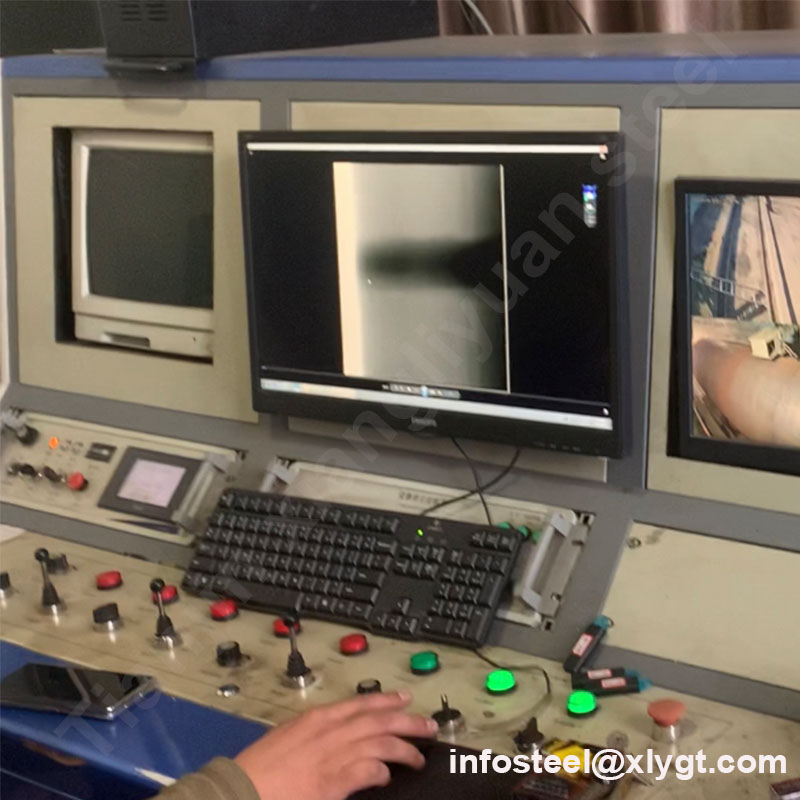
Why Steel Pipe Testing Matters In the global infrastructure landscape, steel pipes serve as the backbone of critical applications—from oil and gas transmission lines to power generation facilities, chemical processing plants, and structural frameworks. The integrity of these pipes directly impacts operational safety, environmental protection,
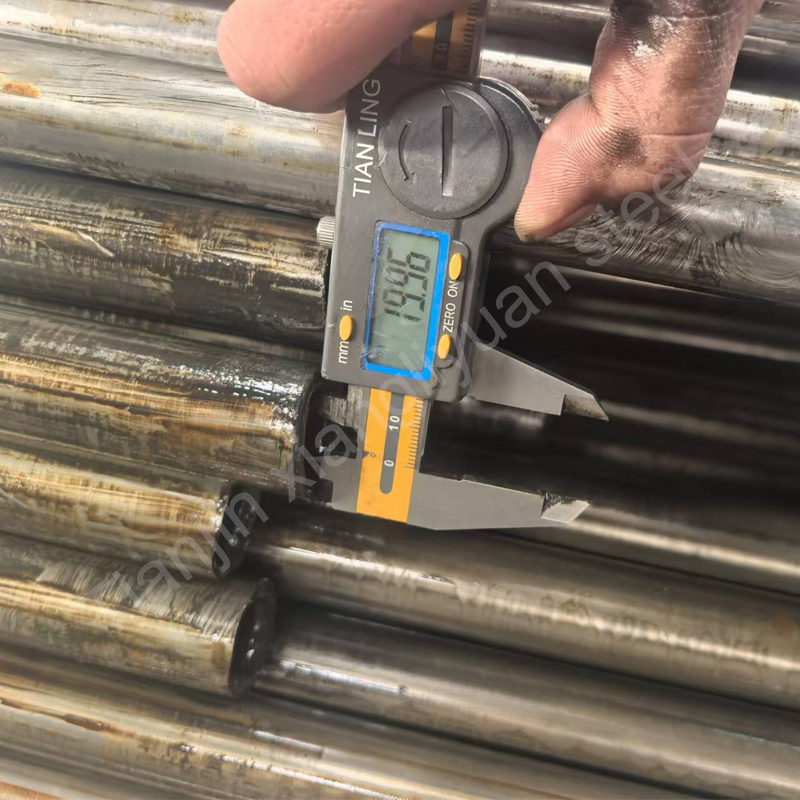
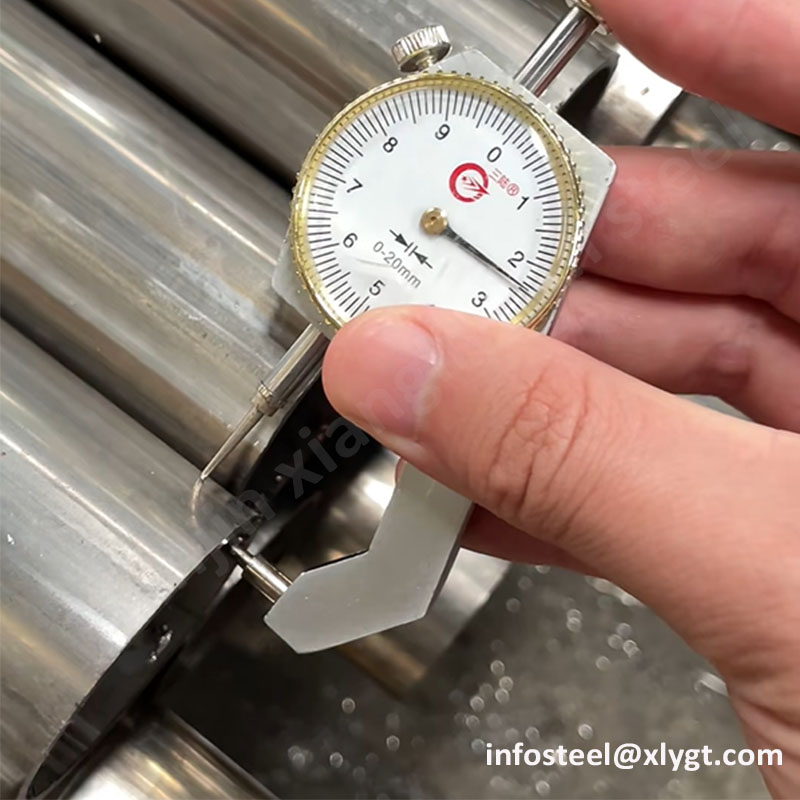
Why Tolerances Define Quality in Steel Pipe Supply In the global steel pipe industry, dimensional tolerances are not merely technical footnotes—they are the critical parameters that determine whether a pipeline installation succeeds or fails, whether a pressure vessel operates safely for decades or requires premature
In the global steel pipe industry, precise terminology is not merely academic—it directly impacts procurement decisions, engineering calculations, and project safety. Whether you are sourcing carbon steel seamless pipes for oil and gas transmission or ERW steel pipes for construction frameworks, understanding the distinction between
In the global industrial landscape, understanding steel pipe pressure ratings is fundamental to ensuring operational safety, regulatory compliance, and cost-effective procurement. Whether you're managing an oil refinery in Houston, a chemical plant in Rotterdam, or a power station in Singapore, selecting the correct carbon steel
When sourcing seamless steel pipe, ERW pipe, or galvanized steel tube for critical infrastructure projects, procurement professionals know that documentation matters as much as the physical product. The Mill Test Certificate (MTC)—also called a Mill Test Report (MTR) or Material Test Report—serves as the birth
You've selected the right grade. You've specified the correct schedule. The metallurgy meets your requirements, and the heat treatment aligns with your application. Then the pipe arrives at your job site, and someone asks: "What do we do with these ends?" That question—how pipes connect
Walk through any steel pipe mill, and you'll hear the term "heat treatment" spoken with a certain reverence. It's not just another manufacturing step—it's where metallurgy transforms ordinary steel into something engineered for specific demands. Heat treatment can make a pipe soft and formable or
Standing in a pipe yard or scrolling through a supplier's catalog, the array of material options can feel overwhelming. Carbon steel, alloy steel, stainless steel—each category splits into countless grades, specifications, and variations. Choose wrong, and you might face corrosion failures, brittle fractures, budget overruns,
In the world of industrial piping, few specifications cause as much confusion as pipe schedule. Engineers, procurement professionals, and project managers regularly encounter terms like SCH 40, SCH 80, and SCH 160, but understanding what these designations actually mean—and how to select the appropriate wall

Social Media
contact us today
our location
Company Address
2-1-601, Qingdayuan, southwest of the intersection of Shuangjiang Road and Longxing Road, Shuangjie Town, Beichen District, Tianjin
©COPYRIGHT 2012 - 2026 | seamless pipe | Galvanized Steel Pipe | Pipe fitting | Other steel pipes | Carbon steel coil/strip | Galvanized steel coil/strip | PPGI | Carbon steel sheet/plate | Galvanized steel sheet/plate | per-painted steel sheet/plate | steel bar/rod | Carbon steel wire | Galvanized steel wire | steel rail | Channel | Angle | H/I beam | Flat steel | Other profile steel | Advanced Small Grouting Catheter For Tunnel | Hollow Grouting Anchors | Rebar