When sourcing seamless steel pipe, ERW pipe, or galvanized steel tube for critical infrastructure projects, procurement professionals know that documentation matters as much as the physical product. The Mill Test Certificate (MTC)—also called a Mill Test Report (MTR) or Material Test Report—serves as the birth
You've selected the right grade. You've specified the correct schedule. The metallurgy meets your requirements, and the heat treatment aligns with your application. Then the pipe arrives at your job site, and someone asks: "What do we do with these ends?" That question—how pipes connect
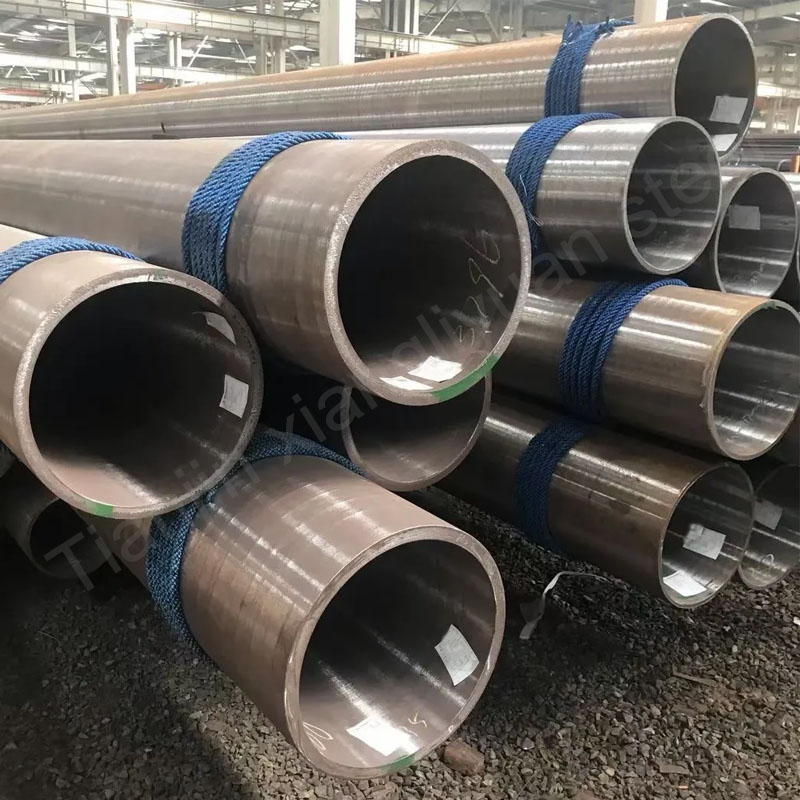
Walk through any steel pipe mill, and you'll hear the term "heat treatment" spoken with a certain reverence. It's not just another manufacturing step—it's where metallurgy transforms ordinary steel into something engineered for specific demands. Heat treatment can make a pipe soft and formable or
Standing in a pipe yard or scrolling through a supplier's catalog, the array of material options can feel overwhelming. Carbon steel, alloy steel, stainless steel—each category splits into countless grades, specifications, and variations. Choose wrong, and you might face corrosion failures, brittle fractures, budget overruns,
In the world of industrial piping, few specifications cause as much confusion as pipe schedule. Engineers, procurement professionals, and project managers regularly encounter terms like SCH 40, SCH 80, and SCH 160, but understanding what these designations actually mean—and how to select the appropriate wall
In the world of industrial manufacturing, quality is not merely a buzzword—it is the difference between a pipeline that operates safely for decades and one that fails catastrophically within years. For steel pipes, which often transport hazardous materials under extreme pressures or support massive structural
Corrosion has been the nemesis of steel infrastructure since the very first pipelines were laid. Often called the "silent thief," corrosion gradually, inexorably consumes metal, leading to wall thinning, leaks, structural failures, and ultimately, catastrophic environmental damage and financial loss. For industries reliant on steel
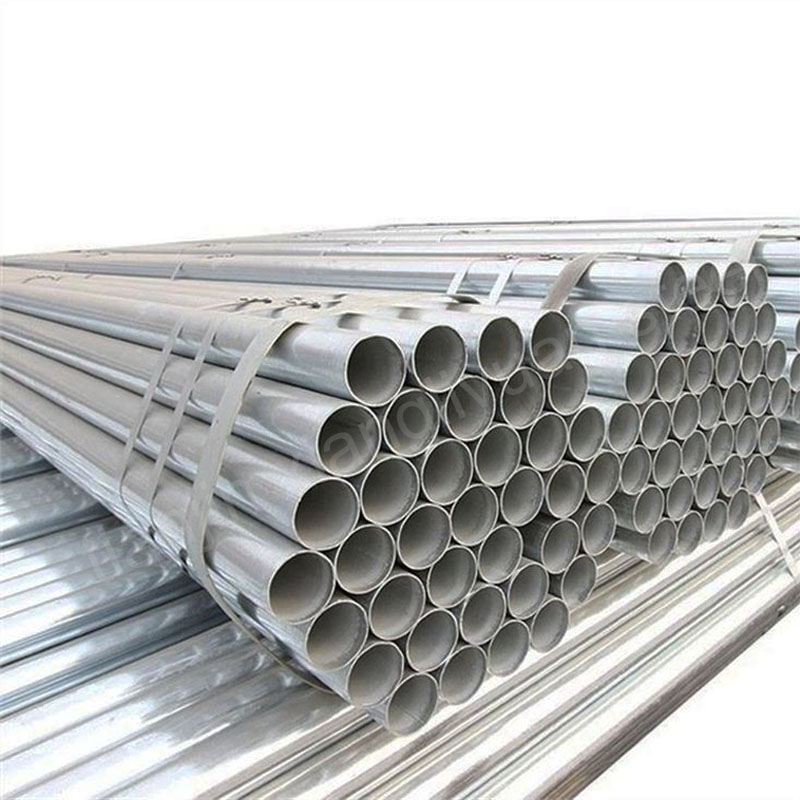
Galvanized steel pipes stand as a cornerstone of modern infrastructure, offering unparalleled corrosion resistance and longevity. The essential process of coating steel pipes with a protective layer of zinc safeguards them from the relentless attack of moisture, chemicals, and environmental elements. At Tianjin Xiangliyuan Steel
For engineers, procurement specialists, and project managers sourcing piping systems globally, material selection isn't just a choice – it's a critical determinant of project success, safety, and longevity. While carbon steel serves many applications, demanding environments require the enhanced properties offered by alloy steel pipes.
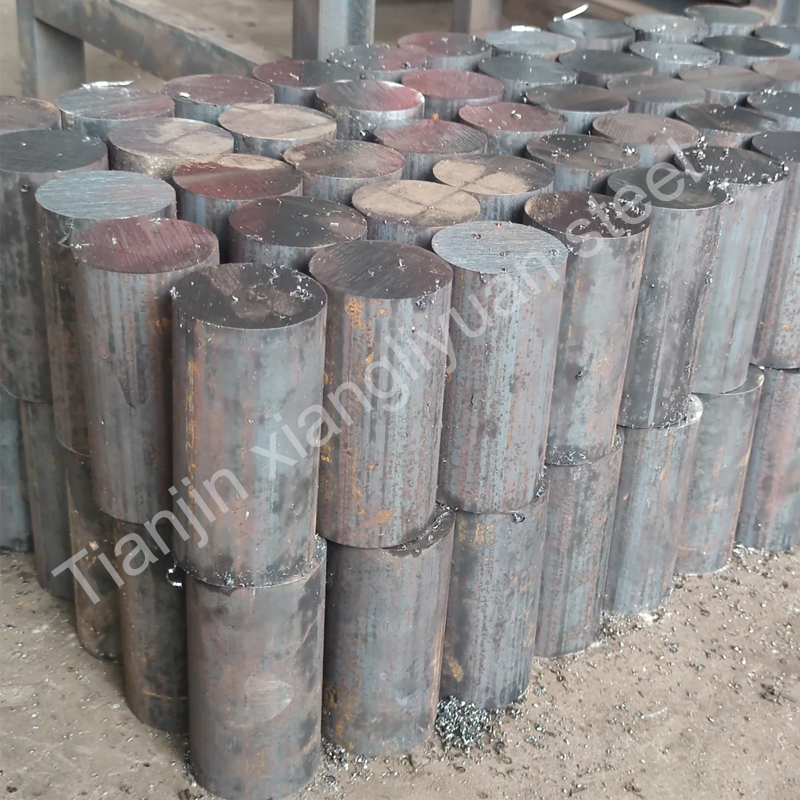
The following is a global carbon steel grade comparison and application guide clearly arranged by grade classification, covering China (GB), the United States (ASTM/SAE/UNS), Japan (JIS), Europe (EN/DIN), and international (ISO) standards and core application scenarios, and presented by steel type: 1. Ordinary carbon structural

Social Media
contact us today
our location
Company Address
2-1-601, Qingdayuan, southwest of the intersection of Shuangjiang Road and Longxing Road, Shuangjie Town, Beichen District, Tianjin
©COPYRIGHT 2012 - 2026 | seamless pipe | Galvanized Steel Pipe | Pipe fitting | Other steel pipes | Carbon steel coil/strip | Galvanized steel coil/strip | PPGI | Carbon steel sheet/plate | Galvanized steel sheet/plate | per-painted steel sheet/plate | steel bar/rod | Carbon steel wire | Galvanized steel wire | steel rail | Channel | Angle | H/I beam | Flat steel | Other profile steel | Advanced Small Grouting Catheter For Tunnel | Hollow Grouting Anchors | Rebar