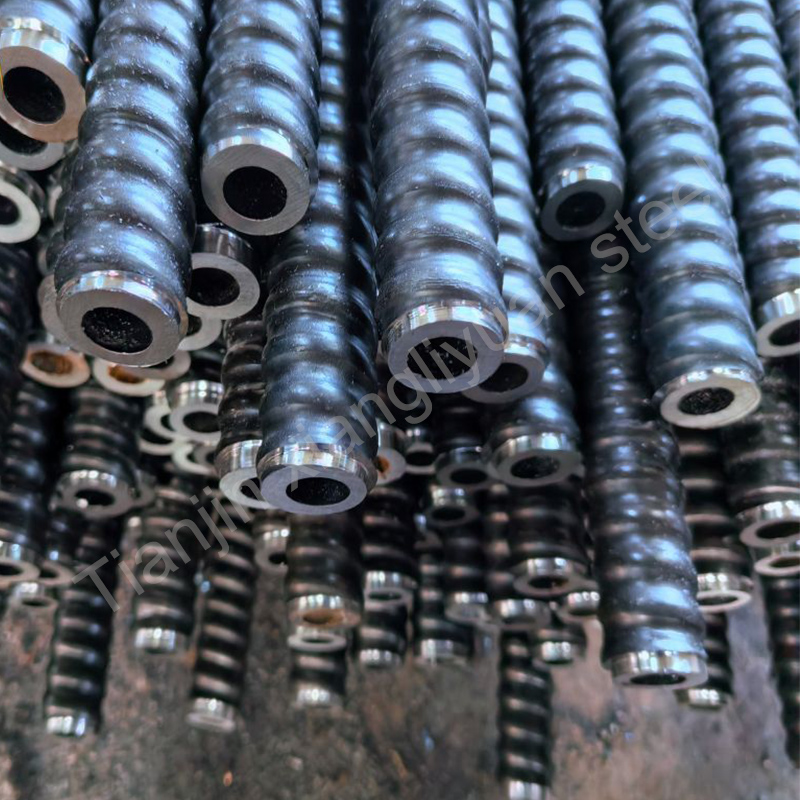
Hollow anchor bars are a type of support material used in geological engineering, mine support, tunnel construction, slope stabilization and other projects, with a self-drilling function. Its main function is to strengthen the structural stability of rock formations and soil and prevent collapse. Compared with
Hot-rolled carbon steel pipe is a basic material widely used in construction, machinery manufacturing, petrochemical and other industries. It uses carbon steel as the main raw material and is formed by hot rolling process. It has good mechanical properties and processing characteristics and is suitable
Cold-rolled carbon steel pipe is a carbon steel pipe product produced by cold rolling process. It has high precision and surface quality and is suitable for precision machinery, automobile manufacturing, construction and furniture industries. Compared with hot-rolled steel pipe, cold-rolled steel pipe has higher dimensional
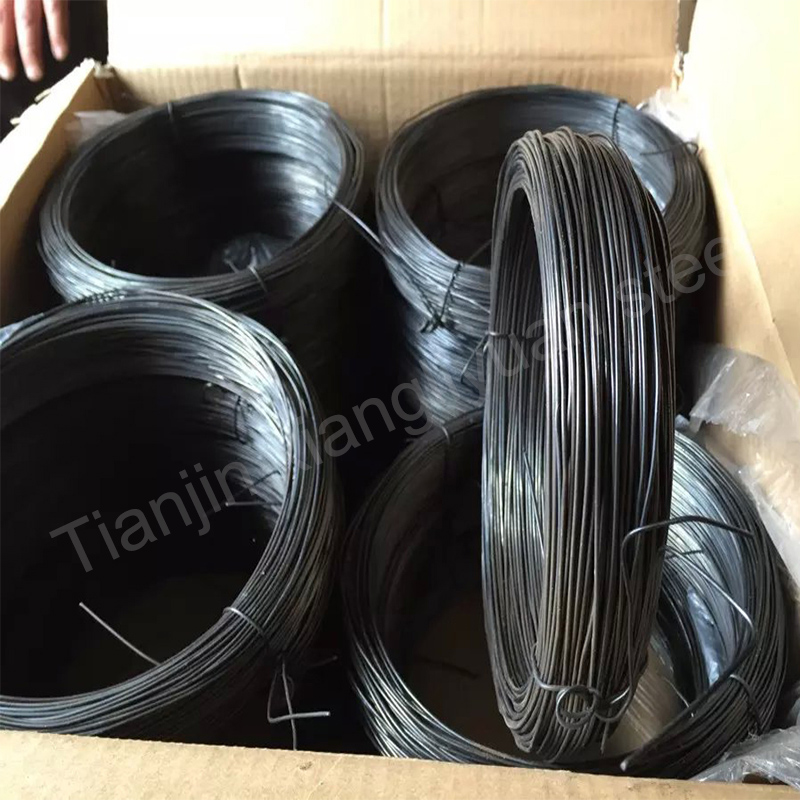
Annealed steel wire is a steel wire material that has been treated by the annealing process and is widely used in various industrial and civilian fields. It is favored for its softness, strong ductility and easy processing. The following is a detailed introduction to the
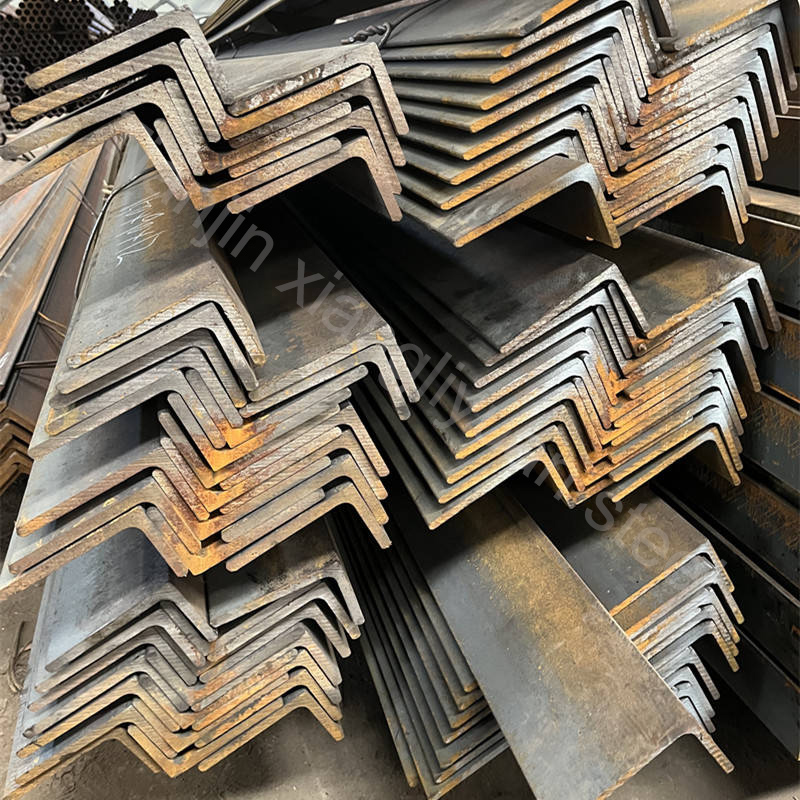
Angle steel, also known as angle iron, is a long steel bar with an "L"-shaped cross section. Due to its cross-sectional shape, angle steel has high strength and rigidity when subjected to multi-directional forces, and is suitable for a variety of building structures and engineering
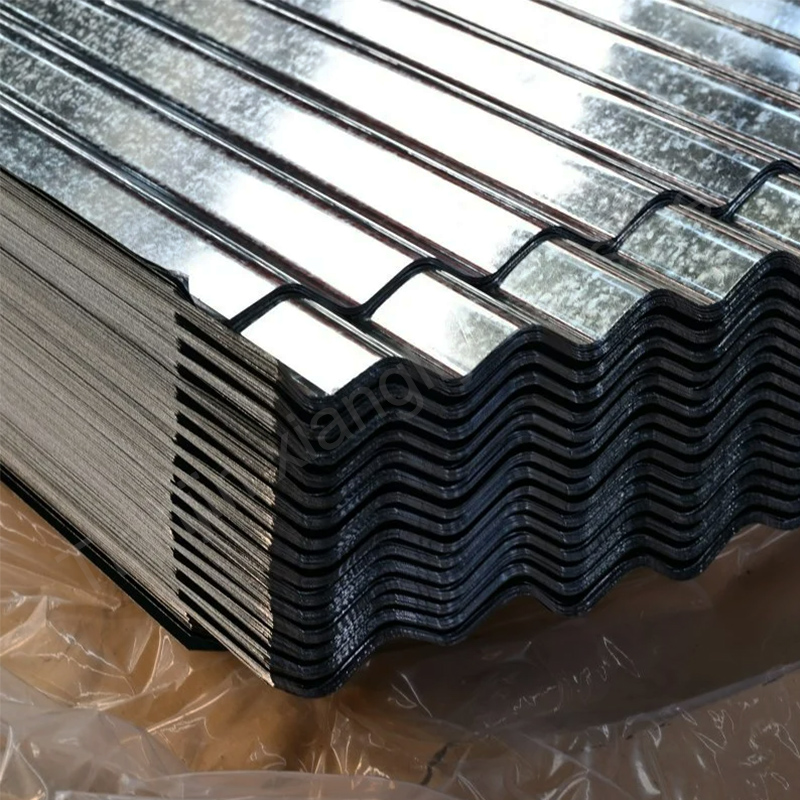
Galvanized corrugated sheet is a steel sheet that is coated with a layer of zinc on the surface of a steel sheet or iron sheet and pressed into a corrugated shape through a special process. Due to the surface galvanizing treatment, galvanized corrugated sheet has
Carbon steel patterned plate/roll is a carbon steel plate with regular patterns on the surface, which is widely used in construction, machinery, transportation and other fields. 1. Material classification The material of carbon steel patterned plate/roll varies according to different application occasions and performance requirements.
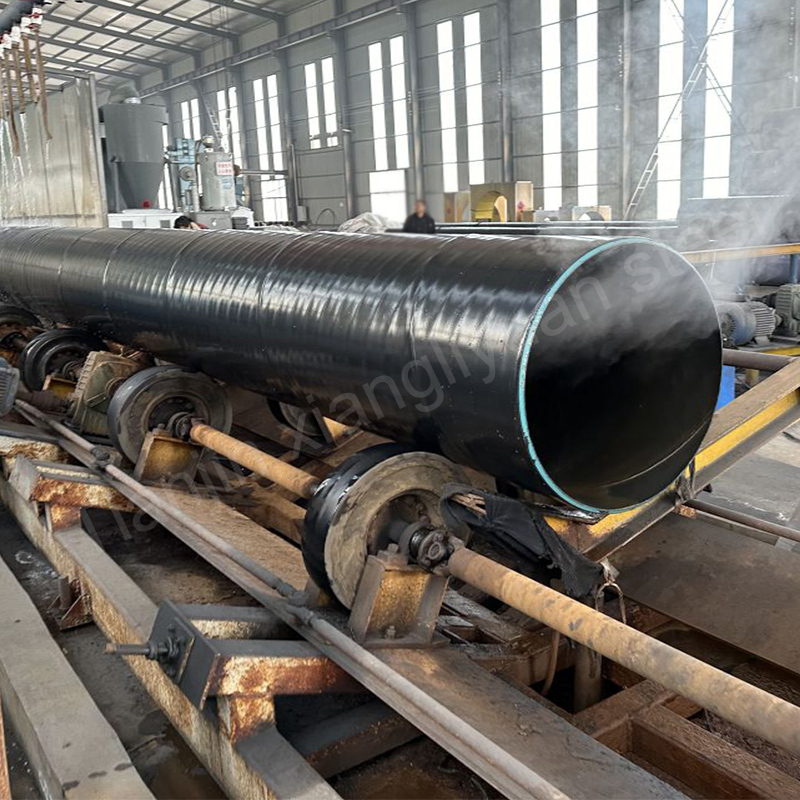
Carbon steel pipes are widely used in the fields of oil, natural gas, chemical industry, electric power, etc., and are often in harsh environments such as humidity, corrosive gases, groundwater, etc. In such an environment, carbon steel pipes are susceptible to corrosion, which shortens their
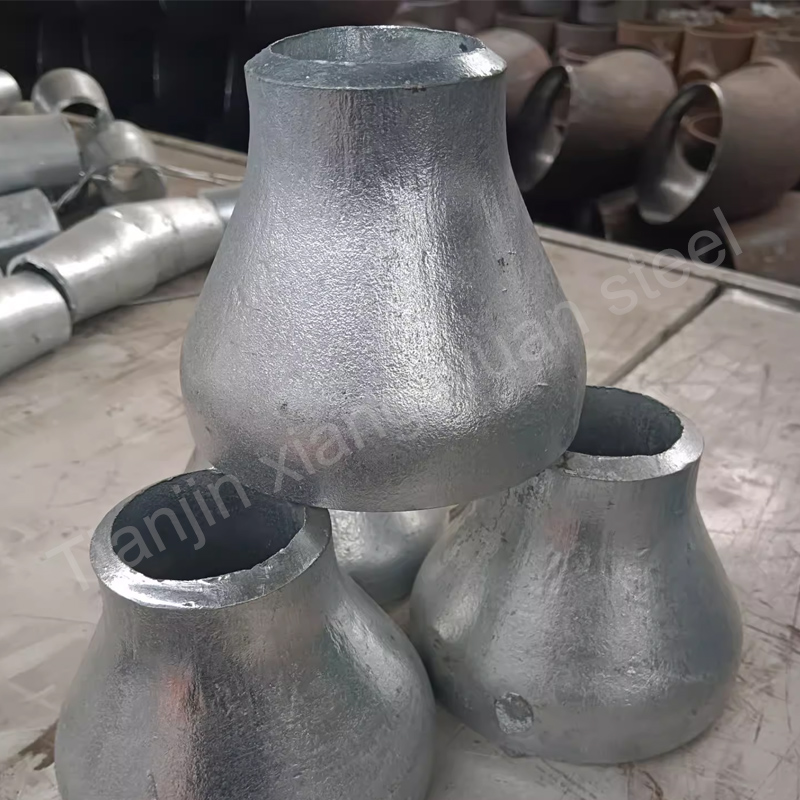
Carbon steel reducers refer to fittings used to connect pipes of different diameters in pipeline systems. They are widely used in the fields of petroleum, chemical industry, electricity, construction, etc. The main function of carbon steel reducers is to connect pipes of different diameters, so
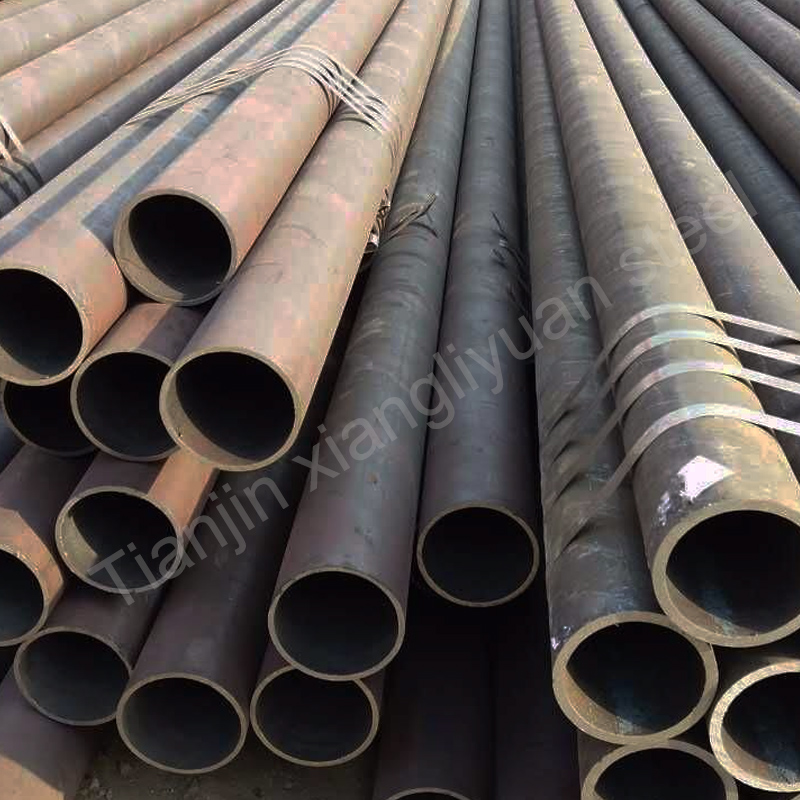
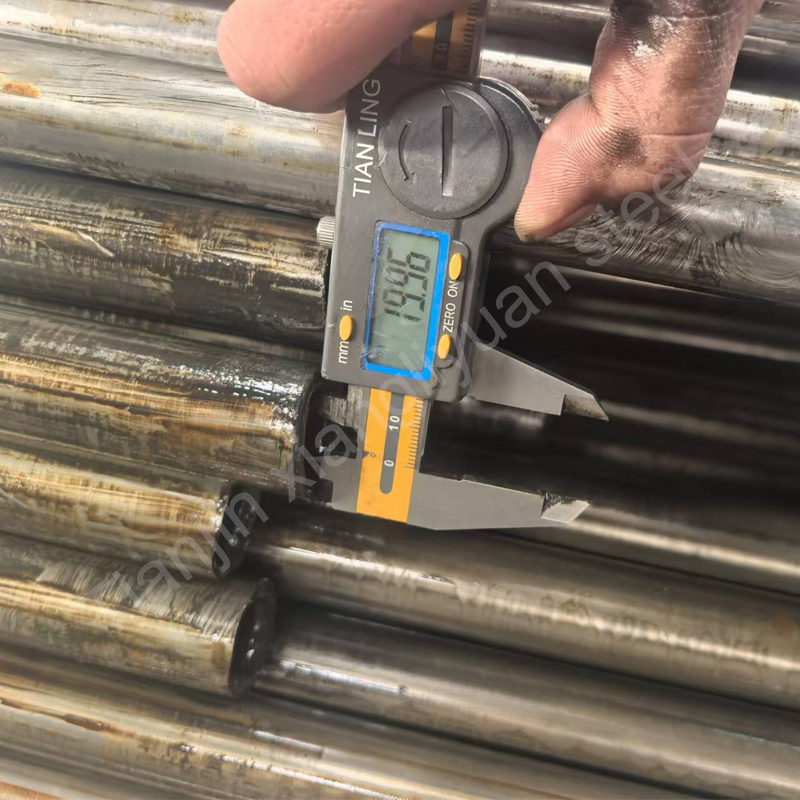
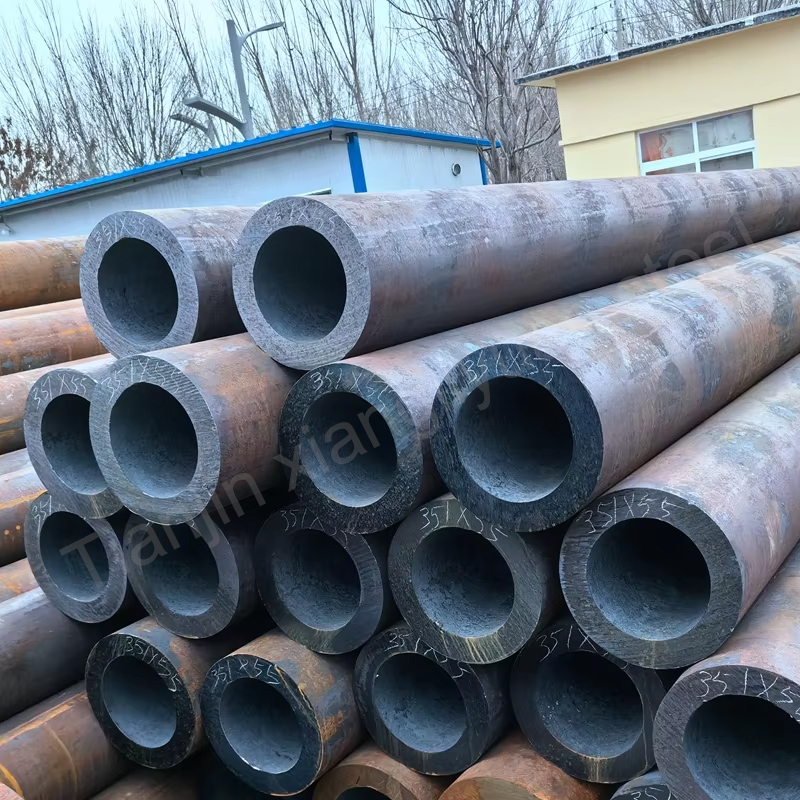
Seamless pipe is an important pipe widely used in various industrial and engineering fields. Its excellent performance makes it outstanding in pressure bearing and corrosion resistance. The diameter and wall thickness of seamless pipe are important parameters that determine its application range and applicable scenarios.


Social Media
contact us today
our location
Company Address
2-1-601, Qingdayuan, southwest of the intersection of Shuangjiang Road and Longxing Road, Shuangjie Town, Beichen District, Tianjin
©COPYRIGHT 2012 - 2026 | seamless pipe | Galvanized Steel Pipe | Pipe fitting | Other steel pipes | Carbon steel coil/strip | Galvanized steel coil/strip | PPGI | Carbon steel sheet/plate | Galvanized steel sheet/plate | per-painted steel sheet/plate | steel bar/rod | Carbon steel wire | Galvanized steel wire | steel rail | Channel | Angle | H/I beam | Flat steel | Other profile steel | Advanced Small Grouting Catheter For Tunnel | Hollow Grouting Anchors | Rebar